
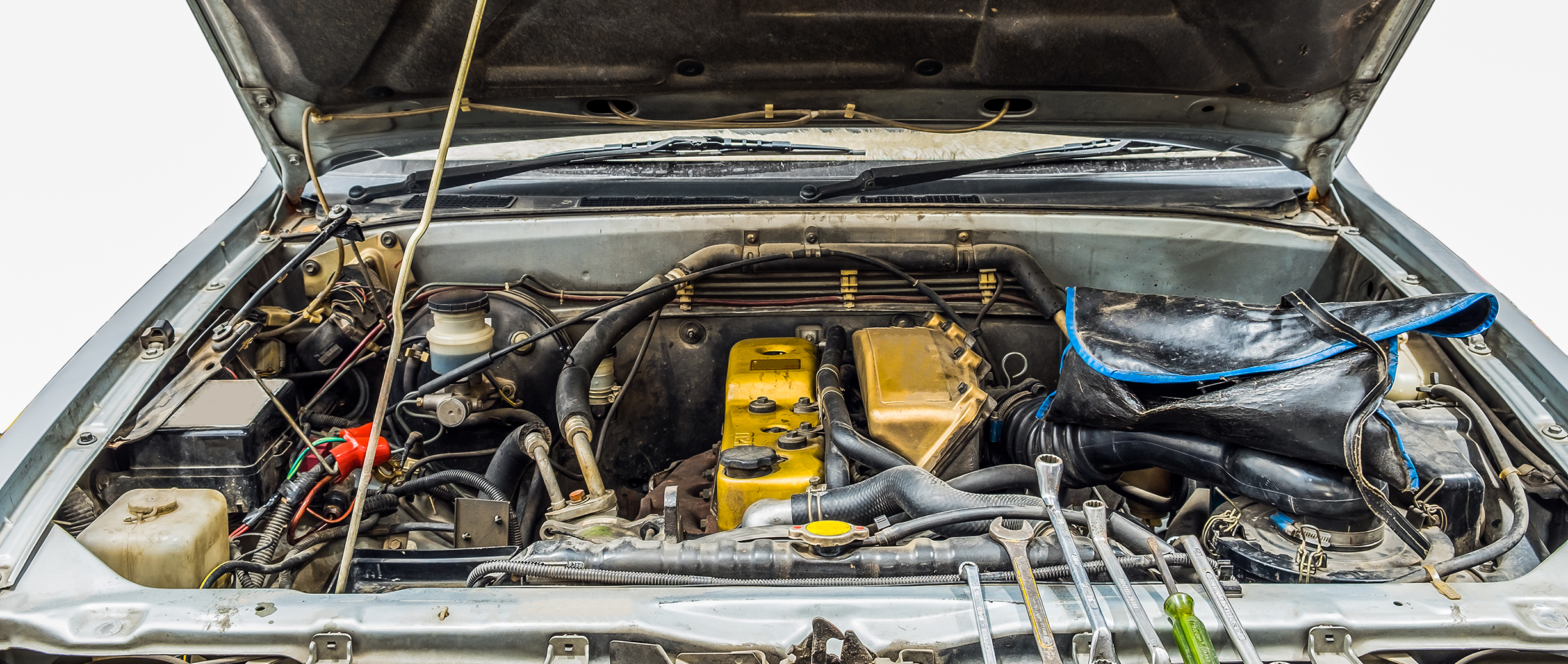
Your engine compartment is the heart of your vehicle. This means that having a clean one is not simply a cosmetic plus. A clean engine area assists you in detecting signs of trouble before they occur, saves you expensive repairs, and assists in extending the life of your vehicle.
You’ve likely observed people spraying water all over their engines with no regard for consequences, but it can do a lot more damage than good!
Consider engine bay cleaning to be an accurate process instead of a rapid wash-down. Your engine contains sensitive electrical components, computer modules, and critical mechanical parts that need special attention during cleaning.
At HCS Auto Repair, we’ve seen the consequences of improper engine cleaning techniques. That’s why we’re sharing professional insights to help you understand:
- What areas need protection during cleaning
- Which cleaning methods can damage your engine
- The right tools and products to use
- Safe cleaning techniques that preserve your engine’s health
Let’s dive into the essential dos and don’ts of engine bay cleaning to keep your vehicle running smoothly for years to come.
Understanding Your Engine Bay: Components and Vulnerabilities
Your engine bay houses critical components that require special attention during cleaning. Let’s explore these vital parts and their sensitivities:
Key Components to Protect:
- Serpentine Belt Area – This belt system drives multiple engine components
- Alternator – Powers your vehicle’s electrical system and charges the battery
- Coil Packs – Essential for your engine’s ignition system
- Fuse Box – Controls your vehicle’s electrical circuits
- Battery Vents – Allow necessary gas exchange in your battery
- Computer Modules – Manage your engine’s electronic functions
Water and Pressure Sensitivities
While these components are built to withstand normal weather conditions, they’re not designed for high-pressure cleaning. Your engine’s electrical connectors are weatherproof but not pressure-washer proof. Water intrusion can lead to corrosion in electrical connections, starting problems, system malfunctions, and potential engine hydro-lock.
Critical Risk Areas
The alternator’s internal components can fail when exposed to direct water spray. Coil packs may arc out if soaked, causing engine performance issues. Your battery vents must stay clear of water to maintain proper function. Computer modules require protection from moisture to prevent costly electrical failures.
These vulnerabilities make it essential to understand proper cleaning techniques that protect your engine’s vital systems while maintaining its cleanliness.
The Common Mistakes to Avoid When Cleaning Your Engine Bay
Your engine bay cleaning technique can make the difference between proper maintenance and costly damage. Here are critical mistakes you need to avoid:
1. Running Engine During Cleaning
Spraying water on a running engine creates immediate risks. Water can enter critical components while they’re in motion, potentially causing electrical shorts or mechanical failures.
2. Hot Engine Hazards
Never spray cold water on a hot engine. The sudden temperature change can:
- Create dangerous steam bursts
- Cause metal components to crack
- Warp-sensitive parts
- Lead to permanent engine damage
3. Pressure Washing Dangers
High-pressure water streams might seem efficient, but can force water into:
- Weather-sealed electrical connectors
- Delicate wiring harnesses
- Component housings
This trapped moisture leads to corrosion, causing electrical failures weeks or months later.
4. Improper Debris Removal
Carelessly spraying leaves and debris around your engine bay creates unexpected problems:
- Clogs cowl drains
- Forces debris deeper into tight spaces
- Causes water to pool inside your vehicle
- Creates drainage issues leading to interior water damage
5. Direct Component Exposure
Avoid spraying water directly onto:
- Battery vents
- Alternator housing
- Engine computer modules
- Fuse boxes
- Ignition coils
These components require careful cleaning with appropriate tools and techniques to maintain their functionality.
The Right Way to Clean Your Car’s Engine Bay
Start cleaning your engine bay using a methodical approach. Remove any visible leaves and debris by hand – this prevents drain clogs and water intrusion issues. For stubborn dust and debris, use a vacuum with reverse function or a leaf blower to clear hard-to-reach areas.
Step-by-Step Cleaning Process:
- Mix engine degreaser with water for a gentle cleaning solution.
- Apply the solution carefully, avoiding direct contact with parts like the alternator, ignition coils, computer modules, and battery vents.
The fuse box is okay with light cleaning if the cover is not broken. Clean with a soft brush or cloth – no hard pressure. Your engine bay can tolerate moisture, but don’t expose it to too much water.
Pro Tips for Best Results:
Take off the plastic engine covers to clean them separately. This means that you are able to sweep all the corners and crevices under these covers, which are susceptible to dust and dirt buildup. There must be gentle water pressure for washing so that no component is destroyed in the process.
Drying by having the hood open to natural air is best as this facilitates evaporation of the moisture, preventing corrosion. Alternatively, you can dry it using a blow gun, which sucks water out of inaccessible areas and accelerates the entire process.
As a further precaution, apply a plastic or rubber protector suitable for engine parts. Ensure to learn about product compatibility with your engine bay materials prior to use.
Your selection of cleaning equipment and chemicals will either make or break your engine bay cleaning session. Safety first – never apply flammable cleaners to your engine, especially when the components are still warm. Your engine components’ heat may ignite such chemicals, positioning you as a risk-taker.
The following is what you will require for a successful and safe engine bay cleaning:
Essential Tools:
- Soft-bristled brushes
- Clean microfiber cloths
- Vacuum with reverse function or leaf blower
- Protective gloves
Recommended Cleaning Products:
- Water-based engine degreaser
- Plastic-safe cleaning solutions
- Rubber conditioner
- Non-acidic cleaners
Your engine cleaner must be specially made for use in automobiles. Dilute it with water based on the package to have a solution that’s strong enough to break up grime yet not strong enough to destroy delicate components.
Tools to Avoid:
- Wire brushes
- Abrasive scrubbers
- Pressure washers
- Harsh chemical cleaners
A reversing rotation leaf blower or vacuum comes in handy in scooping loose trash without blowing it into small crevices. Soft-bristled brushes and microfiber cloths allow you to dust without scratching the surface or overloading electrical components.
Be sure to read labels on products used on car components. Some strong chemicals will progressively damage rubber hoses, plastic trim, and other engine bay components over time.
Maintenance Benefits of a Clean Engine Bay in Car Repair
A clean engine bay is your best protection from future mechanical failures. Cleaning your engine bay periodically makes it easy for you to detect small problems such as oil leaks, ruptured hoses, or loose wires before they become huge repair endeavors. If you can detect these problems in their initial stage, it may cost you thousands of dollars less.
Protecting Your Engine’s Electrical Components
The electrical components of your engine also benefit from a clean environment. By cleaning deposits of dirt and debris, you minimize the potential for corrosion to wiring harnesses and connectors. This makes your electrical system reliable and saves you from nasty surprises in the form of breakdowns.
Adding Value to Your Vehicle
Keeping your engine bay well-maintained can significantly increase the value of your vehicle:
Enhanced Resale Value: Potential buyers often associate a clean engine bay with careful maintenance
Easier Inspections: Mechanics can quickly identify issues during routine maintenance
Professional Appearance: Shows your commitment to taking care of your vehicle
We make sure to provide thorough engine bay cleaning as part of our service at HCS Auto Repair. Our ASE-certified technicians understand that a clean engine bay is not so much about aesthetics – it is a component of preventative maintenance that guarantees the longevity of your vehicle and ongoing smooth operation.
When to Get Professional Help
Cleaning the engine bay needs to be done with care and craftsmanship. If you don’t feel confident enough to do it yourself, leave it to our ASE-certified auto mechanics in Springdale, AR. With our 35 years of professional auto repair experience, your engine bay will receive the attention that skilled hands provide.
We provide a thorough inspection with each engine bay cleaning to identify any possible problem areas at an early stage. Our technicians use state-of-the-art equipment and the latest cleaning technology to give your car the best possible care.
We apply cleanroom-friendly cleaning procedures uniquely tailored to safeguard delicate components in your engine bay, ensuring you’re confident during the process. We further offer interior and exterior care packages as add-ons to your entire vehicle service. Our experts can advise you on maintaining the cleanliness of your engine to enable your vehicle to run at its optimum level between visits.
You’re not a number – you’re a neighbor. Our personal, customized method is to sit down with you and determine what your car needs and how we can make it happen. We treat every customer like an old friend, with honest advice and good work.
Our professional team does everything from routine service to difficult repairs, so you can count on us as your one-stop solution for quality auto repair in Springdale, AR.
Choose HCS Auto Repair
Proper engine bay cleaning requires finesse and proper procedures to make sure your car’s vital parts are not damaged. While DIY cleaning is possible with the proper information, accuracy and safety should take precedence.
Need professional engine bay service help? Our ASE-certified technicians at HCS Auto Repair in Springdale, AR can assist you. We merge professional service with personal attention to make your car run like it is brand new.
Ready for Professional Engine Bay Cleaning?
Call us today at (479) 751-8232 or stop by our Springdale location to discover our commitment to restoring integrity and improving performance.
Your vehicle is worth only the best attention – let us provide top-quality results while holding the highest expectations of auto repair.