
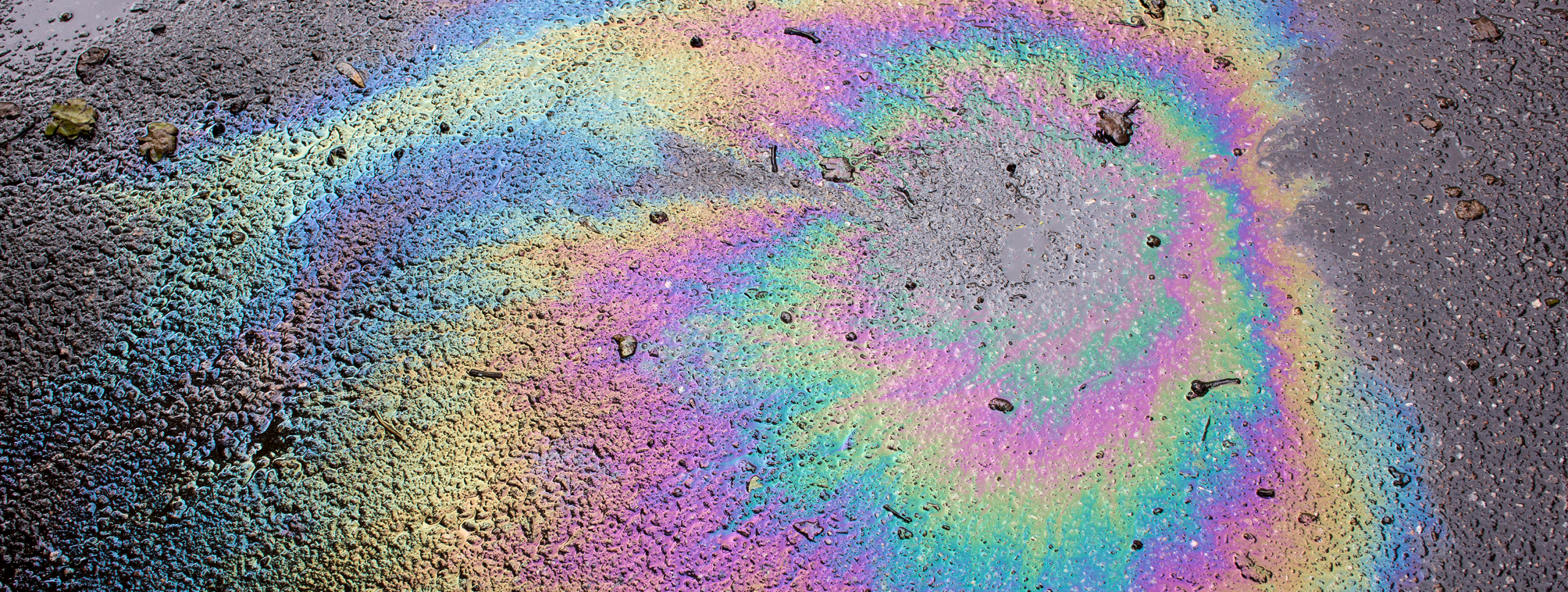
Maintenance, including fluid changes, is necessary to maintain your car. But where do the spent fluids go after you’ve completed it?
We at HCS Auto Repair understand that proper disposal of automobile fluids is not just following the law – it’s contributing to protecting our environment and society. Automobile fluids and used motor oil can cause a great deal of damage if they get into the ground or waterways. A single gallon of motor oil can contaminate up to a million gallons of clean water.
We’ve prepared this guide to assist you in learning safe collection practices for a variety of car fluids, finding appropriate disposal points and methods, and learning green conservation practices. Avoid spills and contamination by accident.
If you’re a handy car repair individual or simply wish to go green, we’ll take you through the easy steps to recycle:
- Engine oil
- Transmission fluid
- Power steering fluid
- Coolant
- Rear differential fluid
Let’s explore how you can maintain your vehicle while being a responsible environmental steward.
Understanding Vehicle Fluids and Their Environmental Impact
Your vehicle relies on several essential fluids to keep running smoothly. Here’s what you need to know about these fluids and their potential environmental impact:
Common Vehicle Fluids
- Engine oil – Lubricates engine components
- Transmission fluid – Ensures smooth gear shifts
- Power steering fluid – Helps with steering control
- Coolant – Regulates engine temperature
- Rear differential fluid – Lubricates rear axle components
They contain toxic chemicals and heavy metals that cause ruinous environmental damage if improperly handled. They contain sufficient poison to contaminate 250,000 gallons of drinking water in one quart of motor oil. The fluids, having leaked into groundwater or reservoirs of water, kill crops and plants, poison wild and aquatic life, contaminate groundwater, and cause irreparable environmental damage.
EPA Guidelines for Fluid Handling
Environmental Protection Agency (EPA) mandates that all motor oils are:
- Collected in designated containers
- Kept separate from other waste materials
- Stored in sealed containers to prevent spills
- Recycled through authorized facilities
- Never dumped in sewers, storm drains, or on the ground
Many auto parts stores and service centers accept used automotive fluids for proper recycling. By following these guidelines, you help protect our environment while complying with federal regulations.
Preparing for Fluid Disposal During Auto Repairs
Whether you’re working on a lift or at ground level, having the right tools ready before starting your fluid change makes a significant difference in preventing spills and contamination.
Essential Tools for Your DIY Fluid Change:
- Large drain bucket or oil pan
- Clean funnel
- Absorbent materials for spills
- Sealed waste oil containers
- Protective gloves
Working on a Lift vs. Ground Level
Draining on a lift allows for improved access and control during draining fluids. In repair on the ground, you must place strategically your drain pan to catch fluids well since the enclosed space has the greatest potential for spills.
Avoiding Spills and Contamination
In a bid to be able to stop spills and contamination as one drains fluids efficiently, it is always best to have your drain bucket right underneath the drain plug before opening it up. Having covers on containers closed when you are not using them keeps spills from happening by chance and minimizes exposure to the environment. Having absorbent materials handy also helps so that you can act immediately when you encounter any unexpected overflows or leaks. When you are working with different types of fluids, use the services of specific containers marked for use with every type to avoid cross-contamination. Place your funnel in a safe position whenever you are pouring the fluids to minimize the chances of spilling or splashing.
Pro Tip: When collecting on ground level, use a larger catch pan to account for poor visibility and access. This prevents contaminated dirty ground created by the use of small catch pans.
Safe Collection and Storage of Used Fluids
Proper motor vehicle fluids storage is having different kinds of waste in their own containers. Here is what you should know about safe fluid collection:
Designated Containers
- Use jugs specifically marked for waste oil – these can hold engine oil, transmission fluid, power steering fluid, and rear differential fluid
- Keep separate containers for coolant – never mix coolant with oil-based fluids
- Look for containers with built-in funnels for easier pouring
Safe Storage Practices
- Keep container lids tightly sealed when not in use
- Store containers away from children’s reach
- Don’t accumulate large quantities of waste fluids in your garage
- Avoid storing containers on high shelves where they could fall
Spill Management
- Keep absorbent materials nearby for quick cleanup
- Clean spills immediately to prevent ground contamination
- Use specialized absorbent products designed for automotive fluids
- Remove all traces of spilled fluid from the ground surface
Do not forget to check your containers periodically for any damage or leakage. A damaged container may result in toxic spills and contamination. Your storage area must be ventilated and should never be located near electrical devices or heat sources.
How to Recycle Used Oil and Other Automotive Fluids Properly
Ready to dispose of your collected automotive fluids? You have several convenient recycling options:
1. Auto Parts Stores
- Most stores that sell automotive fluids will accept used oil and coolant for recycling
- Many offer this service free of charge
- Bring fluids in sealed containers to prevent spills during transport
2. Service Centers
- The facility where you purchased your original fluids often accepts returns
- Professional auto shops can properly dispose of fluids from your DIY maintenance
- Some locations may require advance notice for large fluid quantities
3. Critical Disposal Rules
- Never pour automotive fluids down storm drains or sewers
- Avoid mixing with household trash or garbage
- Keep different fluid types separate to enable proper recycling
You can easily find local recycling locations by:
- Checking auto parts store websites
- Calling your regular service center
- Using the EPA’s recycling facility locator
- Consulting your local waste management authority
Remember to transport your fluids in secure containers to prevent spills during the trip to your chosen recycling location.
The Role of Professional Auto Repair Shops in Fluid Recycling
Specialist repair shops are necessary to help prevent environmentally unsound fluid disposal practices. At HCS Auto Repair in Springdale, AR, we handle car fluids with rigid adherence to EPA regulations and proper collection and recycling of all auto liquids.
Our Expertise
Our ASE certified technicians bring specialized expertise to maintain dedicated waste containers for different types of fluids. They implement spill prevention protocols during fluid changes and use professional-grade equipment for clean and efficient fluid collection, following industry-standard disposal procedures.
Our Commitment
Since 1988, HCS Auto Repair has set the benchmark for excellence in Springdale through our commitment to responsible automotive practices. Our team understands the complexities of different vehicle fluids and their specific recycling requirements. We use specialized drainage systems and professional-grade storage containers to ensure zero contamination during the fluid disposal process.
Supporting Environmental Practices
When you select an experienced car repair shop, not only are you receiving high-quality car repair – you’re helping to facilitate environmentally sound practices that work to conserve our community’s natural resources.
Best Practices for Vehicle Owners to Continue Eco-Friendly Habits
Practicing eco-friendly car maintenance starts with a proactive attitude towards maintaining your vehicle. This is how you can be a part of the solution:
1. Schedule Regular Maintenance
- Track your mileage between oil changes
- Keep a maintenance log for all fluid changes
- Replace fluids before they become contaminated or degraded
2. Create a Recycling Station
- Set up designated containers for different fluids
- Label containers clearly to prevent mixing
- Store in a safe, covered area away from children and pets
3. Know Your Local Resources
- Research nearby auto parts stores that accept used fluids
- Contact your local recycling center for specific guidelines
- Ask about special disposal events in your community
Don’t forget to keep your waste oil drums covered when not in use, and always utilize proper funnels so that you won’t spill. Having a clean, tidy workspace allows you to keep environmentally friendly practices while servicing your vehicle.
Choose HCS Auto Repair For Professional Service
Properly disposing of car fluids isn’t only smart practice – it’s critical to safeguarding our planet. Each recycled gallon of oil or antifreeze keeps waste out of our water and soil for centuries ahead.
We are here to assist you in maintaining your car in the right way. Our ASE-certified mechanics at HCS Auto Repair handle all your car needs with finesse and environmental responsibility. We have been proudly serving the Springdale area since 1988, establishing a standard for quality in auto repair and responsible fluid usage.
Ready to keep your car in top working shape while contributing to a healthier planet? Call us today at (479) 751-8232 or come see us at our Springdale office. Let’s build a better world one car at a time – for performance and planet.