
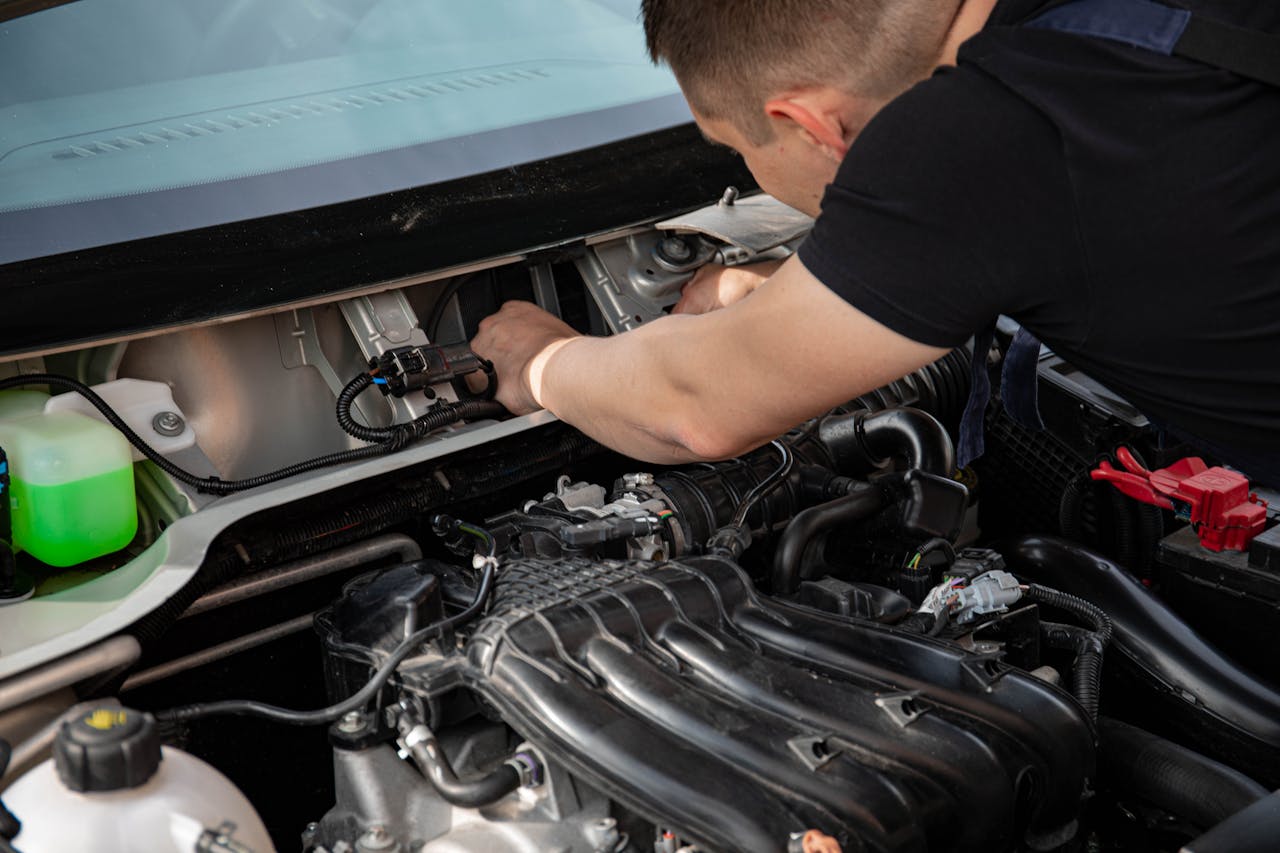
Your transmission fluid is critical to maintaining your car’s smooth operation. Similar to your engine oil, this vital fluid darkens over time, and these color changes can reveal a lot about your car.
Why Does Transmission Fluid Change Color?
Imagine your transmission fluid as your car’s bloodline. When it’s new, it will be bright red and clear. As it works hard to get the job done, year after year, it gets darker and darker in color, eventually becoming a deeper red, brown, or even black.
What Does Dark Transmission Fluid Mean
Dark transmission fluid usually means maintenance is overdue, but why did the color shift? The new fluid is clear and bright red, and it typically darkens with normal use. If the transmission fluid is brown or black, this usually means age-related breakdown and built-up contaminants in the system. These color shifts can be an indication of underlying transmission problems that need to be repaired.
With HCS Auto Repair, we do a lot of black transmission fluid in vehicles that’s far beyond its lifespan. Understanding why the colors are off keeps your car performing well and saves you money on repairs in the future.
The Role and Purpose of Transmission Fluid
Your transmission fluid is an important component of your vehicle’s operation, doing a few important jobs that keep your car moving. Let’s discuss those essential functions:
1. Lubrication
Transmission fluid lubricates the various components of the transmission system, including gears, bearings, and clutches. It creates a protective barrier between these metal parts, reducing wear and preventing metal-to-metal contact that can cause damage. By keeping everything well-lubricated, the fluid extends the life of transmission components.
2. Cooling Properties
During normal operation, the transmission generates heat. Transmission fluid serves the important function of soaking up such heat and keeping the operating temperature in proper condition. It keeps the engine from overheating under hard pulling, such as towing or climbing hills, by draining heat away from vital parts. Cooling enables the effective functioning of the transmission and deters possible malfunctioning.
3. Cleaning Action
Metal fragments and particles can accumulate in the transmission system with time. Transmission fluid cleans through a cleaning action that sweeps out these poisonous substances, preventing accumulation and keeping the system efficient. It keeps passages and channels open, ensuring free fluid flow and normal transmission functioning.
4. Hydraulic Power
Transmission fluid is also hydraulic fluid and gives the transmission its required power to perform numerous tasks. It helps in smooth gear shifting by offering pressure where necessary, regulates the engaging and disengaging of the clutch, and delivers accurate timing of gear changing. All such operations would prove ineffective or sluggish in the absence of proper hydraulic power from the fluid.
Think of transmission fluid as the blood of your transmission – it forces necessary components through the system and flushes out harmful particles. The new transmission fluid is a nice red color and silky texture. This fluid creates the pressure required to engage mechanical components, similar to hydraulic fluid in other systems.
Your transmission relies on this fluid to draw out the excess pressures and temperatures of daily driving. During use, operating temperatures of up to 175°F are experienced under regular driving conditions and higher during harsh driving conditions like towing or climbing steep grades. The transmission fluid adapts to these conditions without giving up its protective aspects.
Why Does Transmission Fluid Darken Over Time?
The color change of your transmission fluid isn’t merely an aesthetic problem – it’s a sign that something is telling your vehicle. New transmission fluid is typically bright red in color, but several reasons lead to it turning darker as time passes.
Heat Exposure
Daily driving generates significant heat in your transmission. High temperatures break down the fluid’s molecular structure, and activities like towing, heavy loads, and stop-and-go traffic accelerate this process. The constant exposure to heat gradually alters the fluid’s composition and appearance.
Metal Particle Contamination
Normal wear between transmission components releases tiny metal particles into the system. These particles mix with the fluid, darkening it within a matter of time. The fluid darkens, the more contaminated it can be, to serve as an indicator of the health of the fluid.
Oxidation Effects
Heat and exposure to air result in chemical alterations in the fluid. The oxidation process naturally darkens the fluid as it continues. More significantly, oxidized fluid slowly loses its protective qualities, losing strength in its core functions.
Driving Conditions Impact
Urban driving with a great deal of braking, extra stress on transmission fluid, and driving in mountains or towing heats fluid up. Severe weather conditions speed up fluid breakdown, and so operating conditions govern how fast transmission fluid becomes darker.
Darkening occurs with time as these forces come together. Imagine your transmission fluid like cooking oil – it darkens and becomes thinner with wear and heat exposure. Your driving style plays a significant role in how rapidly this conversion happens. Heavy use in harsh conditions accelerate the darkening process, but light driving in regular circumstances causes the fluid to last longer with its characteristics.
The color change in itself does not necessarily indicate that your fluid needs to be replaced immediately, but it is a symptom to look for in combination with other transmission wear signs.
Symptoms That Your Transmission Fluid Needs To Be Changed
Your transmission will provide you with unmistakable signs when it is time for a fluid change. These are the primary symptoms you should look out for:
1. Burnt Smell
A burnt odor coming from your transmission is a serious red flag. This smell often indicates that your transmission fluid has broken down and can no longer effectively protect your system. The scent might remind you of burning rubber or toast—if you notice this, bring your car in for service right away.
2. Slipping Gears
When your transmission fluid loses its effectiveness, your car might unexpectedly shift gears or struggle to stay in gear. This happens because old fluid can’t maintain the proper pressure needed for smooth gear engagement.
3. Other Critical Warning Signs:
- Delayed or Rough Shifting: Your car hesitates or jerks when changing gears
- Grinding Noises: You hear unusual sounds during gear changes
- Dashboard Warning Light: Your transmission warning light illuminates
- Overheating: Your car runs hotter than usual, especially during long drives
- Strange Vibrations: You feel unusual shaking or vibrating while driving
4. Fluid Appearance Changes
- Dark or cloudy fluid
- Particles floating in the fluid
- Gritty texture when rubbed between fingers
- Strong metallic smell
Catching these symptoms early can save you thousands in potential repair costs. A simple fluid change is much less expensive than replacing damaged transmission components. Regular checks of your transmission fluid’s condition help you spot these issues before they become major problems.
The Importance of Regular Maintenance for Your Transmission System
Your transmission system toils away with each and every drive you make, and as with any toiling component, it must be serviced. Adhering to your manufacturer’s maintenance schedule isn’t a recommendation—it’s a worthwhile investment in your vehicle’s lifespan.
Benefits of Regular Transmission Maintenance
Regular transmission maintenance offers multiple benefits:
- Extended transmission life: Proper maintenance can help your transmission last 200,000+ miles
- Improved fuel efficiency: Clean fluid reduces strain on your engine
- Smoother gear shifts: Fresh fluid maintains optimal hydraulic pressure
- Prevention of major repairs: Regular maintenance costs far less than transmission replacement
Recommended Transmission Fluid Change Intervals
Most manufacturers recommend transmission fluid changes at specific intervals:
- Automatic transmissions: Every 60,000-100,000 miles
- Manual transmissions: Every 30,000-60,000 miles
- Severe driving conditions: Every 15,000-30,000 miles
What Counts as Severe Driving Conditions?
Harsh driving conditions are a range of difficult situations that place additional stress on your transmission system. They include constant stop-and-go traffic that repeatedly engages and disengages the transmission components. Regular heavy loads or towing play a major role in placing additional stress on your transmission, which will need more frequent maintenance. Extreme temperatures, either very hot or very cold, can impact fluid performance and viscosity. Also, mountain driving, with its continuous up and down changes and gear shifting, can put additional wear and tear on your transmission system.
Inspecting Your Vehicle’s Unique Maintenance Requirements
Your vehicle’s unique requirements might vary from these general recommendations. We suggest that you refer to your owner’s manual for the exact maintenance schedule specifically written for your make and model. Some of the new models that run on synthetic transmission fluid will have other demands.
The Effect of Maintenance on Resale Value
Maintenance on a regular basis builds a history of service, which will place a value on your vehicle at resale. Maintain transmission service as a policy for your automobile—the minimal premium you pay today saves you from expensive repairs later.
Choose HCS Auto Repair for Professional Transmission Repair in Springdale, AR
Your transmission needs to be handled by skilled technicians who are knowledgeable of its intricacies. At HCS Auto Repair Springdale AR, we’ve developed our reputation by providing top-notch auto repair since 1988. Our ASE-certified mechanics apply special knowledge and hands-on skills to each transmission service.
At HCS Auto Repair, we provide full transmission services to meet your vehicle’s needs. Our full transmission diagnostics employ the latest equipment to precisely diagnose any problems. We do professional fluid changes with manufacturer-approved fluids for maximum performance. Our transmission repair services include everything from simple tune-ups to full rebuilds, offering solutions for every level of transmission problem. We also stress preventative maintenance programs to maximize your transmission’s life and keep it running dependably.
Your car becomes family to us at HCS Auto Repair. We proudly offer our personal attention – you’ll work directly with the people who make each and every repair clear to you in plain, straightforward language.
Our commitment to quality extends beyond basic services. We’ve designed our facility to handle both routine maintenance and complex transmission issues, equipped with the latest tools and diagnostic equipment to serve Springdale, AR, drivers effectively.
Conclusion: Proactive Maintenance is Key to a Healthy Transmission System
Dark transmission fluid serves as a warning sign you shouldn’t ignore. Regular checks for maintenance take any upcoming problems before they arise as big issues, paying you dividends in the long run.
Advantages of Regular Transmission Maintenance
Your transmission system operates quietly in the background to keep your car in good running condition. Show it the respect it is due with regular checks and fluid maintenance. A well-serviced transmission system pays back in spades with better car performance and longer transmissions. Preventative maintenance also provides the additional advantages of improved fuel efficiency and smoother shifting while driving. Perhaps most notably, though, is that proper maintenance of your transmission provides invaluable peace of mind on the road, knowing your vehicle is performing at its peak.
Don’t wait until you notice dark fluid or experience transmission problems. Take action now to protect your vehicle’s health. Our expert team at HCS Auto Repair is ready to help with all your transmission maintenance needs.
Ready for a transmission fluid check? Call us at (479) 751-8232 to schedule your appointment. Trust our ASE-certified technicians to keep your vehicle performing at its best.