
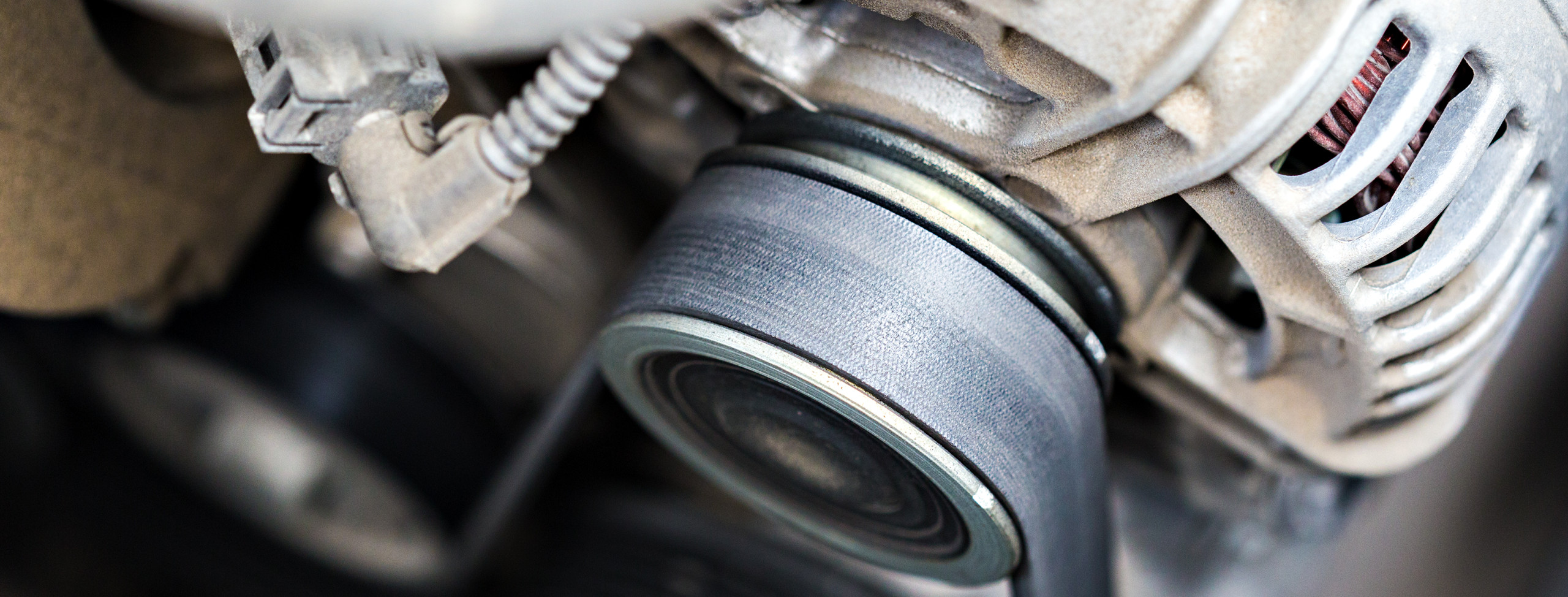
Your car engine belts are major parts that keep your car running. We’ve witnessed at HCS Auto Repair how a worn-out engine belt can lead to breakdowns and expensive repairs. These vital parts power different systems in your engine, from the alternator to the air conditioning.
Read on to learn how to inspect your engine belts for signs of wear and tear so that you can fix problems before they mushroom into major issues. The article also briefly mentions automatic vs. manual tensioner belts and how to figure out if your car has one or the other and what special maintenance it may need. You’ll discover when you should replace your belts so your engine will continue to run without those unwelcome interruptions. Step-by-step inspection methods are explained fully so you can check your belts safely and carefully. Last but not least, you’ll get helpful hints for belt longevity so you can get the most out of these essential components and prevent expensive repairs later on.
Squealing when you begin your engine might be more than a humiliating noise – it’s probably your engine belt wailing for help. So, let’s get on with what you ought to know about maintaining your engine belts in optimal condition.
How to Check Engine Belts for Wear and Tear
Your engine belts have a very different story to tell with visual and touch-proof of wear. What you need to look for when checking them is as follows:
Major Belts of Wear:
- Cracks in the rubber – These are signs that the belt is wearing out and must be replaced at once
- Fraying edges – Check the edges of the belt for fraying or loose edge material
- Worn-out grooves – The grooves on the belt must be well-defined and not damaged
- Smooth, burnout-like marks – Similar to tire burnout marks, these indicate belt slippage
- Rust staining – Discoloration can signal belt degradation
- Hard, inflexible texture – A healthy belt should remain flexible
Quick Inspection Guide:
Visual Check
- Look for visible cracks on the belt surface
- Examine the grooves – they shouldn’t be falling apart
- Check for any discoloration or staining
Physical Assessment
- Feel the belt’s texture – it should be pliable
- Check for rough spots or unusual wear patterns
- Inspect the edges for any signs of fraying
Flexibility Test
- A good belt remains flexible and supple
- If the belt feels hard or brittle, it’s time for a replacement
- Test the belt’s elasticity – it shouldn’t feel too loose or too rigid
Remember: Once your belts start squealing, particularly during cold starts, they’re likely already damaged beyond adjustment. At this point, replacement is your best option for optimal engine performance.
Understanding Different Types of Engine Belts: Automatic Tensioner vs Manual Tensioner Belts
Your vehicle’s engine belt system comes in two main configurations: automatic tensioner and manual tensioner belts. Each type has distinct characteristics that affect your vehicle’s performance and maintenance needs.
Automatic Tensioner Belts
- Self-adjusting mechanism maintains optimal belt tension
- Compensates for belt stretching over time
- Reduces the need for manual adjustments
- Helps prevent belt squealing issues
- Masks wear symptoms by automatically taking up slack
Manual Tensioner Belts
- Requires periodic tension adjustments
- More prone to squealing when tension isn’t perfect
- Gives clear warning signs when maintenance is needed
- Common in older vehicles
- Requires hands-on maintenance approach
Manual tensioner belts require your service to be kept at the right tension. When such belts begin to loosen up, they will remind you by squeaking noises, especially cold starting. As soon as a manual tensioner belt begins to squeak, it is usually damaged beyond utilization and must be replaced.
Automatic tensioner systems create a less manual experience, but they will hide wear symptoms in the belt. The tensioner will automatically adjust for belt stretch, so you’ll just have to be that much more vigilant on visual checks to locate wear before it gets severe.
Each of these varieties must still be visually checked on a regular basis for wear prior to belt failure. We at HCS Auto Repair are able to assist you in figuring out what style of belt system your car has and making recommendations for proper maintenance.
The Process of Replacing Engine Belts: When and How Should You Do It?
Your engine belts will tell you when they need replacement through several clear warning signs:
- Loud squealing noises – Particularly noticeable during cold starts
- Visible rust staining on the belt surface
- Smooth, worn-out surfaces resembling burnout marks on tires
- Fraying edges along the belt’s sides
- Cracking in the rubber material
- Deteriorating grooves that are falling apart
A belt that’s past its prime becomes hard and inflexible – a stark contrast to a healthy belt’s pliable nature. Once your belt starts squealing, it’s typically beyond the point of adjustment and requires immediate replacement.
Steps for Belt Replacement:
- Safety First
- Park on a level surface
- Allow engine to cool completely
- Disconnect the battery
- Belt Removal
- Locate the tensioner pulley
- Release tension using appropriate tools
- Slide old belt off the pulleys
- New Belt Installation
- Compare new belt to old one for correct size
- Route belt through pulley system
- Apply proper tension
- Verify alignment across all pulleys
For manual tensioner belts, proper adjustment is crucial – too loose causes slipping, and too tight leads to premature wear. A properly installed new belt should feel flexible with clear, well-defined grooves and no signs of wear or damage.
The Importance of Regular Engine Belt Inspections and Maintenance
Regular inspections of your engine belts serve as a preventive measure against potential mechanical failures. A simple visual check can identify early warning signs before they develop into major issues that could leave you stranded on the road.
Here’s why consistent belt maintenance matters:
Prevention of Sudden Failures: Worn-out belts can snap without warning, causing immediate engine shutdown and potential damage to other components
Cost-Effective: Catching belt issues early helps you avoid expensive repairs from damaged engine components
Extended Vehicle Life: Well-maintained belts contribute to your engine’s optimal performance and longevity
Essential Belt Maintenance Tips:
Keep a Regular Schedule: Check your belts every 3,000 miles or during oil changes
Clean Your Belts: Remove dirt and debris that can cause premature wear
Proper Tension: Maintain correct belt tension – not too tight or too loose
Listen for Changes: Pay attention to new noises, especially squealing sounds
Visual Inspections: Look for signs of:
- Cracking in the rubber
- Fraying edges
- Worn grooves
- Rust staining
- Smooth, glazed surfaces
Don’t forget to check both manual and automatic tensioner belts, as both will require special attention to continue running at their best. Self-adjusting tensioners hide wear by compensating tension, and therefore, visual checking is especially essential.
Your engine belts are a very vital part of your car’s safe and smooth operation. If you check them regularly, you may possibly identify future problems before they become serious ones. We have demonstrated to you the signs of healthy belts as well as what to anticipate in potential problems like cracks, fraying, and whining sounds.
Don’t find yourself stranded on the side of the road. Our experienced technicians at HCS Auto Repair will inspect your engine belts and have your car running like new. We are your first choice and best option for any auto repair service in Springdale, AR.
Are you in need of professional engine belt services? Contact us at (479) 751-8232 or come see HCS Auto Repair today. Together, let’s get your vehicle back on the road!