
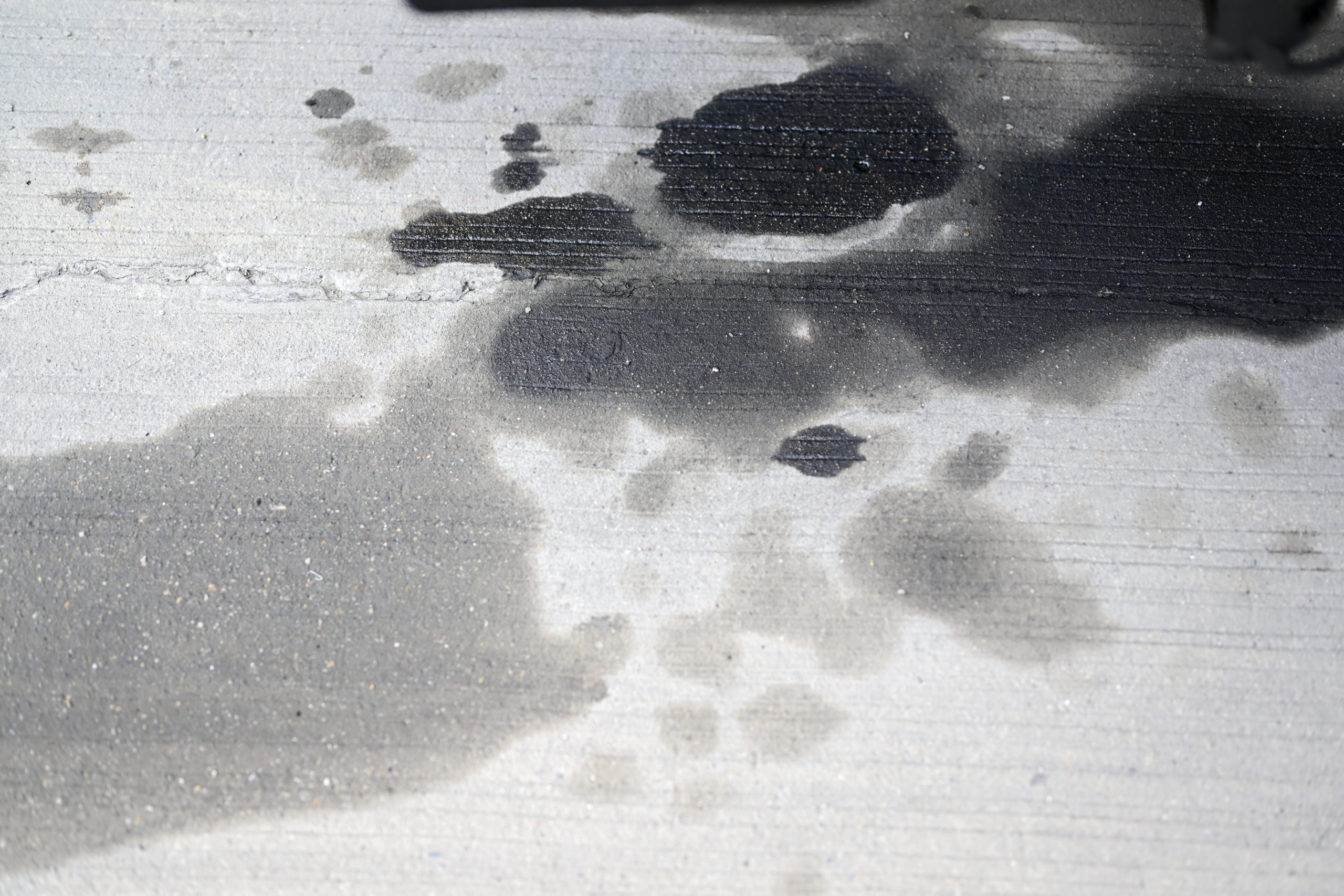
Your car is an investment, and maintaining it in its best running shape doesn’t have to break the bank. Regular car care is your greatest safeguard against those wallet-busting repair bills that come out of nowhere. The caveat is this: what begins with a few drops of fluid on your driveway can grow out of control into full-blown engine damage if you do nothing about it!
These little leaks are tricky. That tiny transmission fluid leak or oil drip will not be an issue now, but issues have a way of creeping up. When your transmission or engine runs out of critical fluids, components start wearing against each other without lubricant. The result? Premature wear, overheating, and eventually, complete system failure.
Identification of the various kinds of fluid leaks, engine oil, transmission fluid, coolant, and brake fluid, is extremely important to your vehicle’s safety and performance. Every fluid is an essential part, and every time its level goes down as a result of leakage, you’re not only creating mechanical conditions.
You’re likely jeopardizing your capability to stop in time, keep your engine at proper temperatures, and have your transmission running smoothly.
Recognizing the Early Indications of Fluid Leaks
Your car is whispering to you, and one of the most apparent messages is staring right at you in your garage or driveway. Those mysterious puddles or spots below your car are not coincidences, these are fluid leaks that must be fixed as soon as possible.
1. Make It a Habit to Check for Leaks
Start off by taking control and checking the car for leaks whenever you go out in your car. Look for new spots or puddles underneath where your car is parked. Different fluids leave different marks: oil is dark brown or black, and transmission fluid most commonly leaves reddish or brown fluid. Tiniest drips count because what begins as little seepage eventually becomes a problem.
2. Inspect the Bottom of Your Vehicle
Get underneath your vehicle and shine a light along the bottom of it. Your transmission pan and oil pan are most likely the culprits when your vehicle is leaking fluids. These metal pans are located at the bottom of your engine and transmission, so they just sit there and get banged up by road trash and weather.
3. Inspect for Rust and Corrosion
Take special note of the transmission pan and these vital parts, which rust and corrode. Rust is reddish-brown or flaking metal, and it’s your warning system. When you start seeing rust develop on pans or surfaces adjacent to them, the metal integrity has already started to deteriorate. Rusting creates weak spots where fluid begins to seep out, initially as minute leakage and eventually as ongoing leak issues that pollute your engine’s health.
Causes and Effects of Transmission and Oil Pan Leaks
Knowing what causes them keeps them from being headaches. Gaskets are required seals between your engine or transmission oil pan and the other parts of your vehicle components. Gaskets made of cork or rubber wear out over time from the constant use of heat, pressure, and liquid chemical action. When a gasket seeps, fluid leaks out at the bad seal, making those Puddles underneath your car.
Transmission pan rust presents an even more serious concern than worn gaskets. When moisture and road salt attack the metal surface of your pans, corrosion eats through the material, creating holes that no amount of gasket maker can fix. The rust weakens the structural integrity of the pan itself, making it impossible to maintain a proper seal even with a brand-new gasket.
Most car owners are guilty of trying to cut costs by replacing the gasket when they find that they have a leak. When your engine oil pan or transmission pan rusts or corrodes, you’re basically applying a band-aid to a gunshot wound. The rusted surface will not give the new gasket a great, flat sealing surface, and within weeks or months, you will be facing the same leak.
Ignoring these leaks has a domino effect of issues. Low fluid levels cause excessive friction and heat, accelerating wear on internal parts. Your transmission slips or doesn’t shift, while low engine oil creates fatal engine damage that will cost you thousands to repair. By replacing transmission pan components at the first sign of an issue, you save your vehicle’s most costly systems from unnecessary harm.
Step-by-Step Guide to Inspecting and Maintaining Vehicle Fluids
Checking your vehicle fluids isn’t a mechanic’s job, you simply require a bit of know-how and attention. Let’s move through the right techniques to check the transmission fluid level with a dipstick and keep your car’s vital fluids in good health.
Checking Your Transmission Fluid
Before lifting the hood, drive your car and let it idle for 5-10 minutes. You need to do a warm-up time so transmission fluid has a chance to be heated to the highest operating temperature, providing you with an accurate reading. With your vehicle in park and engine running on a level ground, locate the transmission dipstick (usually marked by a red or yellow handle).
Pull out the dipstick and wipe it clean with a lint-free cloth, and push it back in all the way.
Pull it out again to check that the level of fluid is between the “MIN” and “MAX” lines.
When the dipstick is pulled out, check the color and consistency of the fluid. Bright red and clear is the color of healthy transmission fluid. Dark brown color, burned smell, or the presence of solid matter indicate that the fluid must be replaced.
Safe Fluid Draining Practices
When draining fluids during maintenance, always drain from a cooled engine to prevent burns. Place a drain pan on the ground under the vehicle prior to loosening any drain plugs. Back slowly away and do not have your face near the opening, fluids can spray. Wear protective glasses and gloves to protect against hot or caustic fluids that can burn skin or irritate eyes.
Importance of Routine Practices in Preventing Leaks and Damage
Car filters are highly critical in preventing contaminants from entering the system and extending the lifespan of its major components. The filters are unable to perform as needed when they get clogged, and toxic particles may be circulated, which leads to damage to seals and gaskets.
The Role of Filter Replacement
Changeover of filters is required in order to maintain your vehicle’s fluids clean from impurities in the long run. A clogged transmission filter, say, may limit the flow of fluid and cause pressure spikes, stressing gaskets and seals, which ultimately leak. It may provide you with smooth fluid flow and catch damaging particles before they reach sensitive parts if you change worn filters to new ones from time to time.
Timing Your Filter Replacement
The best time to replace filter during pan replacement is when you’re already working on your oil or transmission pan. Since you’ll already have the pan out of the way and liquids flushed out in this maintenance work, it’s the ideal time to install a new filter without additional labor cost. This is the practical and thrifty thing to do, you’re working with parts, anyway, so why not maximize the usefulness of your maintenance work?
Preventing Contamination Problems
When you swap out a rusty pan, not replacing the filter is essentially installing new parts but retaining infected filtration. This is the opposite of the goal of your repair efforts. Rather, by using clean fluid with a new pan and filter assembly, you have the best environment that will allow you to maximize the life of your transmission or engine and reduce the opportunity for future leaks due to internal pressure or contamination issues.
Selecting Best-Rated Car Repair Shops for Leak Repairs
When you notice a leak in your car, selecting the proper professional to repair it makes the task done right, or prevents it from becoming a constant issue.
Look for ASE-Certified Technicians
ASE-trained technicians provide tested skills for your car repair services. These individuals have withstood tough testing and ongoing education in order to stay up-to-date with changing automobile technology. You’re not hiring someone who says they know cars, you’re hiring tried-and-true skills.
Choose Certified Auto Repair Facilities
DMV-certified and Federal Trade Commission-approved auto repair shops provide another level of protection for your investment. They maintain valid licenses, carry valid insurance, and maintain high ethical standards of business. They understand the legal requirements of auto repair services and will not cut corners that could compromise your safety or your purse.
Look for Repair Warranties
A reliable repair warranty separates honest shops from shady ones. When a shop places its reputation at stake with a written guarantee, they are demonstrating confidence in its repairs. This guarantee protects you from having to double-pay if something is amiss in the repair procedure itself.
HCS Auto Repair: A Trusted Choice in Springdale, AR
We at HCS Auto Repair in Springdale, AR, live these principles in practice. Since 1988, their ASE-certified mechanics have provided full-service auto repair with warranties that protect your investment. When you call us, you’re calling specialists who understand that your vehicle’s reliability is based on quality components, skilled mechanics, and accountability for what they do.
Safety Precautions When Checking for Leaks and Making Repairs
Your safety will always be of the utmost concern whenever you are working underneath your car. When you need to head under to inspect for leaks or start some form of work on any given component, you will require some protective gear. Safety glasses and gloves are required, not desirable. A fluid spill generally means you will be dealing with hot oil, transmission fluid, or chemicals that will scald your skin or hurt your eyes.
When you’re taking bolts out of an oil pan or a transmission pan, these bolts can be stiff. Too much pressure with inadequate hand protection risks knuckle scratching or more. Gloves are a superior handhold without exposing hands to sharp edges and hot metal.
It’s a sensitive operation to strip off old gasket material. Scrape out residue without hurting the underlying metal surface. Hold your face back and out at a safe distance, and wear your safety glasses, dry gasket material can flake loose any second and go in the direction of your eyes. Use the right scrapers for stripping out gaskets instead of using makeshift scrapers that can slip and hurt you.
Keep in mind: it’s more dangerous to rush and patch leaks up. Take your time, work with the right tools, and never cut corners on safety gear.
Being Aware of Costs and Scheduling Annual Car Maintenance
Knowing how car repair costs are split assists you in making the best decisions regarding automobile maintenance. In leak repair, you’re most often looking at two forms of costs: labor and parts. Gaskets will cost between $10 and $50, depending on your vehicle’s make, and a transmission or oil pan will cost between $50 and $300. Labor will depend on how much work it is, a simple gasket replacement can be an hour, while installing a whole pan with rust damage could be two to three hours of labor.
Scheduling inspections in advance changes your mindset toward your maintenance budget. Instead of being faced with the $800 unexpected repair when your transmission pan finally does go out, you can catch the signs of rust early and have the $300-400 repair done on your timeline. Scheduled appointment times for inspections every 3-6 months enable you to:
- Identify potential issues before they become emergencies
- Budget monthly for anticipated repairs
- Take advantage of off-peak scheduling when shops may offer better rates
- Build a maintenance history that helps technicians spot patterns
Additional Considerations for Comprehensive Car Maintenance
While fluid leaks require your urgent attention, the electrical system of your car also needs equal attention in your maintenance routine. Most drivers only address the mechanical parts, neglecting very important aspects that can strand you just as fast as a negative leak.
Auto electric repair services address problems that aren’t always visible but significantly impact your vehicle’s reliability:
Battery and alternator health – A failing alternator won’t charge your battery properly, leading to unexpected breakdowns
Starter motor function – Electrical issues here mean your engine won’t turn over, regardless of fluid levels
Sensor malfunctions – Modern vehicles rely on dozens of sensors that communicate with your engine’s computer system
Wiring integrity – Corroded or damaged wires create intermittent problems that are frustrating to diagnose
Electrical issues tend to produce hidden warning signs: flickering headlights, sluggish power window function, or dashboard lights. They’re warning signs that your car requires expert electrical diagnosis before a pesky nuisance becomes a costly failure. Electrical repair service and fluid system maintenance are an entire package that guards your investment and keeps you driving securely.
Choose HCS Auto Repair
Your vehicle is an important investment in well-being. Even if minor leaks don’t appear to be such a major issue, they usually mean that larger issues are on the horizon. By being proactive with fluid leakages, being up to date with routine maintenance, and taking care of issues before they become a disaster, you can prevent expensive repairs in the future.
Need to keep your car from breaking the bank with repairs? Our Springdale, AR certified technicians at HCS Auto Repair can help. Noted a suspicious stain beneath your vehicle or require routine service? We will have your car running like new again. Allowed a small leak to become a huge problem? Call us at HCS Auto Repair today at (479) 751-8232 and schedule your appointment.