
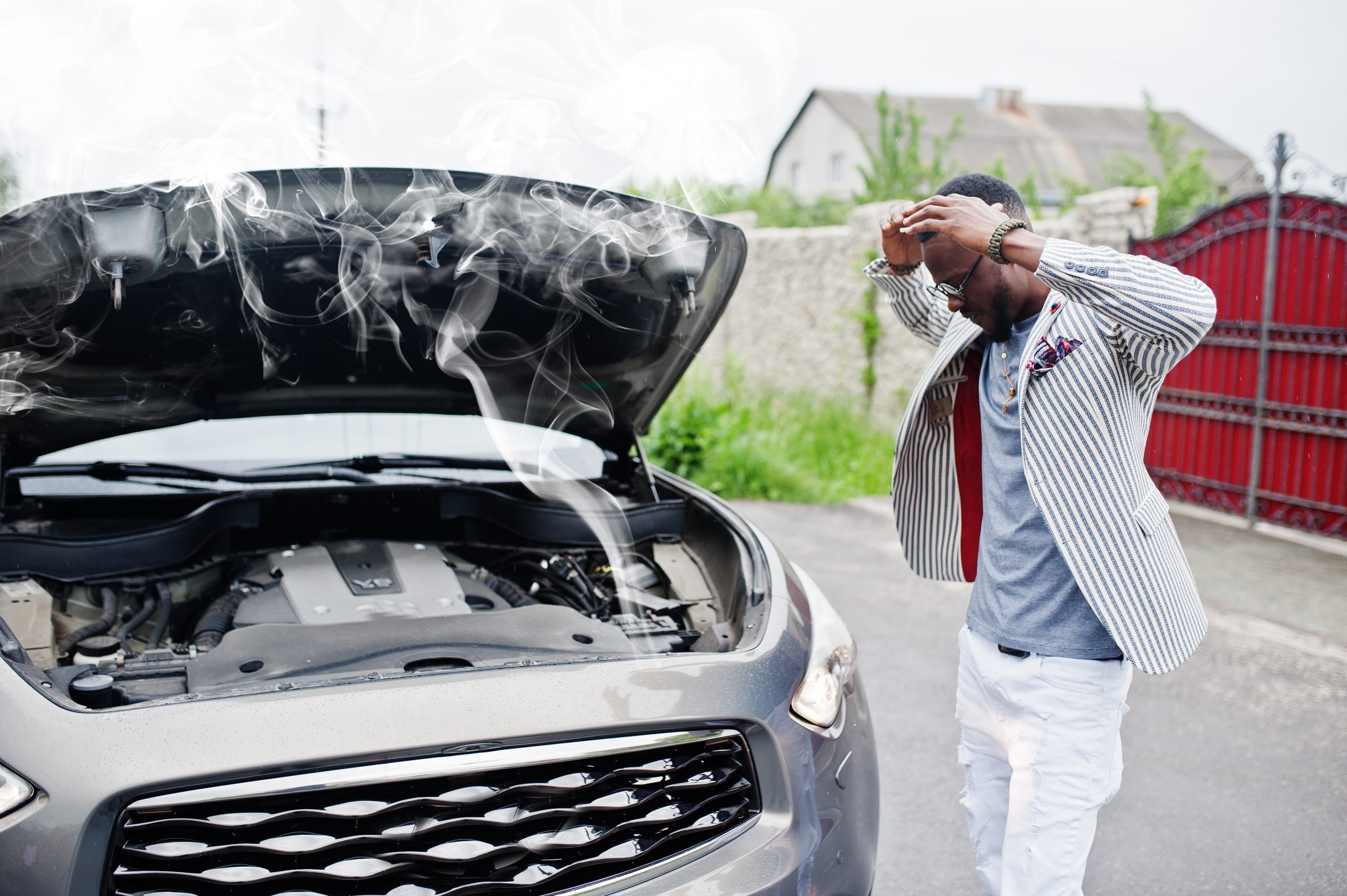
Almost any driver is worried and wondering what is going on when they see unusual smoke from the exhaust or smell something burning under the hood. Car burning oil is a frequent issue, affecting vehicles of all types and ages.
The main signs of burning oil are easy to spot once you know them:
- Blue exhaust smoke, especially noticeable at startup or during acceleration
- A strong, lingering burning oil odor near the engine bay
- Abnormal smoke patterns, unlike normal water vapor
Detecting these symptoms early will save you thousands to repair your engine. When you have burning oil in your car, it is not a minor annoyance—something is amiss. Heeding these warnings can be what keeps your engine from being ruined, along with costly repairs that service would have avoided.
Engines run on proper lubrication; when oil burns too fast, major parts will deteriorate much earlier.
What Burning Oil Indicates in Your Car
If your car is oil-burning, the oil engine is leaking into the combustion chamber, where it shouldn’t be.
Instead of staying in the lubrication system, the oil leaks into the air and fuel and causes the blue smoke that is visible from the exhaust.
This occurs when faulty parts or broken seals allow oil to flow into the areas of burning. The combustion chamber is supposed to contain only a fuel-air mixture. After oil enters, it burns along with gasoline, and this retards combustion efficiency.
Excessive oil consumption leads to several problems:
- Reduced engine power and acceleration
- Poor fuel economy due to incomplete combustion
- Higher emissions and environmental harm
- Carbon buildup on internal parts
The causes of oil consumption range from minor seal wear to major internal issues. A small leak can quickly escalate to catastrophic engine failure if ignored. Your engine requires pure combustion and accurate oil levels to run smoothly, and that is why an early warning saves money on repairs.
Main Causes of Burning Oil
Several mechanical issues may lead to your vehicle burning oil, all of which will need their respective fixes. These causes enable you to sit down with your mechanic and make informed maintenance decisions.
Worn Internal Engine Parts
Piston rings are seals of the piston and cylinder wall. When they deteriorate, oil gaps allow oil to enter the combustion space. Similarly, valve seal failure at the top of the engine allows oil to enter areas where it should not be and mix with fuel when burned.
Worn or damaged cylinder walls make things even worse by facilitating improper sealing and additional paths for oil to pass into the combustion space.
PCV System Issues
The Positive Crankcase Ventilation (PCV) valve regulates crankcase pressure. A stuck or clogged PCV valve builds excessive pressure that forces oil out through seals and gaskets. When the valve is stuck or plugged, it interferes with this pressure balance and forces oil into combustion areas.
Oil Viscosity Issues
Employing incorrect viscosity oil causes lubrication problems throughout the engine. Too thin, and oil flows directly through damaged seals; too heavy, and it flows slowly, both resulting in inadequate lubrication and greater wear.
Heat Damage
Engines are placed under greater stress as they overheat, accelerating the degradation of seals, gaskets, and other parts. Too much heat causes hardening of these components, cracking them and creating new channels for oil to seep into combustion chambers.
Discovering Signs Your Vehicle Is Burning Oil
Early detection of oil-burning symptoms will spare you from costly engine damage. Cars usually exhibit a series of glaring symptoms when they begin to burn plenty of oil.
Visual and Sensory Indicators
The most noticeable symptom is blue smoke when starting up or when accelerating, which is oil being burned in the combustion chamber, far different from white steam or black soot. Another frequent symptom is a burning oil odor near the engine compartment, a pungent, caustic odor which grows stronger with engine warm-up.
Performance and Consumption Changes
Burning oil produces lowered engine performance. The vehicle will start to lag, idle wastefully, or experience loss of power upon accelerating. Repeated refills of oil are also sometimes required between changes, something that cannot be overlooked.
Dashboard and Dipstick Alerts
Pay attention if your oil pressure light comes on, signaling low oil from excessive burning. Regularly check your oil dipstick for:
- Quicker-than-normal drops in oil levels
- Oil that’s dark, burnt, or gritty
- Presence of metal particles or debris
- Odd oil texture or consistency
Such dipstick findings can confirm oil burning before it leads to severe engine trouble.
Diagnosing Burning Oil Issues
A systematic approach is key when you diagnose why your car smells like burning oil. Begin with a thorough visual inspection of these areas:
1. External Leak Check
Look for oil leaks in these spots:
- Around the valve cover gasket for seepage or wetness
- Check the oil filter for tightness and leaks
- Under the vehicle at the oil pan for dents, damage, or drips
- On driveways or parking spots for fresh stains
2. Crankcase Examination
Assess these crankcase factors:
- Ensure oil doesn’t exceed the dipstick’s maximum mark
- Check for abnormal oil consistency or contamination
- Listen for odd engine noises signaling internal wear
Figure out whether your vehicle is burning oil internally or leaking externally. External leaks produce puddles that can be seen and smoke on hot surfaces; internal burning produces blue smoke in the exhaust and high consumption with no visible leaks.
Professional diagnostic methods, e.g., compression testing, leak-down testing, and exhaust analysis, can ascertain whether excessive oil consumption is the result of internal wear parts or external malfunction.
Repair Options Based on Cause
After identifying the root of your burning oil issue, the method to fix the burning oil problem will differ greatly depending on the cause. Your car repair plan should reflect both the severity and location of the problem.
Simple Fixes for Minor Issues
Some burning oil problems are easily resolved:
PCV Valve Replacement – Replacing a plugged PCV valve, typically costing less than $50, may cure pressure oil burning in about an hour.
Oil Grade Correction – Installation of the manufacturer-specified viscosity oil generally avoids low-level oil consumption, particularly in engines with high mileage.
External Leak Repairs – A loose oil filter retightened or a valve cover gasket replaced will fix oil burning caused by external leaks.
Major Internal Repairs
Where parts inside the engine are faulty, repairs are more intensive and expensive:
Piston Ring Replacement – This takes half-engine removal for $1,500–$3,000, depending on your vehicle.
Valve Seal Replacement – Involves the removal of cylinder heads and repairs amounting to $1,000–$2,500.
Cylinder Wall Reconditioning – Severe ones will need replacing or rebuilding of the engine.
The proper solution hinges on proper diagnosis. Replacing a PCV valve, for example, won’t solve burning oil due to valve seals that have been worn out. Proper evaluation ensures you solve the real issue without going through patch-up repairs that may further damage the engine.
Preventing Engine Damage from Burning Oil & Professional Help at HCS Auto Repair
Regular inspections are needed to detect problems before they turn into costly engine repairs. Oil changes on a 3,000–5,000-mile schedule give the technician an early warning system.During service, request checks for:
- Oil level stability between visits
- Engine temperature during operation
- Exhaust smoke color
- PCV valve performance
- Oil filter condition
Prevent overheating effects by monitoring your temperature gauge and promptly addressing cooling system problems. Overheating accelerates wear on piston rings and valve seals.
Take these proactive steps to avoid engine damage from burning oil:
- Use manufacturer-approved oil viscosity
- Replace air filters regularly for optimal airflow
- Address new noises or performance changes immediately
- Keep thorough maintenance records
If you see blue smoke, burning oil smells, or frequent top-offs of oil, professional assistance with burning oil issues is imperative. Here at HCS Auto Repair, our ASE master technicians have decades of diagnostic experience under their belts, from simple PCV valve replacement to sophisticated internal repair.
Our Springdale, Arkansas, auto repair shop does computerized car inspections and reporting details. You will be informed in detail about your car’s condition, repairability, and price. From small leaks to complete engine overhauls, we give your car the proper attention it deserves for reliable longevity.
Choose HCS auto Repair
Don’t risk your vehicle’s performance and life with burning oil. If you notice blue smoke, odors of burnt oil, or repeated oil changes, it is time to call the pros. Our skilled technicians have the experience needed to repair burning oil conditions on vehicles, from PCV valve repair to engine repair.
Worn-out piston rings, cracked valve seals, or leaks? Our ASE-certified master technicians are trained to diagnose and repair your engine issue properly. As your dependable car repair service in Springdale, AR, we’re dedicated to keeping your vehicle safe and reliable.
Ready to solve your burning oil problems? Call us at HCS Auto Repair at (479) 751-8232 for expert diagnostics and repairs that safeguard your engine.