
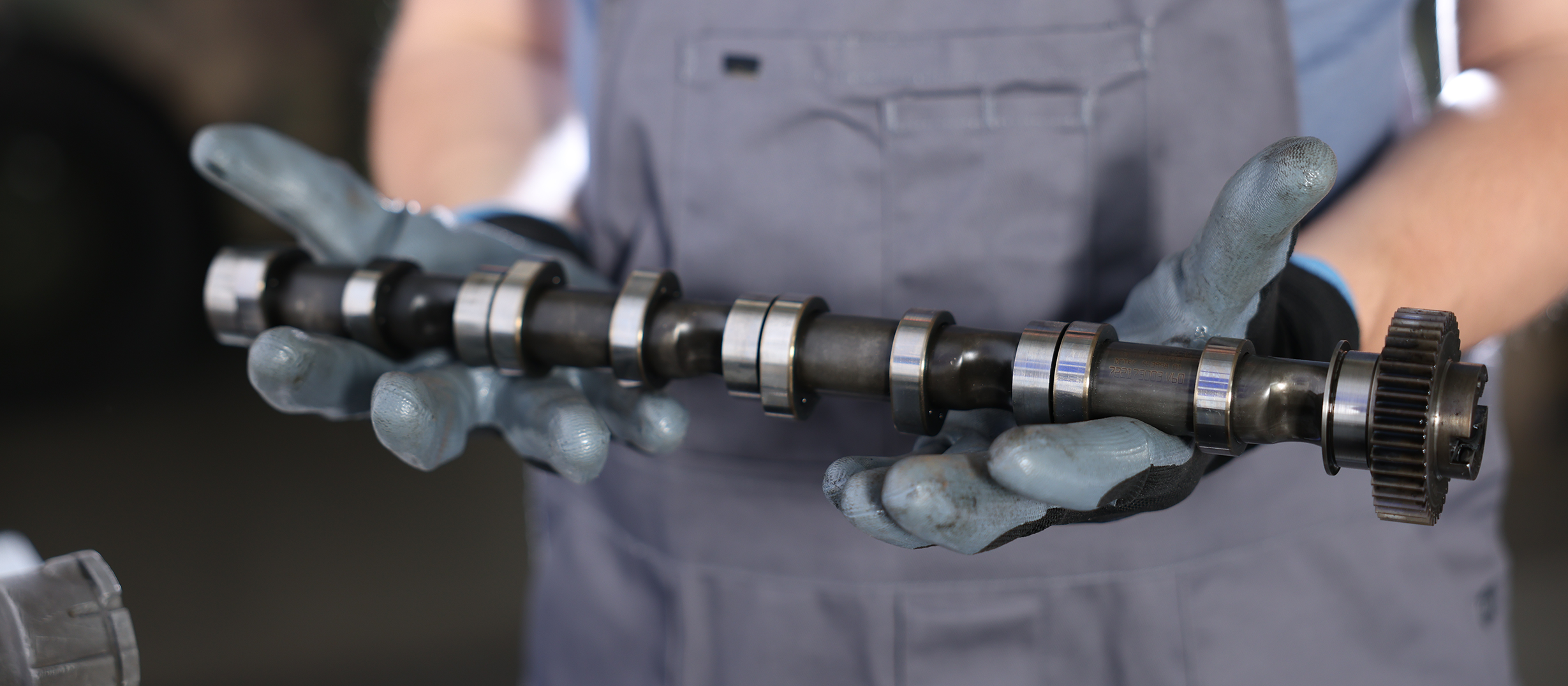
The camshaft of your automobile is a very important part of the engine that works silently and maintains everything in a smooth flow. It controls the timing of the opening and closing of the valves, which, in turn, dictates the intake and exhaust of the fuel. If it is in good condition, you may hardly even notice it, but in case it breaks, then the range of consequences will definitely be from the troublesome to the disastrous.
Detecting the very first symptoms of a bad camshaft early on can save you a lot of money as well as time by not having to go through expensive repair jobs. As a result, the whole situation that begins with a ticking sound, which is almost inaudible, might lead to a complete engine failure if not dealt with. The fixing cost would vary considerably depending on the stage of the problem recognized, being either a minor repair, or total engine replacement.
We’ve witnessed how overlooking camshaft problems can turn a relatively simple fix into a significant financial burden. That’s why we’re sharing everything you need to know about identifying camshaft issues before they leave you stuck.
The Role of the Camshaft for Your Vehicle’s Engine Performance
The camshaft is regarded as one of the most vital engine components. Its primary function is to control the various movements and, consequently, the overall performance of the engine. It can be compared to a conductor of an orchestra who, by opening and closing the valves, determines “who” or “what” can play “when” and “for how long”. This then allows air and fuel to enter the combustion chamber while at the same time, the exhaust gases are expelled.
How the Camshaft Works
The camshaft consists of unique lobes-elevated parts on its axle-that are in contact with the engine’s valves. Their shape has been determined with great precision so that accurate valve opening and closing timings are achieved during the camshaft rotation. This valve timing control has a direct impact on the performance of the engine. In an ideal scenario, the engine operates such that it draws in air, generates a fire, and finally delivers the required power efficiently.
The Camshaft’s Additional Responsibility
In present-day automobiles, the camshaft has yet another major task to perform. In the case of machines with direct fuel injection systems, the camshaft is the one to operate the high-pressure fuel pump. A particular lobe on the camshaft is attached to a tappet, which goes up and down to create pressure for the direct injection system. This holds true for both gasoline engines with direct injection and common rail diesel engines.
Why Is This Important?
The ability of the camshaft to perform both functions – managing valve timing and powering the fuel pump – is peerless when it comes to the efficiency of your engine. Below are the major advantages:
- Optimal valve timing for maximum power and fuel efficiency
- Proper fuel pressure in direct injection systems
- Clean combustion that meets emission standards
- Smooth, reliable engine operation
The camshaft condition deterioration may adversely affect these critical functions. This means it is necessary to spot the difficulties early so that expensive auto repair bills in the future can be avoided.
Common Symptoms Indicating a Bad Camshaft
A deteriorating camshaft will make your car send you a signal through some typical symptoms. If you learn to detect these signs early, they might save you from the expensive auto repair bill that comes later on. The most typical sign of a failing camshaft is strange noises emitting from the top of the engine. You might hear:
Ticking noises that seem to originate from the cylinder head area
Knocking sounds that become more pronounced as you drive
Rhythmic tapping that changes with engine speed
The diagnosis of these noises is not always easy. The intermittence of the noises can be really annoying, as they may come and go without prior notice. The following are the factors that greatly determine when and how the sounds appear:
One major factor is the engine speed, which highly influences the noise. At high RPMs, the ticking is likely to be faster or even totally gone at some low RPMs. The different presentations or intensities of the problem noisily complicate the recognition of the issue, rightly in the early diagnosis stages of car repair.
Oil temperature and viscosity are also factors that can either worsen or alleviate the sound. If the engine oil is cold and thick, the noise might be very soft or not there at all. By the time the oil is hot and thin, knocking or ticking may be quite pronounced. So the noise you hear when the vehicle is cold-started might be a lot different than what you get when the vehicle has been driven for about thirty minutes.
Delays and careful listening for camshaft-related noises make the diagnosis difficult but accurate.

Detailed Signs to Watch For
Noises from the Engine Head
Ticking or knocking sounds in engine noise coming from the cylinder head area point to worn-out camshaft bearings as the main cause. As the camshaft rotates, these bearings provide support, but when they get old, an uneven surface produces a typical knocking sound. The engine oil condition is a key factor influencing how the noises are perceived. Cold and thick oil may briefly hide the sounds, while hot and thin oil might let the worn bearings sound louder since the contact of metal to metal is more obvious.
Detection by sound diagnosis at an early stage can help you avoid costly repair of your engine. In case you spot these noises, most especially if they vary with the speed of the engine, then it’s time to get your car checked. Once you take off the camshaft caps during inspection, you will actually be able to tell how the bearing is by just using your fingernail- if it’s smooth, then it’s healthy, if it’s uneven or rough, then it’s worn out.
Misfires and Poor Engine Performance
The lobes of your camshaft allow the engine’s valves to open and close at the right times. The wear of these lobes diminishes their capability to fully open the valves. This partial valve opening interrupts the combustion process in the engine cylinders, which will eventually lead to misfires that you will certainly detect.
Poor combustion doesn’t just affect your driving experience-it triggers your engine warning light and can cause your vehicle to fail emission tests. The worn cam lobes change the valve timing angles, preventing proper fuel burning and creating a rich fuel mixture that your engine can’t process efficiently. You might experience rough idling, reduced power, or hesitation during acceleration as a direct result of this valve operation issue.
Loss of Fuel Pressure in Direct Injection Systems
Contemporary automobiles equipped with direct fuel injection systems depend on the camshaft to power the high-pressure fuel pump. One of the camshaft lobes pushes a tappet, which in turn drives this pump, producing the fuel pressure required by the injectors. As soon as this particular lobe gets worn out, it fails to generate sufficient pressure, which is particularly troublesome for diesel engines such as the TDI engines from Volkswagen that have gone through this problem.
When the fuel pump is unable to develop adequate pressure, you will feel a significant reduction in power, and there could be misfires. The worn lobe alters the pumping action and your engine is left wanting for the right amount of fuel delivery it needs to function without hiccups.
Presence of Metal Shavings in Engine Oil
The presence of metal shavings in your engine oil is a crystal clear indication of internal component wear. These metal fragments, coming in the form of fine silvery particles, hint that your cam lobes and bearings are being ground against one another, forming debris that is being cycled through your engine. When your valve cover is removed for inspection by the technicians, these metal shavings become apparent and are usually found in small heaps in the corners close to the areas with worn-out bearings.
Operating your vehicle with metal contamination in the oil continues to be a major contributing factor to the damage of its parts. The soft aluminum of the camshaft and the head gets gradually removed due to the friction on them, and the shavings of aluminum are created at both places. Such contamination may migrate to other engine parts, turning a camshaft repair into an extensive and costly job.
The Potential Consequences of Ignoring Camshaft Problems
If you detect the warning signs but still continue driving the car, damage to the car parts will take place pretty fast. It can start with a minor ticking noise coming from the camshaft bearing, which can escalate to a complete engine seizure. The bearing can degrade to such an extent that the camshaft just stops rotating, instantly locking up the entire engine.
The aluminum cylinder head is subject to a lot of wear, too. As the camshaft wears and tears, it continuously grinds the housing made of aluminum, which is the less durable material. Eventually, you will be forced to obtain a new camshaft as well as a replacement or a very extensive machining of the present cylinder head, turning what might have been a simple repair into a huge overhaul.
Costly repairs multiply when you ignore the symptoms:
- A $500-800 camshaft replacement becomes a $2,000-4,000 engine rebuild
- Metal shavings circulate through your oil system, damaging other components
- Variable timing solenoids and timing chains require replacement due to contamination
- In severe cases, complete engine replacement becomes the only option
The price difference between early camshaft issue correction versus waiting for total failure can actually be in thousands of dollars. Your engine does not give unlimited signals-each mile with a failing camshaft means you’re coming closer to irreversible damage.
Preventive Measures and Professional Inspection Recommendations
Regularly visiting the mechanic for a car repair, with the camshaft being the main focus, can save you thousands on engine repairs. Having preventive maintenance done regularly every 30,000 to 50,000 miles lets skilled techs identify the early warning signs before they explode into major issues.
Inspections by ASE-certified professionals give the required know-how to detect minor camshaft problems. Our seasoned team is aware of the exact locations of metal shavings, bearing wear, and lobe damage during routine service visits and can detect problems that may be unnoticed in a rapid oil change operation.
Between scheduled visits, you play a vital role in monitoring your vehicle’s health:
Listen carefully for any ticking or knocking sounds coming from the engine, especially during cold starts
Pay attention to changes in engine performance, including rough idling or hesitation during acceleration
Watch for warning lights on your dashboard, particularly check engine lights or oil pressure indicators
Note any decrease in fuel efficiency, which can signal valve timing problems
Regular inspections can detect early problems and turn them into either manageable repairs or even no repairs at all.
What are the advantages of HCS Auto Repair for Camshaft and Engine Repairs?
We have been the top choice in Springdale for first-class automotive repair service since 1988. Our expansion from a tiny workshop to the current location in 2013 is a testament to our commitment not only to you but to the whole community as well. You need a team that not only notices the signs but also knows exactly how to fix them.
Our technicians, who are ASE certified, have a vast range of experience, which they share every time they diagnose and repair a camshaft. We know that camshaft problems take a lot of knowledge plus skills-from spotting slight bearing wear to working out complicated timing system failures. Your car will get the same thorough care whether you need an inspection or a new camshaft fitted.
For us, you’re not just another customer-you’re a friend and a customer for life. Our skilled team approaches each camshaft-related issue with:
- Thorough diagnostic procedures using professional-grade equipment
- Transparent communication about what your vehicle needs
- Efficient repairs that get you back on the road quickly
- Affordable solutions without compromising quality
Choose HCS Auto Repair
The camshaft of your car is a very important part of the engine, and the early detection of bad camshaft symptoms will prevent you from having to pay a high price for repairs in the future. If you have experienced any of the aforementioned warning signs-strange noises, misfiring, power loss, or the illumination of the engine light-do not wait for the situation to get worse.
We at HCS Auto Repair is the place where you can receive professional car repair service that Springdale, AR, residents have faith in. Our certified ASE technicians have the expertise and capability to accurately diagnose camshaft problems and suggest the least expensive way out. We will allow no distinction between a routine check-up and complicated engine repairs; we regard every customer as our kin and every car as a sacred entity.
Give us a call us now today at (479) 751-8232! Our proficient staff will deliver the dependable diagnostics and top-notch repair services that will enable your car to function without hitches for many years.