
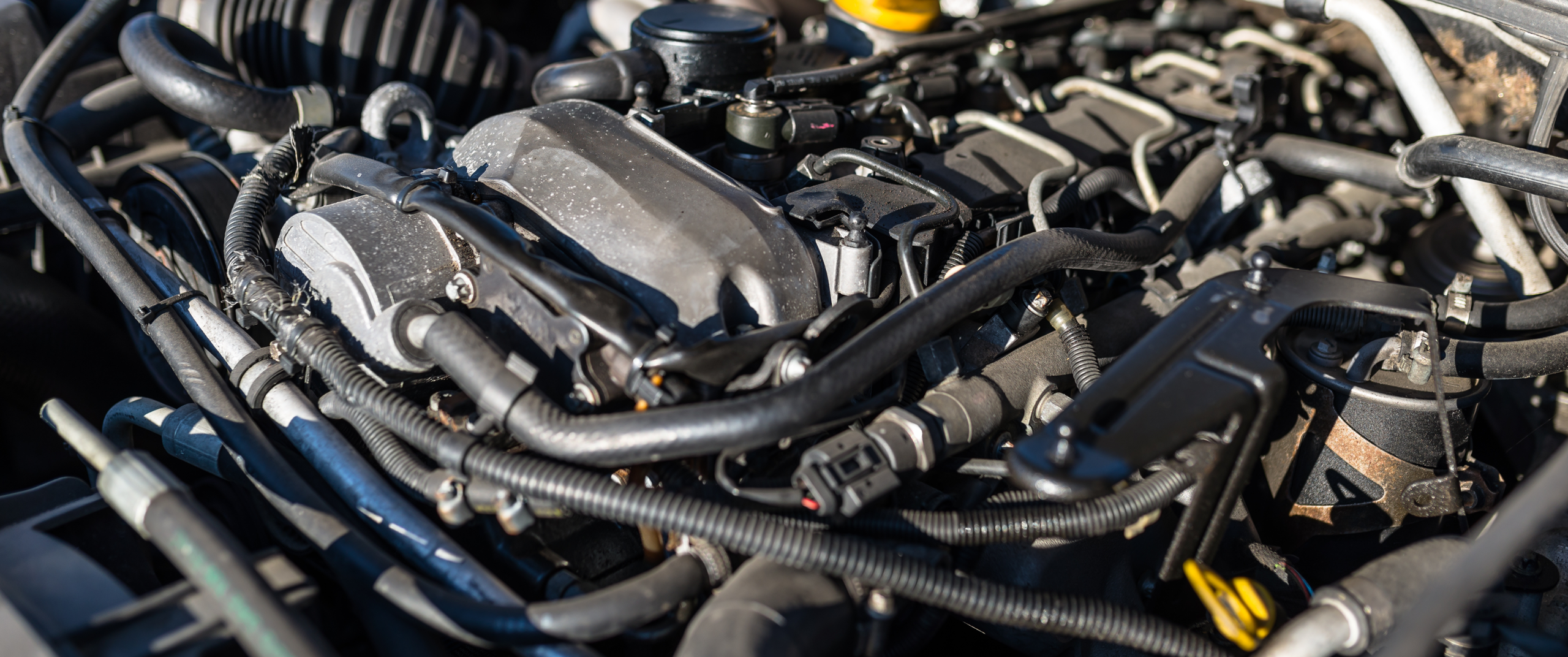
Your engine roars like a trained orchestra when every part is working in tandem to get you on your way. Between pistons rising and falling to valves opening and shutting just at the right time, the engine block that holds it all together, and the timing belt that facilitates all of this movement, every part is important for your car to go.
One vital component that is most likely to be overlooked is the crankcase. It is tucked away from this mechanical orchestra and works behind the scenes to maintain your engine properly lubricated and running well.
Picture the crankcase as the guardian of the most critical components of your engine. Not only does it provide them with a cozy place to live, but it also serves as a lubrication system, so that pieces can roll around with less friction and maximum performance. If this hard piece is jammed into a bind, you might find yourself stranded on the side of the road or having issues starting your car.
By understanding how the crankcase assists your engine, you’ll be better able to identify problems sooner and keep your car in overall better condition.
What Is a Crankcase?
A crankcase is actually just a cover for your engine, situated between the engine block. It has been constructed in order to cover and protect some of the most vital components of your engine.
What Does a Crankcase Do?
The primary role of the crankcase is to be a housing part that contains and protects major engine parts and keeps them away from external conditions. Under this protective setting, you can find:
Crankshaft – The unit that translates the pistons’ back-and-forth motion into rotary power
Camshaft – The system that controls the opening and closing of valves in your engine
Oil pan – Tank for lubricating oil in wet sump systems
What Impact Does the Crankcase Have on Engine Performance?
But beyond merely supporting these parts in their places, the crankcase is an active aid to keeping your engine performing at peak levels by lubricating its moving parts. This lubricating system prevents moving parts from rubbing against one another, and this could lead to wear and tear and cause the temperatures to rise. The crankcase can hence be said to be a supporting system to your engine’s internal parts, as well as providing the right lubrication for easy running.
The Significance of Oil Pan in Wet Sump Engines
In wet sump engines, which are commonly found in most passenger vehicles, the oil pan takes on special significance as it stores the engine oil that gets circulated throughout the entire system.
Key Components Housed Within the Crankcase
Your crankcase contains some very crucial elements that, in combination, make your vehicle move.
1. Piston
The piston is one of the most dynamic components in this setup. It goes up and down in the cylinder to produce the burning mechanism that makes your vehicle move. These types of pistons are directly attached to the crankshaft in the crankcase, turning the linear motion into rotational energy.
2. Valves
Valves also come in handy for this synchronized motion. Intake valves provide for the admission of the fuel-air mixture into the combustion chamber, and exhaust valves provide for spent gases to escape. They are controlled by the camshaft, which we have already mentioned as another notable resident of the crankcase.
3. Timing Belt
The timing belt is the maestro of this mechanical symphony, keeping all the moving elements singing in complete harmony. The timing belt connects the crankshaft and camshaft, ensuring that it is properly timed so the valves open and close exactly the right moment during every piston cycle. When the timing belt sings with these elements, your engine delivers smooth, responsive power that keeps you cruising down the highway.
The Function of the PCV Valve Crankcase Venting
Positive crankcase ventilation is your engine’s respiratory system that keeps foul-smelling exhaust fumes from entering your engine oil. During the combustion process, waste gases always pass the piston rings into the crankcase. If your crankcase is not ventilated, these waste gases would enter your oil and form heavy sludge, which would severely harm your engine.
The PCV valve is a one-way valve, aerodynamically directing airflow to keep the crankcase pressure in its best condition. It is a powerful little piece of machinery that keeps contaminated air out of the crankcase and clean air from entering the wrong pathway. It’s basically your quality control system for the engine, keeping the oil clean and inner parts well-lubricated.
Understanding the PCV valve’s purpose and signs helps you identify issues at an early stage:
- Whistling or hissing sounds under running conditions
- Decreased vehicle performance and wild idling
- Increased oil consumption between services
- Check the engine light illumination on your dashboard
Regular PCV valve maintenance prevents costly engine repairs and keeps your crankcase running smoothly.
Types of Crankcases and Applications
Knowing the types of crankcases in existence allows you to understand your engine lubrication system better. The automobile sector mainly has two different kinds of crankcases with differing attributes that impact engine performance and maintenance needs.
Wet Sump Crankcases
The wet sump and dry sump crankcase comparison begins with wet sump systems, where oil is stored in the oil pan at the bottom of the crankcase. Gravity pulls the oil in the pan here, which the oil pump pumps back up to lubricate engine parts. The oil is pumped down to the pan, forming a circulating loop.
Most passenger vehicles rely on wet sump crankcases, particularly those equipped with four-stroke engines. This system offers several advantages:
- Simplicity: Fewer components mean lower manufacturing costs
- Compact design: Takes up less space in the engine bay
- Cost-effective maintenance: Standard oil changes are straightforward
Dry Sump Crankcases
Dry sump systems store oil in an independent reservoir tank instead of in the crankcase per se. Several pumps control oil flow – scavenge pumps remove oil from the crankcase, and a pressure pump sends oil to engine components. This setup keeps oil away from starvation during hard driving and can accommodate a lower engine mounting position.
Indications of Evidence of Crankcase Malfunction or Damage
Catch crankcase problems before they become expensive to fix and result in engine failure. Your vehicle’s diagnostic system will generally illuminate crankcase problems as a flashing check engine light, the first sign that something needs to be addressed right away.
Physical Symptoms
Physical symptoms become apparent when crankcase problems develop:
Oil leaks around the engine area indicate potential seal failures or cracks in the crankcase housing
Visible oil puddles beneath your parked vehicle suggest compromised crankcase integrity
Oil residue on engine components points to internal leakage issues
Performance-Related Symptoms
Performance-related symptoms manifest as your engine struggles to operate efficiently:
- Stalling during idle or while driving
- Difficulty starting your vehicle, especially during cold weather
- Rough idling or irregular engine rhythm
- Uncommon noises such as knocking, grinding, or unusual vibrations emanating from the engine bay
These warning symptoms usually appear at the same time, exhibiting a pattern easily recognizable by competent technicians. The severity of symptoms usually follows the severity of crankcase damage, and early diagnosis is necessary to avoid further engine problems.
Professional Crankcase Repair and Maintenance Tips
For crankcase repair advice, attempting DIY repair will result in expensive errors and risk. The crankcase has a great many vital elements, such as the crankshaft, camshaft, oil pan, and PCV valve system. All the components have to be assembled correctly and possess precise torque values, which have to be dealt with by a professional hand and the proper tools.
Professional auto repair becomes essential because:
- Removing a crankcase requires dismantling significant portions of your engine
- Improper reassembly can cause catastrophic engine failure
- Contamination during repair can compromise oil circulation systems
- Timing components need to be properly synchronized when reinstalling
Reliable mechanics have the expertise required for extensive car service work, from transmission repairs to finish engine overhauls. Their diagnostic tools will not only detect problems that don’t readily appear, but also those that are not that easy to find.
HCS Auto Repair has been a part of Springdale’s community since 1988, with a reputation for quality and customer confidence. Our ASE-certified mechanics have an understanding of the intricacies of modern-day engine systems and provide sound answers to complex crankcase issues. We treat every customer like family, and your vehicle will receive the professional attention it deserves.
Choose HCS Auto Repair
Knowing your crankcase gives you the power of making sound decisions regarding your car’s wellbeing. Through this car repair 101 tutorial, you have learned how this powerful piece plays the central role of being the backbone of your engine’s functionality, safeguarding precious components and providing smooth operation.
When crankcase problems occur, you’d prefer skilled technicians who are familiar with the idiosyncrasies of newer engines. The ASE-certified mechanics at HCS Auto Repair apply decades of combined experience to each repair and diagnostic process. We’ve been based in Springdale since 1988 and have established long-term relationships with customers who know we’ll have their cars running safely and efficiently.
Don’t be stranded on the side of the road with crankcase issues. Call HCS Auto Repair today at (479) 751-8232 for honest service with you back on the road with confidence.