
Every time you hit a bump or drive on a rough road, your suspension system is working hard to protect you and your vehicle. This important part connects your vehicle’s body to the road, soaking up shocks and keeping your ride smooth and steady. When your suspension is in good shape, you hardly notice the bumps in the road, but when there’s a problem, every pothole becomes a painful reminder.
Regular suspension repair and maintenance are not just about comfort; they’re essential for your vehicle’s health and your safety on the road. A well-maintained suspension system ensures proper tire contact, responsive handling, and reliable braking performance, all crucial elements that keep you and your passengers safe during every journey around Springdale.
Understanding the Vehicle Suspension System
Your suspension system is more complex than you might think. It’s not just one part, it’s a carefully engineered network of components that work in harmony to keep you comfortable and safe on the road.
Key Components of a Suspension System
Shock Absorbers: Control the bouncing motion of your vehicle’s springs. When you hit a bump, the springs compress and expand, and the shocks dampen that movement to prevent excessive bouncing.
Struts: Serve a similar purpose as shocks but also provide structural support for your vehicle’s suspension assembly.
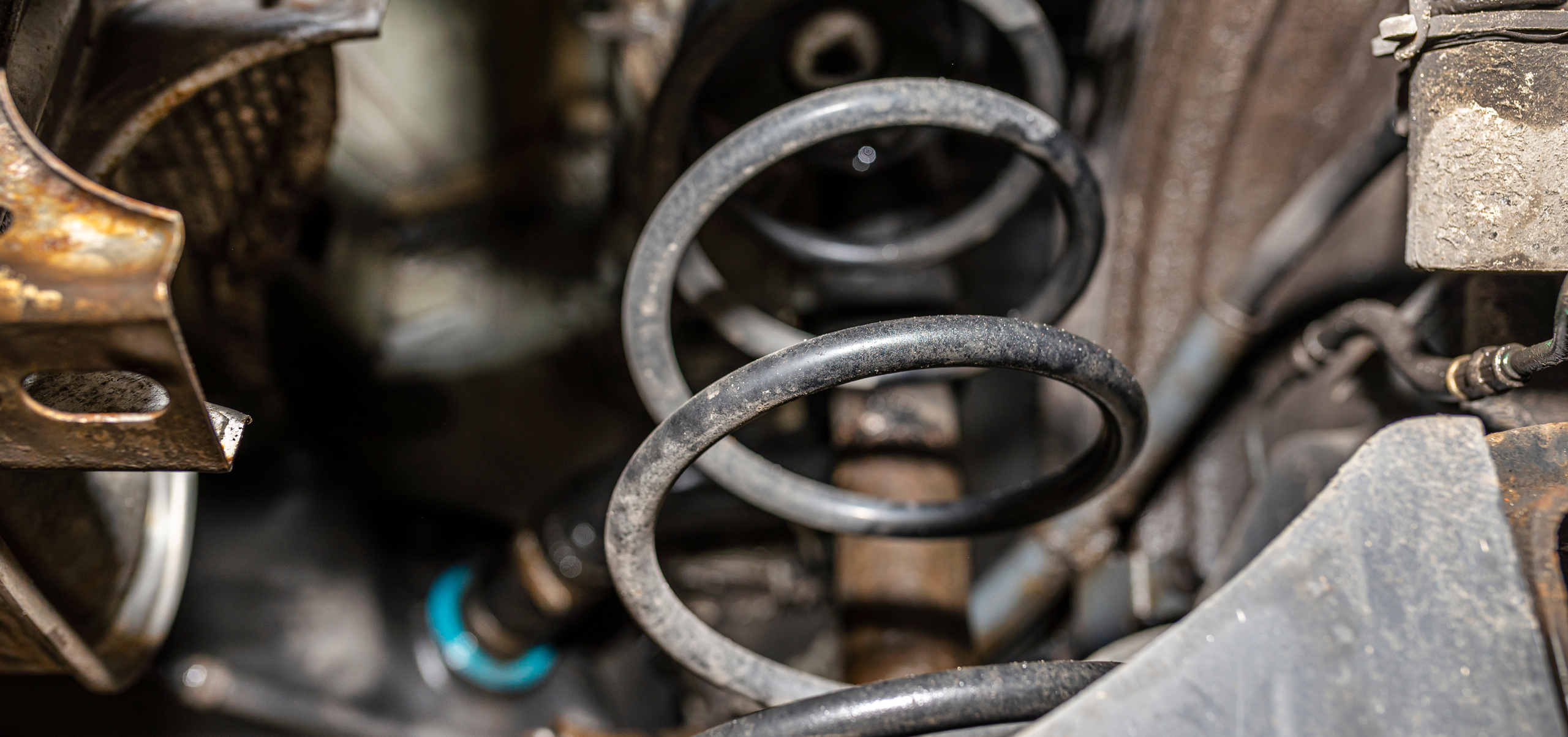
Springs: Whether coil, leaf, or torsion bar, bear the weight of your vehicle and absorb the initial impact from road irregularities. They compress when you hit a bump and release that stored energy to push the vehicle back up.
Control Arms: Connect your vehicle’s frame to the wheel assembly, allowing your wheels to move up and down while keeping them properly positioned.
Bushings: Rubber or polyurethane cushions that sit between metal suspension parts, reducing friction and absorbing small vibrations.
Linkages: Connect various suspension components, ensuring they move in sync.
Tires: Serve as the final contact point, and proper suspension function keeps them firmly planted on the road surface.
How These Components Work Together
When these components work together seamlessly, you experience smooth driving with responsive handling. Your vehicle absorbs bumps without transferring harsh jolts to the cabin, and your tires maintain optimal contact for better traction, steering precision, and braking performance.
Common Signs Indicating Suspension Repair is Needed
Your vehicle often communicates problems before they become serious safety hazards. Recognizing the signs of suspension failure early can save you from costly repairs and keep you safe on Springdale roads.
1. Bumpy, Rough Rides
Does your car feel like it’s bouncing excessively after hitting a bump? If you’re feeling every pothole and crack in the road, your shock absorbers or struts are likely worn out. A healthy suspension should absorb these impacts smoothly, not transfer them directly to your body.
2. Car Pulling to One Side
When your vehicle drifts left or right while you’re driving straight, it’s sending you a clear message. This pulling to one side can indicate misalignment issues, but worn suspension components often contribute to this problem. The suspension can’t keep your wheels properly positioned when parts are damaged or deteriorated.
3. Nose Dives and Rear Squats
Pay attention to how your car behaves during braking and acceleration. If your vehicle dips forward dramatically when you brake or squats backward when you accelerate, your shocks or struts are failing to control body movement properly.
4. Uneven Tire Wear
Check your tires regularly for unusual wear patterns. Poor suspension balance puts extra strain on specific areas of your tires, causing them to wear unevenly. This not only shortens tire life but also affects your vehicle’s handling and safety.
5. Oily Shocks or Struts
Visible oil leaks on your shocks or struts signal component failure. These parts rely on hydraulic fluid to function, and leaks mean they’ve lost their ability to dampen road impacts effectively.
Consequences of Ignoring Suspension Issues for Vehicle Safety and Performance
The effects of ignoring suspension issues extend far beyond an uncomfortable ride. When you postpone necessary repairs, you’re putting yourself and your passengers at serious risk every time you get behind the wheel.
1. Compromised Steering and Traction
Poor handling due to suspension problems becomes most dangerous when road conditions deteriorate. Worn shocks and struts can’t keep your tires properly planted on the pavement, which means you lose the traction needed to navigate safely. On wet roads during Springdale’s rainy seasons or icy conditions in winter, this loss of control can happen in an instant. Your vehicle may feel unresponsive when you try to steer, making it difficult to avoid obstacles or maintain your lane.
2. Extended Stopping Distances
A failing suspension system directly impacts your braking performance. When your shocks can’t control the weight transfer during braking, your vehicle takes longer to come to a complete stop. Those extra few feet could mean the difference between a close call and a collision. This increased stopping distance becomes even more critical in emergency situations where every second counts.
The Suspension Service Process at HCS Auto Repair:
When you bring your vehicle to HCS Auto Repair, our ASE-certified technicians begin with a comprehensive inspection of your entire suspension system. We don’t just look at the obvious components, we examine every part that contributes to your ride quality and vehicle stability.
Our suspension diagnostics process includes:
Visual inspection of shocks and struts for leaks, damage, or excessive wear
Hands-on testing of bushings and control arms to detect looseness or deterioration
Bounce test to evaluate shock absorber performance
Road test to identify handling issues, unusual noises, or vibrations
Computerized diagnostics when needed to pinpoint electronic suspension system issues
We check mounting points, linkages, and connections for signs of stress or failure. Each component gets individual attention because a problem in one area often affects the entire system. Our technicians document their findings and provide you with clear explanations of any issues discovered, along with honest recommendations for repair or replacement. You’ll understand exactly what your vehicle needs and why it matters for your safety.
Importance of Regular Suspension Maintenance in Vehicle Care Routine
Your suspension system deserves the same attention you give your oil changes and tire rotations. We recommend adding suspension inspections to your maintenance schedule at least once a year or every 12,000 miles, whichever comes first. This proactive approach keeps your vehicle running smoothly and helps you avoid unexpected breakdowns.
Think of regular suspension maintenance schedule checks as an insurance policy for your vehicle. During these routine inspections, our technicians can spot worn bushings, leaking shocks, or weakening springs before they fail completely. Catching these issues early means you’re dealing with a $200 repair instead of a $1,000 emergency fix down the road.
Early detection also protects other parts of your vehicle. When one suspension component starts failing, it puts extra stress on your steering system, tires, and frame. A small investment in regular inspections can save you from compounding damage that affects multiple systems. Your vehicle will handle better, brake more effectively, and deliver the comfortable ride you expect every time you get behind the wheel.
Tips for Extending Suspension Life Through Careful Driving and Maintenance Practices
Your driving habits directly impact how long your suspension components last. While regular inspections catch problems early, being mindful behind the wheel can prevent many issues from developing in the first place.
1. Watch the road ahead.
When you spot a pothole, do your best to avoid it or at least slow down before hitting it. Potholes create sudden, jarring impacts that put enormous stress on your shocks, struts, and springs. The same goes for speed bumps, taking them slowly gives your suspension time to compress and absorb the impact gradually rather than all at once.
2. Respect your vehicle’s weight limits.
Overloading your car or truck strains every part of your suspension system. Check your owner’s manual for the maximum load capacity and stick to it. Hauling heavy loads regularly without proper suspension support accelerates wear on springs and shock absorbers.
3. Stay on top of wheel alignments.
Misaligned wheels force your suspension components to work harder than they should. If you notice your steering wheel pulling to one side or uneven tire wear patterns, schedule an alignment check. This simple service prevents unnecessary stress on control arms, bushings, and other suspension parts.
4. Rotate your tires regularly.
Balanced tire wear keeps your suspension working evenly across all four corners of your vehicle. Uneven tires create an imbalanced load that wears out suspension components faster on one side than the other.
Why Timely Suspension Repair is Critical for Safety and Vehicle Health
Learning why timely suspension repair is critical for safety and vehicle health comes down to understanding one simple truth: your suspension isn’t just about comfort, it’s about control. When you respond quickly to warning signs like excessive bouncing, pulling, or uneven tire wear, you’re protecting your ability to steer accurately and stop effectively. These aren’t luxuries; they’re necessities that keep you and your passengers safe on Springdale roads.
Every day you drive with compromised suspension components, you’re putting unnecessary stress on other systems in your vehicle. What starts as a worn shock absorber can cascade into alignment problems, premature tire replacement, and even steering system damage. The cost of auto repair multiplies when small issues become major failures.
Your vehicle’s suspension system deserves the same attention you give to oil changes and brake inspections. Smooth rides ahead: the role of suspension repair in vehicle maintenance isn’t just a catchy phrase, it’s a commitment to proactive car repair that saves you money and protects what matters most.
At HCS Auto Repair, we’ve been earning the trust of Springdale drivers since 1988. Our ASE-certified technicians bring decades of combined experience to every suspension diagnostic and repair. We don’t see you as just another appointment on the schedule; we see you as a neighbor who deserves honest answers and quality workmanship.
Don’t wait until a rough ride becomes a safety hazard. Schedule an appointment today by calling (479) 751-8232. You deserve a reliable car that delivers both comfort and safety on every journey, and we’re here to make that happen.