
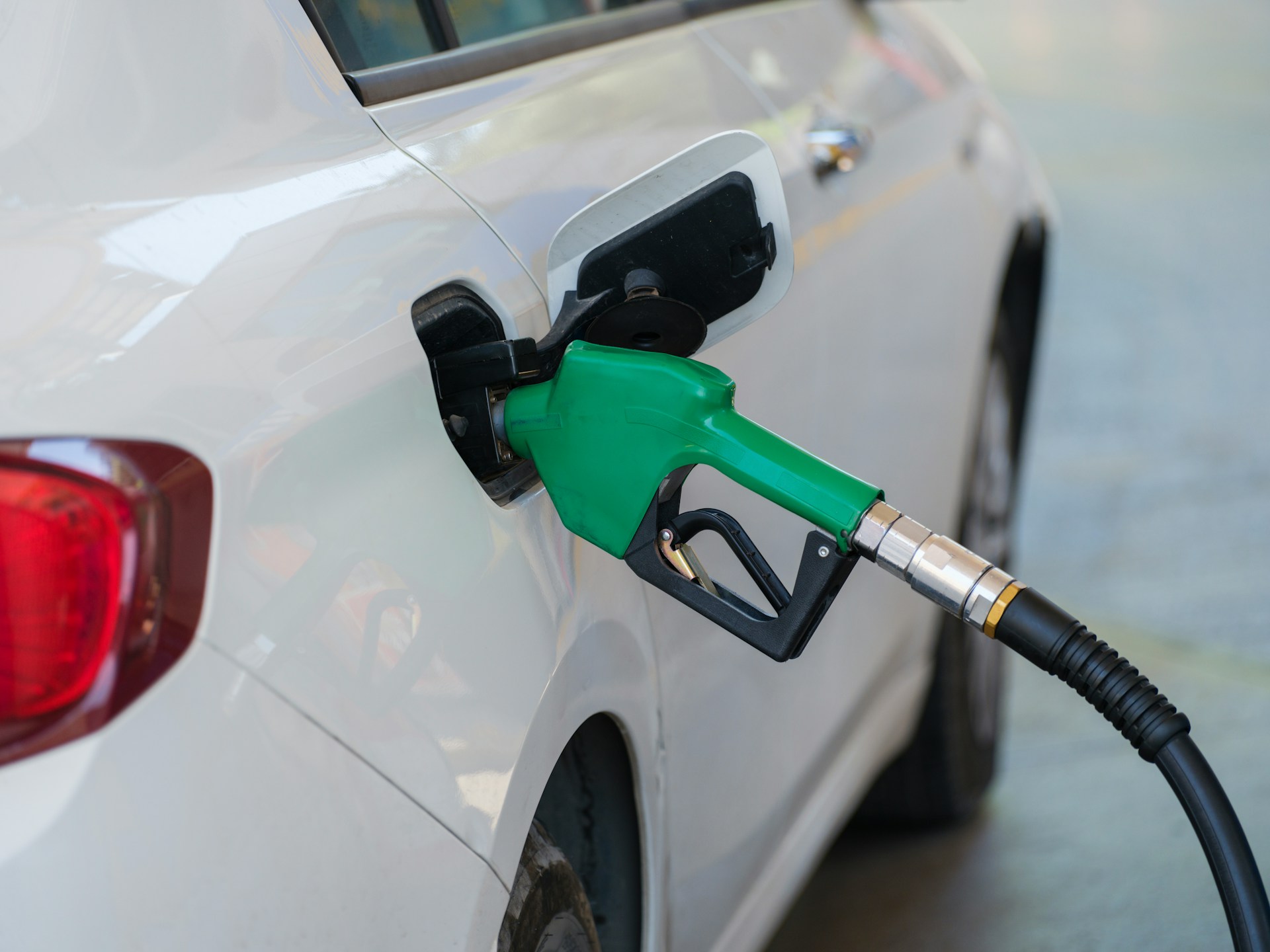
Winter driving involves its own challenges that can contribute to a very different role in the performance and fuel efficiency of your vehicle. Your vehicle must double its efforts to deliver a great performance, consume more fuel, and even develop mechanical faults that can set you back by as much as hundreds of dollars in repair.
Save your vehicle from winter’s cruelty by adopting preventive maintenance. If you have your automobile adequately prepared a few months in advance in the fall, not only do you save on fuel expenses, but you also extend the life of your automobile and steer clear of costly breakdowns when you need the most dependable transportation. Cold weather, unless checked, affects battery performance, tire pressure, and fluid consistency, and reduces fuel efficiency by as much as 20%.
In this complete guide, you’ll discover how smart fall car care can prepare your car for winter struggles and enhance fuel economy. You’ll discover precise maintenance steps that reverse the impact of cold on your car’s systems, proven driving methods to optimize fuel consumption, and valuable insights from ASE-certified mechanics. By becoming ready smart today, you’ll save a fortune all winter long.
Understand How Cold Weather Affects Fuel Economy
In winter, your car is exposed to a set of conditions that directly influence gas mileage. Low temperatures present an ideal condition that can lower your miles per gallon by as much as 20% or more, and therefore, it is essential to learn about these effects before the winter season begins.
Battery Performance Deteriorating
The effects of cold weather on battery capacity are instant and dramatic. When mercury falls, chemical activity in your battery happens at rates that are radically slower, cutting its ability to deliver power. A battery that is great in summer may not be able to supply enough starting power once it drops below zero. The lower efficiency causes your alternator to have to work harder, burning additional fuel to power electrical systems.
Tire Pressure and Rolling Resistance
Cold temperatures lose tire pressure around 1-2 PSI for every 10 degrees of temperature drop. Under-inflated tires struggle against the road more, which makes your engine work harder to maintain its speed. This minute pressure loss can lower your gas mileage by 3-4%, which amounts to thousands of dollars in winter fuel savings.
Fluid Viscosity Changes
Engine oil, transmission fluid, and other most important lubricants become extremely thick when cold. Your engine has to struggle to pump these thick fluids, particularly at cranking when they’re thickest. This extra drag translates directly into increased fuel usage during that critical warm-up phase and reduced efficiency until working temperatures are established.
Critical Fall Car Care Steps to Improve Winter Fuel Economy
Switching to the correct oil viscosity is a big improvement in cold driving. Winter-weight oils are thinner when cold, putting less stress on the engine and conserving fuel. Your engine works harder to push thick oil around, burning more fuel in the process. Get your oil change in the fall with a trained tech who can recommend the best viscosity for your car and your local weather.
Critical Fluid Level Checks for Peak Performance
Your vehicle relies on multiple fluids that require attention before winter arrives:
- Transmission fluid: Ensures smooth shifting and prevents costly transmission damage
- Coolant: Maintains proper engine temperature and prevents freezing
- Power steering fluid: Keeps steering responsive in challenging conditions
- Brake fluid: Essential for safe stopping power on slippery surfaces
- Windshield washer fluid: Maintains clear visibility through winter weather
Battery Testing Before Winter Strikes
Cold temperatures also wear down battery power, decreasing the capacity by up to 50%. A pre-winter battery check finds weak batteries that will leave you stranded. Professional testing reveals your battery’s actual condition and charging system efficiency, so you can replace it in advance rather than on a cold morning breakdown.
Tire Inspection for Wet Roads and Winter Safety
Correct tire check for rainy conditions focuses on two critical areas: tread depth and air pressure. Old tires raise rolling resistance, fuel use, and reduce safety. Inspect to ensure tread depth is to specification and also for irregular patterns of wear. Keep the tires at the perfect level of pressure throughout a season because cold air will cause pressure to fall, which is a factor in poor fuel efficiency.
Brake System Inspection for Safety and Performance in Rainy Weather
As winter draws near, it’s essential to check your braking system. This has a direct impact on safety and fuel efficiency. When your brakes are in good working order, you can accelerate slowly and prevent sudden jerks and stops that consume gas. Consistent brake response also assists you in cruising steadily, which maximizes fuel usage.
Key brake components requiring fall inspection include:
Brake pads – Worn pads create uneven braking that forces you to press harder, leading to jerky driving patterns
Brake rotors – Warped or damaged rotors cause vibration and inconsistent stopping power
Brake fluid – Low or contaminated fluid reduces braking responsiveness
Wet and slippery conditions require responsive brakes to prevent rough braking maneuvers that burn fuel. When you can rely on your brakes to brake smoothly and consistently, you’ll drive more efficiently as a matter of course. Catching brake problems early means you’ll avoid costly repairs and keep your vehicle operating in a stable way that it must in order to master winter fuel economy and save substantially this coming season.
Maintenance for the Cooling and Exhaust System for Peak Performance
Your cooling system check fall maintenance is important in order to keep your fuel economy high through the cold winter months. If your cooling system can’t effectively control engine temperature, your engine has to work harder and burn more fuel to make up for the loss.
Your radiator is the primary heat exchanger for your engine, and clogs or damage will cause your engine to operate hotter than it needs to. During fall maintenance, technicians examine the radiator for:
- Coolant leaks or corrosion
- Blocked cooling fins that restrict airflow
- Proper coolant levels and mixture ratios
Your water pump circulates coolant around the engine block, avoiding dangerous overheating that cuts or worse gas mileage. If your water pump goes out, your engine develops hot spots and incurs a lot more fuel for less power.
The exhaust system is synchronized with your cooling system in order to maintain the engine at optimal levels. A functioning exhaust system maintains the engine capable of breathing naturally, and this directly contributes to the efficiency of fuel combustion. Rust, corrosion, or wear and tear on exhaust parts can cause back-pressure that makes your engine bog down, and it uses up a lot of fuel in the process.
Windshield Wipers and Air Conditioning System Service for Comfort and Safety
Clear visibility directly impacts your driving efficiency and fuel consumption patterns. Windshield wiper replacement fall weather preparation becomes essential as worn blades create streaks and blind spots that force you to drive more cautiously, brake frequently, and accelerate inconsistently – all behaviors that hurt your gas mileage.
New wiper blades enable you to drive with consistent speeds and smooth driving habits that maximize fuel efficiency. When you can see and drive clearly through winter storms, you can drive free from stop-and-go traffic that consumes valuable fuel.
Windshield washer fluid levels also need equal care during fall servicing. Mud, grime, and road salt quickly build up on your windshield during winter driving. Sufficient washer fluid keeps your vision unobstructed without necessitating you pulling over as often for manual washing.
Your air conditioning system also needs inspection before winter arrives. While you might not use AC for cooling, the system helps defog windows efficiently, maintaining visibility without forcing you to drive with partially obscured glass that compromises your fuel-efficient driving habits.
Preventing Costly Repairs Through Professional Fall Vehicle Maintenance at HCS Auto Repair, Springdale, AR
Early detection saves you money when our ASE-certified technicians at HCS Auto Repair, Springdale, AR, conduct comprehensive fall inspections. These skilled professionals identify potential problems before they escalate into expensive breakdowns during winter’s harsh conditions.
Serving the Springdale community since 1988, we at HCS Auto Repair’s experienced team knows exactly what to look for during pre-winter vehicle assessments. Their thorough inspections catch issues like:
- Worn belts and hoses that could fail in freezing temperatures
- Aging battery connections that reduce starting power
- Minor fluid leaks that worsen in cold weather
- Early signs of brake wear before safety becomes compromised
Preventive maintenance is your wintertime gas mileage gamble. By correcting small issues ahead of time, you prevent the gas-guzzling impact of busted components later. A worn water pump forces your engine to labor and consume more gasoline. Deteriorated spark plugs create poor combustion and eat into mileage.
We at HCS Auto Repair treats each customer like they are an old friend, with straightforward estimates enabling you to make informed choices regarding repairs by emphasizing safety and cost-effectiveness. Their full-service strategy keeps your car in running condition throughout the entire winter season.
Practical Tips to Maximize Fuel Economy During Winter Driving
Your driving practices contribute a great deal to reaching peak fuel economy performance. Minor shifts in your driving techniques can make enormous impacts on saving money at the pump during cold weather.
Smart Acceleration and Speed Management
Gradual acceleration is your best friend when it comes to conserving fuel. Jackrabbit accelerates, forcing your engine to work hard and burn more fuel, especially when cold fluids have not yet reached optimal operating temperatures. Instead, accelerate gradually and reach steady speeds whenever possible. Your engine is most efficiently operating at steady RPMs, and reducing frequent speed changes lessens the stress on your fuel system.
Eliminate Wasteful Idling Habits
That warm-up ritual first thing in the morning may be required, but extended idling burns valuable fuel without your engine receiving a real benefit. New cars require only 30 seconds of idling prior to driving, even in cold weather. The engine warms up faster through gentle driving than sitting stationary. Remote starters are convenient, but limit their use to truly necessary situations.
Monitor Tire Pressure Religiously
Low temperatures decrease tire pressure approximately 1-2 PSI with every 10-degree drop in temperature. Underinflated tires translate to increased rolling resistance, lower engine performance, and increased fuel consumption. Check tire pressure monthly with a good gauge and fill to pressures specified in your owner’s guide or door jamb sticker.
Choose HCS Auto Repair
Regular fall upkeep is required for your vehicle’s performance during cold weather and to maximize fuel efficiency. The routine that we’ve outlined, correct oil changes and fluid levels through to tire maintenance and brake checkups, is collectively triggered to establish a full-scale shield against winter’s brutal impact on your vehicle’s performance.
By investing in maintenance now, you’re paying for huge savings this winter. Your vehicle will crank on cold mornings, get better gas mileage, and steer clear of expensive repair work that can strand you.
Ready to master winter fuel economy and save big this upcoming season? Our experienced team has been serving as your trusted community auto repair shop since 1988. Our ASE-certified technicians understand exactly what your vehicle needs to perform its best during Arkansas winters.
Don’t wait until the first freeze hits. Schedule your fall car maintenance appointment with us at HCS Auto Repair, Springdale, AR, today by calling (479) 751-8232 or visiting us in Springdale. Let us help you save big this upcoming season through smart winter preparation that keeps you safe, comfortable, and efficient on the road.