
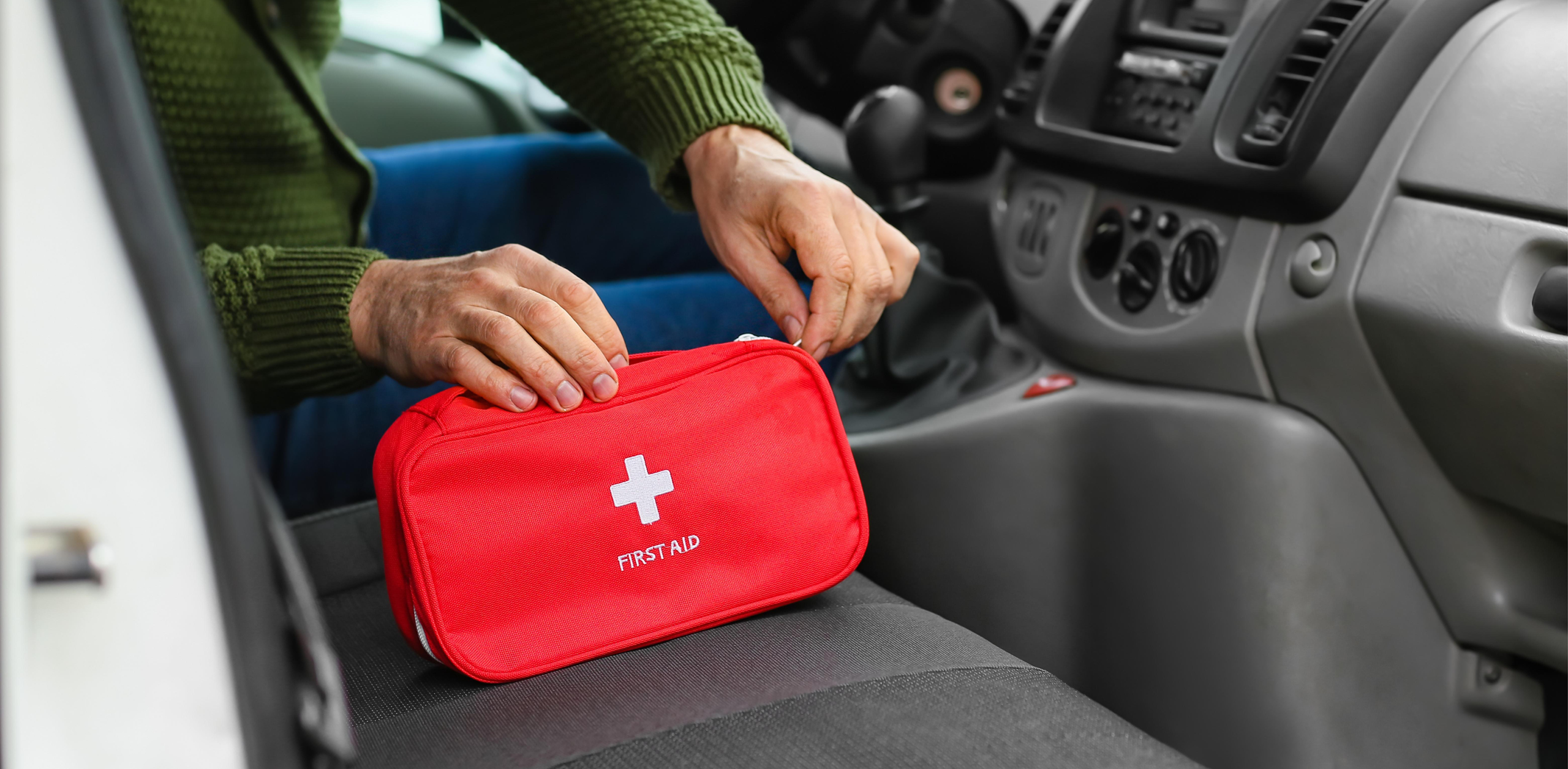
Imagine this: you’re driving home from a long day of work when your vehicle just dies in the middle of nowhere on the road. The temperature is dropping, your phone’s got no signal, and you’re totally unprepared for this breakdown. This is one scenario that shows you why all drivers should have a full emergency kit for car breakdowns.
Having an emergency kit stocked is not so much about having equipment at your fingertips, but also being safe and calm should some unforeseen roadside accident ever occur. Paired with regular fall car maintenance, your emergency readiness is all the better. Regular seasonal maintenance helps prevent many emergencies while keeping your vehicle ready for changing weather conditions that can affect vehicle longevity.
Continue reading for more important information about:
- Essential tools and supplies for emergencies
- Maintenance checks that go hand in hand with your emergency kit
- Strategies for seasonal preparation
- Tips for customizing based on your specific needs
Preparation for the unexpected is the first step towards guaranteeing your road safety.
An Awareness of the Need for an Emergency Kit in Your Car
Falling and winter weather produce some challenges that make ordinary rides perilous ones. Your emergency kit is the first line of defense when an unplanned event surfaces, be it an unexpected snowstorm, torrential rains, or mechanical breakdown miles away from assistance.
Importance of Cold Weather Preparedness
Cold-weather readiness becomes essential with record-low temperatures as auto components are put under even greater strain. Your car battery depletes by about 20% when temperatures go below 32°F, the leading cause of winter breakdowns. Tire pressure also gets affected by weather, losing 1-2 PSI for a 10-degree temperature drop, which deteriorates your vehicle’s handling and fuel efficiency.
Rainy Day Preparedness Importance
Rain day preparedness is better than good working windshield wipers. Road rain decreases tire traction by as much as 30%, increases stopping time, and makes it susceptible to hydroplaning. Your emergency kit can give you adjustment for such conditions in the form of individual products that will keep you in control and visible.
The Role of an Emergency Kit in Vehicle Maintenance
A complete emergency kit adds to your regular fall maintenance schedule. While regular checks under normal conditions allow a smooth ride in your car, your emergency kit provides backup solutions for when systems suddenly crash. This dual strategy is intended to prepare you for both preventable issues and true emergencies that do develop despite taking proper care of your vehicle.
Major Items to Include in a Car Emergency Kit
Constructing a well-rounded emergency kit means you have to thoroughly select items that solve the most frequent roadside issues. Your emergency kit must contain tools and products that help you do minor repairs, keep your vehicle safe, and feel comfortable during sudden delays.
Core Safety Equipment
Jumper cables or portable jump starter – Essential for battery failures
Emergency flares or reflective triangles – Increase visibility to other drivers
First aid kit – Handle minor injuries until professional help arrives
Flashlight with extra batteries – Illuminate repairs and inspections in low light
Tire Maintenance Tools
A good tire pressure gauge is your initial line of defense against a tire catastrophe. Complete this with an onboard air compressor to take care of the naturally occurring drops in pressure due to temperature changes. These can provide for routine tread depth checkups and maintenance of correct inflation levels between tire rotations.
Brake System Inspection Equipment
Insert a brake fluid tester to check the fluid condition and moisture level. A brake pad thickness gauge lets you measure pad wear without having to remove the wheels. These tools supplement visual examination of brake components and make it easier to detect potential trouble before it becomes hazardous.
Additional Essentials
- Multi-tool or basic wrench set – Handle various mechanical adjustments
- Emergency blanket and water – Maintain comfort during extended waits
- Phone charger – Ensure communication capabilities remain active
Maintenance Checks to Complement Your Emergency Kit
Your emergency kit is even better when combined with periodic maintenance checks that find the problem before stranding you on the side of the road. Use these inspections as your first line of defense and your emergency kit as your backup.
Battery check is the best maintenance you can do prior to cold weather. Cold weather causes your battery capacity to decline as much as 50%, with a poor battery becoming a total failure. A professional battery check prior to winter involves checking cold cranking amps, voltage on load, and terminal and connection condition.
Here’s what proactive vehicle inspections should include:
Battery voltage testing – Ensures your battery maintains proper charge levels
Terminal cleaning and inspection – Prevents corrosion that blocks electrical flow
Alternator output verification – Confirms your charging system keeps the battery healthy
Starter draw testing – Identifies excessive power consumption that drains batteries
Scheduled brake fluid inspections supplement your emergency brake inspection kit by keeping your stopping system at the proper hydraulic pressure. Tire pressure checking supplements your carry-around inflator by detecting slow leaks before they turn into roadside disasters.
Putting methodical maintenance together with an appropriately stocked emergency kit builds multiple safety nets that shield you from unexpected breakdowns and potentially hazardous incidents.
Preparing Your Vehicle for Fall Weather Conditions Specifically
Autumn weather conditions are especially demanding for special preparation solutions. With the lower temperature and more frequent rain, your car is subjected to greater stress from water, temperature changes, and varying road surfaces.
Brake System Priorities for Autumn
When you prepare your car for the fall season, your brake system deserves immediate attention. Wet leaves, increased rainfall, and temperature changes create hazardous driving conditions that require optimal stopping power.
A comprehensive brake inspection before the rainy season should include:
Brake pad thickness – Worn pads reduce stopping efficiency on slick surfaces
Rotor condition – Warped or scored rotors compromise braking performance
Brake fluid levels – Low fluid can lead to brake failure during critical moments
Brake line integrity – Check for leaks or corrosion that cold weather can worsen
Brake fluid absorbs moisture over time, which becomes particularly problematic as temperatures drop. This moisture can freeze, creating air bubbles that reduce braking effectiveness.
Temperature-Related Preparations
Cold weather works on a number of car systems at the same time. Your battery charge drops, tire pressure is lower, and rubber parts are less pliable. Oil becomes thicker in the engine, requiring tougher starting, and windshield washer fluid freezes unless specially formulated to operate at colder temperatures.
Maintaining these seasonal issues beforehand guarantees your emergency kit will be of use. The mechanical state of your vehicle directly determines how effective your emergency equipment will be in case of unexpected conditions.
Safety Measures to Enhance Visibility and Grip during Rainy Seasons
Rainy road tire maintenance is your front-line protection against hydroplaning and vehicle loss of control during autumn’s repeated rains. Your tires are the essential interface between your vehicle and the pavement, so they’re indispensable to driving safely.
Monitoring Tread Depth for Maximum Grip
The importance of tread depth in rainy conditions cannot be overstated when navigating slippery conditions. Use the penny test to check your tire treads – insert a penny into the groove with Lincoln’s head facing down. If you can see the top of his head, your tires need immediate replacement. Deep tread enables water to flow off the tire surface, preventing hazardous aquaplaning situations.
Easy Tire Care Routines
Tire pressure check every month – Cold weather reduces the air pressure, affecting your tire contact patch on wet pavements
Rotate tires periodically at every 5,000-7,500 miles for even tread wear patterns
Get wheels properly aligned to prevent uneven tread wear that affects rainy weather handling
Inspect sidewalls for cuts, cracks, or bulges that will result in blowout on rainy days
Improvement Tactics for Visibility
Swap worn windshield wipers before they streak across your windshield in heavy rain. Maintain windshield washer fluid levels as high as possible and change to rain-beading formulas if available. Clean headlights from time to time, since hazy lenses reduce light by as much as 40% on stormy days.
Constructing a Personalized Emergency Kit Based on Your Needs
Personalizing emergency kit preparation starts with a knowledge of your own driving habits and conditions. Arkansas drivers have their own seasonal hazards that require personalized preparation techniques.
Climate-Specific Considerations
Your location determines essential kit components:
- Hot summers: Extra coolant, sunscreen, and additional water supplies
- Wet seasons: Waterproof storage containers and rain gear
- Winter conditions: Ice scrapers, blankets, and hand warmers
- Rural routes: Extended food supplies and communication devices
Personal Driving Patterns
Daily commuters need different supplies than weekend travelers:
- Long commutes: Phone chargers and comfort items
- Family vehicles: Child-specific supplies and entertainment
- Work trucks: Professional tools and equipment protection
- Recreational drivers: Maps and outdoor gear
Professional Guidance Makes the Difference
Consulting with experienced auto repair professionals provides invaluable insights for your specific vehicle model. We at HCS Auto Repair in Springdale, AR, offers personalized auto repair advice that goes beyond generic recommendations. Their ASE-certified technicians understand local driving conditions and can recommend maintenance schedules that complement your emergency preparedness.
Professional mechanics identify vehicle-specific vulnerabilities and suggest targeted solutions. They know which battery types perform best in Arkansas weather, which tire brands handle local road conditions effectively, and what maintenance intervals prevent roadside emergencies. This expertise transforms a basic emergency kit into a comprehensive safety system tailored to your exact needs and driving environment.
Choose HCS Auto Repair
Building the ultimate guide to building an emergency kit for your car takes more than just cobbling together supplies, it takes knowing the special needs of your car and keeping it up seasonally. At HCS Auto Repair, we realize that a stocked emergency kit is part of a holistic system with professional auto care to keep you safe on the roads of Arkansas.
Our comprehensive auto repair Springdale AR services ensure your vehicle stays road-ready, while your emergency kit provides backup support when unexpected situations arise. From battery testing that prevents cold-weather failures to brake inspections that guarantee stopping power on wet roads, our fall vehicle maintenance services, we at HCS Auto Repair, offer a foundation for reliable driving.
Ready to get your car ready for any emergency that may be heading your way? Get an appointment today at (479) 751-8232. Our ASE-qualified mechanics will review your individual driving habits, provide the right emergency kit pieces, and perform vital maintenance checks. We’re dedicated to getting Springdale drivers ready to perform at a professional level with precision inspections and repairs customized for maximum performance under any conditions, because you should feel safe all year round.