
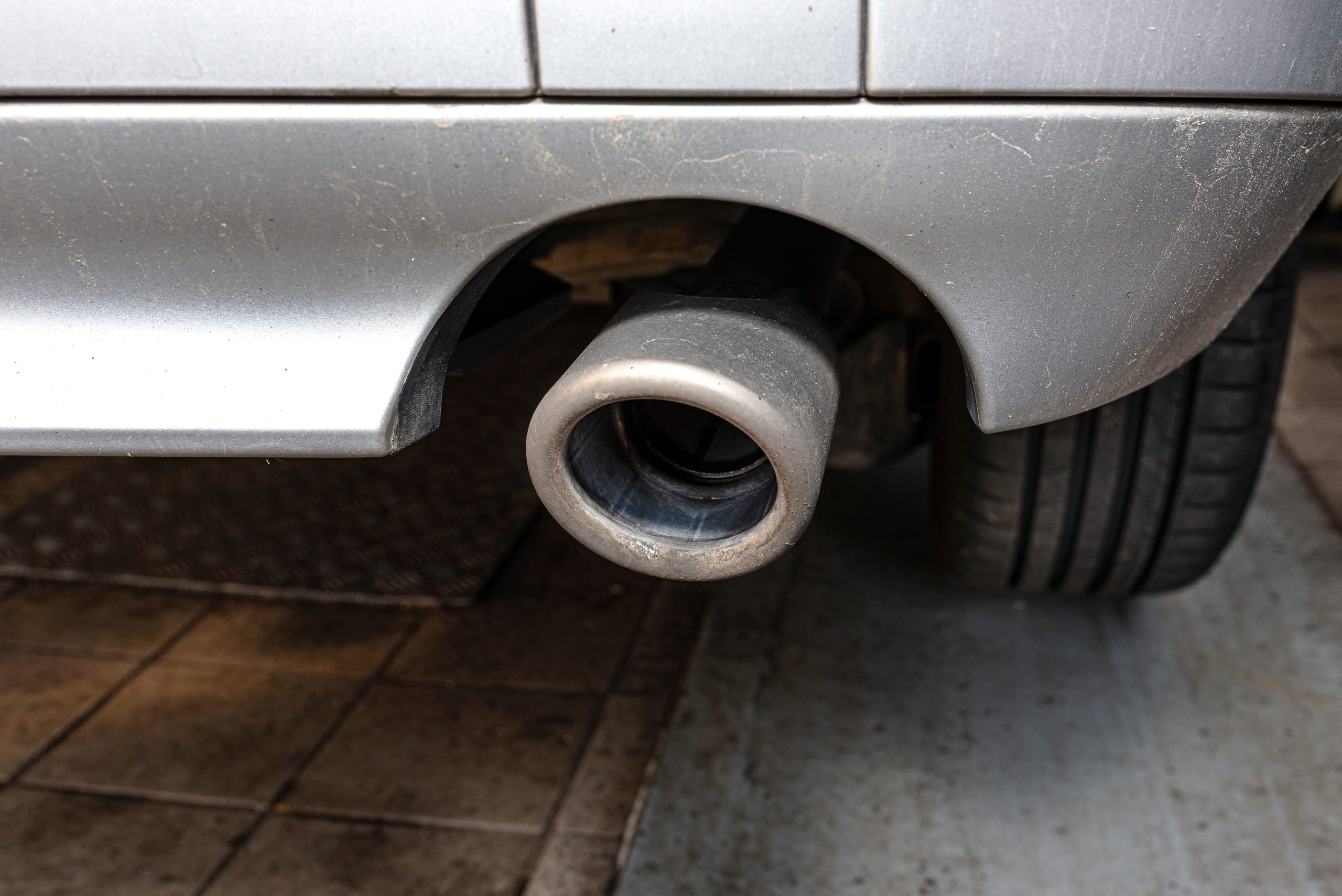
Imagine this: you’re driving and you see the blue fire roaring out of your car’s exhaust system. Although this may appear to be a neat special effect, it’s really an issue that must be addressed immediately. Blue fire and blue smoke from your car’s exhaust aren’t just strange, they’re definite indications that something is seriously amiss in your engine or exhaust system.
These typical blue radiant exhaust gases are signs of underlying mechanical issues that range from minor combustion issues to catastrophic engine damage. If you notice blue flames exiting your tailpipe, your car is in serious trouble. This is when fuel or oil combustion takes place within the exhaust system, producing a noise that will certainly raise an eyebrow.
It’s essential that every car owner knows why blue flames happen. Catching them early and taking swift action can save costly repairs, prevent hazardous situations, and keep your ride in near-new condition. Don’t let the attractive view trick you, Blue Flames: A Warning Sign from Your Car’s Exhaust System requires professional attention and immediate repair.
Blue Flames and Blue Fumes in Exhaust: What They Mean
If you see blue smoke in exhaust flames caused by exhaust or blue fumes from cars, it means that something is amiss with your car’s engine system. Blue emissions indicate that the fuel is not burning completely, and this should never happen if the engine is in good working condition.
The Science Behind Blue Flames
The technology here is the combustion of excess fuel in exhaust system components. Ideally, in engine cylinders, fuel and air are combined in certain ratios and burn cleanly to produce energy. But when there is a flaw in the process, there’s excess fuel that enters the exhaust system, where there are hot temperatures, leading to a secondary combustion. That’s what produces blue flames you see coming out of your tailpipe.
What Blue Fumes Indicate
Alternatively, blue fumes typically indicate an oil issue when you’re burning. Oil can seep into the cylinders through worn seals or damaged components and be burned with the fuel, creating blue smoke. Burning oil is immediately apparent to experienced mechanics because it has a recognizable color.
Why You Shouldn’t Ignore These Symptoms
These symptoms are more than merely aesthetically unpleasant – they are a result of major mechanical malfunctions that must be addressed promptly. Your engine’s combustion chambers, fuel systems, or exhaust parts are not working the way they ought to be. The observable flames and smoke are your car’s method of indicating that these internal systems should be taken to a professional for inspection and repair in order to prevent more damage.
Common Causes of Blue Flames in Car Exhaust
The next time you notice blue flames flickering away from your exhaust pipe, three of the world’s most notorious villains are probably getting busy in the shadows. Knowing these underlying causes enables you to know what is happening under the hood and why you need urgent attention.
1. Oil Leaks into Combustion Chamber
Worn piston rings are the most common source of oil leakage into the combustion chamber. These essential seals wear off, leaving gaps in which engine oil leaks out from pistons during the compression strokes. Valve seals may also wear off, especially on higher mileage vehicles, allowing oil to siphon down valve stems into cylinders. Cracked head gaskets provide yet another source of oil contamination, but this situation usually shows additional symptoms such as loss of coolant or white smoke.
If oil does get blended with your fuel-air mixture, it will both burn along with gasoline whenever your engine ignites. Burning oil is what gives you those blue flames you notice exiting your exhaust pipe with that characteristic burning oil stench.
2. Rich Air-Fuel Mixture
Faulty fuel injectors have a tendency to send excess fuel to your engine’s cylinders. These computer-age components are likely to clog or develop internal leaks, deranging the carefully tuned fuel delivery your engine needs. Older cars using carburetors also experience this type of problem when the float chambers stick and the needle valves won’t seat.
This extra fuel can’t be fully combusted in the burning process, and gasoline won’t be burned where hot temperatures will ignite it, releasing those intimidating blue flames.
3. Faulty Oxygen Sensors
Your oxygen sensors continually track exhaust gas composition and relay important information to your engine computer regarding the existing air-fuel mixture. When such sensors pick up malfunctioning signals through contamination or electrical issues, your engine management system reacts by making inappropriate fuel delivery adjustments. Such incorrect information causes an imbalance of the mixture, resulting in incomplete combustion and subsequent flame problems within your exhaust system.
Other Causes of Blue Flames in Exhaust Systems
Aside from oil leaks and fuel mixture, your ignition system in your car also keeps blue flames from showing up in your exhaust. Blue flames are created by defective spark plugs through incomplete combustion cycles that produce unburned fuel that goes through your exhaust system and is burned at extremely high temperatures to generate those bright blue flames system.
- Engine misfiring or rough idling
- Reduced acceleration and power loss
- Increased fuel consumption
- Difficulty starting your vehicle
- Visible flames or unusual exhaust colors
Faulty timing is just another problem that contributes to these problems by disrupting the precise point at which fuel burns in your cylinders. With an out-of-timing engine, combustion is a rollercoaster ride, sending partially combusted fuel into your exhaust system where it continues to burn.
Your spark plugs and timing are a well-oiled team. When one of them is malfunctioning, the combustion process is anything less than ideal, offering the perfect situation for exhaust flames to develop.
Regular tune-up and inspection are your best protection against such ignition problems. Spark plug replacement as recommended by your manufacturer, and check your ignition timing during maintenance, to remove the incomplete combustion responsible for the blue flames warning signs on your exhaust system.
Turbocharger Problems as Blue Flames Cause
Blue flames caused by turbocharger oil leaks are among the worst reasons your exhaust system releases blue flames. Your turbocharger seals deteriorate over time and make holes where the engine oil finds its way into the exhaust stream. The oil vaporizes when heated to release the blue flames that you notice.
These flames are a sign of extreme engine wear that needs to be addressed immediately by a technician. Worn-out turbo seals not only detract from the looks of your exhaust but also signal that your turbocharger is operating in less-than-ideal conditions, and this will rapidly develop into complete failure.
Key warning signs of turbocharger oil leaks include:
- Blue flames, along with excessive exhaust smoke
- Decreased engine performance and loss of power
- Unusual whistling sounds are coming from the turbo area
- Increased oil consumption without visible external leaks
Delaying turbocharger oil leak repairs can lead to the failure of the turbocharger completely, and you will end up replacing it at a high cost, instead of sealing it. Rebuilding or replacement, as a professional diagnosis will inform you, will be the most cost-effective in your given case.
Effect of Exhaust System Modifications on Blue Flames
Performance exhaust systems have the ability to alter the behavior of your car’s exhaust gases unpredictably at times, producing the very blue flames you’re attempting to prevent. These performance upgrades are altering the flow dynamics and temperature profiles within your exhaust system, producing conditions where unburned fuel can more easily ignite.
When you install a high-flow exhaust or cut out catalytic converters, you’re changing the backpressure your engine was designed to work with. This can result in:
Adjusted timing of combustion that produces excess unburned fuel within the exhaust stream
Increased exhaust temperatures result in an increased probability of flame initiation
Altered patterns of gas flow form hot spots where fuel can be ignited
Safety and legality come along with these modifications. Certain states mandate that the emissions equipment not be removed, and observable flames from your exhaust may lead to inspection failure or traffic tickets. The additional fire hazard also poses a risk to you and other motorists.
Prior to performing any exhaust modifications, discuss these with experienced techs who know how these modifications will impact your particular vehicle’s performance and safety record.
Hazards of Disregarding Blue Flames in the Exhaust System
Disregarding blue flames in your car’s exhaust system may result in some serious issues that are more than just a sensational warning. By disregarding these indications, you are only putting yourself into a loop of issues that will totally destroy your vehicle and empty your wallet.
1. Abrupt Destruction of the Engine
When oil is burned in the combustion chambers or not burned, fuel flares through the exhaust pipes, and wear on the engine happens at a high rate. This causes worn piston rings to wear out earlier, valve seals to collapse entirely, and cylinder walls to score, all of which can result in costly engine repair.
2. Emissions System Trouble
Neglecting blue flames also puts a lot of stress on your vehicle’s emissions system. As a result, you may face:
- Failed emissions tests and extra fees for retesting
- Environmental fines from regulatory agencies
- Damage to the catalytic converter requires costly replacement
3. Excessive Fuel Consumption
When your engine is having trouble with improper air-fuel mixtures, it uses more fuel. You’ll be making those gas station trips a lot as your vehicle uses fuel inefficiently, at times burning 20-30% more fuel than usual.
4. Fire Hazards
The greatest danger of overlooking blue flames is fire. Persistent blue flames will burn fuel vapors, exhaust components, or nearby material. It is a dangerous safety hazard not only to you and your passengers but also to other motorists on the road who have to share the road with your damaged vehicle.
When to Seek Professional Help for Blue Flames in Car Exhaust Systems?
Being able to recognize the need for professional assistance for blue flames in automotive exhaust systems will save you thousands on repair bills. Some signs must be addressed by competent technicians immediately.
Critical signs requiring urgent intervention:
Persistent blue flames appearing consistently during engine operation
Thick blue smoke accompanied by unusual odors or burning smells
Engine performance issues like rough idling, misfiring, or power loss
Visible oil leaks under your vehicle or around engine components
Unusual exhaust sounds such as popping, backfiring, or loud rumbling
The complexity of modern engines and exhaust systems demands expert diagnosis to properly pinpoint the root cause. Expert technicians have the proper diagnostic tools to determine whether the issue lies in worn-out piston rings, faulty oxygen sensors, turbocharger problems, or combustion irregularities.
Early professional attention delivers many advantages:
Prevents minor issues from developing into a complete engine breakdown
Sustains your car warranty coverage
Ensures emissions standards
Saves long-term repair dollars by catching issues early
Attempting DIY repairs for exhaust-based blue flame problems will likely end up in misdiagnosis and dangerous circumstances, thus making professional evaluation the most cost-effective and safest solution.
Why Choose HCS Auto Repair for Your Vehicle’s Exhaust Issues?
We have been in business for the residents of Springdale since 1988, becoming the go-to destination of choice for total auto repair services. It is our experience that has made us the go-to option when you’re confronted with such intricate exhaust system-related problems like blue flames.
Our ASE-certified technicians bring specialized knowledge to each diagnostic situation. When blue fires burn from your exhaust, you require specialists who know the delicate interplay between combustion systems, fuel systems, and exhaust components. Our technicians possess the training and experience necessary to accurately determine whether your blue flame problem is due to oil leaks, fuel mixture failure, turbocharger failure, or ignition system failure.
Quality service is the driving force behind every decision we take at HCS Auto Repair. We don’t only correct the immediate issue, we bring back the integrity of your vehicle and maximize its performance. Our dedication extends beyond temporary solutions to complete solutions that save you from repeated problems.
If you choose us for your car repairs, you’re choosing a team committed to go above and beyond your expectations while keeping your vehicle running safely and effectively.
Choose HCS Auto Repair
If you see blue flames emerging from your car’s exhaust pipe, you need to get it repaired immediately. This may indicate that there are serious issues with your car, which, if not corrected, could result in costly engine repair, safety issues, and environmental violations. Blue flames may be due to oil leaks, fuel mixture issues, or turbocharger malfunction, and they are a warning that your car needs professional attention.
Don’t take a risk with your wallet or your safety. Call us at (479) 751-8232 for expert diagnosis and reliable repair service. Our ASE-certified technicians possess the training and equipment necessary to identify the real reason behind your exhaust issues and get your car’s performance back to what it used to be. Rely on our reputation built since 1988 to make your car run safely and smoothly on Springdale roads.