
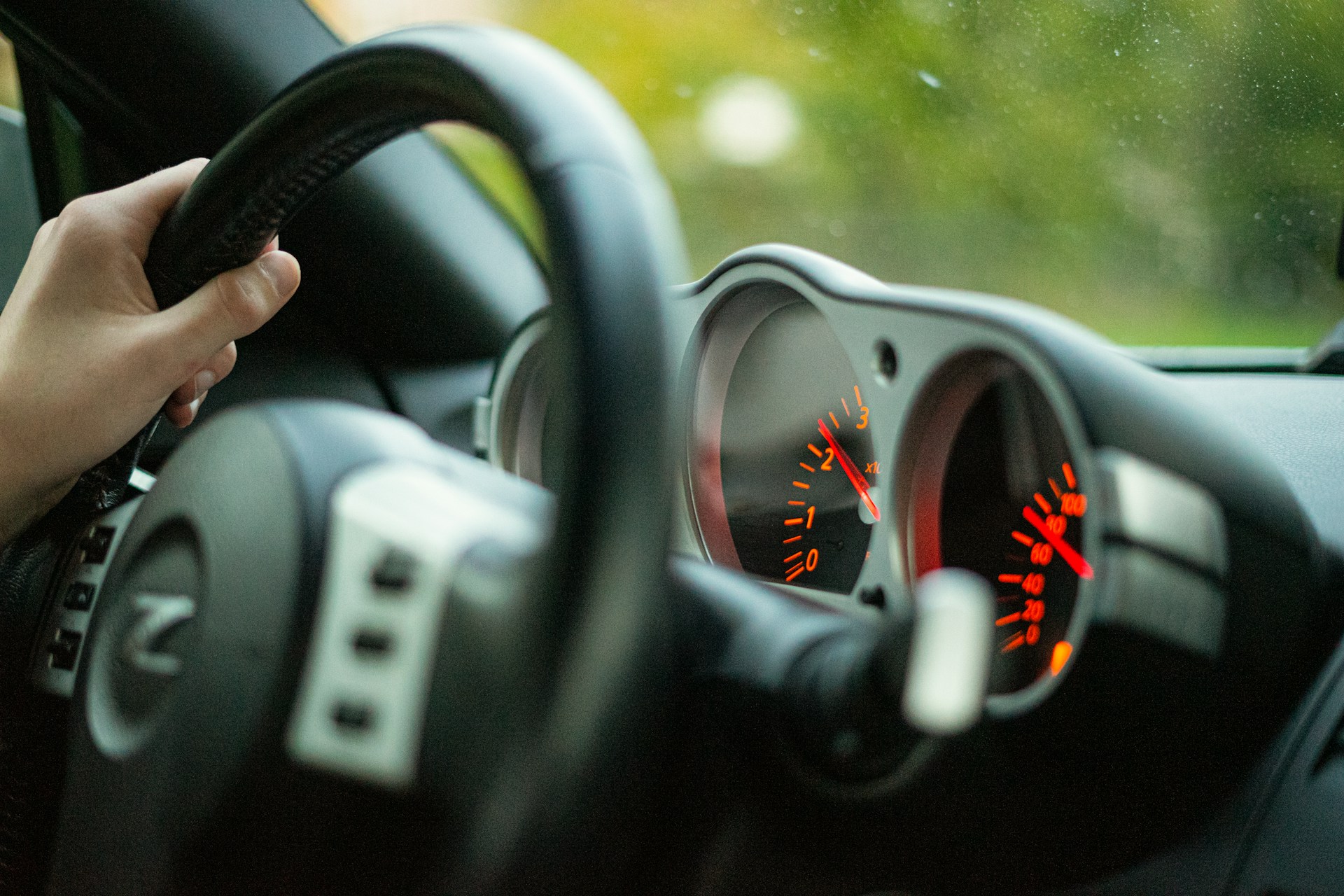
You’ve probably heard it a million times already: never drive with an empty gas tank! While this might sound like yet another automotive legend old wives’ tale, the reality is even more dire than motorists generally realize. Triggering your fuel light warning isn’t just annoying, operating your vehicle in this manner can inflict serious harm on your car’s vital systems.
When the reliable warning light on your car dashboard starts to flicker, it indicates that your fuel has reached the reserve fuel level, which is between 10-15% of your tank capacity. Drivers are likely to interpret this as an advisory rather than a critical alert. Still, once you learn what this warning light actually signifies, you might save money from shelling out for expensive repairs and even land yourself in trouble.
The dangers of running low on gas extend far beyond the mere irritation of running out of gas. Your car’s fuel system relies on proper gasoline levels, and constantly ignoring these indicators puts you at risk of mechanical issues that could have been easily avoided.
Continue reading for five surprising reasons not to drive with an empty gas tank beyond simple convenience, telling you precisely how this move can destroy your car’s performance and your finances.
Understanding Your Fuel Light Indicator and Reserve Fuel Capacity
That familiar fuel light on your dashboard is not a soft warning—it’s your vehicle’s signal that you’re at a tipping point. When the fuel light appears, it indicates that your fuel tank has fallen to about 10-15% of its full level. This reserve fuel level is the bare minimum of fuel your vehicle requires to continue running safely.
Most drivers are wrong to attempt to calculate exactly how far they can drive on the gas they have left. You may say to yourself, “I know I’m getting 25 miles per gallon in my car, and I have 2 gallons left, so I’ve got another 50 miles!” However, relying solely on this type of calculation is not beneficial for your car or you.
Why it’s important to know the fuel light meaning:
Understanding what the fuel light represents is more than simple arithmetic because your vehicle’s fueling system requires more than a full tank of gasoline for you to arrive where you need to go. Here are a few reasons why:
Fuel pump lubrication and cooling: The fuel pump relies on being immersed in gas for lubrication and cooling. If the fuel level drops too low, the pump overheats and is destroyed.
Constant fuel pressure: There should always be a consistent supply of the correct pressure of fuel for the engine to give its optimal performance. There is always a likelihood of varying pressure and engine issues depending on the inadequate volume of fuel in the tank.
Clean fuel delivery: Debris and sediment will, with time, settle at the bottom of the fuel tank. Low fuel will mix these impurities and push them into the engine, ruining critical components.
How Does Low Fuel Impact Auto Parts?
How low fuel impacts different auto parts are experienced when these systems fail to get the level of fuel they’re used to operating with:
Fuel pump: A gasoline deficiency can cause a dry-running fuel pump to overheat and break.
Fuel filter: Inadequate fuel flow can lead to inadequate filtering and allow dirt and debris to pass through to the engine.
Fuel injection system: Erratic or low fuel supply can trigger problems in the operation of injectors, impacting combustion efficiency.
Understanding the relationships between reserve fuel capacity and vehicle components helps keep your vehicle in its best form. It’s not just about getting to the next station; it’s about all the parts of your vehicle functioning well along the way.
1. Fuel Pump Damage From Running Out of Gasoline
Your fuel pump is among the most critical parts of your automobile’s gasoline system, and its purpose is to pump gas from the tank into the engine. The way it does this is that it’s actually submerged in gas, not just providing the engine with the gas that it requires to run, but also lubricating and cooling the moving components of the pump.
The Risks of Low Fuel Operation
If you drive with low gas levels consistently, you’re stressing your fuel pump more and getting it to work in less-than-ideal conditions. Here’s what occurs:
Air Intake: The pump begins sucking in air, along with whatever gasoline is present.
Lean Mixture: This produces a mixture that has poor lubricating qualities.
Overheating: Consequently, the fuel pump’s components begin to overheat due to insufficient cooling by the ambient fuel, which cannot sustain the required pressure.
Consequences of Ignoring Fuel Levels
Running out of gas can lead to more than just being stuck on the side of the road. The constant stress on your fuel pump from operating in low-fuel conditions speeds up wear on its delicate internal parts. Here’s what happens:
Metal Grinding: Metal components that rely on fuel for lubrication start grinding against each other.
Excessive Heat: This generates excessive heat and friction.
The Costly Impact of Fuel Pump Damage
The cost of fuel pump repair is considerable. Replacement will range from $400 to $800, depending on the model and make of your vehicle. And then, naturally, there is a labor charge that can range from another $200 to $400.
These expenses are infuriating, especially when you consider how they could have been avoided by simply keeping your gas tank at the correct level. Your fuel pump is designed to last over 100,000 miles under normal service conditions, but changing fuel levels will shorten its life by half.
2. Fuel Filter Clogging Due to Sediments in an Empty Tank
Your fuel filter is an important part of your engine’s defense system. It stops harmful debris from getting to critical parts of the engine. This small but powerful component works hard to keep your gasoline clean as it moves from the tank to the engine. Understanding how sediments affect your fuel filter provides more interesting insights about this problem.
Sediments naturally build up at the bottom of every fuel tank over time. These particles include:
- Rust flakes from metal tank walls
- Dirt and debris that enter during refueling
- Fuel additives that separate and settle
- Microscopic contaminants from gasoline production
When you keep your fuel levels sufficient, your fuel pump pulls gasoline from the middle part of the tank, leaving these settled sediments undisturbed. The fuel filter only deals with cleaner gasoline that hasn’t mixed with contaminants sitting at the bottom.
Fueling up with an empty tank forces your fuel pump to pull from the bottom of the tank, where heavier sediment is secreted. That yucky fuel blend is sucked straight into your fuel filter and overwhelms the filtering capacity. The result? Clogged fuel filters constrict gasoline flow to your engine.
Gunked-up filters create a domino effect of problems. Your engine can experience rough idling, reduced acceleration, or stalling completely. In severe cases, a completely clogged filter can ruin the engine and cost a small fortune in repairs. Replacing a plugged-up gas filter costs significantly more than regularly maintaining your tank to prevent it from running out.
3. Increased Risk of Engine Breakdown and Costly Repairs
When dirty fuel finds its way to your engine, the problem is much more serious than a plugged filter. Your engine needs clean, reliable fuel flow to run well, and interference with this process can snowball into a series of mechanical issues.
Contaminated gasoline forces your engine to work harder, potentially causing:
Fuel injector damage from dirty particles that bypass compromised filters
Carbon buildup in combustion chambers due to incomplete fuel burning
Catalytic converter failure from processing contaminated exhaust
Oxygen sensor malfunction affecting fuel mixture calculations
Costly car repairs from empty tank habits can quickly escalate into thousands of dollars in repairs. A damaged fuel injector replacement ranges from $300-$800 per injector, while a catalytic converter replacement can cost $1,000-$3,000. These repairs become even more expensive when multiple components fail simultaneously.
Low fuel levels contribute to the strain on your engine’s systems. Erratic fuel delivery allows your engine to operate lean, overheating internal components, and prematurely wearing them out. Stressful impacts include cylinder scoring, valve damage, and even complete engine failure in extreme situations.
Maintenance with proper fuel levels guards your investment. Having your tank filled to or more than the quarter-full point always provides a consistent fuel pressure, avoids sediment circulation, and enables proper cooling of system components. Establishing this easy habit can help avoid costly repairs that might otherwise be unnecessary.
4. The Danger and Discomfort of Outrunning Your Gas
When your vehicle suddenly breaks down due to running out of fuel, there are also punctual economic and safety implications. Being out of fuel and stranded poses a greater risk than the humiliation of being stranded in an unlit area at night in dangerous spots such as off-highway, rural roads, or unknown neighborhoods.
Imagine being stranded on a congested highway during rush hour, with your vehicle failing far out in the middle of nowhere, where poor cellular reception means no one can help you.
These events put you and all passengers in your vehicle at risk, compounded by foul weather conditions or in high-crime areas.
The cost adds up high since you will have to incur emergency towing. Standard towing companies will pay between $75-$150 for standard service, with additional charges for mileage, night calls, or tricky locations. Other roadside assistance policies do not cover fuel delivery, meaning you are paying for tow and the convenience of ordering separate services.
Gas stations seem to be everywhere when you don’t need one, but when your gas tank is low, spotting one becomes a last-ditch race against time. Smart motorists make it a daily practice to top off their gas tank when the gauge indicates a quarter tank, thereby eliminating the undue hazards of driving with a depleted tank.
5. The Value of Filling Up Promptly for the General Health of Your Vehicle
Preventing these problems begins with understanding how your car’s components reinforce each other as a finely tuned system. By taking care of your fuel levels, you’re helping provide more than just access to move from point A to point B. Your fuel system, engine parts, and several sensors all depend on steady gasoline flow to function at their optimal levels.
The importance of filling up early becomes clear when you consider the chain reaction of ignoring your fuel light. Each time you overlook that warning light, you’re setting the stage for several mechanical problems that multiply over the course of time. Your fuel pump is damaged due to inadequate lubrication, which allows sediments to be stirred up and pumped throughout your system. This results in erratic fuel flow to your engine, damaging its performance.
Symptoms like these demonstrate how a simple habit change can save you thousands in repairs. Regular refueling habits protect your investment by:
- Maintaining proper fuel pump lubrication and cooling
- Keeping sediments settled at the tank bottom
- Ensuring consistent fuel pressure throughout your system
- Reducing stress on engine components
- Preventing emergency roadside situations
Refueling as your tank hits the quarter-full point switches from fix-it-as-you-go to maintenance to before the fact prevention. This good habit makes the most of regular maintenance and keeps your vehicle well-maintained for years to come.
Choose HCS Auto Repair
Your vehicle’s fuel needs are just as important as other routine upkeep processes. These five unexpected reasons not to travel in your vehicle with an empty gas tank illustrate how ignoring your fuel light causes a domino effect of possible issues from faulty fuel pumps and soiled filters to costly engine repair and roadside breakdowns.
We at HCS Auto Repair have been serving the Springdale, AR community since 1988 by allowing drivers to prevent high-priced repairs with preventive care and expert recommendations. Our ASE-certified mechanics can help you save hundreds or even thousands of dollars on future car repair expenses by teaching you simple habits, such as maintaining proper fuel levels.
Want your car to run like a dream? Book your appointment online or call us today at (479) 751-8232. At HCS Auto Repair Springdale, AR, we treat all our customers like family and all our cars with the care they deserve.