
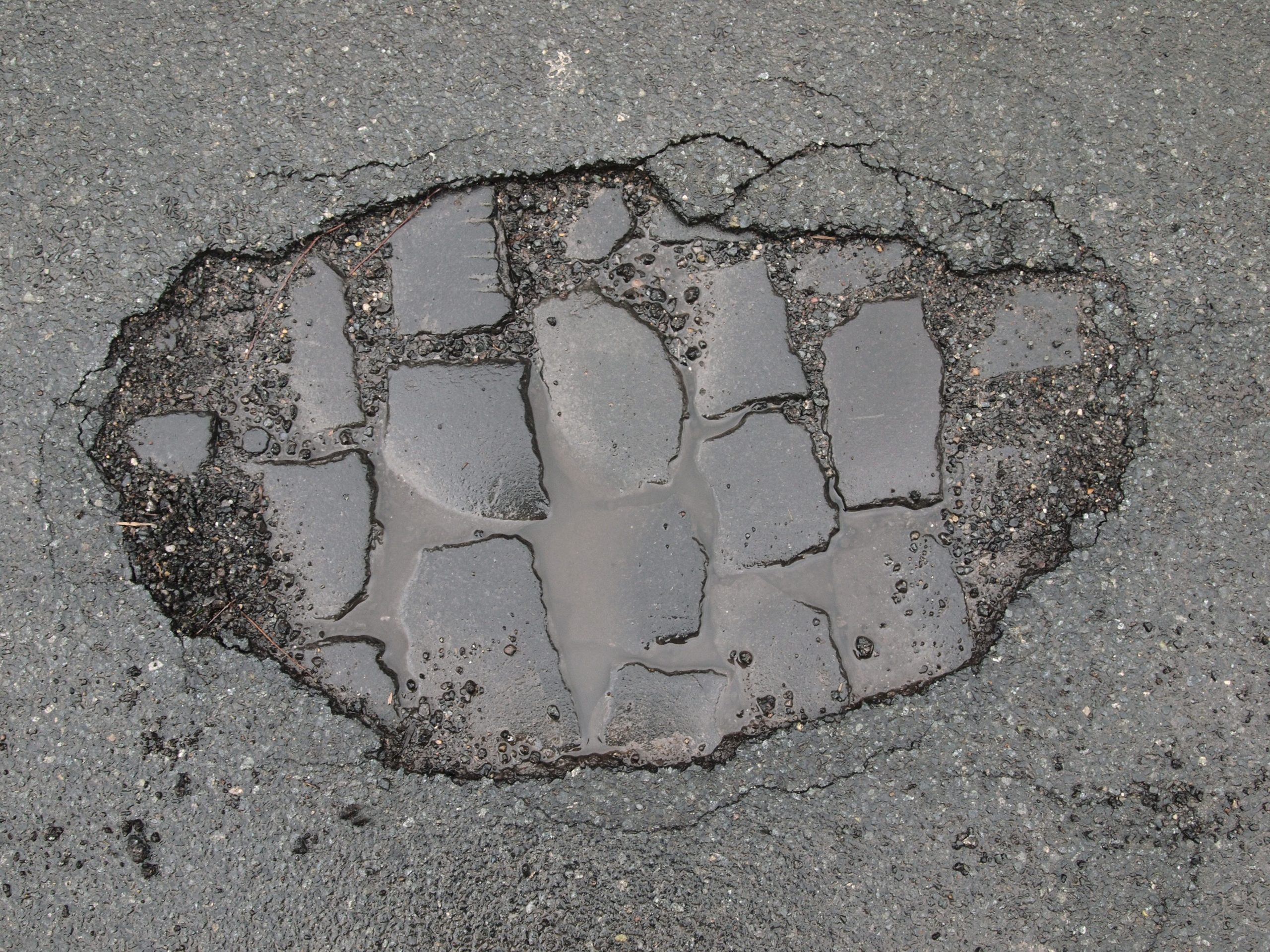
Drivers across the nation have one common nemesis that can transform an ordinary drive to work into a costly adventure: potholes. Potholes do not show up overnight, they’re the product of freeze-thaw cycles that erode pavement, resulting in dangerous road conditions that can wreak havoc on your car.
Shield your vehicle from these expensive run-ins by realizing that pothole damage is much more than a rough ride. One run-in with a deep pothole can lead to:
- Tire punctures and sidewall damage
- Wheel rim bends and cracks
- Suspension system misalignment
- Steering component damage
- Exhaust system harm
The repair is often extremely expensive, ranging from hundreds to thousands of dollars, depending on the degree of damage sustained. Your car’s road-worthiness, comfort, and safety features are compromised when potholes suddenly appear.
Smart safe driving tips would be your number one protection against all the risks of the road. With three easy pothole evasive maneuvers, you’ll be saving your wallet, not to mention the safety of your family on the road. These proven techniques will have you ready to ride out pothole season with your vehicle in tip-top shape.
Pothole Damage and Its Repercussions
Potholes form as water trickles into minor cracks in the asphalt, freezes, and expands with cold weather. With fluctuating temperatures from freezing to thawing, the process deteriorates the road’s surface. In spring and snowmelt, the water-saturated road cannot bear the weight of a car, and chunks of asphalt disintegrate to form such hazardous road sections.
The shock of potholes impacts far more than an impromptu jolt in your car. Your car parts are in an interdependent system, and pothole impacts disrupt this peaceful existence in several ways:
Tire damage ranges from sidewall bulges and punctures to complete blowouts
Wheel alignment gets knocked out of specification, causing uneven tire wear
Suspension components like struts, shocks, and springs absorb excessive force
Steering system parts may bend or break under sudden impact
Exhaust system damage occurs when low-hanging components scrape against pavement
These are hundreds or thousands of dollars soon. That one pothole ride itself won’t be much, but the misalignment that can be caused by it will ruin a new set of tires within months. Suspension damage compromises your car’s safety and handling, but steering issues make your car unstable and unsafe to drive.
Taking care beforehand saves your purse and keeps you safer on the road. Proper maintenance and defensive driving prevent you from making that costly visit to the car repair center.
3 Tips to Save Your Car from Pothole Damage
The most effective way to prevent costly pothole repairs is by adopting smart driving safety tips that will shield your car. These tested techniques will enable you to avoid tire damage caused by potholes while keeping you in charge of your vehicle on rough roads.
Tip 1: Slow Down to Minimize Impact
Speeding tends to worsen potholes. The faster you’re going, the harder your tire hits the pothole. Slowing down gives your suspension a chance to ride out the shock without harm.
Slowing down when avoiding potholes brings a variety of protective factors to bear:
Less forceful impact: Lower speeds mean less violent contact between your tire and the pothole’s edges
Better shock absorption: Your suspension can properly compress and extend to handle the sudden drop
Less hazard of rim damage: Lower speeds keep your wheel from hitting abrupt edges of the pothole
Control is paramount. Gradual driving provides you with additional seconds to evaluate road conditions ahead. These additional seconds provide you with the ability to see potential dangers, estimate the safety of a lane change, and provide smooth steering inputs without jerky motions that would upset your car.
Your defensive safe driving makes a wave of safety. Braking in good time and maintaining safe distances reduces the likelihood of abrupt swerving and panic braking, which can catch other drivers unawares. Your defensive driving prevents chain-reaction accidents when one driver’s sudden movement to avoid a pothole results in numerous vehicles crashing.
Tip 2: Keep a Safe Distance to Have Good Reaction Time
Having space on the road is your secret weapon for combating surprise road hazards. When you maintain a safe distance of at least three seconds behind the car in front, you have a useful safety margin that allows time to see potholes before you have time to react.
Tailgating virtually blinds you to your line of sight, making it almost impossible to glance past the front of the road ahead of you. The vehicle in front of you is thus a moving blind spot, hiding hazardous potholes until you can’t help but hit them. This restricted vision compels you into reactive rather than anticipatory driving, usually having you swerve hard or hit the brakes hard, which leads to accidents.
Vehicle safety guidance notes that a large enough space has the following advantages:
- Improved perception of the road and the threat ahead
- Increased time to decide whether it is safe to maneuver past a pothole or reduce speed
- Less chance of being rear-ended attempting to take evasive action
- Improved ability to steer your car into position on the road
A safe following distance enables you to move from a passive traffic rider to an engaged driver who can evade potholes with smart positioning and timing.
Tip 3: Avoid Water-Camouflaged Potholes, Particularly in the Spring Season
Spring, naturally, has its own set of special maladies for drivers in the form of melting snow and good old-fashioned rain, which produces the perfect microclimate for water-over-potheaded potholes. All those innocent-appearing puddles are in reality optical illusions on the road, deceptively turning what appears to be a harmless splash into a car-stopping trap. The water residues from melting winter snow and spring rains completely conceal potholes, effectively rendering them invisible to unsuspecting drivers.
Puddles are the biggest threat at intersections and along shoulders where drainage systems can’t keep pace with seasonal currents. Standing water here becomes the perfect place for out-of-sight road damage that leads to severe tire blowouts, rim destruction, and suspension issues. If you notice puddles in high-risk areas, exercise utmost caution and take them seriously as threats instead of as mere annoyances.
Key driving safety tips for water-covered roads:
- Avoid driving through puddles whenever safely possible
- Reduce speed significantly when water contact is unavoidable
- Choose alternate routes around large standing water areas
- Stay alert for unusual water accumulation patterns that suggest underlying road damage
The water-hidden potholes can even surprise experienced drivers, making common commute trips costly repair visits.
Other Preventive Measures for Avoiding Pothole Damage
Besides the three main ways of avoiding potholes, there are several steps you can take beforehand to make your car more robust against road bumps and reduce the effect of unavoidable shocks.
1. Maintenance of Proper Tires
Regular tire maintenance is the key to successful prevention of pothole damage. Inspect your tire pressure every month with a good-quality gauge because inflated tires tend to resist even distribution of impact loads and are also less puncture-sensitive than under-inflated tires. Also check for new patterns of wear, cracks, or bulges on your tires that can predispose them to pothole damage. Tires with sufficient tread depth are better shock absorbers and do not lose their structure when subjected to road irregularity.
2. Timely Professional Inspection
Timely professional inspection is required after any pothole accident, even if there is no visible damage. Abnormal vibrations, drifting to the left or right, or steering responsiveness problems are symptoms that are indicative of probable alignment or suspension problems that need professional repair. Our ASE-certified mechanics can detect concealed damage before expensive repairs, saving you money and ensuring your safety on the road.
3. Seasonal Car Checks
Seasonal car check-ups are particularly money well spent following harsh winter weather conditions when freeze-thaw activity generates the most damaging pothole extremes. Spring check-ups must feature comprehensive examinations of your suspension parts, wheel alignment, and tire life. These proactive steps enable you to locate winter wear before it has a chance to catch up with spring pothole encounters and keep you and your vehicle prepared for safe driving year-round.
Why Choose HCS Auto Repair to Repair Your Vehicle After Pothole Damage?
When pothole damage happens to your vehicle, you require a repair shop with demonstrated capability and genuine care for your vehicle’s needs. We at HCS Auto Repair, Springdale, AR, have been doing business in this community since 1988 and have established a reputation for trust and technical competence. Our ASE-certified technicians are collectively bringing decades of experience to each repair, providing your vehicle the expert attention it merits.
The scope of our services addresses every aspect of pothole-related damage:
- Tire repairs and replacements for punctures and sidewall damage
- Wheel alignment services to correct steering issues
- Suspension system diagnostics and repairs
- Brake system inspections after jarring impacts
- Transmission repairs for complex mechanical issues
From the simplest transmission repair to the most complicated oil change, we approach each job with the same passion for detail and quality. Our full-service business ensures that you won’t have to go to several shops for several repairs, you’re our one stop for full vehicle restoration.
We are different because we treat each customer like a friend for life. When you leave your car with us, you’re not just a repair order. We take a seat and go over the repairs, discuss potential repair options, and ensure you know what your car needs to get you back on the road, driving safely and reliably.
HCS Auto Repair: Your Best Choice
Save your vehicle from the’ disastrous effects of potholes by adopting these three major driving habits: slowing down when approaching road hazards, keeping a safe gap spacing, and monitoring water-filled potholes. These defensive driving habits, combined with regular devoted professional car care services, can help a great deal in enhancing your vehicle’s life and guaranteeing road safety for you.
Road conditions will never go away, but it’s what you do about them that matters. If unavoidable pothole damage has occurred or regular work must be done to maintain your car’s road-worthiness, professional service matters.
For professional repair and maintenance of any vehicle damage incurred on rough riding roads or unexpected hazards, call HCS Auto Repair today at (479) 751-8232. Your car is only worth the best.