
Seeing the oil pressure light illuminate on your dashboard can be alarming. We understand that this warning signal is crucial for the health of your engine. Ignoring it can lead to severe engine damage. In this article, we will explore the common reasons why your car’s oil pressure light may be on and what steps you should take to address the issue.
Common Causes of an Illuminated Oil Pressure Light
1. Low Oil Levels
One of the most common reasons for the oil pressure light to come on is low oil levels. If your engine oil is low, it can lead to insufficient lubrication, causing the oil pressure to drop. Regularly checking and topping off your oil can help prevent this issue.
2. Oil Leak
An oil leak can result in a significant loss of oil, leading to low oil levels and triggering the oil pressure light. Common sources of oil leaks include worn gaskets, seals, and oil pan damage. If you notice oil spots under your vehicle, it’s essential to have it inspected promptly.
3. Faulty Oil Pressure Sensor
The oil pressure sensor monitors the oil pressure in your engine and sends a signal to the dashboard light. If the sensor is malfunctioning, it may incorrectly trigger the oil pressure light, even if the oil pressure is normal. A qualified mechanic can test the sensor to determine if it needs replacement.
4. Oil Pump Failure
The oil pump is responsible for circulating oil throughout the engine. If the oil pump fails or becomes damaged, it can lead to a drop in oil pressure, causing the warning light to illuminate. Signs of a failing oil pump may include unusual noises from the engine or a decrease in engine performance.
5. Dirty or Old Oil
Over time, engine oil can become contaminated with dirt, debris, and sludge, which can affect its ability to lubricate the engine properly. If the oil is too dirty or old, it may not maintain adequate pressure, triggering the oil pressure light. Regular oil changes are essential for maintaining engine health.
6. Engine Overheating
An overheating engine can lead to a drop in oil pressure. If your engine is running too hot, it can cause the oil to thin out, reducing its effectiveness. If you notice both the oil pressure light and the temperature gauge rising, it’s crucial to address the overheating issue immediately.
7. Oil Viscosity Issues
Using the wrong type of oil or oil with an incorrect viscosity rating can lead to oil pressure problems. Always refer to your owner’s manual for the recommended oil type and viscosity for your vehicle.
What to Do If Your Oil Pressure Light Is On?
If your oil pressure light comes on, it’s essential to take immediate action:
- Pull Over Safely: If you are driving, find a safe place to pull over as soon as possible.
- Turn Off the Engine: Allow the engine to cool down before inspecting the vehicle.
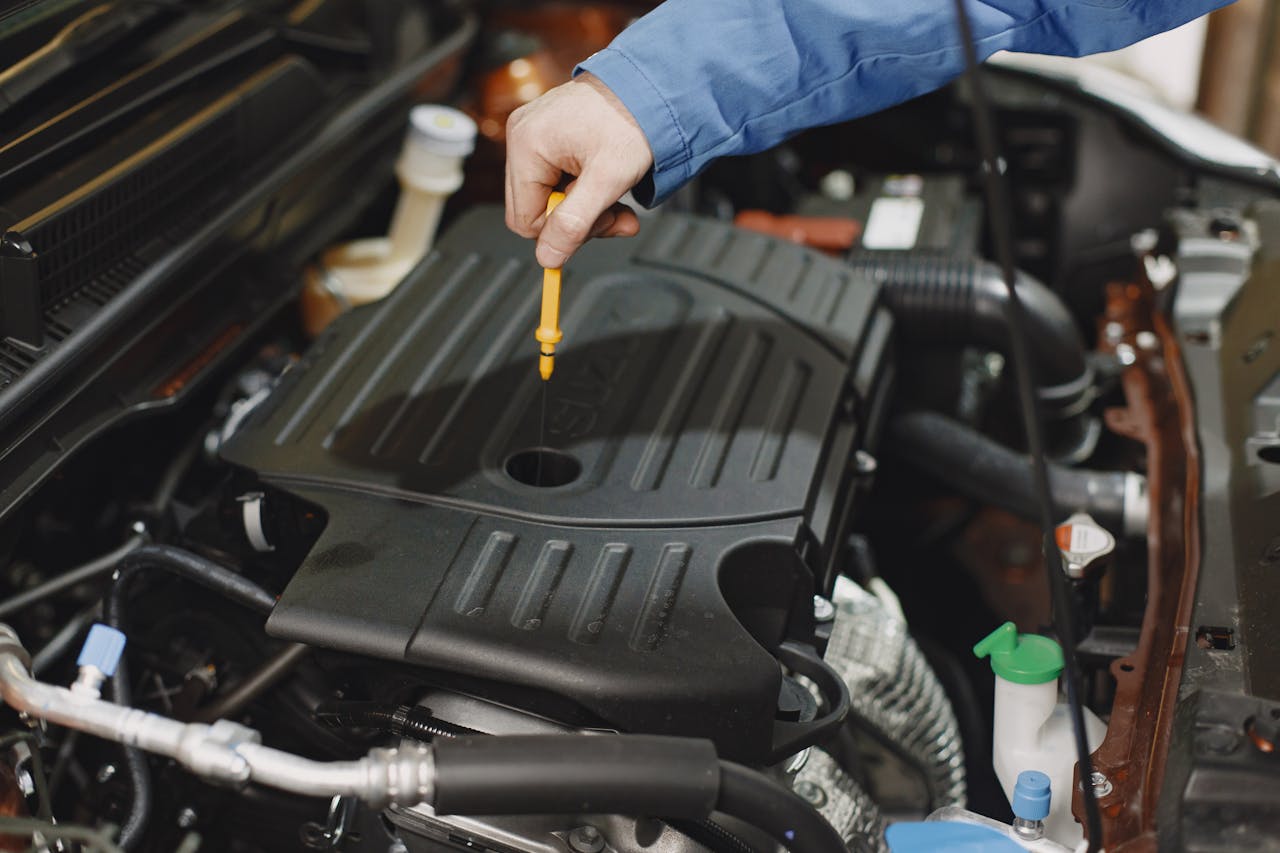
- Check Oil Levels: Once the engine is cool, check the oil level using the dipstick. If it’s low, add the appropriate oil.
- Look for Leaks: Inspect the ground under your vehicle for any signs of oil leaks.
- Contact a Professional: If the oil level is normal and the light remains on, contact HCS Auto Repair for a thorough inspection and diagnosis.
If your car’s oil pressure light is on, it’s crucial to take it seriously and address the issue promptly. Ignoring this warning can lead to severe engine damage and costly repairs. Regular maintenance, including checking oil levels and changing oil, can help prevent oil pressure problems. If you’re unsure about the cause of the warning light, don’t hesitate to contact HCS Auto Repair for a comprehensive inspection and expert assistance. Keeping your engine in good condition is vital for your vehicle’s performance and longevity.
FAQs
Q1: What does it mean if my oil pressure light is on?
A1: An illuminated oil pressure light indicates that the oil pressure in your engine is low, which can lead to insufficient lubrication and potential engine damage.
Q2: Is it safe to drive my car with the oil pressure light on?
A2: No, it is not safe to drive with the oil pressure light on. You should pull over and address the issue immediately to prevent engine damage.
Q3: How often should I check my oil levels?
A3: It’s a good practice to check your oil levels at least once a month or before long trips to ensure proper lubrication.
Q4: Can a faulty oil pressure sensor cause the light to come on?
A4: Yes, a malfunctioning oil pressure sensor can incorrectly trigger the oil pressure light, even if the oil pressure is normal.
Q5: How can I prevent my oil pressure light from coming on?
A5: Regular maintenance, including oil changes, checking for leaks, and monitoring oil levels, can help prevent the oil pressure light from illuminating.
Q6: What should I do if I find an oil leak?
A6: If you notice an oil leak, it’s important to have your vehicle inspected by a professional mechanic to identify and repair the source of the leak.
Q7: How much does it cost to replace an oil pressure sensor?
A7: The cost to replace an oil pressure sensor can vary, but it typically ranges from $100 to $300, depending on the make and model of your vehicle and labor costs.
Q8: Can dirty oil cause the oil pressure light to come on?
A8: Yes, dirty or old oil can affect lubrication and oil pressure, potentially triggering the oil pressure light. Regular oil changes are essential to prevent this issue.
Q9: What are the signs of a failing oil pump?
A9: Signs of a failing oil pump may include unusual engine noises, a drop in oil pressure, and warning lights illuminating on the dashboard.
Q10: How can I check my oil levels?
A10: To check your oil levels, park your vehicle on a level surface, wait for the engine to cool, remove the dipstick, wipe it clean, reinsert it, and then remove it again to check the oil level against the markings.