
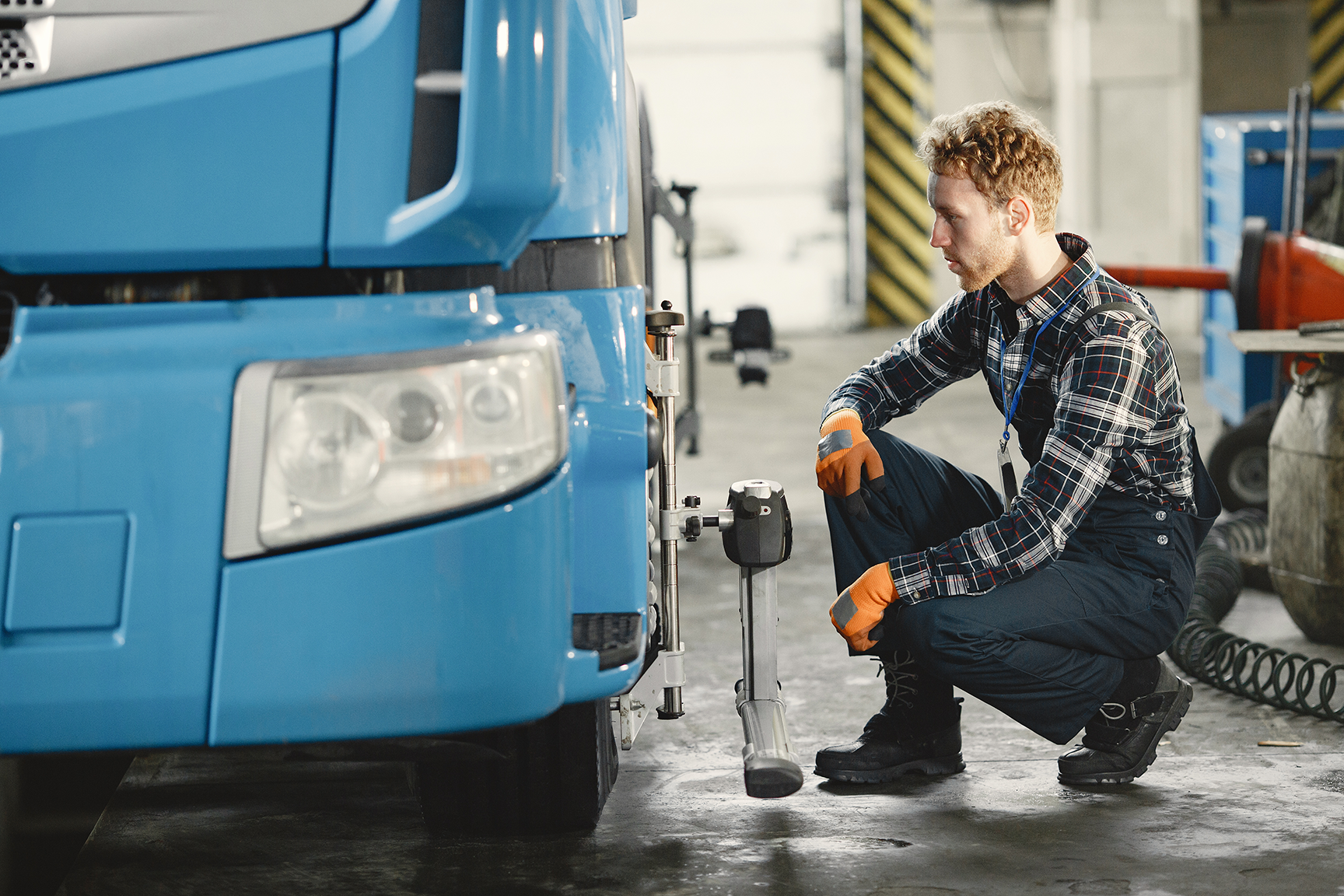
Experiencing frequent overheating in your truck can be a frustrating and concerning issue. At HCS Auto Repair, we know that understanding the root causes of overheating is crucial for maintaining your vehicle’s health and ensuring your safety on the road. Check out the common reasons why your truck may be overheating and what steps you can take to address the problem effectively.
Common Causes of Overheating
1. Low Coolant Levels
Coolant is essential for regulating your truck’s engine temperature. If your coolant levels are low, it can lead to inadequate cooling, causing the engine to overheat. Regularly checking and topping off your coolant can help prevent this issue.
2. Coolant Leaks
Leaks in the cooling system can lead to a loss of coolant, which can cause overheating. Common sources of leaks include the radiator, hoses, water pump, and the engine itself. If you notice puddles of coolant under your truck, it’s essential to have it inspected immediately.
3. Faulty Thermostat
The thermostat regulates the flow of coolant through the engine. If it becomes stuck in the closed position, it can prevent coolant from circulating, leading to overheating. A malfunctioning thermostat should be replaced promptly to restore proper cooling.
4. Clogged Radiator
A clogged radiator can restrict airflow and coolant flow, leading to overheating. Dirt, debris, and corrosion can build up over time, obstructing the radiator’s ability to dissipate heat. Regular maintenance, including flushing the radiator, can help prevent clogs.
5. Broken Water Pump
The water pump is responsible for circulating coolant throughout the engine. If the water pump fails, coolant will not flow properly, leading to overheating. Signs of a failing water pump can include leaks or unusual noises.
6. Faulty Cooling Fan
The cooling fan helps regulate engine temperature by pulling air through the radiator. If the fan is not functioning correctly due to a blown fuse, faulty relay, or motor failure, it can lead to overheating, especially in stop-and-go traffic.
7. Overworking the Engine
If you frequently tow heavy loads or drive in extreme conditions, your engine may be working harder than usual, leading to overheating. Ensuring that your truck is adequately equipped for the tasks you’re performing can help mitigate this issue.
8. Exhaust Blockage
A blockage in the exhaust system can cause increased engine temperatures. If the exhaust gases cannot escape efficiently, it can lead to overheating. Regular maintenance of the exhaust system can help prevent this issue.
What to Do If Your Truck Overheats
If your truck begins to overheat, it’s essential to take immediate action to prevent engine damage:
- Pull Over Safely: If you notice the temperature gauge rising, pull over to a safe location as soon as possible.
- Turn Off the Engine: Allow the engine to cool down before attempting to open the hood.
- Check Coolant Levels: Once the engine is cool, check the coolant levels and look for any visible leaks.
- Call for Assistance: If you’re unable to identify the issue, contact HCS Auto Repair or a qualified mechanic for a thorough inspection.
Understanding the reasons behind your truck’s overheating issues is vital for maintaining its performance and longevity. Regular maintenance and prompt attention to any signs of trouble can help you avoid serious damage.
If you’re experiencing persistent overheating, don’t hesitate to contact HCS Auto Repair for a comprehensive inspection and expert assistance. Keep your truck running smoothly and safely on the road.
FAQs
Q1: How can I tell if my truck is overheating?
A1: Signs of overheating include a rising temperature gauge, steam coming from the engine, or a warning light on your dashboard.
Q2: Can I drive my truck if it’s overheating?
A2: No, driving an overheating truck can cause severe engine damage. It’s best to pull over and address the issue immediately.
Q3: How often should I check my coolant levels?
A3: You should check your coolant levels at least once a month, or more frequently if you notice any signs of leaks or overheating.
Q4: What should I do if I see coolant leaking under my truck?
A4: If you notice coolant leaking, it’s crucial to have your truck inspected by a professional as soon as possible to identify and repair the source of the leak.
Q5: How can I prevent my truck from overheating?
A5: Regular maintenance, including coolant checks, radiator flushes, and inspections of the cooling system, can help prevent overheating.
Q6: Can towing heavy loads cause my truck to overheat?
A6: Yes, towing heavy loads can place additional strain on your engine, leading to overheating, especially if your truck is not designed for such tasks.
Q7: How long does it take for a truck engine to cool down after overheating?
A7: It can take anywhere from 30 minutes to several hours for an engine to cool down completely, depending on the severity of the overheating.
Q8: What are the long-term effects of overheating on my truck?
A8: Prolonged overheating can lead to severe engine damage, including warped cylinder heads, blown head gaskets, and even complete engine failure. It’s crucial to address overheating issues promptly to avoid costly repairs.
Q9: Can a faulty thermostat cause my truck to overheat?
A9: Yes, a faulty thermostat can prevent coolant from circulating properly, leading to overheating. If you suspect a thermostat issue, it should be replaced as soon as possible.
Q10: Is it safe to open the hood immediately after my truck overheats?
A10: No, it’s important to let the engine cool down before opening the hood, as hot steam or coolant can escape and cause burns.