
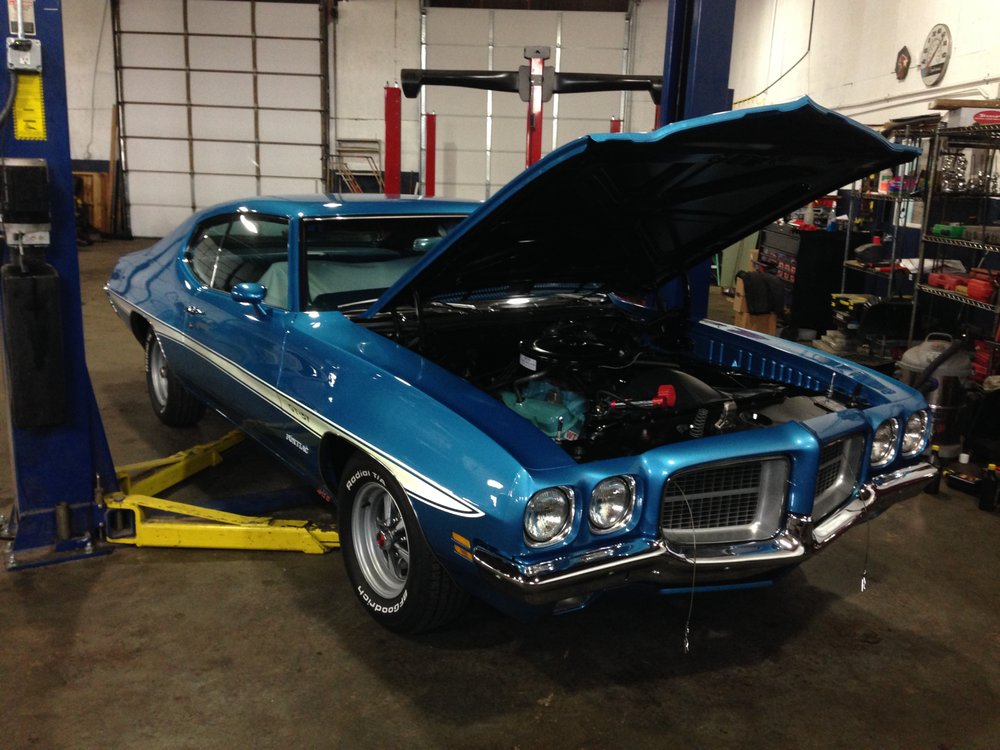
The radiator forms the main part of the car cooling system and helps maintain a suitable temperature for the car engine. If the radiator isn’t performing efficiently, it may severely affect the car’s performance and lead to costly repairs. That being said, you could better understand why radiator maintenance is a key element in car care that should never be neglected. Continue reading for help diagnosing common radiator problems like a professional, and discuss the warning signs and steps to take before consulting a mechanic, like our team of professionals here at HCS Auto Repair.
Understanding Radiator Function
Next to the cooling system, which is also vital for keeping your vehicle running smoothly, is the radiator. The radiator acts as the major temperature controller, ensuring your engine maintains appropriate temperatures by allowing coolant to pass through easily. Here’s how it works:
- Coolant passes through the engine, absorbing heat as it goes
- Heated coolant then makes its way to the radiator
- Air passes over the radiator fins to cool the coolant
- The cooled coolant returns to the engine, repeating the cycle
This cycle must persist continuously to avoid overheating and allow optimal engine performance.
The Radiator Fan System
The radiator fan’s purpose is to blow air over the radiator to help cool the circulating coolant. It performs several key functions:
- Activates when necessary, especially during idle or slow traffic
- Draws in cooler air through the radiator
- Provides additional airflow for more efficient coolant cooling
A broken radiator fan can lead to overheating when your car idles or cruises at low speed.
Common Radiator Problems and Symptoms
When radiator issues develop, they manifest through specific signs and symptoms. Here are the most common problems:
1. Coolant Leaks
- Look for puddles of green or orange fluid beneath your vehicle
- Inspect hoses and connections for cracks or loose fittings
2. Overheating Problems
- Watch for engine temperature readings in the red zone
- May result from insufficient coolant circulation
- Common causes include malfunctioning thermostats or blocked radiator passages
3. Congested Radiators
- Rust buildup reduces efficiency over time
- Engine runs hotter than usual during normal driving
- May produce steam from under the hood in severe cases
Remember, early detection of these symptoms allows for timely maintenance and helps maintain your car’s optimal condition.
Step-by-Step Guide to Diagnosing Cooling System Failures
Diagnosing cooling system failures on your own can save you time and money while allowing you to identify the problem before it escalates into major repairs. Here’s how you can do that like a pro:
Pressure Test: How to Locate Leaks Successfully
One of the most recommended steps to spot leaks in the radiator or hoses is a pressure test. A pressure tester should be used to simulate the cooling system’s pressure conditions when conducting the pressure test. Here is how you conduct the procedure:
- Start with a cool engine: Ensure that the engine is cool to avoid burns and other injuries when conducting tests.
- Attach the pressure tester: Fasten the tester to the radiator cap opening.
- Pressure Check to Required: Pump to the required pressure as stated in the owner’s manual of your car.
- Leaks: When pressure drops, it’s an indication of a leak.
Further inspections can be done by simply observing, like coolant dripping from somewhere. With this simple test, you can identify the areas requiring immediate attention, saving you from some possible roadside emergencies for the day.
Visual Inspections: Sharp Eyes
Periodical visual inspections may give you rust or damage in some of the following components in your cooling system:
- Hoses: Check for cracks, bulges, and soft spots that would indicate wear and tear.
- Water Pump: Check around the pump for coolant residue or rust trails that could indicate leakage.
- Radiator Surface: Check for apparent rust or corrosion that might cause blockages.
These, most of the time, show discoloration or rust and sometimes can also create strange noises in your car while driving.
Diagnostic Scanner: Your Sidekick
An OBD-II scanner is a great diagnostic tool that helps analyze issues with your radiator in real-time by giving you live information about your vehicle:
- Plug & Play: Plug the device under your dashboard. The port is most often found there.
- Read Codes: Scan codes for diagnostic trouble codes associated with engine temperature and cooling efficiency.
- Interpret Data: Use the given codes to interpret specific problems and determine how to proceed.
Using these tools and techniques, you’ll be ready to deal with most of the common failures of a cooling system with confidence. If problems persist or you are unsure of how to handle complicated repairs, you might need to look for professional radiator repair services.
Common Reasons Radiator Breaks Down That You Should Know About
These radiator repairs will make more sense to you if the reasons for their malfunction are identified in advance!
Faulty Thermostat
One of the frequent causes of overheating malfunctions is a stuck thermostat. It controls the temperature of the engine by regulating coolant flow. If it sticks shut, then the coolant cannot flow and the engine will therefore overheat.
Water Pump Failure
The role of a water pump is very essential, provided coolant flow within the system. And if such an important part fails, then you probably will be faced with the sudden spike of your car’s engine temperature. Mainly, it’s often due to some causes as worn bearings and even cracked impeller. Therefore, coolants don’t circulate properly within your engine.
Rust and Gunk Buildup
Another problem that comes when trying to change coolants sneakily is the rust and gunk build-up within the radiator. Over time, rust and mineral deposits from old or low-quality coolant will build up and eventually cause blockages that limit efficient heat exchange. This not only reduces performance but also accelerates wear on other cooling components.
All of these issues can be overcome by a regular checkup for the problems and use of a high-quality coolant. Being aware of these common issues, you would be well-equipped to continue with the running of your vehicle’s cooling system without any complications.
When to Seek Professional Help for Your Car’s Cooling System Problems?
Sometimes, repairs of the DIY type will just not suffice to keep your vehicle’s cooling system running effectively. One such example is when a complete radiator replacement is required, a task that needs professional expertise (like from our professionals here at HCS Auto Repair!) Such complex issues, which are beyond the reach of your home garage, require specialized knowledge and tools that certified mechanics solely own.
Experts need to be entrusted with the car so that a comprehensive checkup is done, saving one from probable expensive mistakes. The car needs treatment from professionals, and knowing when it needs help is what helps keep it healthy. You can trust us; we will fix it right!
Choose HCS Auto Repair
In this case, being very proactive is most important. You have to check the cooling system in your vehicle from time to time so that problems are identified early and corrected to prevent costly repairs later on. Always look out for signs of trouble so you can take care of them at the right time to ensure the best performance.
Not sure if your car has a malfunctioning radiator, or do you simply have automotive concerns in general? HCS Auto Repair in Springdale, AR is here to be of assistance. All our ASE certified technicians are standing by to make all that radiator repair and auto repair happen. Call us today at (479) 751-8232. It’s not just about being mechanics we are your trusted partners with your car!