
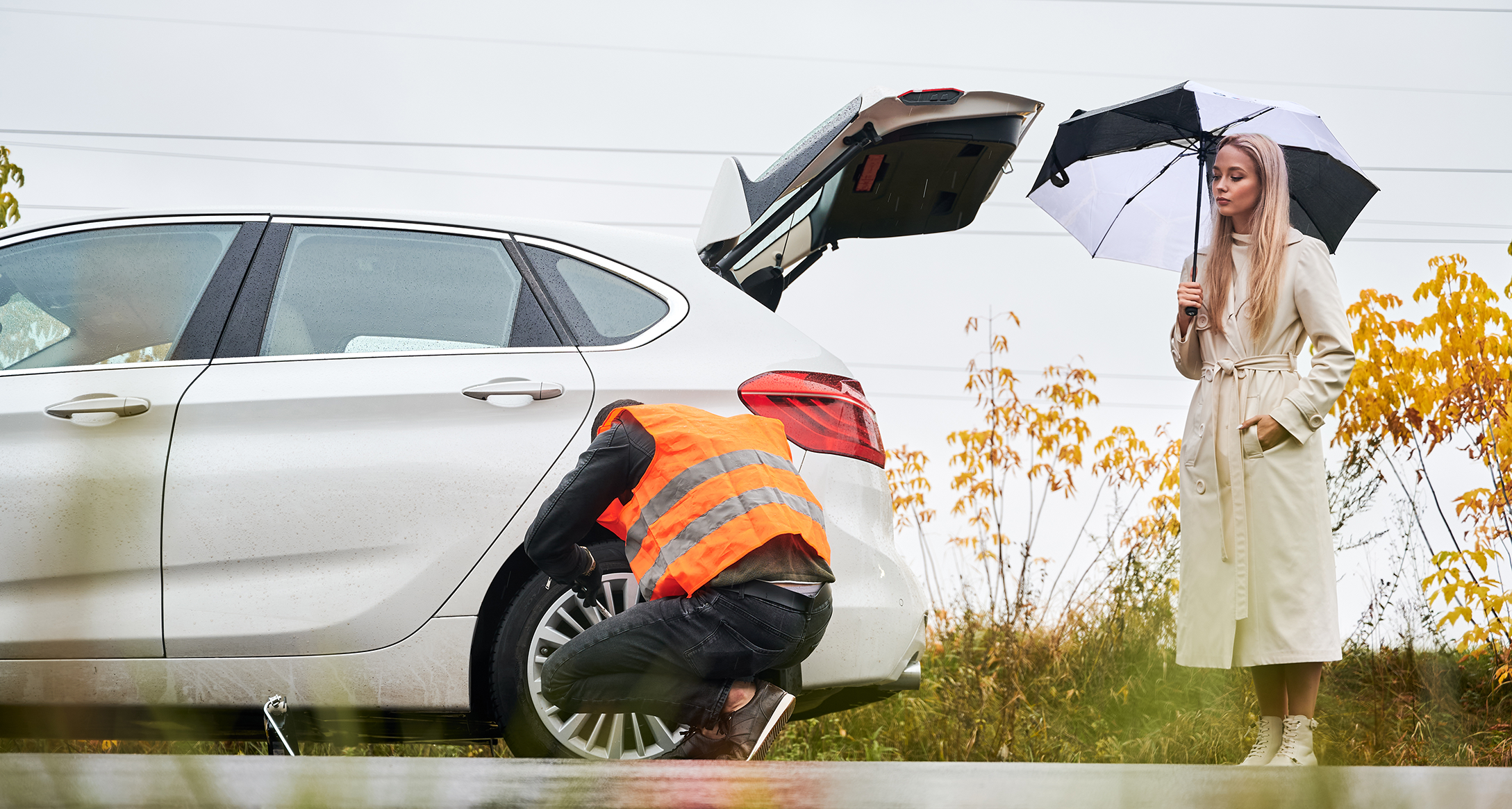
Ever questioned the correct towing distance from your vehicle? Are you handling a breakdown, relocating to another place, or towing a project car? It is essential that you understand the towing capacity of your vehicle to stay safe and successful.
Why Do Cars Need Towing
Vehicles have to be towed in many circumstances. Mechanical failure is one of the most frequent requirements, leaving the driver stranded once the vehicle malfunctions. Transportation of vehicles long distances is another common requirement, particularly in the transportation or purchase of vehicles from far away. Wreck recovery is also one of the most required towing needs, so wrecked cars can be recovered from crash sites safely.
Non-running cars typically have to be towed from place to place as well, whether it is a project car, a vintage car, or a car that requires major repair at specialty shops.
What Factors Influence Your Towing Distance?
Your towing distance depends on several key factors:
- Vehicle weight and size
- Towing method used
- Road conditions
- Local regulations
- Weather conditions
We understand the inconvenience that breakdowns of cars can bring and the need for proper towing practice. Using the right towing practice will ensure that your car is not damaged and will be safely transported to where it needs to go. The wrong towing will lead to expensive repairs, safety risks, or legal problems.
We will detail the basics required in car towing to enable you to make an informed choice on your towing requirements.
Factors Affecting Towing Capacity
Your tow capacity vehicle will determine how far and safely you can travel with a car that you’re towing. Below are the aspects you should understand about vehicle types and towing capacity:
Vehicle Types and Their Towing Capacities:
- Compact Cars: Limited towing capacity of 1,000-2,000 pounds
- Mid-Size Sedans: Can typically handle 2,000-3,500 pounds
- SUVs: Varying capacities from 3,000-8,000 pounds
- Light-Duty Trucks: Capable of towing 5,000-12,000 pounds
- Heavy-Duty Trucks: Can manage up to 20,000 pounds or more
Weight Distribution Matters
Weight distribution is central to tow safety. Right weight distribution promotes steering control while preventing unsafe swaying when traveling. It also ensures right braking performance and reduces unnecessary stress on your vehicle. Proper weight distribution creates a stable tow condition that guards automobiles and renders the journey safer for all people on the road.
A recommended tongue weight (forward-pushing weight at the hitch point) is 10-15% of the total trailer weight. For example, if you’re hauling a 3,000-pound vehicle, tongue weight will be in the 300-450-pound range.
Your car’s wheelbase length also contributes to towing stability. Trucks and full-size SUVs, for instance, are longer in wheelbase and thus more stable than their shorter counterparts. This increased stability provides safer towing over a greater distance.
Towing Practices and Their Effects on Tow-bar Distance Limitations
Selecting the best towing technique will greatly impact your towing experience. Below are the three most common towing techniques and their applications:
1. Flatbed Towing
Flatbed towing is the safest option for all vehicle types, as it keeps all wheels off the ground.
- Ideal for long-distance towing
- Perfect for luxury, AWD, and damaged vehicles
- Prevents additional wear on tires and transmission
2. Dolly Towing
Dolly towing lifts the front wheels off the ground and is suitable for front-wheel-drive vehicles.
- Cost-effective for shorter distances
- Not recommended for AWD vehicles
- Requires proper wheel securing
3. Tow Bars
Towing with tow bars involves connecting directly to the towed vehicle and is best for dinghy towing behind RVs.
- Works well with manual transmission vehicles
- Requires additional safety equipment
- Limited to specific vehicle models
Safety Requirements for Different Towing Methods
Each towing method demands specific safety measures that must be followed strictly. There must be regular checking of joining points to ensure all parts remain secure during transport. Enough light and coordination of signals between the towing and towed vehicles is needed to clearly pass information to other road users.
Safety chains should be tightly hooked as a stand-by device in the event of a failure of the primary link. Sub-recommended speeds are a necessary part of safe towing procedure since higher speed leads to instability and loss of control.
Periodic checks of brakes during long-distance travel are particularly important so that the system is in proper working order and safe. The regular checks ensure that any potential problems do not become dangerous conditions on the road.
Your owner’s manual dictates which towing techniques are safe for your vehicle. Some newer cars equipped with sophisticated transmissions need special towing procedures to avoid mechanical failure.
Legal Considerations in Towing Operations
Understand and follow towing law and regulations to assure your safety and legal protection. Every state has certain laws that control towing practices, including:
1. Required Equipment
Make sure you have the following equipment in your towing setup:
- Safety chains
- Working brake lights
- Proper towing hitches
- Visible license plates
2. Weight Restrictions
Be aware of the following weight restrictions when towing:
- Maximum towing capacity limits
- Load distribution requirements
- Axle weight regulations
Legal Requirements and Documentation for Towing
Non-compliance has serious repercussions. They are heavy fines, suspension of the license, denial of insurance coverage, and legal responsibility in case of an accident. The repercussions of non-compliance can affect your money and driving license considerably.
Against legal mandates can result in severe consequences. They encompass heavy fines, loss of licenses, refusal of insurance claims, and faultiness in the event of an accident. The punishment against non-adherence can impact your wallet and driving record negatively.
In addition to state regulations, city regulations may impose some limitations on your towing company. You can discover specially designated towed vehicle routes, day-time towing restrictions, special permits for certain vehicles, and tow speeds. These city regulations are meant to bring order and safety into some areas.
In a legally and properly executed towing, having the appropriate documents is necessary. It involves having a valid license, current insurance, getting necessary permits to tow wherever required, and keeping your motor vehicle registration handy. Having such documents and the documents available at hand can prevent any future legitimacy issues in your towing operations.
Keep in mind that such laws may be modified, as the Department of Transportation revises them from time to time. That is why it is necessary to know the current requirements in one’s area by looking at official government websites or by going to neighboring authorities in person.
Environmental Factors That Affect Towing Distance Restrictions
Your towing experience will have special challenges based on the type of terrain you are driving over.
1. Mountainous Regions
- Steep inclines reduce your vehicle’s towing capacity
- Higher altitudes decrease engine performance
- Frequent brake usage requires additional cooling time
2. Sandy or Muddy Conditions
- Reduced traction affects vehicle control
- Extra power needed to maintain momentum
- Risk of getting stuck increases significantly
3. Weather Impact on Towing
- Rain: Slippery roads decrease brake effectiveness
- Snow: Limited visibility and traction require slower speeds
- Strong winds: Side forces can cause trailer sway
- Extreme heat: Risk of tire blowouts and engine strain
Each environmental factor requires adjustments to your towing approach. At higher elevations, you may have to lighten your load by 2-4% for each 1,000 feet of elevation above sea level. Wet pavement can reduce your safe towing speed by as much as 30%. These conditions make it particularly important to carefully plan your route and modify your driving practices accordingly.
Best Practices for Safe and Effective Towing Operations
An effective tow starts with the proper preparation and attention to safety details. These are things that you need to check before your tow commences:
Pre-Towing Safety Checklist:
- Inspect all towing equipment for wear or damage
- Verify your vehicle’s towing capacity matches the load
- Check tire pressure on both vehicles
- Ensure all lights and signals are functioning properly
- Secure safety chains in a criss-cross pattern
During the Tow:
- Maintain slower speeds – stay 10mph below posted limits
- Keep extended following distances
- Avoid sudden braking or acceleration
- Make wider turns to accommodate the extra length
- Check your mirrors frequently
Essential Safety Equipment:
- Warning flags or reflective triangles
- Heavy-duty towing straps
- Proper lighting equipment
- Basic tool kit
- Emergency roadside kit
Your towing setup needs regular monitoring throughout the journey. Watch for signs of swaying, unusual noises, or vibrations that could indicate potential problems. A quick safety check during rest stops helps identify any loose connections or developing issues.
Remember to adjust your driving habits – the added weight behind your vehicle changes its handling characteristics. Brake earlier, accelerate gradually, and stay alert to changing road conditions that might affect your towing stability.
Seeking Professional Assistance with Your Towing Needs
Towing your car requires experience, proper equipment, and familiarity with safety procedures. At HCS Auto Repair, our ASE-certified mechanics leverage decades of experience to have your towing requirements safely and effectively met.
Professional Towing Assessment and Services
We are familiar with the specifics of various vehicles and towing conditions. Our staff offers thorough professional evaluation of your vehicle’s towing needs, assuring safe and damage-free towing operations.
We offer expert guidance on towing methods and distances, carefully considering your specific situation. Pre-towing and post-towing operations are carried out by us through a solemn check-up of the car for safety and integrity reasons throughout the whole process.
Safety first. Avoid damage to your vehicle and compromising road safety by doing half-baked towing jobs. Let our skilled team take care of your towing needs.
Ready for professional towing assistance? Contact us today:
Setting the benchmark for excellence since 1988. Give us a call today at (479) 751-8232.
Trust your vehicle with Springdale’s most reliable auto repair experts – we treat every customer like family.