
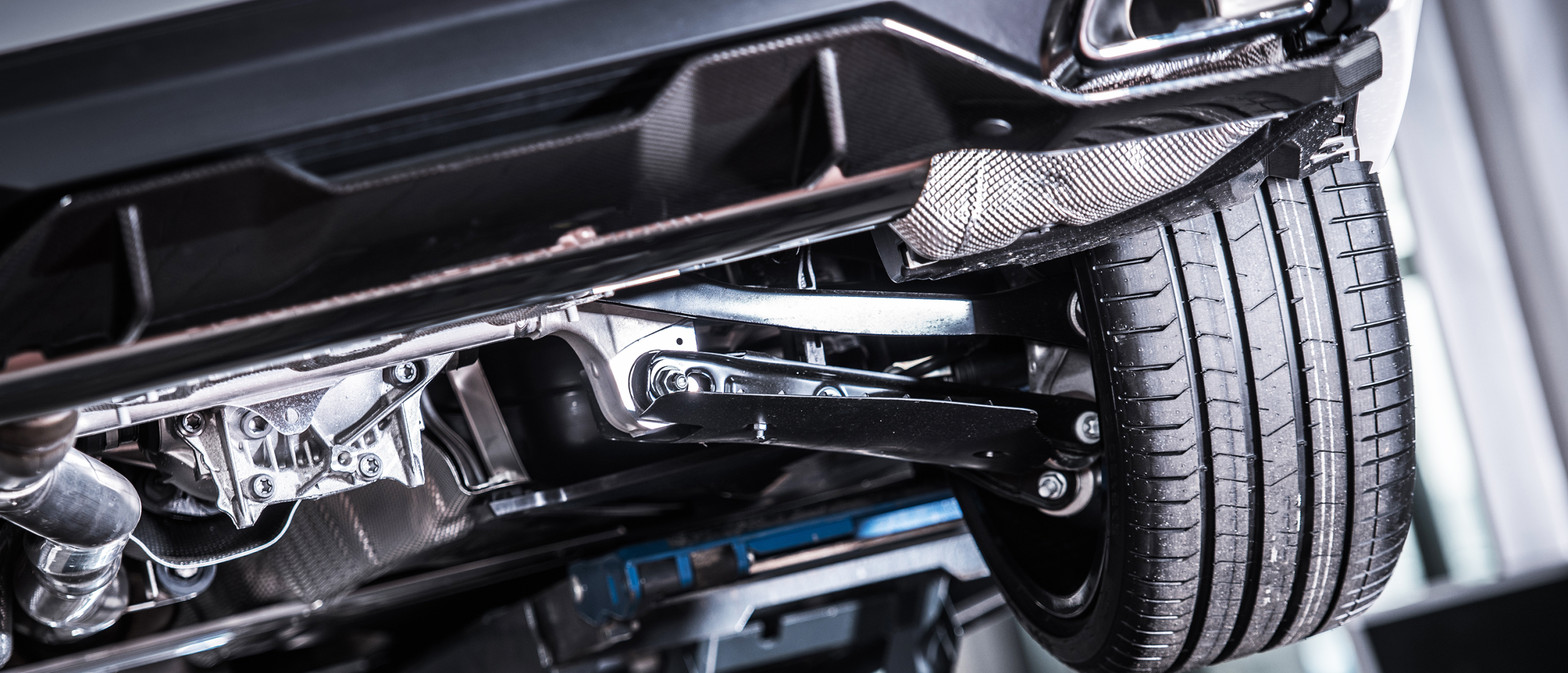
Your steering system depends on many working parts, but none is as important as tie rods. These valuable components convert your steering wheel turn into your wheel’s motion, so they are the linchpin on which your auto safety system is founded. When tie rods wear or even break, the consequences extend well beyond a bit of inconvenience, they undermine your very ability to control driving.
Replacement of the tie rod is not something you should ever undertake as regular maintenance, but rather as a key investment in safer travel for you and others around you on the highway. Continue reading to learn more about tie rods, their function in your steering system, recognizing signs that indicate replacement is needed, and establishing good maintenance routines to ensure your vehicle operates safely and effectively.
Understanding Tie Rods and Their Function in Steering Systems
Tie rods are a critical component of your vehicle’s steering system. They link the steering wheel to the wheels so that you can steer your vehicle. Tie rods consist of two significant components that function together:
Inner tie rod: This component is attached directly to the steering rack.
Outer tie rod: This component is attached to the steering knuckles at both front wheels.
As you rotate the steering wheel, the steering system is activated. Your input is channeled through the gearbox to the steering rack, which in turn sends this motion to the steering knuckles via the tie rods. This very precise mechanical linkage converts your steering inputs into precise wheel motion.
The Importance of Adjustability
Maybe the biggest advantage of tie rods is that they are adjustable. With these parts set to be longer or shorter, their technicians can dial in the perfect wheel alignment for your vehicle. This adjustability is important because it enables them to:
- Fine-tune toe angle adjustments
- Position the wheels in their correct position
- Make maximum tire contact with the road surface
The fact that tie rods can be adjusted makes them a critical component for ensuring optimal tolerances of alignment. It helps your vehicle drive straight and predictably respond to steering input.
Why Tie Rods Are So Important to Your Vehicle’s Safety and Performance
Steering accuracy is the heart of safe driving, and tie rods are the key that enables it. With your tie rods in proper condition, each steering wheel turn is an instant, accurate rotation of the wheels. This responsiveness enables you to take hairpin turns, navigate an obstacle course, and hold on through life-or-death turns.
The tie rod’s relation to tire wear and alignment hits you head-on in your pocketbook and safety. Correctly adjusted tie rods ensure the wheels are in alignment. This means your tires receive an equal amount of contact with the road surfaces. Equal contact stops uneven tire edge wear and lengthens tire life considerably. You’ll also notice better fuel efficiency since your engine isn’t straining more to fight misaligned wheel resistance.
Your car’s safety system is dependent on tie rod integrity. With the tie rods loose or failing, you’re losing fine control to react to road hazards. The steering becomes uncontrolled, leading to unsafe situations where your car would not be able to travel where you want it to travel. This type of loss of control can lead to accidents, so tie rod maintenance is not something you can do without on the road to vehicle safety.
Common Signs That Tie Rod Replacement Is Needed
Recognizing early signs of worn-out tie rods can avoid hazardous driving conditions and repair bills. Your car speaks out about these issues through a variety of unique symptoms that call for prompt attention.
1. Steering Wheel Behavior
Steering wheel behavior often provides the first warning. You’ll notice excessive looseness in steering wheel movement, requiring more input to maintain straight-line driving. This play in the steering creates an unsettling feeling of disconnection between you and the road.
2. Tire Wear Patterns
Tire wear patterns tell their own story about tie rod health. Uneven tire wear appears as irregular patterns, particularly on the inner or outer edges of your tires. These abnormal wear patterns indicate misalignment caused by compromised tie rods, costing you money in premature tire replacement.
3. Audible Warnings
Audible warnings include distinctive knocking or clunking noises during turns or when driving over bumps. These sounds signal worn tie rod ends struggling to maintain proper connections within your steering system.
4. Visual Inspection
Visual inspection reveals physical deterioration that you can spot yourself. Look for cracked rubber boots, excessive corrosion, or visible damage to the tie rod components.
When to Replace Tie Rods for Safer Driving
Knowing when to replace a tie rod is a matter of preventive policy that prioritizes prevention over symptomatic repair. It has a direct influence on your safety and vehicle performance.
Routine Maintenance Schedule
Adding tie rod checks to your list of regular car maintenance procedures prevents issues from escalating into a serious problem. Let your technician examine the steering components during periodic tune-ups or oil changes. Tie rods must be checked every 12,000 to 15,000 miles in most cars, but this depends on the car model and driving conditions.
High-Mileage Vehicle Considerations
Vehicles with more than 100,000 miles on the odometer are subject to tie rod failure. Long-term stress created by repeated steering action slowly wears these parts. Instead of waiting for symptoms, have preventive replacement done near mileage points. This is less expensive than repairing damage caused by an accident and helps avoid potential accidents.
Post-Accident Inspections
Any collision or impact requires the instant examination of steering systems. Fender benders are a minor cause of misalignment and bending of tie rods with no apparent outward signs. Road hazards, such as extreme potholes or curb impacts, also require thorough examinations, as these accidents can compromise the steering integrity.
Effects of Defective Tie Rods on Tire Wear and Wheel Alignment Problems
The impact of a faulty tie rod reaches way beyond mere steering issues, producing a chain reaction of problems that appear in your pocketbook and on the road. When your tie rods are worn out or busted, they can’t keep your wheels aligned any longer, so your wheels begin to wander out of alignment. Your alignment guides your tires that contact the road at the wrong angles, producing characteristic patterns of wear.
You’ll notice tire wear and alignment issues manifesting as:
- Excessive wear on tire edges – inner or outer treads are wearing faster than the center
- Feathering patterns – tire treads developing sharp edges on one side
- Cupping or scalloping – irregular dips across the tire surface
These alignment issues not only ruin your tires prematurely; they upset the stability of your vehicle’s handling. Your vehicle may pull to one side, need frequent steering adjustments, or still be unstable upon turning. The cost adds up fast – repeated tire replacement without addressing the issue at hand means you’re paying repeatedly for car repair expenses. Lost steering accuracy caused by defective tie rods makes normal driving maneuvers potentially risky, making lane changes unpredictable and emergency steering movements questionable.
Preventive Steering Assemblies Maintenance, Such as Tie Rods
Preventive maintenance of steering assemblies is your best protection from expensive repairs and unsafe driving. Routine examination permits you to determine wear patterns before they develop into full-blown safety concerns.
The Importance of Tie Rod Replacement for Safer Driving
Tie rod replacement becomes evident when you establish a proactive maintenance schedule. Consider these essential practices:
- Monthly visual inspections of tie rod boots for cracks or tears
- Professional steering system checks every 12,000 miles
- Immediate attention to any unusual steering sensations
- Lubrication services as recommended by your vehicle manufacturer
Proactive care extends the lifespan of your entire steering system while maintaining optimal performance. You’ll be saving yourself money by catching smaller problems before they ruin other parts, such as ball joints, control arms, or even the steering rack itself. Maintenance also helps retain your car’s resale value and ensures consistent handling traits, allowing you to feel comfortable driving your car.
Professional Service for Tie Rod Diagnosis and Replacement
With tie rod problems, professional tie rod repair and replacement in Springdale, AR, is necessary for the safety and security of your operation. Trained mechanics possess the specialized training and diagnostic equipment to thoroughly inspect steering component issues that are often beyond the scope of regular maintenance.
Professional diagnosis is more than visual inspection by the eyes. ASE-certified technicians utilize precise measuring equipment to identify minor wear patterns, verify appropriate torque ratings, and look for misalignment problems that might reveal tie rod failure. This comprehensive procedure eliminates incorrect diagnosis and provides you with the accurate repairs your vehicle requires.
We at HCS Auto Repair have been offering the people of Springdale quality auto repair services since 1988, making us your reliable local repair shop for full auto repair services. Our technicians are ASE certified and have decades of experience in every tie rod replacement service. We understand how important these parts are in your car’s safety system.
We don’t make you feel like a customer – you’re a lifetime customer and friend. Our dedication to improved service promises:
- Complete diagnosis by professional tools
- Accurate installation methods conforming to manufacturer requirements
- Quality replacement parts to deliver long-term performance
- Honest repair information on what’s needed and at what cost
Our total commitment to steering system repair ensures your vehicle receives the care it needs from experienced mechanics committed to safety and reliability.
Choose HCS Auto Repair
Your steering system needs to be inspected immediately if warning signs are present. Ignoring loose steering, uneven wear of tyres, or unusual noises puts you and others on the road in harm’s way unnecessarily. The importance of tie rod replacement for safe driving cannot be stressed more, these are crucial parts that directly impact your capability to remain in control on the road.
Don’t let a small problem be a big safety issue. Book an appointment today with HCS Auto Repair’s ASE-certified technicians who know the fine points of tie rod replacement service in Springdale, AR. Call (479) 751-8232 to book your appointment with specialists who value your safety and peace of mind. Your car, and your loved ones, are worth the professional attention that enables you to drive safely around Springdale roads.