

For many vehicle owners, timing chains are often regarded as a part that never needs maintenance (or never even knows it exists!), but that’s not the case at all. The timing chains of modern vehicles have their service life, and when that service life is over, you might find the replacement cost quite a bit.
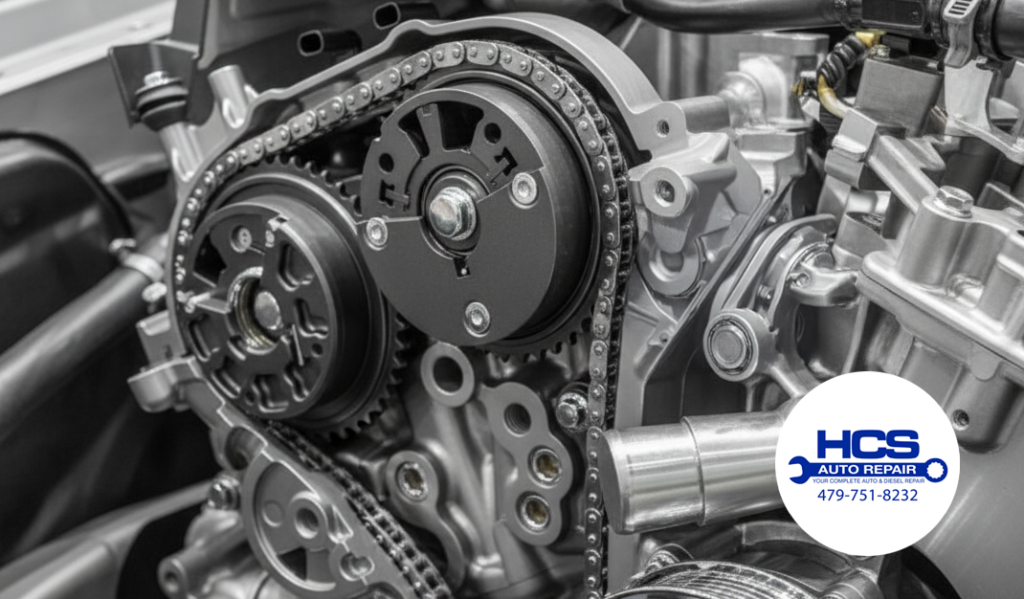
A very important part of your engine, the timing chain, affects its smooth operation directly. Its task is to ensure the crankshaft and camshafts turn in sync, so the engine’s valves can open and close at precisely the right moments. If this component breaks down, don’t expect just a minor repair-you will have to deal with the possibility of severe engine destruction costing you somewhere between $5,000 and $10,000.
The reason for this misconception about the longevity of timing chains has its roots in older vehicles. In the past, the manufacturing of timing chains involved using heavy metal construction and metal guides. But today’s lightweight designs using plastic parts have changed the situation completely. There have been cases where timing chains were found to be defective after only 71,000 miles, and the effects could be disastrous.
When you get to know the reasons for timing chain replacement being both unavoidable and costly, you will be able to make wise choices regarding your vehicle’s maintenance and maybe even avoid spending thousands on repairs later.
Understanding the Timing Chain and Its Role
The timing chain is one of the crucial engine parts that ensures everything runs smoothly and in sync with your car. It links the crankshaft and camshafts, ensuring the engine’s valves open and close exactly at the right moments. The timing chain also helps the pistons to move fast, concurrently opening and closing the intake and exhaust valves. If this perfect timing and coordination are not there, your engine will not run properly.
Timing Chains vs. Timing Belts
You may be curious about how timing chains are different from timing belts. Both serve the same purpose, but there are key distinctions between them:
- Material: Timing belts are made of reinforced rubber, while timing chains are made of metal.
- Replacement Interval: Timing belts usually need to be replaced every 60,000 to 100,000 miles, whereas timing chains are designed to last the lifetime of the vehicle.
This is where many car repair myths originate.
The Truth About Modern Timing Chains
The reality of modern timing chains tells a different story. Unlike the heavy-duty metal components found in older cars, today’s chains are designed to be lightweight for better fuel efficiency and reduced engine weight. Unfortunately, this means that modern timing chains may not last as long as expected.
Here are some key points to understand about contemporary timing chains:
Thinner and More Delicate: Newer chains are thinner and more delicate compared to their predecessors.
Plastic Guides: Instead of robust metal guides like in the past, plastic guides now support these newer chains.
Wear and Tear: As a result of these changes, modern timing chains experience wear and tear much sooner than anticipated.
What was once considered a “lifetime” component in auto repair is now something that requires regular maintenance and attention from you.
Why Timing Chain Replacement Is Often Necessary
In the past, it could be argued that a timing chain would last the lifetime of the car, but this notion has now turned into a risky myth. The statement was true for older cars that used to have the stronger and heavier metal parts, but now it is the other way around. We have modern timing chains that are lighter, and the plastic guides that support them are not as tough as the metal ones that were used in the past.
Common Signs Your Timing Chain Needs Attention:
Broken plastic guides – These deteriorate over time and can shatter into pieces
Stretched chains – Metal fatigue causes the chain to elongate, affecting timing precision
Rattling noises from the engine, especially during cold starts
Check engine lights related to camshaft or crankshaft position sensors
The real shock comes when you see the mileage at which these failures occur. We’ve witnessed a timing chain fail at just 71,000 miles, breaking in multiple places. Another BMW engine experienced catastrophic failure at 87,000 miles, jumping time on the intake camshaft. These aren’t isolated incidents with neglected vehicles – they’re regular car repair scenarios we handle at our shop.
The complete failure of a timing chain does not only mean having to replace the chain. Timing wrong can lead to the striking of the valves with the pistons that, in turn, results in bent valves, damaged pistons, and even a total engine failure. You will definitely want to avoid this kind of repair bill of $5,000 to $10,000 by tackling the timing chain issues beforehand.
Reasons Behind the High Cost of Timing Chain Replacement
When you first hear the messed-up price for timing chain replacement, the thought of asking the mechanics why it is so expensive naturally comes to your mind. The answer to that is hidden in the great complexity of the task itself.
1. The Physical Demands of Access
Getting to your timing chain isn’t a simple matter of popping the hood and reaching in. Your mechanic needs to remove multiple components just to access the chain:
- Valve covers must come off first
- Engine mounts often need removal or loosening
- The oil pan has to be dropped in most cases
- In some vehicles, the engine itself needs to come out
Each of these steps requires careful attention and adds significant labor hours to your bill.
2. Specialized Tools Make the Difference
You can’t replace a timing chain with basic wrenches and sockets. Some vehicles require up to five different specialized tools for a single job. These include TDC (top dead center) pins, flywheel holders, camshaft alignment tools, variable timing sprocket aligners, and oil pump counter balance shaft alignment tools. These aren’t cheap tools you’ll find at your local hardware store-they’re vehicle-specific equipment that professional shops invest in to do the job right.
3. The Hidden Costs of Related Components
Smart mechanics know that certain parts can’t be reused once removed. Crankshaft bolts typically need replacement after every removal due to their torque specifications. VVT (Variable Valve Timing) gears should also be replaced during timing chain service to prevent you from facing another expensive repair shortly after.
The Technical Challenges Involved in Timing Chain Repairs
Timing chain replacement requires a level of precision that sets it apart from regular auto repairs. When it comes to engine timing, there’s no room for mistakes-even a slight misalignment can lead to severe engine damage.
Critical Alignment Tools You Can’t Skip:
TDC (Top Dead Center) pins lock the crankshaft in the exact position needed for proper timing
Camshaft holders keep the camshafts from rotating during the replacement process
Sprocket holders secure the variable timing gears in their correct positions
Flywheel holders prevent the crankshaft from moving while you’re torquing bolts
Oil pump alignment tools ensure the counter balance shaft stays synchronized
These tools are not optional-they’re essential for successfully replacing a timing chain. Without them, you’re putting your engine at risk.
The laborious characteristic of this work calls for certified technicians who are familiar with the intricate mechanics of engine timing. Your mechanic needs to have a comprehensive knowledge of the functioning of each part in unison, the torque settings for each bolt, and the procedures for alignment checking at different stages of the process.
Let me explain why timing chain repairs can be a heavy technical cost burden: an incorrect installation can lead to the bending of valves, breaking of pistons, or even the whole engine becoming unusable. We have seen cases where the engines were facing timing issues due to wrong repairs, resulting in extra damage costs of $5,000 to $10,000. The risk of the consequences is great, and the presence of skilled workers as well as the use of proper tools is not a luxury, but a necessity that protects your investment.
Best Practices for Timing Chain Replacement to Save Costs Long-Term
When it comes to timing chain replacement, taking shortcuts can end up costing you significantly more down the road. Replace the entire timing chain kit rather than attempting partial repairs. This involves putting in new chains, guides, tensioners, and gears simultaneously. You might think about cutting the cost a bit by changing only the chain, but soon enough, the worn plastic guides and stretched gears will give up, making you incur the same labor-intensive car repair cost all over again.
The crankshaft bolts are another critical point to consider. In many vehicles, these bolts are intended for one-time use only and have to be replaced after they have been removed. The reuse of old hardware, though, seems like a tiny cost-saving option; however, it comes with the danger of engine failure. The same principle applies to VVT (Variable Valve Timing) gears – replacing them during your timing chain service prevents future issues that would require tearing the engine apart again.
Your choice of technician matters tremendously for this type of auto repair. It is necessary to have an expert who not only knows the particular requirements of your vehicle but also has access to the specialized tools we mentioned before and would not skimp on steps to give you a lower quote. ASE-certified technicians provide the proficiency required to deal with the exact alignment and meticulous assembly this job requires.
HCS Auto Repair’s Assistance to Vehicle Owners with Timing Chain Problems
We at HCS Auto Repair, which started our services in 1988, have become a reputable service provider in Springdale for the toughest auto repair jobs, including complex engine work like timing chain replacements. When you are confronted with an expensive timing chain replacement, an understanding shop of both the technical demands and the financial impact on your family is the best for you.
Expertise You Can Trust
Our team of ASE certified technicians comes equipped with all the specialized tools required for proper timing chain service-from TDC pins to flywheel holders and sprocket alignment tools. We don’t cut corners or attempt partial repairs that will have you back in the shop within months. Every timing chain job at our facility includes a comprehensive approach: we replace the entire kit, inspect related components like VVT gears, and use new crankshaft bolts when required.
Preventing Future Costs
What sets us apart is our mission to save you money in the long run. Even though the replacement of the timing chain is expensive, we still prioritize preventing a disastrous engine that is going to cost you somewhere between $5,000 and $10,000 to be repaired later. By bringing your auto to us at HCS Auto Repair, you don’t merely get a repair, you also receive the tranquility that a team, treating every car as if it were their own family member, can offer.
Choose HCS Auto Repair
In case you have the engine making odd noises, rattling, or poor performance, then do not wait until it is too late. Timing chain problems will not go away on their own, and delaying professional inspection can turn a minor car repair into a major engine failure that is going to cost you thousands more.
Whenever you require professional car repair in Springdale, AR, you can count on our technicians to deliver not only honest evaluations but also quality services that ultimately render your investment fruitful.
Would you like to arrange an inspection or ask something about your timing chain? Please, contact us via phone (479) 751-8232. At HCS Auto Repair, you are not simply another booking-you’re a lifelong companion, and we are committed to ensuring that your car is safe and dependable for as long as you need it.