
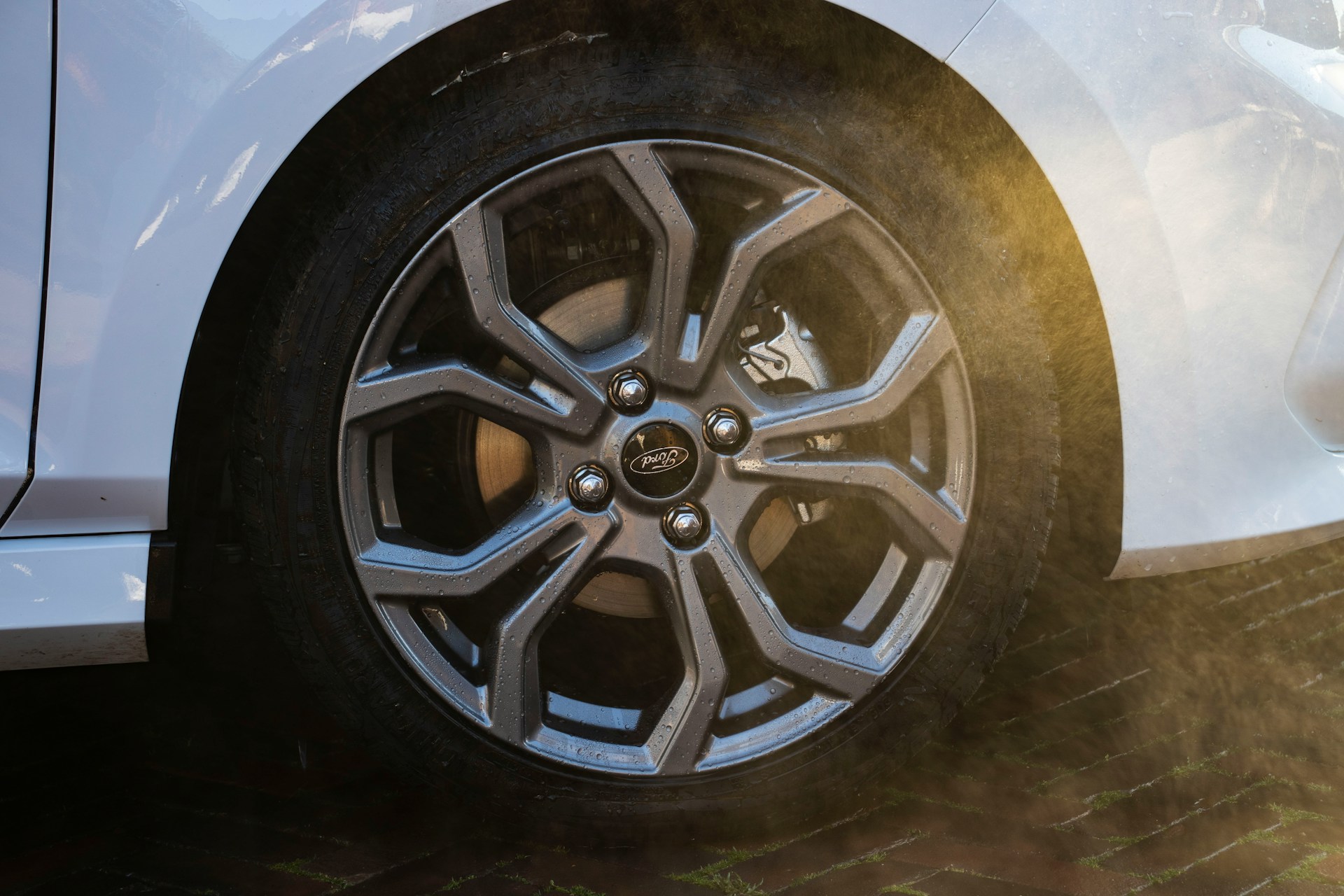
Oversized tires have become a popular choice for vehicle enthusiasts looking to make a statement on the roads in Rogers, AR. These larger-than-stock tires can transform your vehicle’s appearance, giving it that head-turning appeal you’ve always wanted.
But here’s what many don’t realize: while oversized tires might look impressive, they can secretly damage crucial components of your vehicle. At HCS Auto Repair, we’ve seen firsthand how these modifications can lead to premature wear on wheel bearings, suspension systems, and other vital parts.
Your vehicle was designed with specific tire specifications in mind. When you deviate from these standards, you’re potentially compromising its performance and longevity. Understanding these risks is essential for making informed decisions about your vehicle’s modifications.
Understanding Oversized Tires
Oversized tires are aftermarket modifications that exceed your vehicle’s original equipment manufacturer (OEM) specifications in both diameter and width. These tires typically extend beyond the factory wheel wells and create a more commanding presence on the road.
Vehicle owners choose larger tires for several compelling reasons:
- Enhanced Ground Clearance – Bigger tires lift your vehicle higher off the ground
- Improved Off-Road Capability – Larger contact patches provide better traction
- Visual Impact – Creates a bold, customized appearance
- Personal Expression – Reflects individual style and preferences
The appeal of oversized tires lies in their ability to transform a vehicle’s appearance. Your vehicle’s factory setup is engineered with specific tire dimensions in mind. When you opt for larger tires, you’re altering this careful balance!
The increased “poke” and offset – how far the wheels extend from the vehicle – creates additional leverage forces on your vehicle’s components. This modification requires careful consideration of your vehicle’s structural limits and regular maintenance checks to ensure safe operation.
The Impact of Oversized Tires on Vehicle Components
Your vehicle’s components work together in perfect harmony when equipped with factory-standard wheels and tires. Installing oversized tires disrupts this balance, creating a domino effect of stress on crucial parts.
Wheel Bearings: The Silent Sufferers
Wheel bearings, often referred to as the silent sufferers, are situated between the wheel hub and axle. They consist of two sets of roller bearings that bear the vehicle’s weight while in motion and ensure smooth rotation of the wheels.
Oversized tires create additional leverage on wheel bearings – similar to using a longer pry bar. This extra force accelerates wear, potentially leading to premature failure. A failing wheel bearing might be silent at first but becomes noticeable during suspension unloading.
Suspension System Under Strain
The factory suspension system is designed to meet particular wheel and tire specifications. When larger tires are used, it results in increased unsprung weight, added strain on the springs and control arms, altered suspension geometry, and a decline in ride quality.
Braking System Challenges
When you switch to oversized tires, your braking system experiences new challenges. The increased rotational mass means that more stopping power is needed, and this can lead to changes in the contact points of the brake pads. As a result, you might notice a potential decline in braking efficiency and a greater likelihood of wear on the brake components.
The real challenge lies in the physics of leverage.
When you extend tire size beyond factory specifications, you’re essentially creating a longer lever arm. This mechanical advantage works against your vehicle’s components, multiplying the forces they must handle during normal operation.
Regular maintenance is essential when using oversized tires, as certain signs can indicate premature wear. These signs may include unusual sounds when turning, vibrations at specific speeds, uneven patterns of tire wear, and a noticeable decline in brake responsiveness.
Your vehicle’s components were designed as a system, and each part was carefully calculated to work with factory specifications. While oversized tires can enhance your vehicle’s appearance, understanding their impact helps you make informed decisions about maintenance and modification limits.
Common Issues Associated with Oversized Tires
Running oversized tires on your vehicle creates unique challenges that require special attention. Let’s dive into the specific issues you might face:
Off-Road Performance Challenges
- Increased stress on drivetrain components during rough terrain navigation
- Higher risk of tire damage due to extended surface contact
- Reduced maneuverability in tight off-road situations
Daily Driving Impacts
- Decreased fuel efficiency from added rolling resistance
- Compromised handling and braking performance
- Potential rubbing against fenders during turns
- Increased stopping distance due to added rotational mass
Mechanical Strain
- Extra leverage effect on suspension components
- Accelerated wear on:
- Control arms
- Ball joints
- Steering components
- Transmission
- Altered gear ratios affecting vehicle performance
Maintenance Considerations
- Need for more frequent alignment checks
- Higher replacement costs for larger tires
- Increased strain on power steering systems
- Regular inspection requirements for suspension components
These issues become particularly noticeable when your vehicle wasn’t originally designed for such modifications. While the aesthetic appeal of oversized tires is undeniable, understanding these potential problems helps you make informed decisions about vehicle modifications and maintenance schedules.
Recommendations for Vehicle Owners with Oversized Tires
At HCS Auto Repair, we understand your desire for that striking oversized tire look. We’re here to help you maintain both style and safety with these essential maintenance tips:
Regular Inspection Schedule
Establish a regular inspection routine that includes checking the wheel bearings every 3 to 4 months, examining suspension components during standard maintenance, requesting evaluations of the brake system to confirm it’s functioning correctly, and keeping an eye on tire wear patterns to identify any potential alignment problems.
Know Your Vehicle’s Limits
When using oversized tires, it’s important to be aware that your vehicle was initially intended for factory-spec wheels and tires. Make sure to monitor any unusual noises or vibrations, observe any changes in steering response, keep an eye on potential increased brake wear, and track any variations in fuel efficiency.
Professional Maintenance Approach
We at HCS Auto Repair, our ASE-certified technicians focus on modified vehicles and are dedicated to assisting you in various ways. We can help you spot early warning signs of component stress, tailor maintenance schedules to fit your unique setup, suggest suitable modifications that align with your tire selection, and help you avoid expensive repairs through proactive maintenance.
Safety Considerations
It’s important to prioritize safety by maintaining the correct tire pressure for your oversized setup, checking the condition of wheel bearings at each tire rotation, and ensuring that suspension components can withstand the added stress. Additionally, consider upgrading related components to align with your modifications.
Remember – modified vehicles need specialized attention.
At HCS Auto Repair in Springdale, we tailor our service approach to your specific setup, helping you maintain both the impressive look you want and the reliability you need.
Choose HCS Auto Repair For Professional Services
Your vehicle’s safety shouldn’t take a backseat to style. While oversized tires can create a striking appearance, staying alert to potential wear and tear is crucial for your vehicle’s longevity. Regular inspections can catch issues early, preventing costly repairs and ensuring your safety on the road.
At HCS Auto Repair in Springdale, our ASE-certified technicians specialize in maintaining vehicles with oversized tires. We understand the unique challenges these modifications present and can help protect your investment through proactive maintenance.
Ready to ensure your modified vehicle stays in top condition? Call us at (479) 751-8232 or visit our shop. Let’s work together to keep your vehicle looking great and performing safely.