
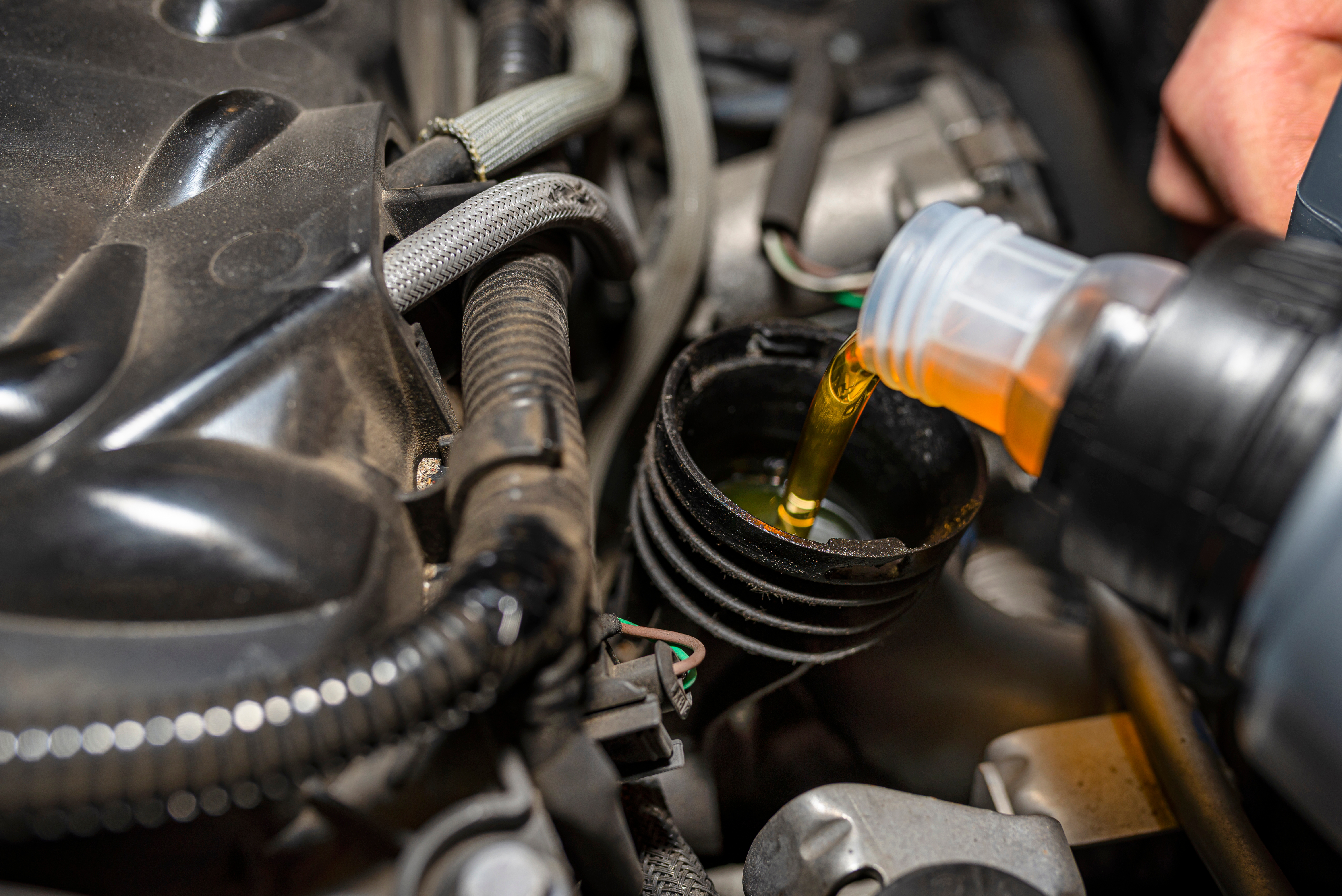
A vehicle leaking oil needs to be dealt with, as it’s very important for the health and performance of your car. Problems like these will lead to serious engine damage, poor fuel economy, and damage to the environment if neglected. Proper oil leak repair plays a monumental role in good vehicle maintenance.
Making an informed decision can be made easier by understanding the truth about some debunked common oil leak myths. Misconceptions can change how car owners perceive the services they should get, which is why understanding more about these myths is important. Continue reading to look through these myths and further arm you with the knowledge you need for better vehicle upkeep.
Understanding Oil Leaks in Vehicles
Oil leaks creep up rather sneakily on vehicle owners and are quite frustrating. But just what is an oil leak? To put it simply, an oil leak is a situation in which the oil in the engine usually flows out of its intended path and out of the car. This happens due to a variety of factors that can be brought about by wear and tear or actual damage to components such as seals and gaskets.
Common Sources of Oil Leaks:
O-rings and Gaskets: Many of these seals are the usual suspects in oil leakage. Many of them can become brittle with time or get damaged and begin leaking.
Valve Cover Gasket: This is located on the top of the engine, and when loose or worn out, this gasket will allow oil to leak out.
Oil Pan Gasket: It is located underneath your car; therefore, it takes on lots of road debris that will most likely cause damage leading to leaks.
Many hydraulic parts rely on pressurized fluid systems. If there is a leak within those systems, it will most likely have great ramifications on your vehicle’s performance and safety.
Debunking Common Myths About Oil Leaks
Oil leaks are kinda tough to understand because there are a lot of myths and misconceptions going around. We shed light on some of those myths below so that you may be adequately informed on how to go about maintaining your vehicle.
Myth 1: Synthetic Oil Causes Leaks in Older Engines
There is a widespread belief that synthetic oil makes older engines leak. This could perhaps come from the fact that synthetic oils have smaller molecules compared to conventional oils, which may reveal weak spots in an engine. The important thing to remember, however, is that synthetic oil does not cause a leak in and of itself. Instead, it actually has several advantages:
Superior Performance: Synthetic oils offer better lubrication, lesser wear and tear of the engine, and improved fuel efficiency.
Temperature Resistance: They maintain their viscosity over a wider temperature range.
Engine Cleaning: Most synthetic oils are formulated with additives to clean sludge and deposits.
Regarding older engines, the best thing to do is use a high-mileage synthetic blend or have all the seals and gaskets in good condition to avoid concern about possible leaks.
Myth 2: Engine Oil Must Be Topped Off
There is a general misconception that topping off engine oil helps in keeping the engine at an optimal level. While it is important to ensure that the engine has adequate quantities of oil, overfilling indeed can be damaging.
Overfilling with too much oil can cause increased pressure inside the engine, which may cause seal failures and leaks. Too much oil can make it start foaming, meaning it cannot serve its actual purpose of lubricating the components of the engine.
Instead of regularly topping it off, focus more on checking and changing it according to recommendations in your vehicle’s manual to maintain proper levels without the overfill issues.
Myth 3: Black Engine Oil Should be Replaced Immediately
When drivers see that the color of their car’s engine oil is black, most of them are eager to change it immediately. However, this is not a good thing to do. Normal oxidation acts just like it should, cleaning and lubricating while collecting minute dirt particles and turning dark. Darker shades of oil show its good work of capturing particles instead of allowing them to pass through and cause problems for your engine. Instead, regular maintenance should be carried out on a routine schedule recommended by the manufacturer of your vehicle.
Myth 4: Extra Oil Additives Improve Performance
A great number of the many products available on the market claim that extra oil additives work magic. While additives seem to be a shortcut or a boost, there are significant concerns. Compatibility issues arise as some additives may not blend well with your engine’s specific needs or existing oil formulation. There’s also a risk of damage, as the wrong application of additives would off-balance the chemical necessities for your engine oil, causing damage rather than enhancement.
For whatever additional substance you want to add to your car’s system, it is always necessary to consult with an expert mechanic or your car’s manual. It always pays to stick with the best class of oils formulated for your particular needs. This information is accurate as far as these myths are concerned, and it is used to avoid repairs that are not needed, which will keep your car running well for years.
How to Effectively Fix Oil Leaks and Clean Up Spills
Oil leaks can be intimidating to work with. There’s a much more important reason why learning how to fix oil leaks effectively is essential to ongoing vehicle maintenance. Now, let’s explore some actionable steps and best practices to handle these frustrating issues.
Before attempting to fix an oil leak, locate its source. The usual suspects are worn O-rings, gaskets, or loose bolts. O-ring seals are widely used in various parts of your car engine, so they may get brittle over time. Normally, it is quite easy to replace them. Gaskets can crack or warp, and reinstalling a new gasket can efficiently stop the leak. Tightening loose bolts can sometimes solve minor leakages.
While a car owner can do minor fixes themselves with DIY work, it is best to always seek professional help with complex fixes so that one does not get into potential damage or even safety risks.
Best Practices to Clean Oil Spills
The sooner an oil spill is attended to, the better it is both for the environment and also to prevent discoloration of the floor. Using absorbent materials such as absorbent mats or powders are exclusively designed for car spills. These mats and powders absorb oil instantly without creating a mess.
For eco-friendly alternatives, conventional kitty litter has been used as a remedy for decades; in recent times, though, eco-friendly alternatives such as biodegradable absorbents become more popular due to less environmental harm. Regular maintenance and prompt attention to leaks save money and prolong the life of your vehicle. Keep these tips in mind so you will be better prepared the next time an oil leak happens.
How to Report and Manage Oil Spills in Your Area
Oil spills are among the severe environmental and community issues. If you stay in Portland, particularly Multnomah County or Clackamas County, knowing how you can report a spill is handy.
How to Report Oil Spills
The first step is to find the number of your local Spill Hotline for Environmental Services. Describe the location and extent of the spill in order to facilitate a quick response. Good information is trustworthy for good management and cleanup. The risks are reduced, and the situation is handled on time only when it is reported early enough and dealt with by professional teams.
How does Hazardous Waste get Disposed?
Hazardous waste includes spent oils that have to be disposed of in a manner that does not lead them to contaminate the environment.
Place used oils in authorized hazardous waste collection facilities within your community. Avoid pouring used oil into drains or on the ground. Use approved transportation containers to transport such waste to safely dispose of it at approved centers. This will minimize the associated risks of potential spills. Knowing these procedures will go a long way in protecting your environment in addition to contributing to the community effort of ecosystem conservation.
Choose HCS Auto Repair
When it comes to oil leak repair or any form of car repair, having a professional on your side makes all the difference. At HCS Auto Repair, we’re not just fixing cars; we’re building relationships. Our ASE-certified technician team is ready to service your every need to ensure that your vehicle runs smoothly. Then don’t wait if you suspect an oil leak. Call us today at (479) 751-8232 for expert help. We here are ready to serve, from minor issues to major overhauls. You deserve the best car care.