
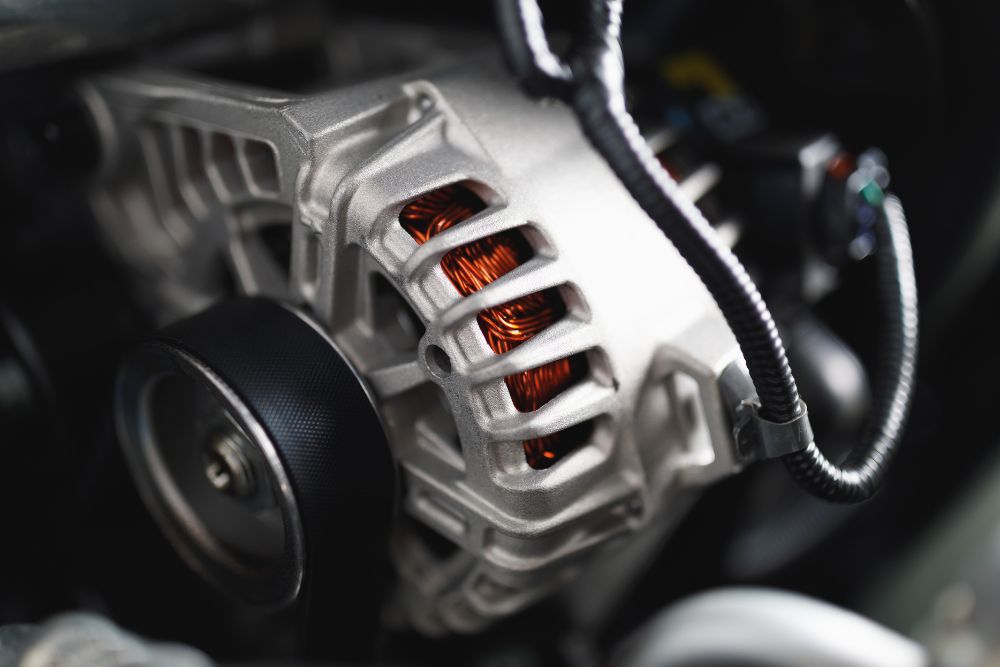
The alternator is a crucial component of your vehicle’s electrical system, responsible for charging the battery and powering the electrical systems while the engine is running. When the alternator begins to fail, it can lead to a variety of issues that may affect your vehicle’s performance. Knowing the signs of alternator failure and understanding when to seek repairs can help you avoid being stranded. Let’s explore how to tell if you need an alternator repair, common symptoms, causes of failure, and recommended actions.
Common Symptoms of Alternator Failure
Recognizing the signs of a failing alternator early can save you from costly repairs and unexpected breakdowns. Here are some common symptoms to watch for:
1. Warning Light on the Dashboard
Most modern vehicles are equipped with a dashboard warning light that indicates issues with the charging system. If the battery or alternator light illuminates, it’s a sign that there may be a problem with the alternator.
2. Dimming or Flickering Lights
If you notice that your headlights or dashboard lights are dimming or flickering while driving, it could indicate that the alternator is not supplying enough power to the electrical systems.
3. Electrical Issues
A failing alternator can cause various electrical problems, such as malfunctioning power windows, radio issues, or problems with other electronic accessories. If multiple electrical components are acting up, it may be a sign of alternator failure.
4. Weak or Dead Battery
If your battery frequently dies or struggles to hold a charge, the alternator may not be charging it properly. A weak battery can also be a sign of a failing alternator, especially if the battery is relatively new.
5. Strange Noises
A failing alternator may produce unusual sounds, such as grinding or whining. These noises can be caused by worn bearings or other internal issues within the alternator.
6. Burning Smell
If you notice a burning smell, it could be a sign that the alternator is overheating or that the wiring is damaged. This is a serious issue that requires immediate attention.
Causes of Alternator Failure
Understanding the common causes of alternator failure can help you take preventative measures and maintain your vehicle’s electrical system.
Some common causes include:
- Worn Bearings: Over time, the bearings inside the alternator can wear out, leading to noise and eventual failure.
- Corroded Connections: Poor connections between the alternator and battery can lead to inefficient charging and electrical issues.
- Electrical Overload: Adding aftermarket accessories that draw too much power can overload the alternator and cause it to fail.
- Age and Wear: Like any mechanical component, alternators have a limited lifespan and can fail due to age and wear.
When to Seek Professional Help
If you experience any of the symptoms mentioned above, it’s essential to address the issue promptly.
Here are some steps you can take:
- Check the Battery: Before assuming the alternator is the problem, check the battery to ensure it’s functioning correctly. A weak battery can sometimes mimic alternator issues.
- Inspect Wiring and Connections: Look for any visible signs of corrosion, loose connections, or damaged wires. Clean or repair any issues you find.
- Test the Alternator: If you have the tools and knowledge, you can test the alternator’s output using a multimeter. A healthy alternator should produce between 13.8 and 14.5 volts when the engine is running.
- Consult a Mechanic: If you’re unsure about the diagnosis or if the problem persists, it’s best to consult a professional mechanic. They can perform a thorough inspection and recommend the necessary repairs.
Repair or Replacement: What to Expect
If it’s determined that the alternator needs repair or replacement, here’s what you can expect:
- Repair Costs: Minor repairs, such as replacing bearings or fixing wiring issues, may be relatively inexpensive. However, the cost will vary depending on the extent of the damage.
- Replacement Costs: If the alternator needs to be replaced, the cost can range from $300 to $800, depending on the make and model of your vehicle and labor costs in your area.
- Timeframe: Alternator repairs or replacements typically take a few hours, depending on the complexity of the job.
Preventative Measures
To extend the life of your alternator and avoid future issues, consider the following preventative measures:
- Regular Maintenance: Schedule regular vehicle maintenance, including inspections of the electrical system and alternator.
- Limit Electrical Load: Be mindful of the electrical accessories you add to your vehicle. Avoid overloading the alternator with too many high-draw devices.
- Keep Connections Clean: Regularly check and clean the battery terminals and alternator connections to prevent corrosion and ensure efficient charging.
- Monitor Battery Health: Keep an eye on your battery’s condition and replace it when necessary to avoid putting extra strain on the alternator.
Recognizing the signs of alternator failure and understanding the causes can help you maintain your vehicle’s electrical system effectively. If you experience any symptoms of a failing alternator, it’s crucial to address the issue promptly to avoid further complications. Regular maintenance and being proactive about electrical system health can extend the life of your alternator and keep your vehicle running smoothly.
If in doubt, always consult one of our professional mechanics for a thorough diagnosis and repair.