
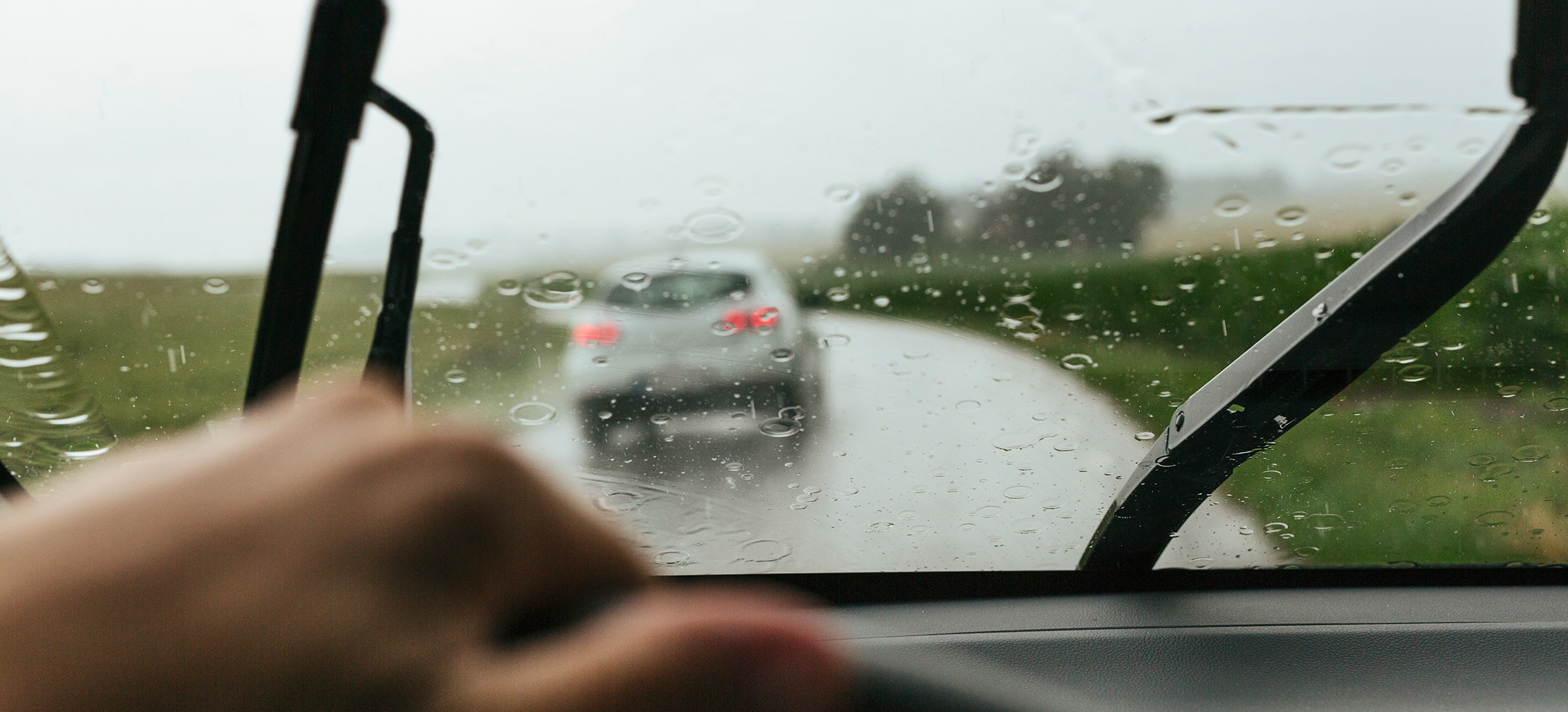
Did you ever receive the feeling your car was going to slide out from under you when driving on a damp or wet road? Such a feeling is probably an apprehension over something known as hydroplaning. Hydroplaning occurs when your tires are sliding across the surface of a small water puddle instead of being in contact with the road. When you speed, water depth, and surface tension intersect at some point, your tires aren’t able to push the water out quick enough, resulting in loss of traction under wet driving conditions.
Dangers of rain driving create risks many times greater than slower visibility. Hydroplaning makes a normal morning drive to work an exercise in survival, with vehicles skidding, spinning, or losing control. Knowing the reasons that lead to hydroplaning and how to react may be the difference between home-safe returns, and becoming a rain-road crash stat victim.
What is Hydroplaning?
Hydroplaning is what? Picture this: you’re driving down the highway in the rain and suddenly your steering wheel becomes loose and disconnected from the pavement. That’s hydroplaning. When rainwater accumulates on the road surface ahead of your tires’ ability to push it out of the way, there’s a buffer zone of water between your rubber and the pavement. Your tires, so to speak, begin to float, and you lose the traction you need in order to be able to maneuver your vehicle.
Speed is therefore the make-or-break factor in this equation. The sooner you depart, the shorter the amount of time available for your tires to push water out of the way with their tread. Increasingly, even a small puddle of water becomes problematic at high speeds. Surface tension, the stickiness that water molecules naturally have for one another, compounds the problem by adding an affinity for water to hold onto its form more than to spread out unobstructed.
Your tire condition has a direct effect on your susceptibility to hydroplaning. Shallowly tread-grooved, worn-out tires can’t disperse water effectively, while deep pools are temporary hydroplaning zones irrespective of your tire condition.
The Hazards of Hydroplaning
When your car begins to hydroplane, you’re essentially riding on a car that you have no control over. Hydroplaning’s risks are more far-reaching than losing traction, it’s as if your tires don’t even kiss the road anymore. Your steering wheel is next to useless, and your car will glide wherever it chooses regardless of where you’re attempting to turn the wheels.
The unpredictable nature of hydroplaning creates some of the most dangerous driving situations you’ll face:
Lateral sliding that pushes your vehicle into adjacent lanes without warning
Sudden directional changes when different tires regain traction at different times
Complete loss of steering response leaving you unable to navigate around obstacles
Spinning or fishtailing that can send your vehicle into oncoming traffic
Your instinctive response is likely to hit the brakes hard, but this only makes the situation worse. To brake while hydroplaning locks your wheels up, prolonging your duration sliding and cutting any potential for recovering control. When you do finally have your tires back on the road after braking, you can spin out totally.
Indicators Indicating Danger: Tire Condition and Road Features
Your tires are your best protection from hydroplaning, so tire tread depth and safety are not something you can afford to overlook. Imagine your tire treads as grooves intended to shove water aside from the contact patch of your tire and the road. If shallow, they simply can’t shove water aside, leaving hydroplaning in the open.
Key indicators your tires need attention:
Tread depth below 4/32 of an inch – At this point, your tires struggle to channel water efficiently
Visible wear bars – These flat rubber bars appear when treads wear down to unsafe levels
Uneven tread patterns – Signs of improper alignment or inflation issues
Did you ever receive the feeling your car was going to slide out from under you when driving on damp or wet road? Such a feeling is probably a apprehension over something known as hydroplaning. Hydroplaning occurs when your tires are sliding across the surface of a small water puddle instead of being in contact with the road. When your speed, water depth, and surface tension intersect at some point, your tires aren’t able to push the water out quick enough, resulting in loss of traction under wet driving conditions.
How to Prevent Hydroplaning When Driving in Rain
Learning how to avoid hydroplaning begins with changing your driving style as soon as rain comes. Your speedometer is your friend in rain—slow down to at least 5-10 mph short of the speed limit, even if traffic is moving faster. This “optimal speed principle” provides your tires the time they require to suck water off and stay in contact with the road surface.
Smooth, intentional driving is most important when you have to drive on slippery roads. Keep these habits in mind:
Avoid using sudden turns of the steering that may lose your tires’ grip with the road
Slow down ahead of time and without braking harshly at the last moment
Speed up smoothly so as not to spin the wheels
Leave a wide space behind the car ahead of you, at least a car length for every 10 mph you’re traveling
When you notice standing water or big puddles along your way, change lanes slowly to steer clear of them. Such pools of water are fantastic hydroplaning spots where your car will lose traction within seconds, making a common ride take a potentially hazardous turn.
Correct Response When Hydroplaning
No matter how careful you are, you can still hydroplane. Being able to control hydroplaning may be what will keep you from having a near miss or an accident. Your reaction time is important.
When your car starts to skid across the water, you should not jerk your steering wheel or slam on your brakes. These are reflex actions that can only make things worse by reducing your recovery ability. Here is what you need to do instead:
Stay Calm and Follow These Steps:
- Both hands firmly holding the steering wheel at the 9 and 3 o’clock positions
- Gradually remove your foot from the gas pedal without jerking it
- Steer towards where you’d like to have the car go and make small adjustments in that direction
- Do not slam on the brakes until you feel your tires recontact the road
The secret is patience. Your tires will take a few seconds to force their way through the water layer and hit pavement once more. Slowing down slowly and keeping constant steering, you let your car’s weight force the tires back down by itself so you can regain traction without risking your safety.
The Role of Tire Maintenance in Safety Driving on Wet Roads
Your tires are your initial defense against hydroplaning. Your tire care directly influences your vehicle’s capability to shed water from the contact patch and cling to wet pavement. With decreasing tread depth, those all-important grooves which shed water become shallow and useless, which tremendously boosts your likelihood of losing traction.
Don’t allow your tires to drop to the legal minimum tread depth. The penny test is easy to do, place a penny in your tread with Lincoln’s head facing downward. If you’re able to see the top of his head, it’s time for new tires. Better still, get new tires when they hit 4/32″ of tread depth, much sooner than they reach the legal 2/32″ point. This step provides you with much improved wet weather handling.
Our ASE certified technicians at HCS Auto Repair provide in-depth inspections of your tires that go beyond a passing glance. We check tread depth on every tire, scan for patterns of imbalance wear, check for correct tire pressure, and examine the overall health of the tires. This professional assessment provides you with the information you need to make smart choices about your safety on Springdale’s rainy roads.
Why Rely on HCS Auto Repair for Your Vehicle’s Safety Needs?
Since 1988, HCS Auto Repair has been delivering honest car care to the citizens of Springdale with a simple promise: honest car care by radically capable technicians who care deeply about your safety. Our ASE-certified mechanics bring decades of combined experience on every single vehicle we work on, the same way our own family cars would be treated.
When the bad weather strikes and the roads get rough, you want to feel you have complete faith in your vehicle’s capability to take you through tough times. Our services cover everything to make you safe:
Standard maintenance such as oil change and fluid inspection
Brake system checkup and repair service
Full tire services including rotation, balancing, and replacement
Diagnostic services for intricate mechanical problems
Preventive care especially customized for your road conditions
Your satisfaction means a lot to us. We’ve established our reputation by being open with you, offering you competitive prices, and doing quality work that will last. When you drive away from our shop, you’re not receiving a fixed car, you’re receiving the peace of mind that your car is ready for whatever the weather has in store for you.
Choose HCS Auto Repair
Being safe on rainy roads begins with being cognizant of the danger and acting before you are confronted with a perilous circumstance. Hydroplaning is not a second opportunity to act responsibly, your preparation is most important before turning the key.
Don’t wait until your tires reach the legal minimum or wait until you experience the life-stopping thrill of losing control while driving on a wet road.
Tire check-up prepared for any rainy, or for that matter, any day drive. Make an appointment for a complete tire check-up by calling us at (479) 751-8232 today. Our ASE certified technicians will have your tires ready for whatever comes our way, so you can drive with confidence every time.