
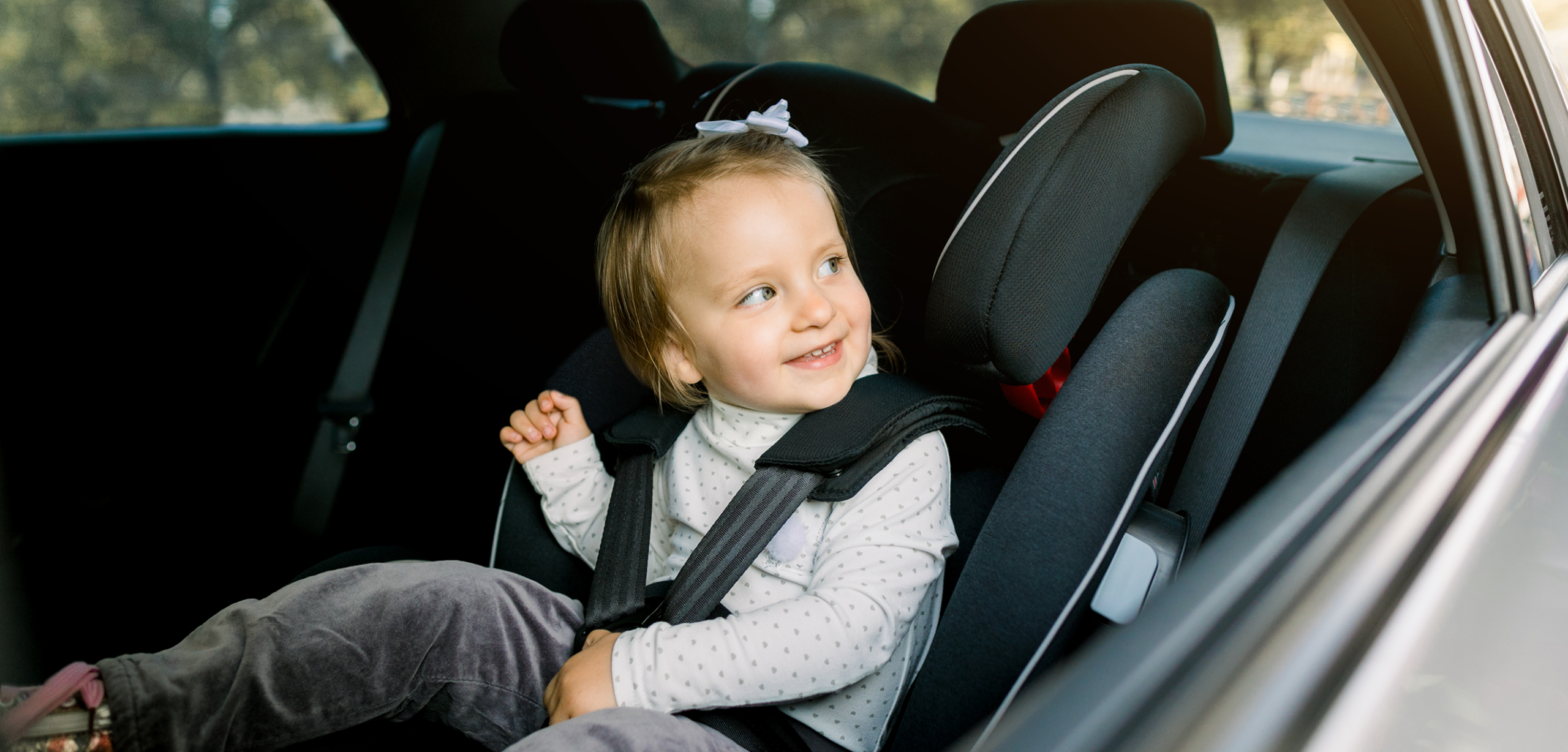
Each time you strap your child into the car, whether to go to the corner store or a cross-country trip to another state, you’re making one of the a very critical safety choice. It’s not just a matter of following the rules; it’s about safeguarding the precious lives you’ve been given.
As parents and caregivers, you have a surprising number of choices when it comes to keeping your kids safe on the road. What seat is right for your child’s size and age? How and when do you transition to a booster seat? How can you be sure that the seat belt fits? These are questions that are worth posing because motor vehicle crashes are still a common cause of injury in children.
The best news? You don’t have to make all these choices alone. State and local law, CDC guidance, and expert recommendations are combined to offer a simple-to-follow road map to safe travel with children. All these regulations have one very good reason: to provide your children with the maximum amount of protection if there is a crash.
At HCS Auto Repair, we recognize that child passenger safety extends beyond the proper use of a car seat. The health of your vehicle is important as well when it comes to getting your family safe, and that is why we want to assist you in making informed choices concerning both.
Know Child Passenger Safety Guidelines
It can be daunting to navigate the child car safety legislation, but by knowing how various guidelines complement each other, it becomes easier. CDC child passenger safety guidelines are evidence-based recommendations that are the basis of keeping your children safe on the road. These federal guidelines are then supported through state and local legislation, which can include additional requirements that are specific to your area.
Your state statutes augment CDC guidelines to provide the widest possible protection umbrella. While CDC guidelines are based on crash statistics and child development studies, state statutes make some safety measures legally enforceable. For instance, the CDC may suggest rear-facing seats up to 2 years of age, whereas your state statute may enforce it up to a certain weight requirement.
These laws exist for one plain reason: they save lives. There is evidence that proper restraints decrease the infant death rate by 71% and the toddler death rate by 54% in vehicles.
Staying current on state and local law and CDC guidelines keeps you compliant and gives your children the maximum level of protection. Legislation is changed when safer studies come along, so checking your state’s Department of Motor Vehicles website annually keeps you informed on any updates in child passenger safety legislation.
Choosing the Proper Car Seat by Age and Size
Selecting the correct car seat for your child is not so much a matter of age but of the correct fit for their development stage, weight, and height. Let’s debunk what you need to know by phase in your child’s life.
Rear-Facing Car Seats: The Safest Start
Your infant will travel in a rear-facing car seat from birth. The age limit on rear-facing car seats has altered over studies, now they recommend kids stay rear-facing at least up to the age of 2, or longer if they haven’t outgrown the height and weight capacity on the seat. It protects your infant’s head, neck, and spine in the event of any sudden stop or crash.
Transition to Forward-Facing Seats
When your child has outgrown his or her back-facing seat (about 2-4 years old), a forward-facing tether and harness car seat is required. Forward-facing car seat tips bring to mind utilizing the five-point harness system and never neglecting to buckle in the top tether strap to the anchor point in your vehicle. This configuration markedly decreases forward head movement in crashes. Leave your child in this position until they reach the manufacturer’s maximum weight or height restriction.
Advancing to Booster Seats
Children 4-7 years old who outgrow their forward-facing seats need booster seats. The age at which your child needs a booster seat will be determined by whether they weigh at least 40 pounds and can sit erect without slouching. Every manufacturer comes out with its own set of guidelines—read them carefully and have your car repair shop check your car’s seat belt system to see that it works effectively with the booster seat you’ve chosen.
Proper Seat Belt Use for Children
Once your child has grown out of their booster seat, usually when they are approximately 4 feet 9 inches tall and are between 8-12 years old, a correct fit for a child seatbelt is your next concern. Correct wearing procedure for a seat belt can be the difference between effective protection and serious harm in the event of a crash.
The shoulder belt must be across the chest. It should sit across your child’s middle chest and shoulder, but not across the face or neck. If it sits up across the neck, they’re not yet ready for a seat belt by itself and are still in need of a booster seat.
Pay the same care to the lap belt under the belly position. Flat and close against the top thighs, not up on the stomach. Properly positioned, the two belts work together to spread crash forces across your child’s strongest sections of their body.
Your child should be as far back as possible in the car seat with knees bent comfortably at the seat edge. If they are unable to stay in that position for the whole ride, they require additional time in a booster seat.
Adjusting Car Seats and Vehicle Seating for Optimal Safety
It simply requires having the angle and position correctly when adjusting car seats safely. Infant seats require a semi-reclined position, usually between 30 and 45 degrees, to allow for an open airway for your baby and prevent his or her head from falling forward. Built-in angle adjusters or angle indicators on most seats will allow you to assume that position. When your child matures some more and moves into forward-facing or convertible seats, you will have to switch positions to a more upright but still adequately supported one.
The Importance of Seat Position
The position of your child within the car is just as vital as the seat itself. The back seat is safest at all times, particularly the center position if possible. This place gives maximum protection against side-impact crashes and prevents kids from the deployment-related injuries caused by airbags to fragile bodies.
Maintaining Correct Distance for Safety
Be very careful with the belly-to-steering wheel/dashboard distance. Children should sit back enough so that their knees will bend naturally at the edge of the seat and won’t slump. This erect sitting position in comfort allows the seat belt to stay in place and also keeps it securely away from the dashboard. If your child’s feet are still not yet on the floor, that’s alright, never make them lean or slouch just to get more “comfortable” because this detracts from the safety of their restraint system when there is a sudden stop or in the event of accidents.
Vehicle Maintenance: A Key Part of Keeping Your Child Safe in the Car
Even a perfectly installed automobile seat won’t protect your child if your vehicle is not properly operated. Maintaining your vehicle in safety-stricter repair is equally important to selecting the right car seat, both are essential to keeping your family safe.
Why Regular Vehicle Inspections Matter
Regular car checkups assist in identifying potential issues before they turn into hazardous conditions on the road. During inspections, experts monitor vital systems that have a direct impact on your safety and ability to drive your vehicle and respond during emergencies. You must trust your car to deliver flawlessly every time when driving on the road with valued passengers.
Critical Areas of Preventative Car Maintenance
Preventative car maintenance is focused on three vital areas:
Brakes: Your first collision avoidance defense needs to be sensitive and have on-demand stopping power
Tires: Adequate tread depth and air pressure provide steady traction in all weather, skid-free and blowout-free
Airbags: These crash restraint systems need to deploy properly to work with car seats and seat belts in a crash
The Hidden Dangers of Mechanical Failure
Mechanical breakdowns don’t provide a warning. For example, a rusty brake hose or an otherwise unidentifiable problem with a tire on the inside can similarly fail without notice. That’s partly the reason why expert regular checks are so important, it can reveal those unseen dangers and give you a chance to get them corrected before they endanger the lives of your loved ones.
How HCS Auto Repair Keeps Kids Safe
We at HCS Auto Repair Springdale, AR, is a family’s best friend since 1988, built on the idea that any car that brings precious passengers should be treated with lots of TLC. Our technicians know that child passenger safety is more than just buckling up car seats, it’s about a safe, dependable vehicle that runs perfectly when you need it to.
We provide complimentary courtesy inspections meant to assure parents of peace of mind. When you bring your car to our facility, our ASE-certified mechanics perform detailed inspections of essential safety features. Our array of service possibilities extends from the sensitivity of brakes to tire tread depth, so you can be sure your car is in the best possible shape for transporting your children.
Our highly trained technicians apply years of advanced training to each inspection. They are preventative maintenance masters at finding problems before they become potentially hazardous. Whether you’re cruising around town or taking a road trip with the kids, you can be confident that our car repair professionals have inspected all the things that keep your family safe on the road.
Choose HCS Auto Repair
Not only does it take the safety of your little ones to pick the best car seat and have it installed correctly, but the mechanical condition of your vehicle plays a role in keeping your precious cargo safe on each trip. We at HCS Auto Repair has kept children traveling on the road safe for decades across Springdale.
Our ASE-certified mechanics offer thorough inspections and repairs intended to grant you total peace of mind. Need a courtesy check-up or questions regarding safety features for your vehicle? We’re here to assist you. Ready to get your car on the road for the family? Call us now to set up your free courtesy inspection at (479) 751-8232.
When quality auto repair, Springdale AR residents can trust, and child passenger safety information is discussed, we bring superior service with a real concern for the health of your family.