
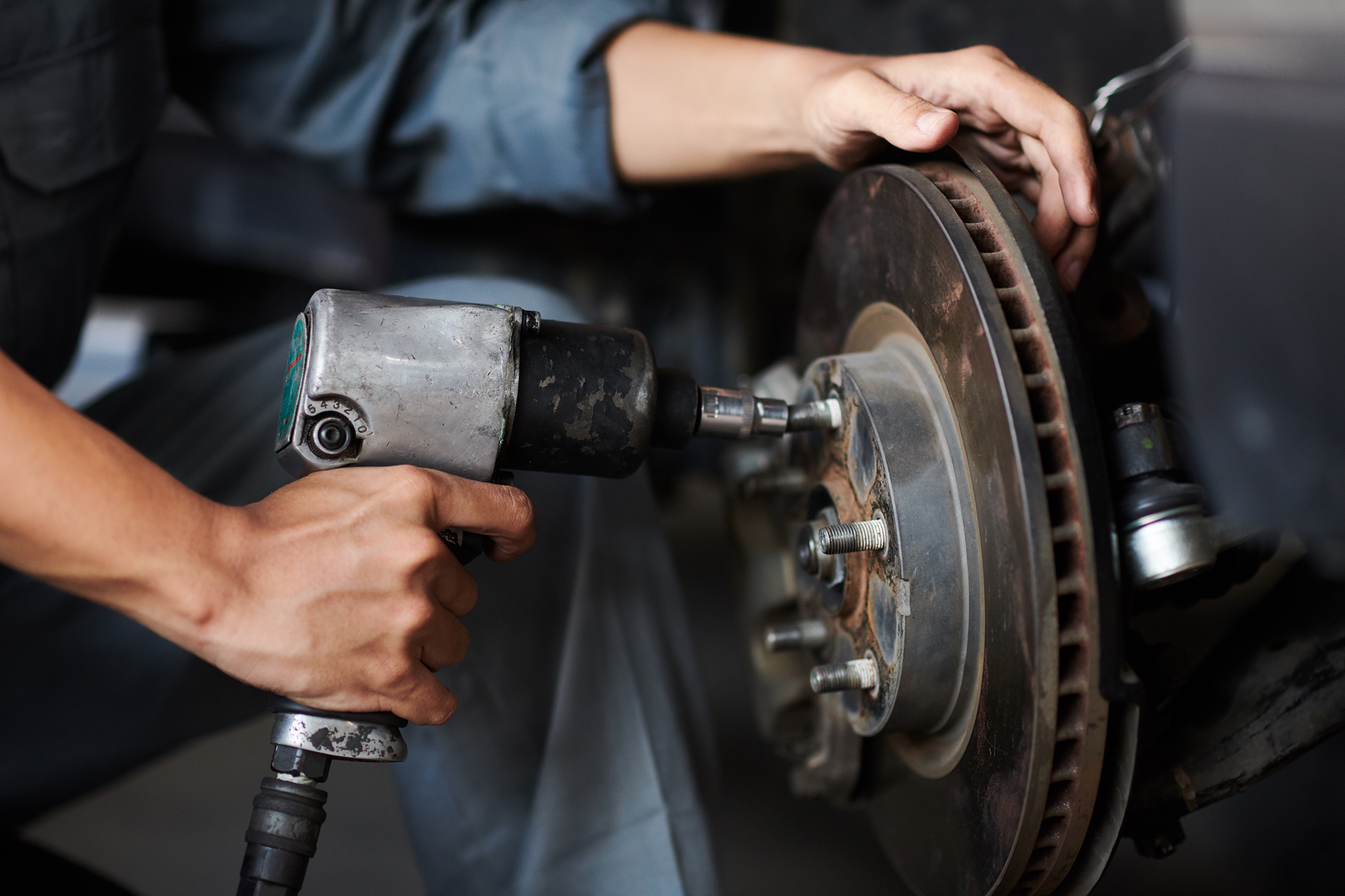
Your car’s brake lines may not be the first thing that comes to mind when car maintenance enters the picture, but they are quite crucial to your safety on the road. These unsung components carry brake fluid from your master cylinder down to your wheels, enabling every stop you make. In cases where brake line issues go unnoticed, what starts as a small leak or minor corrosion could progress into complete brake failure-a scenario that no driver wants to face.
The idea behind detecting brake line issues early is not just to avoid huge expenses in brake repairs later on, but to protect yourself, your passengers, and everybody else who shares the road with you. The good news? Many brake line issues show warning signs long before they become dangerous. Knowing how to spot these red flags, combined with regular inspections at trusted auto repair centers, can make all the difference.
Since 1988, HCS Auto Repair has been helping drivers in Springdale keep their brake systems operating safely and reliably. Our ASE-certified technicians know that quality auto parts combined with expert service is the best way to keep your brakes, and most importantly, your family, safe.
Brake Lines: Understanding Their Functions
Some of the unsung heroes of your vehicle’s braking system are the thin, usually metal or rubber tubes that carry brake fluid from your master cylinder into your brake calipers, or wheel cylinders, better known as brake lines. These lines carry hydraulic pressure when the pedal is hit to bring your vehicle to a safe stop. If the brake lines in your vehicle do not work properly, the whole braking system goes out, so they are absolutely crucial to your on-road safety.
Braking works on the principle of Pascal’s law of hydraulics: when you press on the brake pedal, that force travels into the brake fluid inside the brake lines to multiply the pressure at each wheel. In turn, the hydraulic nature of the system enables the relatively light pressure from your foot to have enough stopping force to bring the multi-ton vehicle to rest. Any compromise in the brake lines-a leak, crack, or blockage-alters the transfer of pressure and reduces your effective stopping power.
Types of Brake Line Materials
Modern vehicles typically use one of three materials for brake lines:
Steel brake lines offer durability and resistance to expansion under pressure
Stainless steel lines provide enhanced corrosion resistance and longevity
Rubber brake hoses at wheel connections allow for suspension movement
Importance of Brake Line Inspections
During a car inspection or at the time of routine brake repair, these lines are checked by technicians for any wear, damage, or deterioration. Regular inspections within common repair services let small problems be caught well before they turn into dangerous failures and save both your wallet and well-being.
Signs and Symptoms of Brake Line Issues
Most times, your brake lines will give you warnings before they go out completely. Early detection of the warning signs at routine car maintenance will save you from hazardous situations and also costly repairs later on.
Physical Warning Signs
Take a moment and get underneath your car. Brake fluid puddling beneath the car and obvious wetness along the brake lines indicate leaks that should be addressed immediately. Rust, corrosion, or even flaking metal along the lines themselves is deterioration that seriously challenges their structural integrity. You may also observe that there is bulging or even cracks in the rubber hoses attached to your brake lines; these are serious issues that shouldn’t wait.
Performance Changes You Can Feel
Your brake pedal can tell you a lot. If a pedal is spongy or soft, one that sinks toward the floor, this means that air has probably entered the system via some sort of compromised brake line. If you have to press harder than usual to get your vehicle to stop, or if your car pulls to one side when you brake, these are symptoms that your brake lines are somehow faulty and affecting fluid distribution.
Dashboard Alerts
That brake warning light on your dashboard isn’t for decoration, and when it lights up, the sensors in your vehicle have detected an issue with brake fluid pressure, usually regarding the integrity of the brake line.
These symptoms are checked by a trained technician during a used car inspection or pre-purchase inspection. Regular appointments for car inspections help in picking up those subtle changes in your braking system before they become safety hazards.
Causes of Brake Line Problems
From the moment that your car leaves the lot, your brake lines are under constant pressure. With time and mileage, these important parts naturally wear down: The metal weakens, and the rubber seals break down. Every time you take it out for a drive, your brake lines go through temperature fluctuations, pressure fluctuations, and physical stress that weakens them over time.
Environmental Factors That Accelerate Brake Line Deterioration
A number of environmental factors can hasten the deterioration of your brake lines:
Consequences of water accumulation include the formation of internal and external rust.
Temperature extremes can cause expansion and contraction, which weakens connecting points.
Debris and rocks kicked up from road surfaces can cause physical damage.
Influence of Repair Materials on Brake Line Service Life
The materials you choose for car repair make the difference between long-lasting brake lines and mediocre ones. Low-quality auto parts may save you money upfront, but often fail early and leave you stranded, or worse, facing a dangerous brake failure. Lesser brake lines would use thinner metal that corrodes faster or substandard rubber compounds that can crack under pressure.
Trust quality replacement auto parts from trusted manufacturers to protect your vehicle and your family. Quality components will ensure proper fit, durability, and performance when replacing the brake lines, a common auto repair service. In this regard, these components will meet or even exceed the specifications set out by a manufacturer, giving one peace of mind to know that the braking system will operate without fail for years to come.
How to Inspect Brake Lines at Home and When to Seek Professional Help
You can easily conduct a basic car inspection on the brake lines in your driveway with just a flashlight and a few minutes of your time. Raise your vehicle safely or position yourself to see underneath the car. As you look along each brake line, which runs from the master cylinder to each wheel, you want to check for:
Visible cracks or splits in the line material
Wet spots or puddles underneath the vehicle that indicate brake fluid leaks
Rust, corrosion, or discoloration on metal brake lines
Bulging or soft spots in rubber brake hoses
Loose fittings or connections at junction points
These kinds of visual checks will indeed help you in recognizing obvious problems, but they cannot show you internal deterioration or measure the pressure of brake fluid. If you notice anything concerning during your inspection, or if your brakes feel different when driving, professional diagnostics become necessary. ASE certified technicians have special tools for pressure-testing brake systems and identifying problems that aren’t visible to the naked eye.
When you bring your vehicle into trusted auto repair centers like HCS Auto Repair, you’re getting much more than a cursory glance. Our crew executes thorough evaluations of the entire brake system with diagnostic equipment that gauges fluid pressure, checks for even microscopic leaks, and examines the integrity of your brake lines.
That level of specificity is priceless during a pre-purchase inspection if you’re looking to buy a used vehicle. The customer service in auto repair you receive at HCS Auto Repair means we’ll explain exactly what we find and will recommend only necessary repairs to keep you safe on the road.
Preventive Measures to Avoid Major Brake Line Problems
Taking a proactive approach to car maintenance can save you from expensive repairs and hazardous situations later on. Your brake lines deserve regular attention, not just when problems arise.
1. Keep Your Brake Lines Clean and Protected
Road grime, salt, and debris just seem to accumulate on brake lines to expedite corrosion. During regular car washes, take a little extra time out to spray underneath your vehicle, with special attention to be paid to the areas of the brake lines. This simple habit removes corrosive materials before they can cause any damage. This becomes even more critical in winter months due to road salt being extremely hazardous to metal components.
2. Brake System Periodic Inspections
Make brake inspections part of your total vehicle care routine. These checks need to be done at least once a year and more often if you drive under severe conditions. Professional inspections catch issues that home checks might miss, including internal line deterioration.
3. Invest in Quality Auto Parts
Insist on quality auto parts rather than cheaper alternatives when replacement becomes inevitable. Premium brake lines are resistant to corrosion and can maintain their structural integrity under pressure. Your technician can recommend parts that match your vehicle specifications and driving conditions for long-term reliability. A common auto repair service, like replacing brake lines, tends to be less frequent when superior materials are used in the first instance.
How to Choose an Auto Repair Center for Brake Line Services
When you need brake line services, the difference between a job well done and future safety issues depends on choosing the right auto repair center. Finding a reliable auto repair center starts with an understanding of what separates exceptional service from mediocre work.
Key factors to consider when choosing your brake repair specialist:
ASE-certified technicians who possess the training and expertise to diagnose and repair complex brake line issues accurately
Years of established presence in your community, demonstrating stability and trustworthiness
Transparent pricing and honest communication about necessary repairs versus optional services
Quality parts sourcing that prioritizes safety and longevity over cheap alternatives
Customer reviews tell the real story about customer service in auto repair. When past customers describe experiences like “they have earned our trust” or extol “exceptional customer service,” you’re seeing evidence of a shop that values relationships over transactions. Such testimonials show how a repair center treats people when problems arise and whether they stand behind their work.
We at HCS Auto Repair have been serving Springdale since 1988, with a reputation founded on integrity and expertise. Our crew doesn’t treat you like just another repair ticket-you are part of the neighborhood, deserving of honest advice and quality workmanship.
With ASE-certified technicians who keep abreast of emerging brake system technology, and a commitment to using quality auto parts, we’re the go-to choice for residents who refuse to compromise their family’s safety.
Choose HCS Auto Repair
Your car’s safety relies on early detection of brake line issues. What could have easily been a small leak or slight corrosion can so easily escalate into complete brake failure, placing you and your passengers in grave danger. Don’t wait until you’re in an emergency repair situation or, worse, some kind of dangerous accident.
Take action now and protect what matters most. Let the knowledge and experience of our team, along with the best service, work on your behalf to set the standard of quality in Springdale. For further information, give us a call today at (479) 751-8232, or simply stop by our shop-we want you back on the road safely in no time.11