
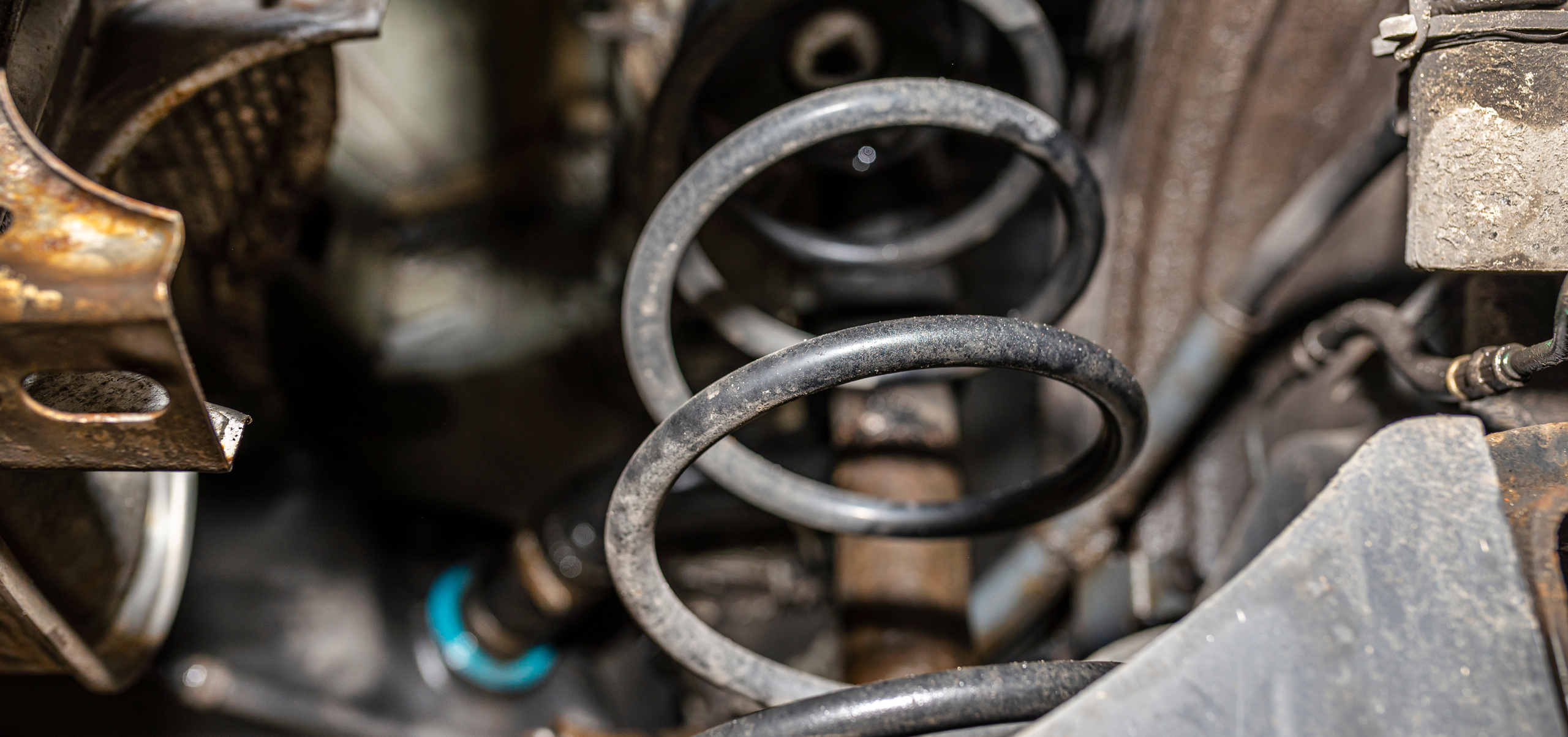
Did you know that 70% of suspension failures are caused by neglect and poor driving habits? Your suspension system isn’t just about a smooth ride – it’s an important system that gets you safely on the road.
Once suspension starts to fail, it’s costly to repair. A compromised suspension system can cost you over $2,000 in repair bills, making a doable maintenance problem an expensive nightmare.
The good news? You can avoid these expensive repairs and extend your suspension’s life with some expert knowledge. We’re sharing six powerful mechanic-approved tips to help you:
- Maintain optimal suspension performance
- Prevent premature wear and tear
- Save money on unnecessary repairs
- Ensure a safer, more comfortable ride
Here are some professional tips to maintain your car’s suspension system in top shape for years to come.
Understanding Your Car’s Suspension System
Your suspension system is an intricate array of components acting in concert to provide a smooth, well-damped ride. The following is a summary of the important components:
Essential Suspension Components:
- Shocks and Struts: These regulate bouncing and swaying, soaking up road shock to keep your tires stuck firmly
- Control Arms: Mount your wheels to the car body, permitting up-and-down motion while keeping your wheels in correct alignment
- Bushings: Rubber or polyurethane components that reduce vibration and cushion movement between metal parts
- Ball Joints: Allow your wheels to pivot while turning, while supporting the vehicle’s weight
- Springs: Support your vehicle’s weight and maintain proper ride height
These components are a technology-intensive system that deals with every bounce, turn, and braking. When you encounter a pothole, your springs collapse, and shocks dampen the impact. Control arms steer the movement, and bushings avoid metal-to-metal contact.
Omitting any one of these parts is a chain reaction. A worn-out bushing makes other components work hard, resulting in uneven wear. A minor problem may grow into several component failures and become a huge overhaul rather than a quick repair.
Professional Tips to Prolong Your Car’s Suspension Life
1. Ride Smoothly and Stay off Rough Roads
Did you know that suspension failure is 70% caused by poor driving? Your everyday driving can contribute to determining your suspension life. Every pothole and speed bump you hit at excessive speeds is adding severe stress to vital components such as shocks, struts, control arms, and bushings.
Choose smoother alternative routes when possible – even if they take a few extra minutes. The reduced impact adds years to your suspension’s life. When rough roads are unavoidable, slow down significantly. Small, repeated jolts accumulate over time, causing premature wear to your suspension system.
2. Maintain Proper Tire Inflation and Alignment
Your tires and suspension work as an integrated team. Think of underinflated tires as missing shock absorbers – they force your suspension to handle more impact than necessary. Here’s what happens when tire maintenance is neglected:
- Underinflated tires act like missing cushions, transferring excessive shock to suspension components
- Misaligned wheels create uneven tire wear and shift cornering forces to incorrect suspension parts
- Poor tire maintenance leads to compromised handling and a drifting steering wheel
To protect your suspension, implement these maintenance practices. Check tire pressure monthly and schedule wheel alignments every six months. Get immediate alignment after hitting curbs or major potholes.
These easy habits avoid over-stressing your suspension system and keep your ride riding high. Proper tire care doesn’t only prolong suspension life – it also improves overall vehicle performance and safety.
Additional Tips to Maximize Your Car’s Suspension Life
3. Replace Worn Parts Without Delay
What may appear to be a slight suspension problem can turn into a pricey repair catastrophe in a moment. One degraded shock or bushing sets up a domino effect – if one part goes out, others have to take up the slack. This extra strain accelerates wear across your entire suspension system.
Listen for these warning signs:
- Clunking noises during turns
- Squeaking when driving over bumps
- Reduced ride comfort
- Bouncing after hitting bumps
Don’t wait until symptoms are worse. Have suspension inspections done every 12,000 to 15,000 miles, or at your regular oil change. Replacing a worn shock absorber or bushing before it ruins something more severely will save you the cost of more costly repairs later on, for thousands of dollars’ worth of repair work.
4. Keep Suspension Joints Well-Lubricated
Friction slowly and quietly eats away as bushings and joints dry out. Lubrication is needed regularly for a smooth ride and to avoid premature wear.
Your vehicle’s age and design determine its lubrication needs:
- Modern Vehicles: Often feature sealed joints that don’t require additional lubrication
- Older Models: Usually equipped with grease fittings that need regular maintenance
- Performance Vehicles: Might include performance fittings that need specialty lubricants
For grease-fitting vehicles, it’s best to apply a new lubricant during every oil change or at least twice a year. This easy maintenance procedure prevents wear on moving parts, removes frustrating squeaks, and enhances overall ride quality. Lubrication also keeps suspension parts in service longer, so your car will continue to ride smoothly and efficiently.
A well-lubricated suspension system drives silently and smoothly, protects your investment, and runs at the optimal performance with each ride.
5. Respect Your Vehicle’s Load Capacity
Your car’s suspension system has limits – exceeding them leads to costly consequences! Carrying weight beyond your vehicle’s design specifications puts immense stress on springs, shocks, and frame mounts. This excessive load causes:
- Sagging springs
- Premature strut failure
- Damaged frame mounts
- Unstable handling
See your owner’s manual for maximum payload capacity and abide by it. Heavy-duty suspension pieces can be upgraded to hold more weight and are certainly worth every penny for regular users of tow trucks, for example. Heavy-duty pieces can tolerate added stress without impairing performance or safety.
6. Shield Your Suspension From Corrosion
Salt becomes your suspension’s worst enemy during the winter months. Road salt and de-icing chemicals cling to metal suspension components, including:
- Springs
- Control arms
- Shock mounts
- Structural frame points
This chemical buildup triggers corrosion, weakening the structural integrity of these critical parts. Rusted components risk dangerous failures under normal driving conditions. Even in dry climates, mud, sand, and road grime trap moisture against metal surfaces, accelerating wear.
Final Expert Tips to Prolong Your Car’s Suspension Life
Protective Maintenance Tips
Keep your car’s suspension system in good running order by spraying the undercarriage after every snowstorm. Over-the-top undercarriage washes become very necessary when you use the salted winter roads or muddy off-road trails for driving. After an off-road ride, make sure that the underbody is thoroughly cleaned to remove any debris that could trap moisture against the metal parts. One fine way of drying the debris away is with a pressure washer, as it also removes tight layers of grime and grit, facilitating clean surfaces and preventing corrosion.
Also consider for your car protective undercar coatings, adding yet another layer against moisture, salt, and road chemicals, which significantly diminishes the possibility of rust and increases the life of the suspension system. Practicing these maintenance tips day in and day out will save the critical parts of your vehicle and reward you with smooth and safe rides all year round.
A quick shot from the car wash conceals the corrosive agents before getting a chance to cause injury to the body. A simple maintenance practice like this keeps your suspension safe from rusting internally, without losing its strength and reliability for the years ahead.
Why Opt for Professional Auto Repair Services for Suspension Maintenance?
The suspension of your car needs expert attention to keep it operating well and allow it to live a long life. At HCS Auto Repair Springdale, AR, our ASE-certified mechanics possess the trained expertise and the latest diagnostic equipment required to detect suspension issues before costly repairs arise.
Our professional auto repair services include:
- Thorough inspections of the suspension system during regular maintenance
- Expert diagnosis of any strange noises, vibrations, or handling issues
- Precise replacement of components using top-quality parts
- Accurate adjustments with the help of modern alignment equipment
Since 1988, HCS Auto Repair has established itself as a Springdale leader in quality service through consistent attention to detail. Our experienced mechanics are aware of the way suspension parts work together and can quickly see early warning signs that an inexperienced mechanic might overlook.
Your safety is at stake when suspension parts are not operating properly. Our ASE-certified technicians are committed to performing effective repairs and honest recommendations that will keep your car running at its best. We strive to meet the highest standards of quality and safety in every vehicle that exits our shop.
Choose HCS Auto Repair
Your vehicle’s suspension system should be well taken care of and maintained for best performance and lifespan. These expert mechanic recommendations – from defensive driving practices to scheduled maintenance – will help you take care of your investment and stay away from expensive repairs in the future.
Ready to have your vehicle’s suspension treated with the professional attention it deserves? Our ASE-certified mechanics at HCS Auto Repair in Springdale, AR, stand ready to assist. We’ll check your suspension system, find problems before they start, and have your car rolling like new for years to come.
Avoid letting suspension issues snowball. Contact HCS Auto Repair today at (479) 751-8232 to schedule your inspection by our trained staff of professionals.