
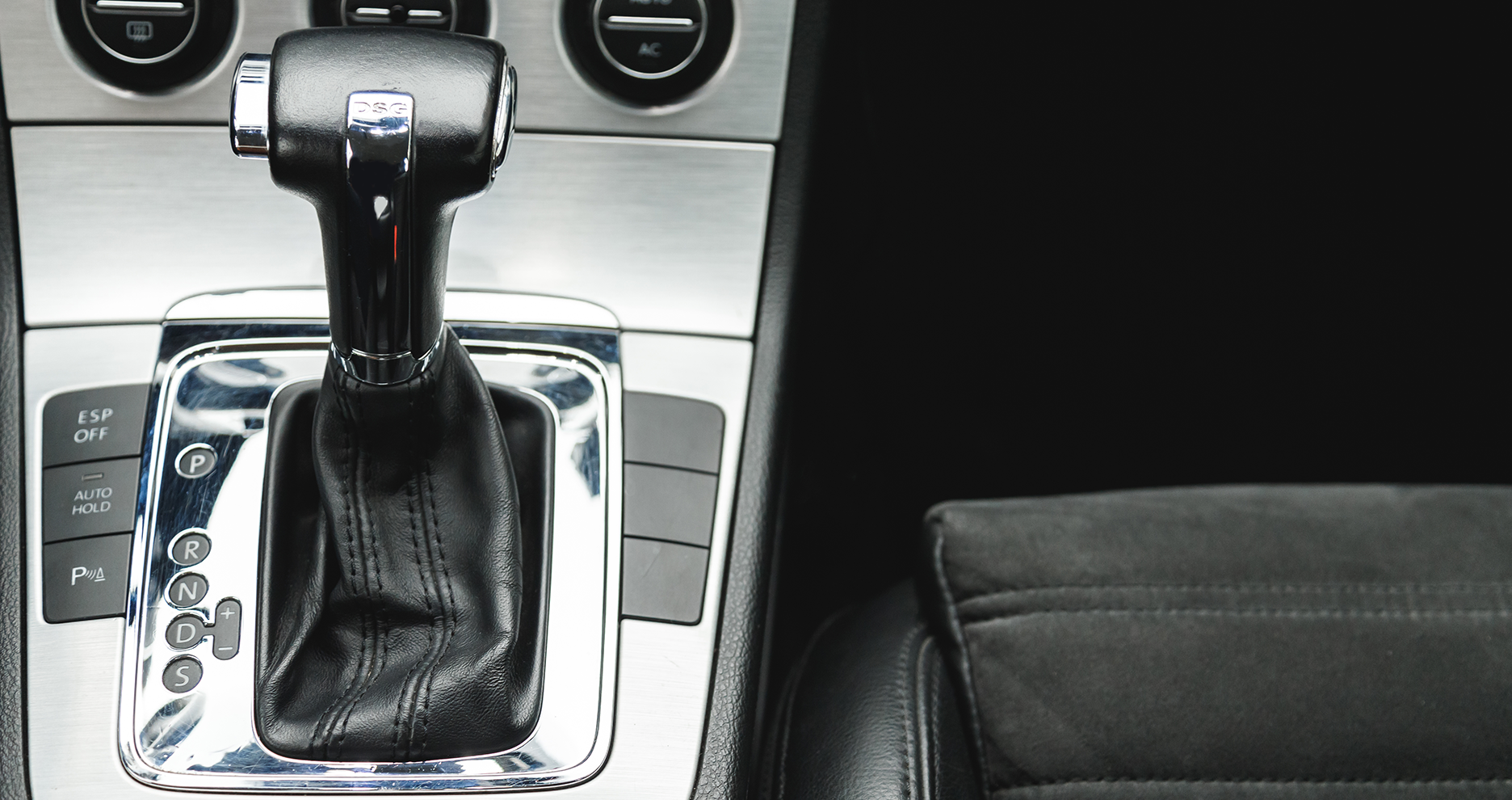
Your transmission is one of the most dependable parts on your car, and when it begins to go bad, the results can be catastrophic. A slipping transmission not only hurts your car’s performance, it also poses a danger to you and your passengers every time you drive.
Catching transmission issues early should be a priority for car owners. If you identify the warning signs and take care of them in a timely fashion, you can prevent the costly repairs that come with full transmission failure. Something that begins as a little issue that needs only a fluid flush can easily become a car repair costing thousands of dollars if not addressed.
Your car will alert you if there is something wrong in various ways. If you recognize the warning signs, you might be able to get your car to a reliable auto repair center before a small issue becomes a large one.
Knowing What Causes a Slipping Transmission
Your transmission works day and night every time you go for a ride, facilitating intricate mechanical motion to slide gears effortlessly. In case the transmission fails, knowing the causes behind it assists you in responding before problems become costly repairs.
1. Worn Clutch Plates
Worn clutch plates are among the most common causes of slipping transmissions. They supply the friction necessary for gear changes, but being used extensively wears down their surfaces. When they become excessively worn or glazed, they can no longer have a good grip and thus produce that characteristic slipping feel.
2. Low or Dirty Transmission Fluid
Low or dirty transmission fluid is yet another frequent cause of slippage. Your transmission fluid does a number of things, it lubricates moving parts, it cools the system down, and it supplies hydraulic pressure to shift gears. Without the fluid lost due to leaks or evaporation, your transmission won’t work.
3. Mechanical Wear
Mechanical deterioration compounds on other transmission components over time. Bands, gears, and seals all wear under normal usage. These parts lose their exact fit as they age and cannot keep the tight tolerances necessary for effortless shifting.
Regular service is the secret to preventing these issues. Regular fluid checks, routine changes, and expert inspections catch problems before they become larger issues. When you ignore warning signs of an issue or skip maintenance, minor issues become costly repairs. A small fluid leak that goes unnoticed can lead to complete transmission failure, and a simple auto repair costs thousands to replace.
Learning the Warning Signs of a Slipping Transmission
Your transmission provides you with ample warning when something is amiss. Having the means to detect these slipping transmission warning signs early on will save you from being stranded roadside, and from emptying your bank account on costly repairs.
1. Slow Gear Engagement
One of the simplest car repair warning signs is slugged gear engagement. You shift your car into drive or reverse, and your car stalls for a second or two before it will even move. That stalling is an indication that your transmission isn’t engaging properly, and it is something you don’t want to do anything with.
2. Engine Revs Without Acceleration
If your RPMs are neutral, you’re in normal slip action. You mash it to the floor on the gas pedal, and your engine is revving, but your vehicle isn’t going faster in proportion. Your vehicle acts as though it’s in neutral when you are actually certain that you are in gear, a stupid and dangerous concept, particularly when merging on highways.
3. Bizarre Sounds When Shifting
Abnormal shift noises characterize transmission problems from other mechanical problems. When your vehicle is shifting gears, listen for grinding, whining, or clunking noises. These are not noises to expect from worn brake pads or loose exhaust pieces, these noises indicate transmission problems.
4. Burning Smell
A stinky smell from your car usually means that it has overheated transmission fluid. Such a smell is different from burning rubber or oil and should be evaluated by an automobile mechanic immediately. Weakened lubricating characteristics of overheated fluid cause the breakdown of internal parts much faster.
Ignoring these symptoms puts you at risk of complete transmission failure, which can leave you stranded and with repair bills much higher than the cost of early repair.
The Importance of Professional Auto Repair Diagnosis
When you begin to suspect your transmission is slipping, a professional auto repair diagnosis isn’t merely a good idea; it’s the law. While you may recognize the symptoms, precisely diagnosing the cause involves technical acumen and equipment beyond the expertise of anyone but experienced professionals.
ASE-qualified technicians are the key to getting transmission issues diagnosed correctly. These certifications guarantee that your technician has successfully passed testing and keeps up with advancing automotive technology. At HCS Auto Repair, our ASE-certified technicians know how to properly diagnose a slipping transmission from other mechanical issues with similar symptoms.
The diagnostic process at a reputable auto repair shop involves several critical steps:
Computer diagnostics to read error codes from your vehicle’s onboard system
Visual inspection of transmission fluid for color, consistency, and contamination
Road testing to replicate the symptoms you’ve experienced
Pressure testing to measure hydraulic performance within the transmission
Internal inspection when external diagnostics indicate deeper issues
Since 1988, we at HCS Auto Repair have established a reputation for honest and accurate assessments. Our expert technicians don’t shoot in the dark about the issue—at HCS Auto Repair, we use proven diagnostic techniques to provide you with the right answers. This comprehensive approach to transmission inspection ensures you’ll know precisely what’s going on with your car and precisely what repairs are actually required, cutting out extraneous expenses to deal with actual issues that’ll impact the performance of your vehicle.
Preventive Maintenance Steps and How to Prevent Transmission Slipping
Safeguarding your transmission from slipping begins with routine transmission maintenance procedures. Check your transmission fluid level every month and for color change or burning odor—good fluid will be light red with or without a mild odor, more or less. Drain fluids according to your maker’s schedule, typically between 30,000 and 60,000 miles, but your climate or driving may require draining more often.
Quality is important in preventive auto repair. Employing high-quality auto parts in the repair and replacement affects how long your transmission will last. Cheap parts save you money upfront, but fail prematurely, and you are left with a costlier problem down the line. Your transmission deserves parts equal to or higher than the manufacturer’s specifications.
Automotive repair tips from seasoned technicians stress preventive maintenance. Periodic inspections find small problems before they end up as full-fledged breakdowns. Easy practices such as pre-driving warmup, gentle driving, and the proper upkeep of your cooling system prevent overheats—transmission’s arch-nemesis. This will not only prolong the life of your transmission but also keep your whole car well-conditioned and trustworthy for years to come.
When to Ask for Emergency Assistance from HCS Auto Repair?
Some signs of transmission problems require the attention of a professional immediately to avoid disastrous failure. Total loss of gear engagement, sudden inability to shift, or your car refusing to move when the engine is running means you require emergency car repair immediately. Leaking transmission fluid on your driveway within seconds, a sharp burning smell upon driving, or grinding noises with jarring movements all indicate major issues that do not wait.
We have giving Springdale dependable slipping transmission repair since 1988, having established a reputation for on-the-job experience for many years. Our ASE-certified technicians know that a malfunctioning transmission can strand and enrage you. We therefore focus on urgent matters and work diligently to determine the cause of your transmission woes.
When you entrust your car to our care, you’re putting it in the care of a company that will do whatever it takes to restore its integrity. We combine thorough diagnostic service with perfect repairs, so your transmission gets the attention it requires. We are a people-people company, so we’ll tell you what’s wrong with your vehicle, give you good advice, and get you back on the road safely.
Choose HCS Auto Repair for Expert Service
Your ride needs the touch of expert hands that know how to diagnose a slipping transmission before it slips away forever. Here at HCS Auto Repair, our ASE-certified technicians have been caring for the fine folks of Springdale with trustworthy car repair since 1988. We’ve established our reputation on sound inspections, quality work, and treating each customer like a member of our family.
Don’t get left stranded or charged with costly emergency repairs due to transmission issues. If you’ve experienced the symptoms we’ve outlined or just wish to have the reassurance of a complete inspection, our crew stands ready. Dropping transmission assistance in Springdale, AR, is only a phone call away. Ready to protect your investment? Call (479) 751-8232 to schedule your appointment today, or stop by our shop to speak with one of our ASE-certified technicians. We’re here to keep you driving safely on the road.