
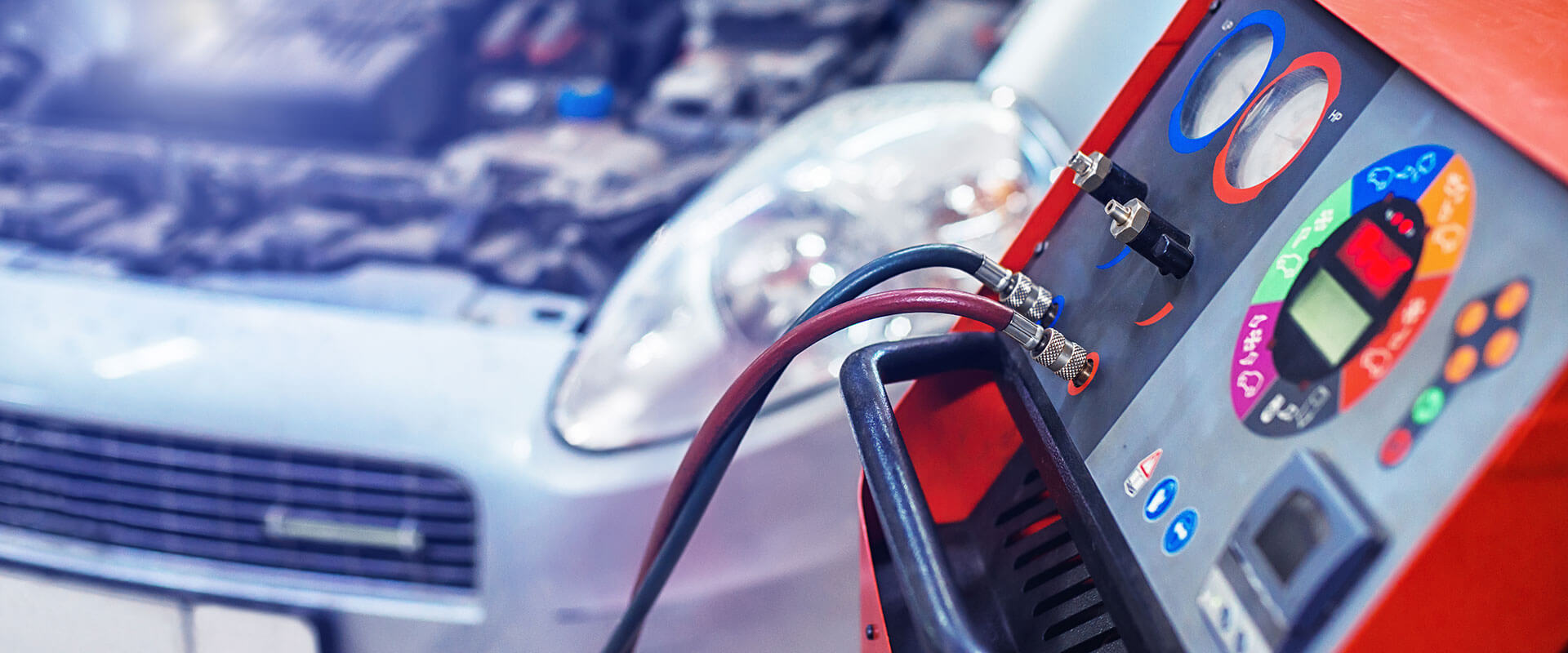
Ever installed a new component in your car’s cooling system, then found your engine still running hot? You might be the victim of a less common but not unknown problem – trapped air in your cooling system. Just as we need to burp to get rid of trapped air, your car’s cooling system sometimes needs to do the same!
Your automobile’s cooling system is important in keeping your engine in the best possible condition. Air trapped within it can cause an obstruction to the free flow of coolant, which can create many problems that will eventually ruin your engine. Take an air bubble in a tube, for instance – it obstructs free liquid movement, which impairs the functioning of the cooling system.
Why This Matters to You:
- Prevents unexpected breakdowns
- Extends engine life
- Ensures proper heating and cooling
- Saves money on potential repairs
Your vehicle’s cooling system works to offer your engine its best performance. When air becomes locked in, it can interfere with the free flow of the coolant and create a whole lot of problems. Think of it as an air bubble in a hose pipe – it restricts the free flow of liquid.
At HCS Auto Repair in Springdale, AR, we’ve seen firsthand how trapped air in cooling systems can be a source of undue headache for automobile owners. Knowledge of this problem and when to repair it will save you money on expensive repairs and maintain your vehicle in proper working condition.
Signs of Trapped Air in Your Car Cooling System
Your car cooling system may have trapped air if you experience these unmistakable telltale signs:
1. Overheating Engine
Air bubbles in your cooling system interfere with the normal flow of coolant. Without the normal flow of coolant, your engine overheats beyond the normal temperature. It does so after replacing cooling system components without bleeding.
2. Unstable Temperature Gauge Readings
Check your temperature gauge – if the needle fluctuates up and down between high and low, you probably have air in your system. The wild reading is a result of air bubbles moving through your cooling system, causing erratic temperature readings.
3. Poor Heater Performance
If your car heater is not blowing hot air, then there is a potential possibility that air is trapped within your heater core. This does not allow the heated coolant to circulate through the system, causing cold or warm air from your vents.
These symptoms could also be an indicator of other issues within your cooling system, reducing the system’s efficiency.
- Cooling system leaks
- Faulty radiator cap
- Blown head gasket
- Damaged water pump seal
Symptoms of trapped air usually follow in this order:
- Recharging of cooling system elements (thermostat, water pump, radiator)
- Loss of coolant due to leakage
- Defective topping up of coolant
With all these symptoms, you are made aware of possible trapped air problems at the initial stage. A healthy cooling system is vital to your engine condition and driving comfort.
Solutions for Repairing Trapped Air Problems in Your Vehicle’s Cooling System
Bleeding your car’s cooling system is one basic maintenance that guarantees free coolant flow and avoids engine damage that may result from it. Presented below is a step-by-step procedure that will assist you in evacuating trapped air in your cooling system effectively and safely.
However, it’s
Basic Bleeding Method
- Wait until your engine is completely cool
- Remove the radiator cap carefully
- Start your engine
- Let it run for 5-20 minutes to allow air bubbles to escape
- Monitor the coolant level during this process
Advanced Bleeding Technique
- Raise the front of your vehicle using a jack
- Secure it properly with jack stands
- This positioning helps air bubbles rise to the highest point
- The elevated position makes it easier for trapped air to escape
Safety First
- Never remove the radiator cap when the engine is hot
- Keep your hands and tools away from moving parts
- Work in a well-ventilated area
- Have extra coolant ready for top-offs
- Wear protective gloves and eyewear
Tips for Different Vehicle Models
- Some cars have specific bleeding procedures
- Check your owner’s manual for manufacturer recommendations
- Look for bleeder valves near the thermostat housing
- Certain models might require special tools or adapters
- Some vehicles need computerized bleeding procedures
Signs of Successful Bleeding
- Steady temperature gauge readings
- Improved heater performance
- Normal coolant flow
- No gurgling sounds from the engine
- Consistent coolant level in the reservoir
Ensure you check your coolant level periodically after the system is bled into it. You may have to do it again if you still get some residual signs of air-inflated debris.
Using Professional Tools for Effective Bleeding of Your Vehicle’s Cooling System
Relieving stuck air in your cooling system is no longer so difficult with the right tools. Let us look at two of the most important tools that will make bleeding more efficient and tidy.
The Bleeder Valve: Your Direct Route to Air Elimination
The bleeder valve is a single point of release for the air that is in your cooling system. It is normally installed close to the area of the thermostat. When opened, it provides a controlled point of release for air bubbles to be able to leave without impairing the system’s integrity.
Using Your Bleeder Valve:
- Locate the valve near the thermostat housing
- Place a catch container underneath
- Open the valve slowly while the engine is cool
- Watch for air bubbles mixed with coolant
- Close the valve once a steady stream of coolant flows
Spill-Free Funnel: Your Clean-Working Solution
A spill-free funnel is a specialized tool that attaches to your radiator neck, making the bleeding process cleaner and more effective. This tool comes with various attachments to fit different vehicle models.
Steps for Using a Spill-Free Funnel:
- Select the appropriate attachment for your radiator neck
- Secure the funnel firmly to the radiator opening
- Fill the funnel with coolant
- Raise your vehicle’s front end using jack stands
This positioning helps air bubbles rise to the highest point and ensures more effective air removal.
- Start the engine and let it run
- Watch for air bubbles rising through the funnel
- Add coolant as needed to maintain the level
These devices help make the otherwise dirty task of bleeding your cooling system a clean, efficient process. They provide greater control and visibility during the process and help remove all trapped air from your system safely.
Professional Tips for Preventing Trapped Air Issues in Your Car’s Cooling System
Stopping air from going into your cooling system begins with discovering where the issue might be. Below are the most frequent culprits that will cause trapped air:
Leaks in the Cooling System
It makes sense to inspect for leaks frequently. Check your coolant levels and look visually for leakage on hoses, fittings, and components.
Leaking Radiator Cap
Your radiator cap keeps your cooling system at the correct pressure. A worn-out cap can let air into your system, causing it to malfunction. Replace your radiator cap at 50,000 miles or when wear is noticeable.
Leaking Head Gasket
This is a severe problem that can admit combustion gases into your cooling system. Watch for:
- White exhaust smoke
- Milky oil – this could also trigger your car’s oil pressure light
- Bubbling in the radiator
- Unexplained coolant loss
Bad Water Pump Seal
A failing water pump seal can draw air into the system. Listen for unusual whining noises and check for coolant leaks around the water pump area.
Preventive Maintenance Tips:
- Replace cooling system components according to your vehicle’s maintenance schedule.
- Use the correct type and mixture of coolant.
- Always bleed the system after replacing any cooling system parts. You can follow these detailed instructions on how to burp your car’s cooling system for optimal results.
- Keep your coolant at the proper level.
- Address any leaks or issues immediately to prevent air from entering the system.
In some cases, you may need to consider whether it’s more cost-effective to repair or replace certain components of your vehicle’s cooling system. For assistance with this decision-making process, you can ask our expert sources to analyze costs, mileage, age, and budgets to help you make an informed choice.
Need Expert Help with Your Car’s Cooling System in Springdale, AR? Choose HCS Auto Repair!
When your vehicle’s cooling system is at stake, professional service is the best option. Since 1988, HCS Auto Repair has been providing top-notch auto repair services in Springdale, establishing a new standard for excellence. Our ASE-certified professionals utilize unparalleled experience while making every cooling system repair.
We understand that your car needs a fully functioning cooling system to run optimally. From quick diagnostic tests to complete repair, we treat each and every one of our clients like a member of the family. Our dedication to quality service has garnered the trust of numerous car owners in Springdale, AR.
In addition to cooling system repairs, we also offer various other services including tune-ups, transmission repairs, and diesel truck repairs. Our auto repair shop policies ensure transparency and trust in every transaction.
Don’t just take our word for it, read the reviews from our satisfied customers who have experienced our exceptional service firsthand! Whether you need a simple oil change or a complex transmission repair, we are here to help with our full-service auto repair offerings.
Give us a call today at 479-662-1221