
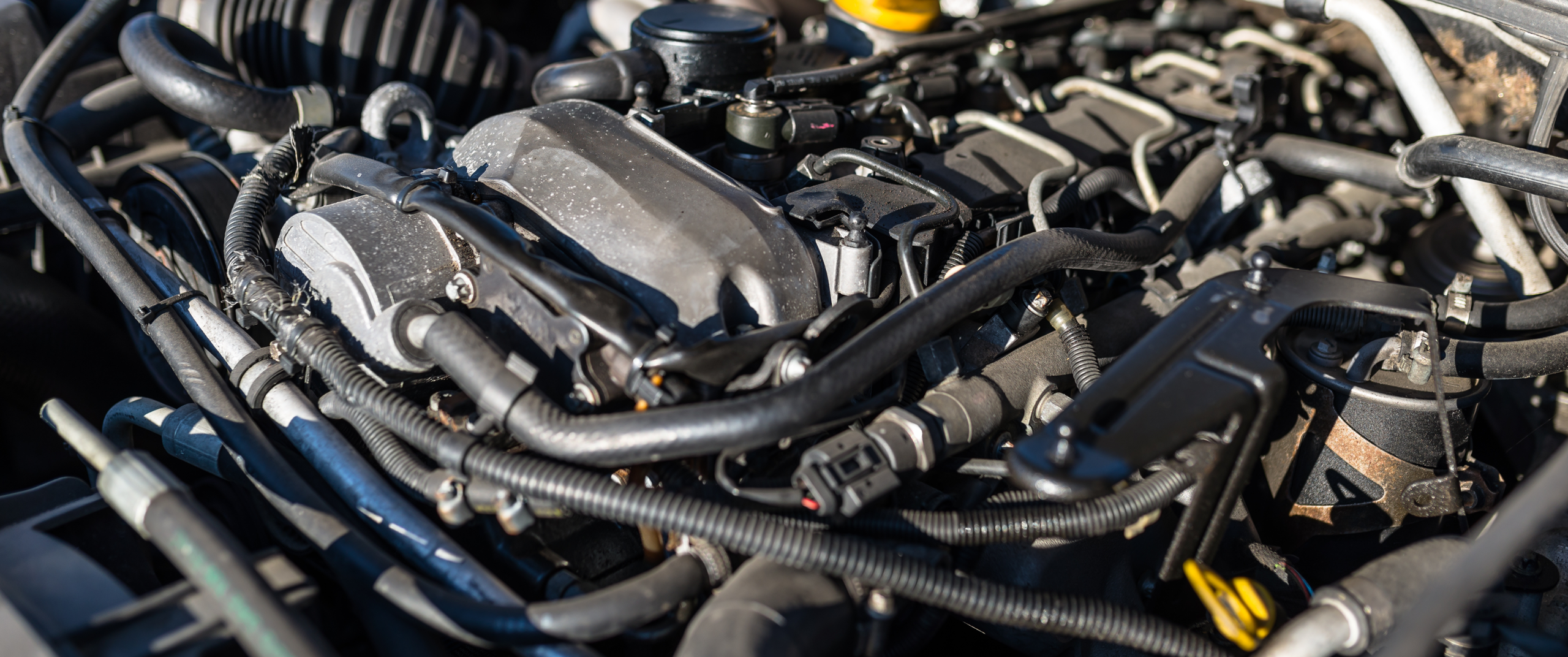
Did you know that engine sludge can cost you thousands? This quiet killer is in your engine, accumulating slowly and waiting to turn your trusty car into a costly fix nightmare. Engine sludge may seem like a minor issue, but it has quite the impact on your engine’s health.
The Reality of Engine Sludge
Consider this: you’ve been conscientious about following your manufacturer’s suggested interval for changing the oil, and yet your engine forms goopy, gummy residues that can result in catastrophic failure. It occurs more often than you’d care to think, costing car owners thousands of dollars in repair costs.
Every vehicle owner needs to understand engine sludge because it doesn’t discriminate. Whether you drive a brand-new Ford Edge or a well-maintained luxury vehicle, sludge formation can happen when you least expect it. The consequences extend far beyond a simple oil change, we’re talking about damaged camshafts, failed actuators, and compromised timing chains.
Fighting Back with Maintenance
The good news? Proper maintenance and strategic oil change intervals can be your best defense against this costly threat. By understanding why sludge occurs and acting earlier, you can preserve your investment and spare yourself the frustration of expensive engine repairs that might have been prevented with proper car care and auto maintenance.
Understanding Engine Sludge: Causes and Consequences
Engine sludge is a tar-like substance that forms when your engine oil deteriorates and mixes with other contaminants, such as trash and dirt. It’s like cholesterol accumulation in your arteries – it begins small but continues to add up until it causes significant blockages in your engine’s vital systems.
How Engine Sludge Forms
The breakdown process starts with oil breakdown. Even the finest motor oil will eventually break down because of the high heat and pressure within your engine. As oil molecules break down, they are tacky and begin sticking to particles of dirt, metal shavings, and combustion material. This stuff hardens into the sludgy goo that can ruin your engine.
Primary Causes of Sludge Formation
Several factors can speed up the development of sludge in your vehicle:
Extended oil change intervals – Following manufacturer recommendations of 7,500-10,000 miles between changes often proves too long for real-world driving conditions
Using incorrect oil types – Mixing conventional and synthetic oils or using the wrong viscosity grade
Short trip driving patterns – Your engine never reaches optimal operating temperature to burn off moisture and contaminants
Extreme weather conditions – Both excessive heat and cold can accelerate oil breakdown
The Devastating Impact on Engine Components
Engine sludge doesn’t just sit harmlessly in your oil pan. It actively damages critical components throughout your engine:
- Camshafts and actuators: These components accumulate grime, causing variable valve timing systems to act unpredictably. Newer engines depend on accurate oil pressure to operate solenoids responsible for cam timing. Small particles can clog these delicate actuators, resulting in sluggish performance and ultimate failure.
- Timing chains: Sludge denies oil flow to tensioners and guides, leading to premature wear of these parts due to a lack of lubrication. This creates costly repair scenarios that often require complete engine disassembly.
The financial consequences of ignoring vehicle maintenance can easily reach several thousand dollars when sludge-related damage occurs.
Real-Life Case Study: The Costly Reality of Ignoring Engine Sludge
Let’s examine a Ford Edge case study that perfectly illustrates how engine sludge can develop even when you think you’re doing everything right. At HCS Auto Repair, we recently worked on a 2018 Ford Edge with a 2.0L engine and 114,000 miles that came in for an unrelated running issue. What we discovered under the hood was shocking.
The vehicle history told an interesting story. We obtained the complete Carfax report, which showed this Edge was originally a lease vehicle. From 43,000 miles onward, we could track every oil service:
Average oil change intervals: 8,150 miles
Service locations: Primarily Ford dealerships
Interval range: 6,000 to 10,000 miles between changes
Though they adhered to recommended 7,500-mile factory oil change intervals (with some maintenance even more frequently), there was a gigantic sludge accumulation above the camshafts, actuators, and internal parts. Grime was especially bad around the variable valve timing actuators – the very spot where sludge results in the most costly damage.
This anecdote illustrates a very important fact: actual maintenance routines rarely match ideal intervals. Even if one plans on adhering to 7,500-mile schedules, they end up going to 8,000-10,000 miles. The Ford Edge’s sludge problems likely stemmed from:
Inconsistent intervals ranging from 6,000 to 10,000 miles
Extended periods between some services
Unknown oil quality during the lease period
Why Manufacturer Recommendations May Not Be Enough
The case of the 2018 Ford Edge shows us why we can’t rely only on manufacturer recommendations for oil change frequency. Even though the vehicle was serviced every 8,150 miles on average—close to Ford’s recommendation of 7,500 miles—there was still a significant buildup of sludge in the engine.
Factory intervals assume ideal conditions that rarely exist in real-world driving. Your daily commute likely includes:
- Stop-and-go traffic that prevents oil from reaching optimal operating temperature
- Short trips where engines don’t fully warm up
- Extreme weather conditions that stress engine components
- Filthy or dusty conditions under which other contaminants are introduced
Synthetic oil is more resistant to sludge than ordinary oils, but even top-of-the-line lubricants have a limit. The synthetic molecular composition of the oil resists degradation longer, holding viscosity and cleaning characteristics that ordinary oils rapidly lose.
New engines with variable valve timing systems present some new challenges. Such sensitive systems require clean oil, and even minute particles of debris can lead to costly failure. The filters protecting these solenoids won’t be able to remove all binding-type contaminants.
Your conditions and driving style should dictate your oil change intervals, but not necessarily based on the owner’s manual recommendations. Towing down to 5,000 miles on any oil gives you a little bit of a buffer zone of protection against expensive engine repair that we see too much of in our shop.
Taking Proactive Measures: How Proper Maintenance Can Save You Thousands
The math behind preventive maintenance tells a compelling story. The 2018 Ford Edge case demonstrates how a “several-thousand-dollar” repair could have been avoided with more aggressive maintenance. When you break down the numbers, it takes a whole lot of oil changes to equal the cost of major engine repairs caused by sludge buildup.
Cost Comparison Reality Check:
- Frequent oil changes: $50-80 every 5,000 miles
- Engine sludge repair: Several thousand dollars in one visit
- Variable valve timing actuator replacement: Expensive repair requiring timing chain work
The synthetic blend oil service interval approach offers a smart middle ground. At HCS Auto Repair, we’ve been recommending 5,000-mile intervals for synthetic blend oil and are considering moving all full synthetic services to 5,000 miles as well. This strategy addresses the reality that most drivers don’t stick precisely to recommended intervals – they often go over by 500-1,500 miles.
Think of your engine like your heart. You can either maintain it properly from the start or face major surgery later. Once an engine requires disassembly due to sludge damage, it’s never quite the same as a well-maintained original. The debris and contamination that necessitated the repair leave lasting effects throughout the system.
Your wallet will thank you for choosing the proactive path. Regular maintenance costs spread over time versus one massive repair bill make financial sense for any budget.
Expert Solutions for Sludged Engines: Flushing and Repair Options
If sludge already exists in your engine, professional engine flush treatments can temporarily solve the problem. These special cleaning processes break down old deposits that have built up and clean dirt from critical items such as actuators and timing chains.
Auto repair solutions for sludged engines include:
- Chemical engine flushes to dissolve existing buildup
- Manual activation of stuck actuators during cleaning
- Complete system cleaning before major repairs
However, engine flushes have significant limitations. While they can sometimes free binding actuators and remove surface-level sludge, they cannot restore an engine to its original condition. If sludge has built up enormously in all of the internal components of your engine, even the strongest cleaning would not be sufficient to reverse all the damage.
The hard truth is: an engine that has been torn down and rebuilt is not half as good as an engine that was properly maintained in the first place. Detailing by professionals does make a difference, but prevention is still your best insurance against costly engine problems.
Choosing a Trustworthy Auto Repair Shop for Your Engine Repair Needs
When engine sludge threatens the performance of your vehicle and your wallet, selecting the proper trustworthy auto repair shop in Springdale, AR, is crucial. The answer lies in having experienced professionals who are familiar with the ins and outs of modern-day engine and sludge issues.
HCS Auto Repair has been dedicated to the Springdale community since 1988, establishing a strong presence and earning trust through decades of experience that have proven our service. Our ASE-certified technicians offer special expertise in diagnosing and repairing engine sludge problems in all makes and models of vehicles.
What sets us apart:
Comprehensive sludge assessment using advanced diagnostic techniques
Experience with variable valve timing systems and actuator-related issues
Professional engine flushing services when appropriate
Honest recommendations about repair versus replacement options
Our technicians have witnessed firsthand how sludge buildup affects critical engine components like camshafts, actuators, and timing chains. This real-world experience allows us to provide accurate assessments and cost-effective solutions tailored to your specific situation and budget.
Choose HCS Auto Repair
Did You Know Engine Sludge Could Cost You Thousands? The answer is a resounding yes, and the evidence speaks for itself. The 2018 Ford Edge we examined proves that even following manufacturer recommendations doesn’t guarantee protection against costly engine damage.
Your vehicle deserves better than the bare minimum. Consider these engine sludge prevention strategies:
Reduce oil change intervals to 5,000 miles regardless of oil type
Use full synthetic oil for superior protection
Monitor your driving conditions and adjust maintenance accordingly
Don’t wait for problems to develop
The cost of proactive maintenance pales in comparison to thousands of dollars in engine repairs. When actuators fail, timing chains stretch, or camshafts suffer damage, you’re looking at major reconstruction work that could have been prevented.
Residents of Springdale and surrounding Arkansas communities can rely on HCS Auto Repair’s three decades of experience and ASE-certified expertise. We understand the real-world challenges of engine sludge and provide honest, cost-effective solutions.
Ready to protect your investment? Call (479) 751-8232 today for personalized maintenance advice or to schedule your next service appointment.