
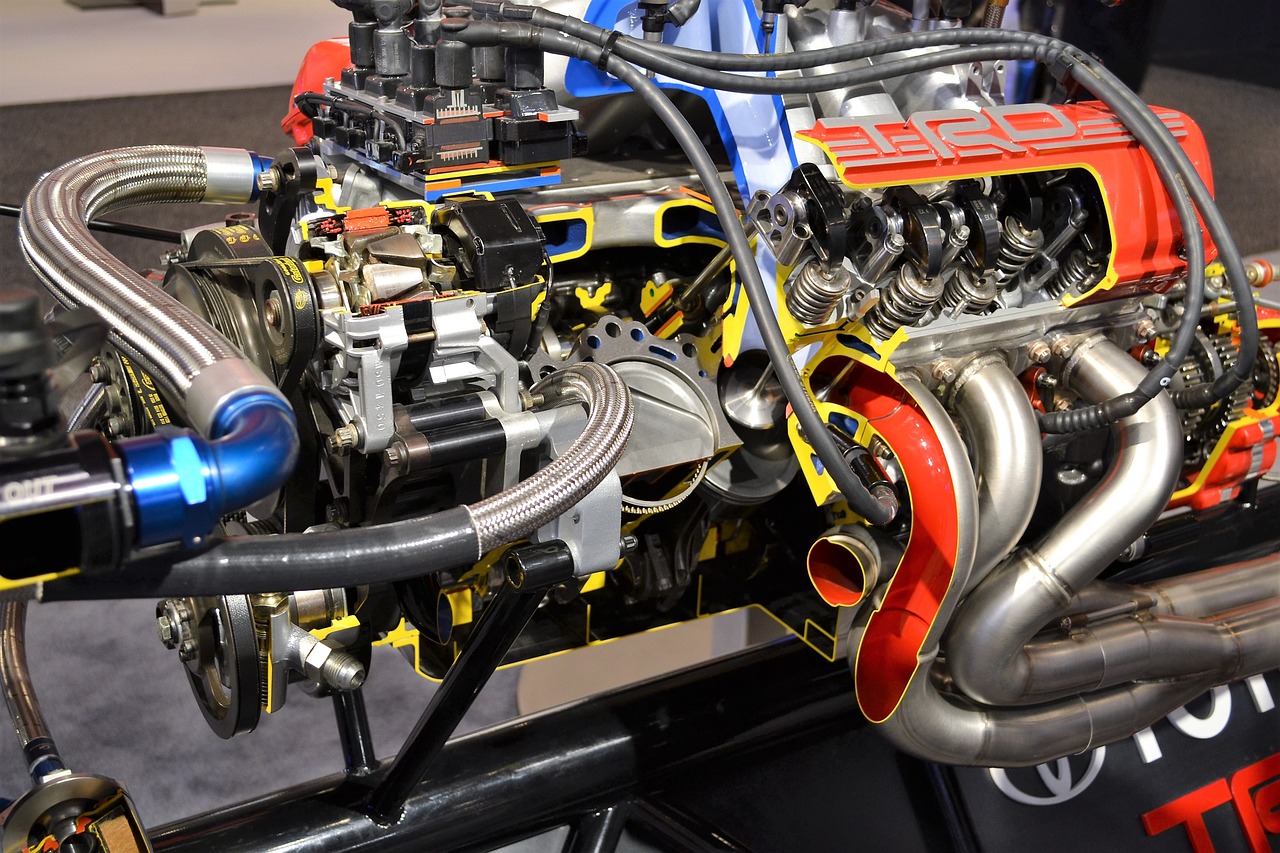
Diesel engines are renowned for their durability and efficiency, making them popular choices for heavy-duty vehicles, trucks, and machinery. However, like any engine, they are not immune to problems. Understanding the common issues that can arise with diesel engines, their causes, symptoms, and potential solutions can help you maintain optimal performance and extend the lifespan of your engine. We will explore some of the most frequent diesel engine problems and how to address them.
1. Hard Starting or No Start
Causes:
- Fuel Issues: Contaminated or old fuel can lead to hard starting. Additionally, air in the fuel lines can prevent proper fuel delivery.
- Battery Problems: Weak or dead batteries can affect the starting process, especially in colder weather.
- Glow Plug Failure: In cold conditions, faulty glow plugs can hinder the engine’s ability to start.
Symptoms:
- Engine cranks slowly or not at all.
- Excessive smoke during cranking.
- Engine runs roughly after starting.
Solutions:
- Check and replace the fuel filter if necessary.
- Inspect the battery and connections; replace if needed.
- Test and replace faulty glow plugs.
2. Poor Fuel Economy
Causes:
- Dirty Fuel Injectors: Injectors that are clogged or malfunctioning can lead to inefficient fuel combustion.
- Air Filter Blockage: A dirty air filter restricts airflow, affecting the air-fuel mixture.
- Excessive Idling: Prolonged idling can waste fuel and reduce overall efficiency.
Symptoms:
- Noticeable drop in miles per gallon (MPG).
- Increased frequency of refueling.
Solutions:
- Clean or replace fuel injectors as needed.
- Regularly check and replace the air filter.
- Limit idling time to improve fuel efficiency.
3. Engine Overheating
Causes:
- Coolant Leaks: Loss of coolant due to leaks can lead to overheating.
- Faulty Thermostat: A malfunctioning thermostat may prevent proper coolant flow.
- Clogged Radiator: Dirt and debris can block the radiator, reducing its ability to dissipate heat.
Symptoms:
- Temperature gauge reading higher than normal.
- Steam or coolant leaking from the engine.
Solutions:
- Inspect for coolant leaks and repair as necessary.
- Replace a faulty thermostat.
- Flush and clean the radiator to ensure proper cooling.
4. Excessive Smoke
Causes:
- Fuel Quality: Poor-quality fuel can lead to incomplete combustion, resulting in smoke.
- Injector Problems: Malfunctioning injectors can cause an improper fuel-air mixture.
- Turbocharger Issues: A failing turbocharger can introduce oil into the combustion chamber, leading to blue smoke.
Symptoms:
- Black smoke during acceleration (indicating too much fuel).
- Blue smoke (indicating oil burning).
- White smoke (indicating coolant burning).
Solutions:
- Use high-quality diesel fuel.
- Have fuel injectors tested and replaced if necessary.
- Inspect the turbocharger and repair or replace as needed.
5. Low Power or Poor Acceleration
Causes:
- Clogged Air Filter: A dirty air filter restricts airflow, reducing engine power.
- Fuel Delivery Issues: Problems with the fuel pump or fuel lines can hinder fuel delivery.
- Transmission Problems: Issues with the transmission can affect power transfer to the wheels.
Symptoms:
- Noticeable lag during acceleration.
- Difficulty maintaining speed on inclines.
Solutions:
- Replace the air filter regularly.
- Inspect the fuel system for blockages and repair as needed.
- Have the transmission checked for issues.
6. Diesel Knock
Causes:
- Incorrect Fuel: Using the wrong type of diesel fuel can lead to knocking.
- Injector Timing Issues: Poorly timed fuel injection can cause knocking sounds.
- Carbon Build-Up: Excessive carbon deposits can lead to pre-ignition and knocking.
Symptoms:
- Distinct knocking noise from the engine during operation.
- Reduced engine performance.
Solutions:
- Ensure you are using the correct diesel fuel for your engine.
- Have the injectors and timing checked by a professional.
- Clean carbon deposits from the combustion chamber.
7. Oil Contamination
Causes:
- Coolant Leaks: A blown head gasket can allow coolant to mix with engine oil.
- Fuel Dilution: Poor combustion can lead to unburned fuel entering the oil system.
Symptoms:
- Milky or frothy appearance in the oil.
- Decreased oil pressure.
Solutions:
- Inspect for coolant leaks and replace the head gasket if necessary.
- Change the oil and filter to remove contaminated oil.
- Address any fuel delivery issues to prevent further dilution.
Understanding common diesel engine problems is essential for maintaining the performance and longevity of your engine. By recognizing the symptoms and addressing the causes promptly, you can avoid costly repairs and ensure your diesel engine runs smoothly. Regular maintenance, including fuel system checks, air filter replacements, and coolant inspections, will help keep your engine in optimal condition. If you encounter persistent issues, don’t hesitate to consult our professional mechanic for a thorough diagnosis and repair.