
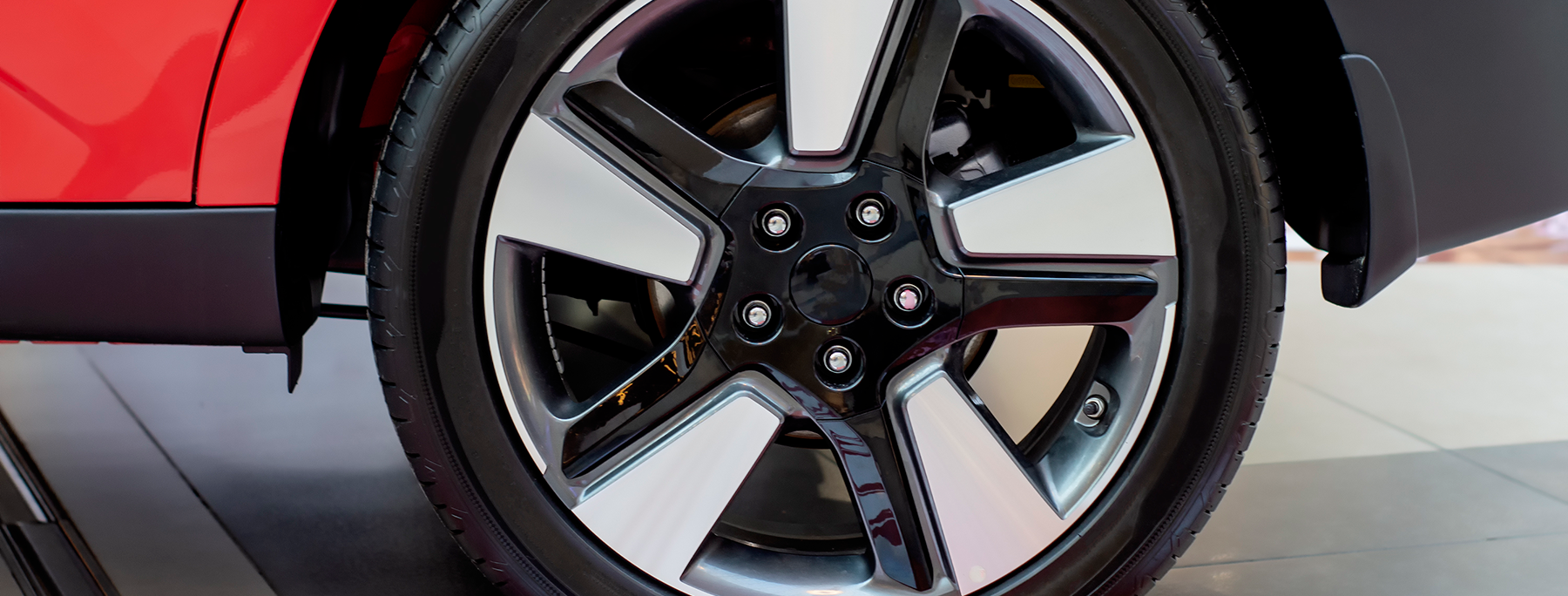
Your drivetrain directly influences things such as fuel efficiency, handling character, and your performance in rough weather and terrain.
When you’re shopping for that new vehicle or rather draw the most out of what you already own, it’s beneficial to know how drivetrain setups differ from one another.
The incorrect one will result in less traction driving through a blizzard or additional gas costs than you’d care to spend. The correct one will improve your driving experience and grant you numerous safe years of transportation that’s designed to your very own needs.
In order to understand which drivetrain setup is most appropriate for you, Front-Wheel Drive (FWD), Rear-Wheel Drive (RWD), All-Wheel Drive (AWD), or Four-Wheel Drive (4WD), you need to focus on four important systems:
Front-Wheel Drive (FWD): Power to front wheels only
Rear-Wheel Drive (RWD): Engine power to rear wheels only
All-Wheel Drive (AWD): Power is divided automatically to all wheels as the situation warrants
Four-Wheel Drive (4WD): Driver-activated delivery of power to all wheels
Each drivetrain is improved in some areas and deteriorated in others, which makes them better suited to a specific driving condition, whether you drive to work every day or drive road trips along lesser-traveled routes.
Overview of Drivetrain Types
Understanding how power flows from your motor to your wheels makes you a wiser purchaser when you select a car for your use. Comparisons across every drivetrain point out unique features that influence your driving immediately, gas mileage, and what your automobile will be able to do.
Front-Wheel Drive (FWD)
Front-Wheel Drive systems transfer engine power to the front wheels through a transaxle assembly. The space-saving technology has the engine, transmission, and differential all contained in one unit at the front of the car. It saves space by not requiring a driveshaft to the rear and also minimizes production costs.
FWD systems are used in the following types of cars:
Compact sedans and cars
Most hatchbacks and crossover SUVs
Fuel-efficient economy vehicles
Urban commuters
Rear-Wheel Drive (RWD)
Rear-Wheel Drive setups direct power from the engine via a transmission to a driveshaft, which delivers force to the rear differential and eventually to the rear wheels. The setup provides more even weight distribution as significant parts are mounted along the length of the vehicle instead of being localized at one end.
RWD vehicles usually come in:
Performance and sports vehicles
Luxury vehicles and coupes
Full-size pickup trucks
Heavy-duty commercial trucks
All-Wheel Drive (AWD)
All-Wheel Drive systems power automatically between front and rear wheels, depending on traction. Sophisticated computer controls watch for wheel slip and transfer power where power is essential. Certain AWD systems power in front-wheel drive under normal conditions, engaging rear wheels when slippage is detected by sensors.
AWD technology often outfits:
Crossover SUVs and luxury cars
Performance vehicles need extra grip
Year-round driving vehicles sold
Vehicles for inclement weather
Four-Wheel Drive (4WD)
Driver input is needed to engage Four-Wheel Drive systems, generally through a lock between the front and rear axles together via a transfer case. In contrast to AWD’s automatic operation, 4WD permits you to have control over when all four wheels are powered. Some 4WD systems also feature low-range gearing that increases torque for difficult terrain.
4WD systems are ideal in:
Off-road trucks and SUVs
Heavy-duty pickup trucks
Towing- and hauling-oriented vehicles
Specialized work and off-road trucks
They each serve different purposes, from enhanced fuel economy on the highway to enduring rough off-road travel. Your choice will depend on weighing those mechanical characteristics against your own driving style, environment, and performance requirements.
Learn About Front-Wheel Drive (FWD)
Front-Wheel Drive (FWD) transmissions transfer engine torque to the front wheels through a compact transaxle assembly. Its layout positions the engine, transmission, and differential at the front of the car, and so it is compact and very efficient. As such, FWD has been the standard in the majority of contemporary sedans, hatchbacks, and compact sport-utility vehicles.
Benefits of FWD Systems
FWD cars possess numerous benefits, making them best suited for everyday use:
Improved fuel economy – Reduced weight and power-conserving transmission translate to less money spent on gasoline.
Increased passenger space – Without a driveshaft tunnel cutting through the passenger compartment, you have greater legroom and room for luggage.
Lower manufacturing cost – And that translates to lower prices for vehicles for you.
Better traction on uphill climbs – Weight of engine loads over driving wheels.
But FWD vehicles also have some disadvantages:
Understeer on intense cornering – The front wheels will turn and provide power, causing the car to want to push out on intense cornering.
Reduced grip on wet road – Snow and ice are not nice for FWD systems, as there is reduced weight in the rear wheels to serve as stabilizers.
Ideal for City Driving
FWD is particularly well-suited for city driving. It excels in situations such as:
- Daily commutes through urban traffic
- Parking in tight spaces
- Navigating stop-and-go conditions
In these scenarios, FWD’s responsive handling and compact design provide significant benefits.
Understanding Rear-Wheel Drive (RWD)
Rear-Wheel Drive (RWD) vehicles direct power from the engine via a driveshaft to the rear wheels, giving motorists a basically different driving experience than in front-wheel drive setups. The front-drive engine has transmission power coming in the reverse direction, and the longitudinal power flow characterizes the vehicle.
Pros and Cons of RWD
The RWD weight distribution provides intrinsic balance between the rear and front axles. In this case, the front wheels are completely devoted to steering, and the rear wheels do the acceleration work, leading to:
Superior acceleration – Weight transfers to rear wheels during launches, increasing traction
Enhanced handling characteristics of drivetrains – Better cornering balance and steering precision
Improved towing capacity – Power delivery directly to the rear axle handles heavy loads effectively
Performance Factors
RWD cars are great on dry roads, but are not problem-free. Oversteer is a problem when cornering hard, with the rear possibly swinging out if too aggressively accelerating. Special care is needed during winter driving because rear-wheel traction on snow and ice is lessened by not having more weight over the drive wheels.
When RWD Shines
Luxury cars and performance vehicles favor RWD owing to its performance characteristics. Sports vehicles such as the Mazda MX-5 and the BMW M series demonstrate how RWD is used to improve driving thrill experiences. Pickup trucks and SUVs employ RWD for their towing ability and ruggedness in adverse conditions.
All-Wheel Drive (AWD) Features and Benefits
All-Wheel Drive, or AWD, is a get-it-all-done drivetrain system that takes advantage of the strengths of both front-wheel drive and rear-wheel drive. It sends power to all four wheels automatically and adjusts according to the driving conditions in an instant without your action.
How AWD Works
The secret to AWD is its smart power management system. If your car can sense that one or more of its wheels are ready to slip on rain, snow, or uneven road surfaces, it sends torque to the higher-traction wheels all on its own. The response is almost instantaneous and under a split second, and it gives the best control and road confidence.
Benefits of AWD in Various Weather Conditions
The advantages of AWD become clear when faced with challenging weather situations:
Rain and wet roads: Improved grip helps prevent hydroplaning and maintains steering control
Snow and ice: Superior traction keeps your vehicle moving when others may struggle
Gravel and loose surfaces: Enhanced stability and forward momentum on unpaved roads
Steep inclines: Better climbing ability regardless of surface conditions
Fuel Efficiency of Modern AWD Systems
Current AWD systems have made a lot of progress from how they were in the beginning. They are as fuel-efficient as two-wheel drive vehicles.
Most modern vehicles are able to cut out entirely when less than minimum traction is needed, so your car can cruise down the highway in front-wheel drive.
Four-Wheel Drive (4WD) Capability
Four-Wheel Drive (4WD) systems are the best choice when on difficult terrain and under poor driving conditions. Unlike All-Wheel Drive (AWD) systems that drive automatically, 4WD involves you having to engage it manually through a transfer case, where you retain full control of when and how power is distributed to all four wheels.
How 4WD Works
The main benefit of any 4WD system is that it will cause the front and rear axles to lock together and distribute power equally, even if half the wheels have no traction at all. The mechanical linkage is a genuine lifesaver when crawling across boulder fields, traveling through heavy mud, or climbing steep inclines at which other drivetrains bog.
The Importance of Low-Range Gearing
Low-range gearing is one of the characteristics that separates 4WD from other drivetrain designs. With low-range gearing, engine torque is boosted by lower gear ratios, which gives robust pulling capability when creeping along. When you engage it in low-range, your truck is a mighty machine that can:
Climb steep grades under heavy loads
Creep over big obstacles without stalling
Hold its line on very slippery ground
Travel in deep snow, sand, or mud
Off-Road Strengths of 4WD
4WD off-road capability extends beyond enhanced traction. Its rugged build can handle rock crawling, trail driving, and inclement weather stresses that will swallow up lighter drivetrains. Trucks, SUVs, and off-road specialty vehicles with 4WD become trusted companions for adventure, work needs, and emergency service use when traditional drivetrains lack the capability and reliability needed.
Choose HCS Auto Repair
Choosing the best drivetrain involves knowing your driving requirements and circumstances. For FWD fuel economy, RWD performance handling, weather adaptability with AWD, or off-road capability with 4WD, each system is adequate for its intended function.
Your drivetrain works for you around the clock, coupling power from engines to wheels by precise mechanical gearing. Proper care maintains performance and life in top shape, preventing costly repairs later.
Need to keep your drivetrain in working order? We at HCS Auto Repair provides professional drivetrain service so that your vehicle can drive safely and efficiently. Our experienced technicians handle all drivetrain types with precision and care.
Schedule your appointment today by calling (479) 751-8232 today- we’re here to help with all your auto repair needs.