
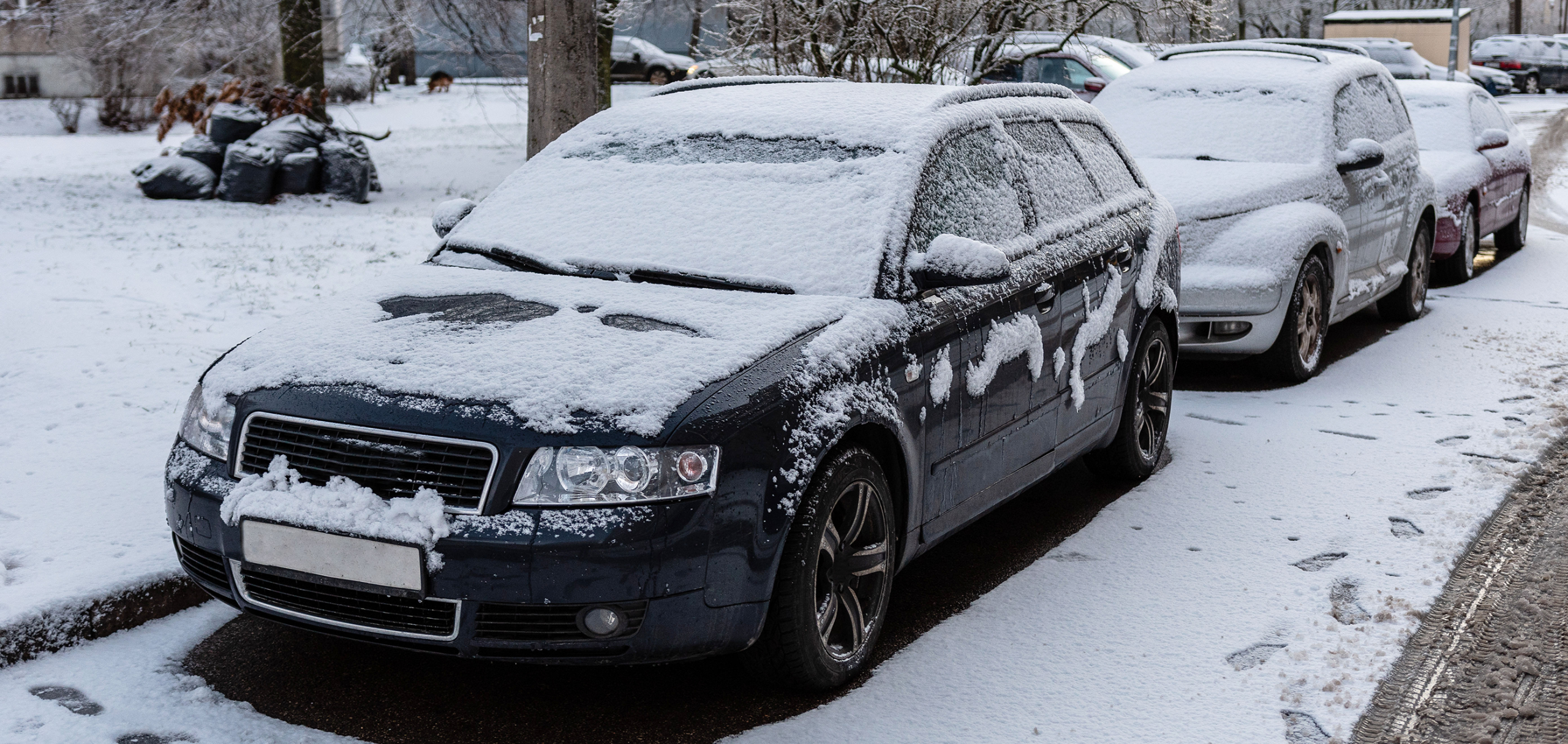
Winter mornings can be frustrating for many drivers: you’re running late, coffee in hand, ready to start your commute, and your car door won’t open. Frozen car doors are a common winter problem that affects millions of drivers each year when temperatures drop below freezing. This happens because ice forms around the door seals and locking mechanisms when moisture gets trapped between the door and frame and freezes in the cold.
At our auto repair shop, we’ve seen many customers come in with damaged weather stripping, broken door handles, and even cracked windows, all because they tried to force open a frozen car door improperly. While the ice on your car door might seem like a small issue, dealing with it the wrong way can lead to expensive repairs that cost much more than being patient and using the right technique. We’ve seen customers pull so hard on their door handles that they broke completely off, leaving them with both a frozen door and a broken handle to fix.
Knowing safe and effective ways to deal with a frozen car door is important for anyone living in cold areas. The difference between being five minutes late and having to pay several hundred dollars for repairs often depends on how you approach the problem. We’ve spent years helping customers through these winter challenges, and the good news is that most frozen doors can be opened without any damage at all when you know what to do. The secret is to work with the ice instead of fighting it, using methods that gently encourage the door to open rather than forcing it. Whether you’re facing a light frost or a thick layer of ice that’s sealed your door shut overnight, the techniques we’ll share can help you safely and quickly get back into your vehicle.
Understanding Why Car Doors Freeze
To understand why car doors freeze, we need to know how water behaves in cold conditions. During winter or when temperatures fluctuate, our cars go through cycles of warming and cooling. This creates a perfect environment for moisture to build up. Every time we open the door, warm air from inside the car meets the cold outside, causing condensation to form on the rubber seals and metal surfaces.
How Moisture Affects Car Doors
The moisture that accumulates in car doors doesn’t simply evaporate when it gets cold. Instead, it seeps into the small gaps between the door frame and the body of the vehicle, finding its way into the rubber weatherstripping designed to keep out wind and rain. During warmer parts of the day, snow and ice on the outside of the car may partially melt, with water running down the door panels and collecting in these vulnerable areas. When temperatures drop again, especially overnight, this trapped water turns into solid ice.
The Process of Ice Formation
The process of ice forming happens gradually but effectively. As temperatures decrease, water molecules slow down and eventually bond together to create ice crystals. These crystals expand as they form, which is why ice can actually push apart surfaces that were previously flush against each other. In the tight space between your car door and frame, even a small amount of water can create a surprisingly strong ice seal once it freezes completely.
The Role of Cold Temperatures
Cold temperatures are crucial in this winter scenario. When the temperature drops below 32°F (0°C), any moisture present starts turning into ice. The colder it gets, the faster and more thoroughly this freezing happens. We’ve seen situations where temperatures just around freezing create a thin layer of ice that’s relatively easy to deal with, while extreme cold snaps at 0°F or below can create thick, stubborn ice barriers that seem impossible to break.
How Rubber Seals Are Affected
The rubber seals around car doors are particularly prone to freezing because they’re designed to compress and create an airtight seal. When moisture gets into the grooves and channels of these seals, it freezes and effectively glues the rubber to the metal door frame. The seal loses its flexibility when frozen, becoming rigid and brittle instead of soft and pliable. This means that even if you manage to break the ice seal, the frozen rubber itself may resist movement.
Locking mechanisms have their own unique challenges when it comes to freezing conditions.
Safe and Effective Methods to Open a Frozen Car Door
When you’re faced with a frozen car door on a frigid morning, having the right approach makes all the difference between a quick solution and potential damage to your vehicle. We’ve tested numerous techniques over the years, and these methods consistently deliver results while protecting your car’s components.
1. Applying Lukewarm Water Carefully
One of the most accessible solutions sits right in your kitchen. Lukewarm water for ice removal works remarkably well when applied correctly to frozen door seals. The key is temperature control, the water should feel comfortable to the touch, similar to what you’d use for washing your hands. This gentle warmth is enough to melt ice on car door seals without shocking the materials.
Pour the lukewarm water slowly along the edges where the door meets the frame, focusing on areas where you can see or feel ice buildup. The water seeps into the frozen gaps and gradually dissolves the ice barrier. We’ve found that starting at the top of the door and working downward allows gravity to help distribute the water effectively along the entire seal.
Note: Avoid using hot water as it poses serious risks such as cracking or shattering cold glass due to rapid temperature change. Additionally, in extremely cold conditions, hot water can refreeze faster than lukewarm water, leading to an even thicker layer of ice.
After applying the water, try the door handle gently. If it still resists, apply another round of lukewarm water rather than forcing the door. Patience with this method protects your weather stripping and prevents damage to the door’s locking mechanism.
2. Using Commercial Deicer Sprays
Deicer spray products represent a purpose-built solution designed specifically for melting ice on various surfaces, including car doors. These sprays typically contain chemicals such as calcium chloride or magnesium chloride that lower the freezing point of water, effectively breaking down ice barriers.
When using commercial deicer sprays:
- Shake well before use
- Hold the can approximately 6-8 inches away from targeted areas
- Spray evenly along edges where ice has formed
Allow sufficient time for deicer to penetrate through layers of ice before attempting any forceful actions, this ensures optimal effectiveness while minimizing potential harm caused by aggressive maneuvers.
3. Leveraging Heat Sources (With Caution)
In certain situations where other methods prove ineffective or time-sensitive circumstances arise (e.g., needing immediate access), leveraging heat sources may provide temporary relief:
- Warm Water Soak: Fill a bucket with warm, not boiling, water and submerge affected area(s) briefly until ice begins loosening.
- Hair Dryer/Heat Gun: Set on low-medium setting only! Directly apply warmth onto frozen sections while keeping distance (to avoid damaging paintwork).
- Portable Space Heater: Position near vehicle interior (if safe) allowing ambient warmth gradually melting surrounding icy patches.
Caution: Always prioritize safety when using heat sources! Excessive temperatures could lead to irreversible damage, especially plastics/rubber components, so exercise restraint and monitor closely during application processes.
4. Seeking Professional Assistance
If all else fails or if you suspect underlying issues beyond mere frost accumulation (e.g., faulty locking mechanism), seeking professional assistance might be necessary:
- Local locksmiths specializing automotive services
- Roadside assistance providers offering lockout solutions
These experts possess knowledge/tools required addressing complex situations efficiently without causing additional harm vehicles involved.
Remember that prevention is always better than cure! Consider investing in protective measures like silicone spray lubricants applied periodically around weatherstripping areas, this creates a barrier against moisture buildup preventing future occurrences freezing doors altogether!
2. Using Commercial Deicer Sprays
Commercial deicer sprays are one of the most reliable solutions we’ve found for dealing with frozen car doors. These automotive deicer products are specifically designed to tackle the exact problem you’re facing, ice buildup on locks, seals, and door mechanisms. Unlike household remedies that might work in a pinch, deicer sprays are formulated with the right chemicals to quickly melt ice on car door surfaces without damaging your vehicle’s finish or components.
Advantages of Using Commercial Deicer Sprays
- Targeted Application: Deicer sprays come in aerosol cans with precision nozzles that allow you to direct the solution exactly where you need it. This is especially important when trying to open a frozen car door, as the spray can reach into the small spaces around your door seals where ice tends to accumulate stubbornly.
- Effective at Low Temperatures: Most commercial deicers contain a mix of alcohols and glycols that lower the freezing point of water. These ingredients cause existing ice to quickly turn back into liquid form. The advantage of these formulations is that they’re designed to work at extremely low temperatures, often effective down to -40°F or lower.
- Saves Time and Effort: We’ve seen numerous situations where a few strategic sprays saved someone from being stuck in the cold for long periods. Instead of waiting for ice to melt naturally or using brute force to open the door, you can rely on deicer sprays to do the job efficiently.
How Commercial Deicer Sprays Work
The primary benefit of using a deicer spray is its ability to target specific areas affected by ice. Here’s how these products typically work:
- Identify all the places where ice has formed on your car door.
- Shake the canister well before use.
- Hold the can approximately 4-6 inches away from the frozen surface.
- Apply a generous coating of the deicer spray directly onto the affected areas.
- Wait for about 30-60 seconds after spraying before attempting to open the door.
This waiting period allows enough time for the chemical composition in the deicer spray to penetrate through all layers of ice and start melting it away.
Common Areas Where Ice Forms
When using commercial deicer sprays, it’s essential to focus on areas prone to ice buildup. Here are some common trouble spots you should pay attention to:
- The gap between the door and door frame
- Around the door handle mechanism
- The keyhole or electronic lock sensor area
- Along the rubber weather stripping
- The bottom edge of the door where snowmelt often refreezes
By targeting these specific regions with deicer sprays, you’ll increase your chances of successfully opening a frozen car door without causing any damage.
3. Gentle Physical Pressure Techniques
When chemical solutions aren’t immediately available or you prefer a hands-on approach, using controlled physical pressure can effectively break the ice seal holding your car door shut. This method works particularly well when ice has formed a thin layer along the door’s perimeter rather than creating a thick, solid barrier. We’ve found that many vehicle owners instinctively want to yank or pull forcefully on the door handle, but this aggressive approach often leads to broken handles, damaged weather stripping, or bent door frames.
The Proper Technique
The proper technique involves positioning yourself close to the door and using your body weight strategically. Here’s how to do it:
- Stand facing the door with your shoulder aligned with the area where the door meets the frame, typically along the vertical seam.
- Lean your weight into the door panel itself—not the handle—applying steady, consistent pressure for several seconds.
- The goal is to flex the door slightly, creating micro-movements that crack the ice bond without stressing any single component.
Think of it as persuading the ice to release its grip rather than forcing it to submit.
Systematic Approach
After holding pressure for about five to ten seconds, release and step back. Repeat this process three to four times, each time focusing on different sections of the door’s perimeter:
- Start near the top hinge area
- Move to the middle section
- Apply pressure near the bottom of the door
This systematic approach to breaking ice on car door surfaces ensures you’re addressing the entire frozen seal rather than just one spot. Between each application of pressure, try the door handle gently to test whether the ice has released. You might hear subtle cracking sounds as the ice begins to separate from the rubber seals, this is exactly what you want to achieve.
Rhythm Over Intensity
The rhythm and repetition matter more than the intensity of each push. We recommend using a gentle rocking motion where you lean in, hold for a few seconds, release, and repeat. This creates a pumping action that gradually works the ice loose from multiple angles.
Some people find success by pushing near the door handle area while simultaneously pulling the handle outward, creating opposing forces that help separate the frozen components. Just remember to keep your movements controlled and deliberate.
Involving Your Hands
Your hands can also play a role in this technique. Place both palms flat against the door panel and push with steady, even pressure while keeping your arms slightly bent. This distributes the force across a wider
4. Warming Rubber Seals with Body Heat or Warm Cloths
Sometimes the simplest solutions prove to be the most effective when dealing with frozen car doors. Your own body heat can become a powerful tool for thawing frozen car doors naturally. We’ve found that pressing your hands firmly against the frozen rubber seals creates direct contact that transfers warmth to the ice, gradually softening it without any risk of damage. This method works particularly well when the ice layer isn’t too thick and you have a few minutes to spare.
Using Body Heat
The technique requires patience but delivers results. Place your palms flat against the door seal where you notice ice buildup, applying steady pressure for 30 to 60 seconds at a time. The warmth from your hands penetrates the rubber and begins melting ice safely from the inside out. You can also lean your body against the door, using your torso to cover a larger surface area of the seal. This approach works especially well on driver’s side doors where the seal runs vertically along the frame.
Using Warm Cloths
For those particularly stubborn frozen sections, warm cloths offer an excellent alternative that amplifies the heating effect. We recommend running a cloth under warm tap water, not scalding hot, just comfortably warm to the touch, then wringing out excess moisture before applying it to the affected areas. The damp warmth of the cloth conducts heat more efficiently than dry fabric, helping to open the frozen car door seals that have been locked tight by overnight ice formation.
When using warm cloths, focus on the areas where the door meets the frame. Hold the cloth against the seal for about a minute, then check if the ice has loosened. You may need to rewarm the cloth several times, as it cools quickly in freezing temperatures. This method proves particularly useful for warming rubber seals around the entire perimeter of the door, not just the handle area. We’ve seen this technique work wonders on rear doors and trunk lids that often get overlooked during winter maintenance.
The beauty of these heat-based methods lies in their gentleness. Unlike aggressive scraping or prying, body heat and warm cloths won’t tear rubber seals or scratch paint. They also don’t introduce the risks associated with chemical solutions or water that might refreeze. For vehicle owners who prefer natural, low-tech solutions, these approaches provide a safe
5. Using Rubbing Alcohol to Melt Ice
Rubbing alcohol is one of the best household solutions for quickly opening a frozen car door. Isopropyl alcohol works well because its chemical properties directly fight against ice formation. Here’s how it works: alcohol has a much lower freezing point than water (around -128°F compared to water’s 32°F), which means it stays liquid in temperatures where water would freeze solid.
When you pour rubbing alcohol around the edges of your car door, where it meets the window frame and chassis, the alcohol starts breaking down the ice crystals right away. The alcohol molecules disrupt the hydrogen bonds holding the ice together, effectively dissolving the frozen barrier that’s preventing your door from opening. This method has proven successful in situations where other methods have failed, especially when ice has formed in hard-to-reach areas along the door seam.
How to Apply Rubbing Alcohol
To effectively use rubbing alcohol for ice removal, follow these steps:
- Identify the areas where ice has built up the most, usually along the rubber weather stripping and vertical edges where the door meets the car body.
- Pour or spray rubbing alcohol slowly and deliberately along these seams, making sure to target specific frozen sections.
- Allow the alcohol to seep into the gaps and work its magic on the ice.
Using a small spray bottle filled with rubbing alcohol can give you better control than pouring directly from a larger container, allowing you to precisely apply the solution to specific frozen areas.
Why Rubbing Alcohol Works Quickly
One major advantage of using rubbing alcohol instead of lukewarm water is speed. While water needs time to transfer heat to melt ice, alcohol starts melting ice instantly through chemical action upon contact. In fact, we’ve noticed that within 30 to 60 seconds after applying rubbing alcohol, you can often see the ice starting to loosen and become slushy.
This quick action makes rubbing alcohol especially useful when you’re short on time during cold mornings or whenever you need to get into your car quickly.
Choosing the Right Concentration of Alcohol
For optimal results, it’s important to consider the concentration of isopropyl alcohol you’re using:
- Standard 70% isopropyl alcohol works effectively for most cases.
- However, if you want even faster ice-melting performance, opt for concentrations of 91% or higher.
The higher the alcohol content, the lower its freezing point will be, and therefore, the more aggressive its ability will be at melting through stubborn layers of frozen precipitation.
What Not To Do: Avoid Excessive Force
When faced with a stubbornly frozen car door, the natural impulse might be to yank, pull, or force it open with all your strength. This approach, while understandable in frustrating cold-weather situations, can lead to costly repairs and permanent damage to your vehicle. We’ve seen countless cases where well-intentioned drivers created problems far worse than a temporarily frozen door by using excessive force.
The Real Cost of Forcing a Frozen Door
Pulling hard on a frozen door handle can snap the mechanism entirely, leaving you with a handle that no longer engages the latch. The internal cables and rods that connect your door handle to the locking mechanism are designed for normal operation, not for the additional stress of breaking through ice. When these components fail, you’re looking at a repair bill that typically ranges from $150 to $400, depending on your vehicle make and model.
Weather stripping represents another vulnerable component when brute force enters the equation. These rubber seals create a barrier between your car’s interior and the elements, keeping out water, wind, and road noise. When ice bonds the weather stripping to the door frame and you force the door open, the seal can tear away from its mounting channel. Damaged weather stripping doesn’t just look unsightly, it compromises your vehicle’s insulation, allows water infiltration that can lead to mold growth, and creates annoying wind noise at highway speeds. Replacing weather stripping costs between $100 and $300 per door, not including labor.
The door frame itself can suffer permanent warping when subjected to excessive force. Modern vehicles use precisely engineered tolerances to ensure doors align correctly with the body. Forcing a frozen door can bend the frame slightly, creating gaps that prevent proper sealing even after the ice melts. We’ve worked with customers who developed persistent water leaks and wind noise issues that traced back to frame damage caused by one forceful yank on a frozen winter morning.
Why Patience Outperforms Power
The methods we’ve discussed, lukewarm water for ice, deicer spray, rubbing alcohol for ice, and gentle pressure techniques, all share a common thread: they work with the physics of ice rather than against it. Ice needs time to melt, whether you’re using heat or some other method. By being patient and allowing these techniques to take effect gradually, you’re less likely to cause damage compared to forcing it open with brute strength.
When to Seek Professional Help
Despite your best efforts with lukewarm water, deicer sprays, and gentle pressure techniques, some frozen door situations require expertise beyond DIY solutions. Recognizing when to call for professional roadside assistance can save you time, prevent vehicle damage, and get you safely on your way.
Internal Locking Mechanisms
Internal locking mechanisms present a particularly challenging scenario. While exterior ice buildup responds well to home remedies, frozen components inside the door assembly require specialized tools and knowledge. The actuator rods, latch assemblies, and electronic lock systems can all succumb to extreme cold. When moisture infiltrates these internal parts and freezes solid, no amount of external deicer application will resolve the issue. We’ve seen cases where drivers spent hours attempting various methods on the door’s exterior, unaware that the real problem existed within the door panel itself.
Signs of Locked Internal Mechanisms
Locked internal mechanisms often reveal themselves through specific symptoms:
- The door handle moves freely without engaging anything
- The key turns in the lock cylinder but produces no mechanical response
- Electronic locks may click repeatedly without actually unlocking
These signs indicate the freeze has penetrated deeper than surface-level seals and requires professional intervention.
Mechanical Issues Compounded by Freezing Conditions
Mechanical issues compound the problem when combined with freezing conditions. A door that already had alignment problems, worn hinges, or a faulty latch becomes exponentially more difficult to open when ice enters the equation. Attempting to force open a door with pre-existing mechanical damage risks creating expensive repairs. Professional technicians possess diagnostic tools to identify whether you’re dealing with simple ice buildup or underlying mechanical failures that need addressing.
Advantages of Professional Roadside Services
Professional roadside services bring several advantages to stubborn frozen door situations:
- Specialized heating equipment that safely warms door components without risk of thermal shock or damage
- Lock de-icing tools designed to reach internal mechanisms through the keyhole or door gaps
- Diagnostic capability to distinguish between ice-related issues and mechanical failures requiring repair
- Experience with various vehicle makes and models, understanding the specific vulnerabilities of different door designs
The technicians who respond to frozen car repair calls have encountered countless variations of this problem. They understand which vehicles commonly experience internal lock freezing, where moisture typically accumulates in specific models, and which components are most vulnerable to cold-related failure. This expertise allows them to quickly assess your situation
Preventive Measures to Avoid Frozen Car Doors Next Winter
The best approach to dealing with frozen car doors is stopping them from freezing in the first place. We’ve learned through years of working on vehicles that preventing frozen car doors requires consistent attention to detail and proactive maintenance before winter weather arrives. Taking simple steps now can save you from struggling with ice-locked doors on frigid mornings.
1. Keeping Doors Dry Before Cold Weather Hits
Moisture is the enemy when it comes to frozen car doors. Water that accumulates in the tiny spaces between your door and frame becomes ice overnight when temperatures drop. We always recommend thoroughly drying your vehicle’s doors and seals before the first freeze of the season. This means more than just a quick wipe-down with a towel.
Start by opening each door completely and inspecting the rubber weather stripping that runs along the door frame. These seals often trap water from rain, car washes, or melting snow. Use an absorbent microfiber cloth to carefully dry every inch of these rubber seals, paying special attention to the bottom portions where water naturally collects due to gravity. Don’t forget the areas around the door handles and locks, as moisture frequently accumulates in these recessed spaces.
The door jamb—the vertical part of the car body where the door closes, also needs attention. Water pools in the channels and grooves of this area, creating perfect conditions for ice formation. We’ve seen countless cases where customers thought they had dried their doors adequately, only to discover they missed these critical spots. Run your cloth along every crevice and corner, ensuring no water remains.
Timing matters when it comes to dry car doors prevention. Check weather forecasts and plan your drying routine for a day when temperatures are still above freezing but cold weather is approaching. This gives you the opportunity to work comfortably while preparing your vehicle for the harsh conditions ahead. If you’ve just washed your car, allow extra time for all moisture to evaporate before parking it overnight in freezing temperatures.
2. Applying Silicone Spray on Rubber Seals
Once your doors are completely dry, the next step in moisture control automotive winter care involves creating a protective barrier on your rubber seals. Silicone spray for seals serves as an invisible shield
2. Applying Silicone Spray on Rubber Seals
One of the most effective strategies for preventing frozen car doors involves creating a protective barrier on your vehicle’s rubber seals before winter weather arrives. Silicone spray serves as an excellent preventive treatment that significantly reduces the likelihood of ice formation along door edges and weather stripping. We’ve found through years of working with vehicles in harsh winter conditions that this simple maintenance step can save drivers considerable frustration during those bitter cold mornings.
How Silicone Spray Works
The science behind silicone spray for seals is straightforward yet powerful. When applied to rubber weather stripping, the silicone creates a thin, water-repellent coating that prevents moisture from adhering to the seal’s surface. This moisture control automotive winter care technique works because water droplets bead up and roll off the treated surface rather than settling into the microscopic crevices where they would normally freeze. The silicone also keeps the rubber supple and flexible, which helps maintain proper seal integrity even in extreme cold.
Application Process
Application of silicone spray for weather stripping requires minimal effort but delivers maximum protection. We recommend starting with clean, dry seals—use a mild soap solution and allow the rubber to dry completely before treatment. Hold the spray can approximately six inches from the seal and apply a light, even coat along the entire length of each door’s weather stripping. Pay special attention to the areas where the door meets the frame, as these spots are particularly vulnerable to ice buildup. Allow the silicone to dry for about 15 minutes before closing the door, giving the product time to bond with the rubber surface.
Additional Benefits
The protective benefits extend beyond just preventing frozen car doors. Silicone spray helps preserve the rubber itself, preventing the cracking and deterioration that often occurs when seals are repeatedly exposed to freezing temperatures and moisture cycles. Untreated rubber seals become brittle over time, losing their ability to create a proper seal against wind, water, and road noise. By maintaining the rubber’s flexibility and protecting it from the elements, you’re also extending the lifespan of these components and avoiding costly replacement down the road.
Timing is Key
Timing plays a crucial role in maximizing the effectiveness of this preventive measure. We apply silicone spray to our customers’ vehicles in late fall, before the first hard freeze arrives. This proactive approach ensures the protective benefits are in place just when they’re needed most.
3. Using Car Covers or Sheltered Parking
One of the most effective strategies for preventing frozen car doors involves controlling your vehicle’s environment before winter weather strikes. We’ve found that where you park makes an enormous difference in whether you’ll face the frozen doors the next morning. Sheltered parking benefits extend far beyond simple convenience, they represent a fundamental approach to moisture control automotive winter care.
1. Park Inside a Garage Whenever Possible
Parking inside a garage provides the ultimate protection against frost buildup on cars. The enclosed space maintains temperatures several degrees warmer than outside conditions, which often means the difference between liquid water evaporating harmlessly and ice cementing your door shut. Even an unheated garage offers substantial advantages. The structure blocks wind-driven snow and sleet from reaching your vehicle’s seals and crevices where moisture typically accumulates. We’ve observed that cars stored in garages rarely experience the severe ice accumulation that plagues vehicles left exposed to the elements.
2. Utilize Carports or Covered Parking Structures as Alternatives
When garage access isn’t available, carports and covered parking structures serve as excellent alternatives. These partial shelters prevent direct precipitation from settling on your vehicle while still allowing some air circulation. The roof overhead stops snow from piling against doorframes and prevents freezing rain from coating rubber seals. Many drivers underestimate how much protection even a simple overhang provides, the reduction in direct exposure to falling precipitation dramatically decreases the moisture available to freeze around doors.
3. Invest in Quality Car Covers for Added Protection
Car covers represent another practical solution for preventing frozen car doors when sheltered parking isn’t an option. Quality automotive covers create a barrier between your vehicle and winter precipitation. When properly fitted and secured, these covers shed snow and ice before it contacts door seals and locking mechanisms. We recommend breathable covers specifically designed for winter use, as these allow trapped moisture to escape while blocking external precipitation. Non-breathable covers can actually trap condensation underneath, which defeats the purpose of moisture control automotive winter care.
4. Time Your Parking Strategically
The timing of when you park matters as much as where you park. Pulling your vehicle into sheltered areas immediately after driving proves particularly beneficial. Your car’s residual heat helps evaporate surface moisture before temperatures drop overnight. This simple parking tip winter drivers often overlook can prevent the moisture accumulation that leads to frozen doors. The warm metal and glass surfaces dry faster in the first hour after parking than they will once everything cools to ambient temperature.
Street parking presents unique challenges during winter months
Choose HCS Auto Repair
Winter mornings shouldn’t start with a battle against your vehicle. We’ve walked through multiple proven techniques for opening frozen car doors safely, from the simple application of lukewarm water to the strategic use of rubbing alcohol as a freezing point depressant. Each method offers a practical solution that respects your vehicle’s integrity while getting you back on the road.
The key to managing frozen car doors lies in understanding the problem at its core. Moisture trapped between door frames and seals creates the ice that locks you out of your vehicle. Armed with this knowledge, you can approach the situation methodically rather than desperately yanking on door handles or resorting to brute force that damages weather stripping and locking mechanisms.
We’ve found that the most successful approach combines immediate solutions with long-term prevention. When you’re facing a frozen door right now, commercial deicer sprays and gentle physical pressure techniques provide quick relief without risking damage. The rubbing alcohol method stands out as particularly effective because it works with chemistry rather than against it, lowering the freezing point of ice and creating a fast thaw.
Prevention remains your strongest defense against this winter frustration. Taking a few minutes to wipe down door seals before cold weather arrives, applying silicone spray to rubber components, and seeking sheltered parking options can eliminate frozen door problems before they start. These winter car care tips require minimal effort but deliver maximum protection throughout the coldest months.
Remember that patience beats force every single time. A door that won’t budge after gentle attempts might have internal lock freezing or mechanical complications that require professional attention. Recognizing when to call for roadside assistance protects your vehicle from costly repairs that far exceed the service call fee.
Your vehicle represents a significant investment that deserves proper care and attention. The methods we’ve shared for opening frozen car doors safely preserve that investment while ensuring you’re never stranded in freezing temperatures. Whether you’re dealing with a frozen door emergency right now or preparing for next winter, these techniques give you the confidence to handle whatever cold weather throws your way.
Don’t let frozen doors catch you off guard this winter season. If you’re experiencing persistent issues with frozen locks, damaged weather stripping, or doors that won’t seal properly, contact us at HCS Auto Repair at (479) 751-8232 in Springfield, AR. We specialize in diagnosing and repairing door
FAQs
Why do car doors freeze shut during winter?
Car doors freeze shut mainly because moisture gets trapped between the door and its frame, especially around rubber seals and locking mechanisms. When temperatures drop, this moisture freezes, causing ice buildup that locks the door in place and affects its functionality.
What is the safest way to melt ice on a frozen car door?
The safest method to melt ice on a frozen car door is by applying lukewarm water carefully around the rubber seals. Lukewarm water gently melts the ice without risking damage like glass cracking or rapid refreezing, which can occur with hot water.
How do commercial deicer sprays help open frozen car doors?
Commercial deicer sprays are formulated specifically to melt ice on locks and seals quickly and safely. Applying these sprays directly onto frozen parts helps break down ice buildup effectively, making it easier to open the car door without causing damage.
Can rubbing alcohol be used to open a frozen car door?
Yes, rubbing alcohol can be used as it acts as a freezing point depressant. Pouring rubbing alcohol around the edges where the door meets the window frame or chassis lowers the freezing point of ice, helping it melt quickly and allowing you to open the frozen car door more easily.
What physical techniques can I use to open a frozen car door without causing damage?
Instead of forceful banging or sharp hits, apply gentle physical pressure by leaning or pushing near the seam repeatedly using your body weight. This steady pressure helps break the ice bond gradually without damaging the door or seals.
What should I avoid when trying to open a frozen car door?
Avoid using excessive force such as hammering or prying aggressively, as this can damage your car’s paint, seals, or locking mechanisms. Also, do not pour hot water directly on your car door since it may cause glass cracking or rapid refreezing that worsens the problem.