
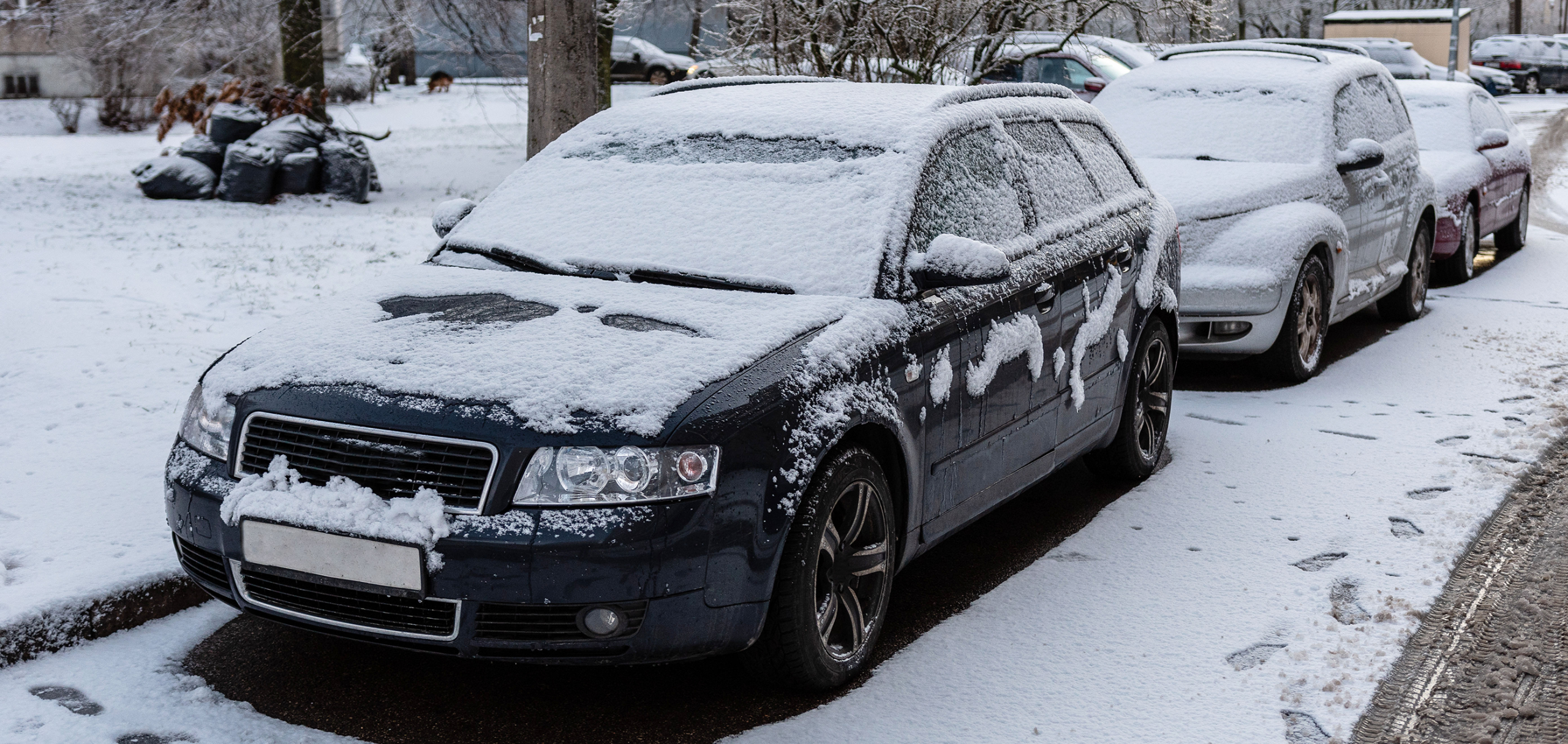
Winter in Arkansas is not only a season of picturesque snowy vistas but also a season that poses serious problems for your vehicle. Cars experience the same fate during the winter months as they often turn from a reliable ride into a roadside hassle in no time. Cold weather affects every part of the car in an unusual way; for example, the battery will have a hard time starting the engine, and at the same time, the fluids will thicken because of the cold.
When the temperature falls to intolerably cold levels, the car will still be trying to operate like normal, but the oil that is supposed to lubricate the engine becomes thick and unmovable, the tire pressure is lowered, and even the batteries can only give out about 40% of their former power. These are not just small problems-they’re risks that can affect your safety while out on the road and maybe even leave you without a vehicle until it’s taken in.
Most likely, you will face the typical winter maintenance problems: a dead battery on Monday morning, frozen windshield washer fluid when it is needed the most, and ice accumulation that means spoiled wiper blades and seals. However, the good thing is that with the right preparations done and the most important systems regularly checked, your car can keep on working without any problems even in the most severe freezing conditions.
Getting Your Car Ready for Winter
Last winter is something that you can reflect on and think-does your car have a problem starting in the morning when the temperature is really low? Did you hear any strange noises or experience any performance issues? Such memories indeed work as hidden clues about the things needing to be dealt with before the arrival of cold weather again. If you take a few moments to check your car now, you may not have to face the inconvenience of being left without a car due to the cold later on.
Being proactive with winter maintenance is not only smart but also vital. Ice and freezing spots do not favor anybody; they will locate every weak point in your car. The radiator hoses may crack, the door locks may become frozen shut, and the moisture may penetrate delicate electrical parts. The rubber seals on your doors and windows may harden and break during the very cold winter, allowing water in, which can then freeze overnight.
The first step in your auto repair checklist should take place weeks before the first severe freeze. This allows you to solve any problems without the added stress of an emergency situation. Think about these unprotected areas:
- Engine belts and hoses that may have developed small cracks
- Weatherstripping that’s lost its flexibility
- Fluid reservoirs showing signs of contamination
- Exposed metal components are prone to ice buildup
Battery Care in Freezing Temperatures
Your car battery has to face the hardest test when the mercury drops. The chemical reactions inside the battery slow down, which leads to the almost 60% less capacity to keep the charge in the battery in cold weather. We at HCS Auto Repair usually see a replacement of dozens of batteries every week in the winter months-most of which could have been avoided by simply maintaining the batteries properly.
Rust turns your electrical system into a hidden risk. Even though the white and crusty stuff around your battery terminals might not look good, it still has one more negative effect: it just increases resistance electrically and, as a result, causes more power to be consumed by the alternator for the purpose of keeping the battery charged. This might weaken the alternator earlier than intended, which in effect means that a simple battery issue has turned into an expensive repair.
Protect your battery with these simple steps:
Clean terminals with a wire brush and baking soda solution every few months
Check for tight, secure connections at both terminals
Have your battery tested at least twice yearly to catch problems before they leave you stranded
Look for signs of swelling or cracks in the battery case, which indicate freezing risk
A quick battery health check takes minutes but can save you from being stuck in a frozen parking lot.
Engine Protection Through Proper Fluids
The fluids of your engine are its fortifications against the wintry conditions outside. Ranging from merely advice to a must-have, the use of antifreeze is the best means of ensuring that your engine does not suffer total damage due to the drop in temperature. When coolant stays longer than its life cycle in your system, it turns into a monster and loses its protective aspects. This anticoolant breakdown illustrates the paradox that the very liquid meant to prevent your engine from freezing may actually become your greatest liability.
Old coolant poses a significant freezing hazard because of the fact that the antifreeze that has lost its effectiveness has a higher freeze point than the new one. Try to imagine it the same way as expired medication-it simply does not work the way it is supposed to. Our advice is to test your antifreeze concentration and to change the coolant that has been in the system for over 2 years.
Moreover, cold weather is the time when the oil in your engine needs to be given special attention. Fresh oil in the engine of your car will still flow without any problem, even during the freezing temperatures, but dirty oil will thicken and turn into a substance similar to molasses. This very thick consistency of dirty oil will make your engine work harder every time you start it, causing unnecessary wear of its crucial components. An oil change done in advance, i.e., before the onset of winter, will protect your engine so that it can cope with the difficult cold starts.
Visibility Maintenance During the Winter Season
With the coming of winter, the temperatures drop, and the need to have a clear view through the windshield for safe driving becomes a must. Below are some suggestions on how to keep a good visibility in a difficult winter season:
Windshield Washer Fluid Check
The windshield washer fluid deserves special care during the winter season. Standard washer fluid can freeze solid in your reservoir and lines, leaving you unable to clean road salt and grime when you need it most. Look for washer fluid with high alcohol content-typically around 30-40%-which keeps the liquid flowing even when the temperature drops well below freezing.
Be Aware of Rainex Buildup
Rainex buildup presents another visibility challenge you might not expect. In spite of their effectiveness in moderate weather, these products can still be the cause of the creation of a hard-to-remove film on your windshield when winter comes. This layer of coating, together with the road salts and ice, decreases the visibility of the windshield very much, especially when the headlights of the oncoming cars at night are directed at your windshield.
Wiper Blades Care
Your windshield wiper blades also need your attention. When you park your car overnight during freezing weather, raise the blades off the windshield. By doing so, the frozen rubber will not stick to the glass, and if you try to use the wipers, you can tear or damage the blade or the windshield. Besides, if there is ice build-up on the blades, it can scratch the glass, so make sure to clear the blades before driving.
Tire Care for Safety and Performance During Winter Months
Tire condition is harmed when the temperature drops, and knowing how cold affects them can make driving safe on icy roads. Here’s a point that you probably didn’t know: tire pressure diminishes about 1 PSI for every 10-degree-Fahrenheit drop in temperature. When Springdale has those abrupt cold snaps, you could lose 6-10 PSI overnight, which would put your tires far below the suggested pressure.
The large drop in PSI for every temperature drop activates the tire pressure monitors, which leads to that pesky dashboard light coming on during your morning commute. Before you assume there’s a leak, remember that extreme cold is often the culprit. We offer quick tire top-offs here at HCS Auto Repair whenever your low-pressure light comes on-it’s a simple fix that takes just minutes.
In case the tire pressure monitoring system is still showing alerts, then you may require a sensor replacement. Cold weather is one of the main reasons behind sensor damage, and using faulty monitors is a threat to safety. Well-inflated tires give you better traction, fuel efficiency, and easier handling-these are the three main points that you need badly when dealing with winter conditions.
Lighting System Maintenance During Longer Nights
Winter’s extended darkness means your headlights work overtime. Those longer nights translate to significantly more light usage-especially if you have automatic lights that activate earlier each evening and stay on during your morning commute. This increased demand accelerates bulb burnout, leaving you squinting through the darkness when you least expect it.
During the winter months, bulb blowouts occur quite often. The cold temperature affects the already weak filaments, and they fail even more easily. Drivers are changing their bulbs to white ones this season, as they are brighter than the traditional yellow-tinted ones and thereby more visible. Very bright and cold light fights against winter fog and snow much better.
A very important tip is: don’t let the cheap bulbs of poor quality from no-name shops tempt you. They may be cheaper, but they will last shorter, and in worst cases, your car’s electrical system might get damaged. When it comes to your safety, lighting should be reliable at all times. Therefore, buying good-quality bulbs from reputable sources will not only secure your wallet but also your safety on the unlit winter roads.
Why HCS Auto Repair for Winter Maintenance?
When the temperature drops to freezing and threatens the performance of your car, you need a team that is very well established in the community and has a reputation for being reliable and knowledgeable.
We came to Springdale in 1988, and that is how we got our reliability reputation, which has lasted for more than thirty years. Our relocation to our present spot in 2013 allowed us to broaden our capabilities and provide even better service to motorists who drive during the harsh winter weather.
The proficiency of our team of ASE-certified technicians allows us to bring specialized knowledge to every winter maintenance issue. If you have a persistent battery problem, or your fluid systems require total checking, or you want to get emergency repairs done during the coldest days, then we have both the training and the experience to solve the problem. Moreover, we don’t just fix the issues; we predict them through observing the seasonal patterns that we’ve witnessed during our years in business.
Our wide-ranging service options, which include both the car’s interior and exterior, are what differentiate us. We carry out everything from in-depth battery testing and radiator system flushing to tire pressure checking and lighting system repair, as well as anything else that your cordial needs to stand freezing temperatures like a hero. You are not just another client on our calendar; we regard you as a companion whose safety we will ally with on winter roads.
Choose HCS Auto Repair
The season of winter does not have to bring along with it the stress and uncertainty of the vehicle’s reliability. You can ride worry-free even through the hardest conditions if you adopt these winter maintenance practices and additionally partner with an auto repair shop Springdale AR residents have trusted for decades.
We at HCS Auto Repair are the place where you can always come for our help to keep your car running smoothly throughout the season. Each vehicle is given the proper attention, and every customer is treated as family by our team. Don’t let the winter catch you unprepared-book your winter maintenance appointment now by calling us today at (479) 751-8232. Our purpose is to keep your automobile safe, dependable, and capable of facing the worst winter conditions. Let’s beat the cold together!