
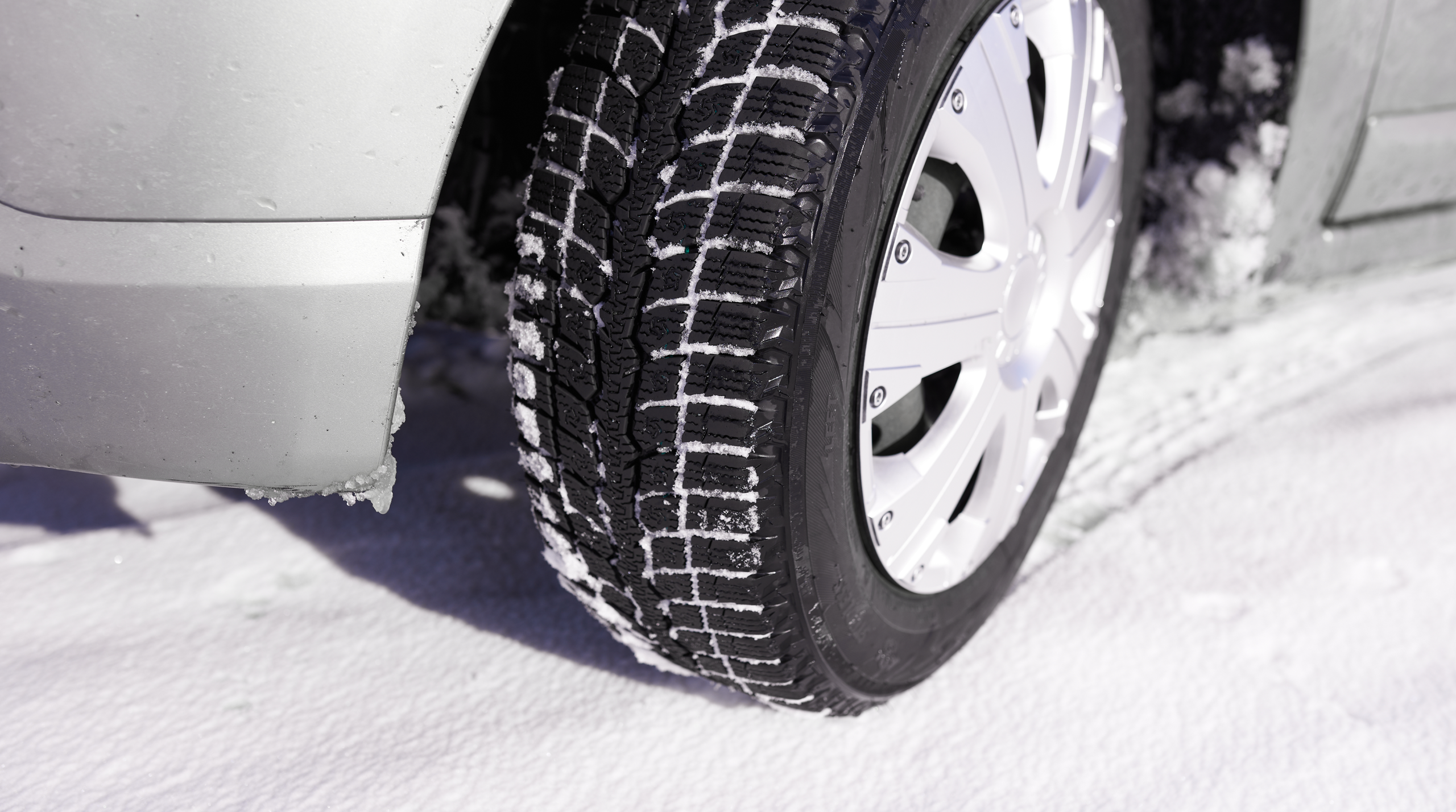
With the arrival of winter, many drivers find themselves at gas stations more often. This is because they are looking to put more air into their tires! It is not simply a coincidence; the cold temperatures significantly reduce tire pressure and performance as a whole. It is important to know the effects of cold air on tires to help you prolong tire life and improve safety on the road. That being said, let’s look at some practical advice and sift through some insights together, which are going to help us keep our tires in perfect condition during the winter.
Tire temperature is inversely related to tire pressure because cold temperatures cause air to expand. This means that for a decrease of 10°F in temperature, tires could lose around 1 PSI. It may look negligible, but even a minor drop can trigger TPMS (tire pressure monitoring system), and that leaves tires with less air. Under-inflated tires will not only consume more fuel but also will wear out faster, they will have poor grip, especially on slippery surfaces, which is very dangerous since hills are icy or wet, and one tire might burst unexpectedly. So, when winter approaches, you are not losing it-your tires do lose air faster for real.
Why You See So Many Drivers at Gas Station Air Pumps
Your tire pressure can drop rapidly due to temperature fluctuations during the night or when the first strong cold front arrives. This condition activates the TPMS warning lights, tires appear to be flat, and drivers increase their stops to inflate their tires in order to ensure safe driving. Also, it is very likely that drivers will refill their tires to the summer PSSI level without knowing that a cooler weather adjustment is needed. Winter temperatures require more frequent monitoring as the pressure loss is quicker.
Holiday Tire Care Tips for Safe Winter Travel
If the holiday season is in your travel plans, good tire maintenance will be one of the most powerful measures to ensure the safety of both you and your car. Here are some pointers that might help you with it:
Tire Pressure Should Be Checked Regularly
Tire pressure checking during winter should be at least once a month, but it is better to do it more frequently on very cold days. Maintain this a little above the recommended PSI from the vehicle’s door jamb, always taking into account the number on the tire. Better-inflated tires ride well, consume less fuel, and provide more security.
Make an Appointment for Tire Rotation
Tire rotations directly prevent the faster wearing of your tires, hence not only extending their life but also keeping the good traction. Rotating tires is usually recommended after 5,000 to 7,500 miles of driving. Best performed before holiday travel, a tire rotation is an inexpensive service yielding a large improvement in the driver’s performance and safety.
Get Your Tires Balanced
In the event of your car’s steering wheel trembling at specific speeds or the tires getting worn out in an uneven manner, it can be solved by balancing. The tires that are balanced properly provide a comfortable ride, are noiseless, and last for a long time, which is quite vital in the case of long-distance trips during the holidays when the wear is usually more.
Get A Wheel Alignment
The issues with alignment experienced in the winter are, for example, when a tire goes out. This is the result of potholes, speed bumps, or simply everyday driving, all of which can cause misalignment. The vehicle alignment done correctly will lead to a situation where the car goes straight, the tires won’t wear out, and the fuel consumption will be less.
Check the Tire Tread Depth
Tread depth is essential for driving in winter, with safety in the first place. Tires that are no longer good will not have the ability to hold on to the road if the surface is cold or icy. You can use the penny test if you are in a hurry, but the best option is to have the tires checked by a technician. You need the tread depth of at least 2/32 of an inch for the tires to work at their best.
Don’t Forget About Your Spare
Spare tires can also lose air. It is always good to check and ensure that the spare is well inflated before the journey, so it is ready immediately you need it. A spare that is flat can end up leaving you in a bad spot during inclement weather.
The Importance of Regular Maintenance
It is unquestionable that tire maintenance at regular intervals is the most important factor that enhances both the safety and the longevity of the vehicle. Besides the reasons already mentioned, you may also take into account:
Avoid Overloading
Putting too much weight in your car can lead to tire wear and will also make a blowout more likely. It is a good practice to always consult the manufacturer’s specifications for the tire load and not to exceed the recommended weight for your vehicle.
Store Tires Properly
If you are swapping tires according to the season, then it is important to properly store them during the off-season. Tires require a storage environment that is dry, dark, and cool, away from heating devices and direct sunlight. This practice will definitely extend tire life, and your tires will be ready to go as soon as the season changes.
Understanding Tire Types
Tires of different types are made for specific conditions. Understanding the different kinds of tires will provide you with the advantage of making a wise choice:
All-Season Tires
All-season tires are good for different kinds of weather, like light snow and rain. They are not the best, though, for winter tires during harsh winter conditions. Performance, comfort, and longevity are well-balanced with all-season tires.
Winter Tires
Winter tires are a must during the winter season. You might be able to drive anywhere with good winter tires installed on your car, but if you do not have the right tires, you might even get stuck in the driveway.
Performance Tires
Performance tires are made for speed and dynamics. They provide amazing grip and very quick reaction, but may be quicker to lose their life than all-season or winter tires. These tires are mainly for those drivers who want the best performance, even if it is not very long-lasting.
Off-Road Tires
Off-road tires are made for harsh and tough soils and give a very good grip on dirt, gravel, and mud. The tires have a big tread pattern and tough sidewalls to deal with the difficulties of off-road driving.
The Role of Tire Pressure Monitoring Systems (TPMS)
The Tire Pressure Monitoring System (TPMS) is considered by many to be among the most helpful systems presently found in a car. This is because it monitors the tire pressure levels in your vehicle, indicating whether the levels are below a particular threshold. Actually, the TPMS is currently a standard installation in all new cars, precluding issues like lack of tire pressure, tire bursting, or excessive fuel consumption. Therefore, it is prudent to monitor the TPMS notifications closely.
Tire Safety Tips for Winter Driving
Winter brings new driving conditions along with tire care becoming a major concern for drivers if they want to be safe. More tips are as follows:
In these areas where driving is done under winter conditions and the like, extra care is needed on bridges and overpasses. The mentioned areas are very slippery, and it is hard for a driver to see which areas are frozen and which are thawed from the road. So, it is very important to give extra time when going across these structures during winter.
Check your tire pressure before starting a long trip. When it is cold outside, the usual is that tire pressure drops, so to keep your tires properly inflated becomes essential for your safety.
The situation is the same with the best tires: they will not provide the same grip at extremely low temperatures as they would at higher plus ones. So, these factors of tire behavior following temperature should be the main consideration in tire maintenance and care decisions:
Reduced Tread Flexibility
Cold weather makes tires less flexible, which, if not addressed, will result in less grip on the road. The decrease of traction and control could be more severe on the surfaces of water or ice.
Increased Risk of Flat Tires
The cold could make the tire lose pressure to the point of needing a change. By regularly checking your tire pressure and inflating when necessary, you can be sure that you will not incur an extra cost because of a flat tire.
Accelerated Tire Wear
The life of the tires is shortened by cold weather, and the shortening is quicker if the stock is unaligned or the tires are not inflated properly. The regular maintenance of tire health will not only prolong tire life but will also ensure maximum performance.
Choose HCS Auto Repair
The effects of cold weather on tire pressure and performance are many. If you are aware of the impact of cold air in your tires and take steps for their maintenance, then you are doing enough to become a better winter driver. It is crucial that you check your tire pressure, rotate your tires, and align them, and even get your tire tread depth to the required level.
It is even more important to take into account the requirements for your drive and adjust your driving habits accordingly. Proper tire maintenance certainly helps in their being winter season survivors! Give us at HCS Auto Repair a call today at (479) 751-8232 to help your vehicle survive the winter months with top-notch care.