
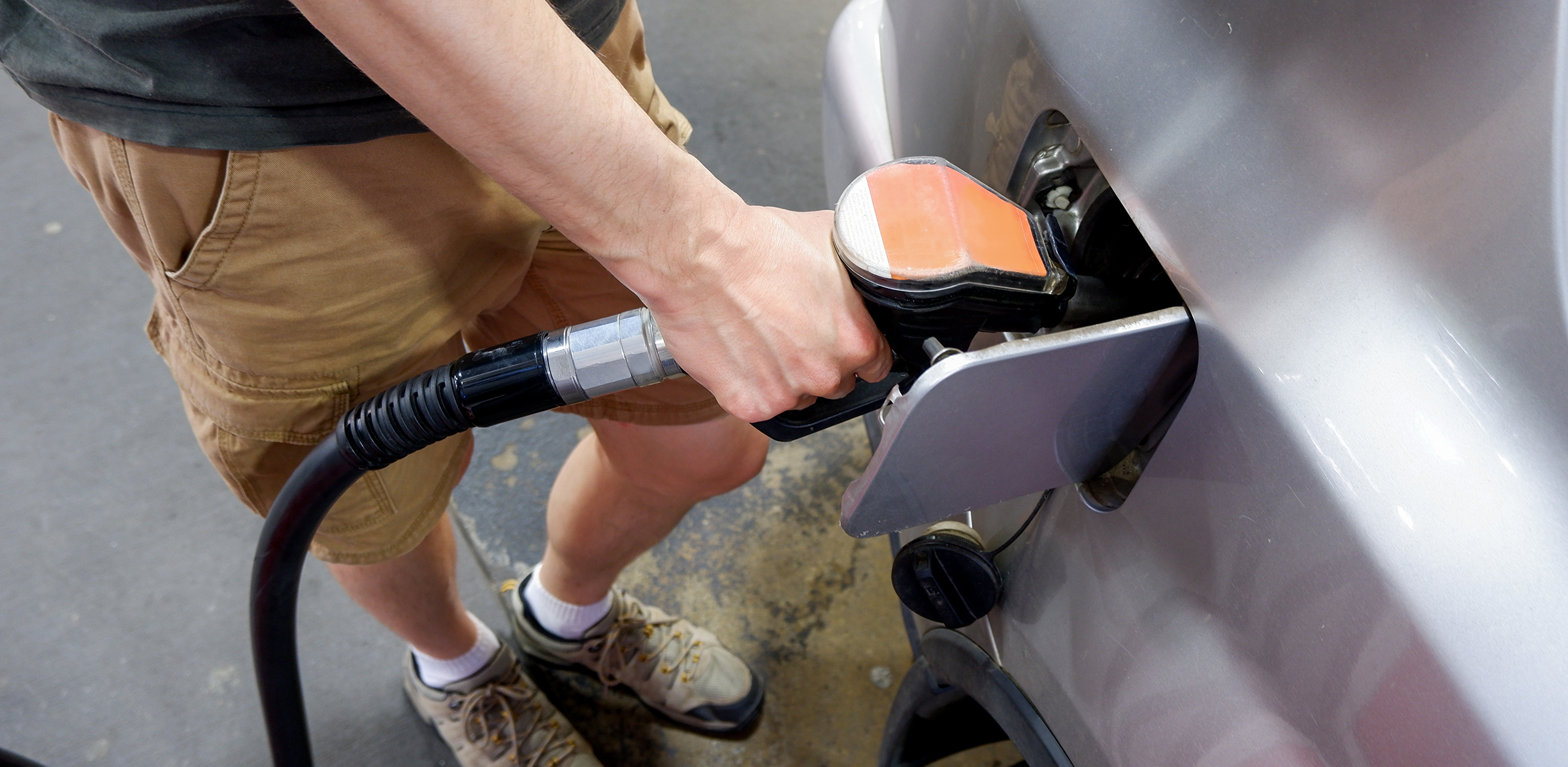
We’ve all been there: you’re filling up your gas tank and the gas nozzle clicks off at $49.87. It’s tempting to squeeze in a bit more to reach that satisfying $50.00. You’re not alone, many drivers top off gas tank levels daily, believing it maximizes their fill-up and gets them more for their money.
But that little extra squeeze after the auto shut-off is actually costing you more than you know. Rather than expending more gas, you’re making minute issues that will eventually be more costly to you.
Ignoring the auto click isn’t merely about being methodical; it harms your fuel system, the environment, and has you forking out a whole lot of cash for repairs later on. The gas nozzle clicks off for a reason, it’s built with sophisticated mechanisms to protect both your vehicle and the air we breathe.
Let’s look at why this common habit should be avoided and what really happens when you insist on topping off.
Understanding How Gas Nozzles Work
Your gas nozzle is more than just a tube dispensing fuel. Modern pumps include advanced safety features, with the automatic shutoff being crucial—once fuel reaches a certain level, a sensor in the nozzle triggers an immediate stop. That click signals your tank has reached its optimal fill.
Inside the nozzle:
- A small hole near the tip acts as a sensor.
- When fuel covers this hole, it causes a vacuum change.
- This triggers the automatic shutoff mechanism.
- The pump stops fueling to prevent overflow.
The vapor recovery system adds further protection. Today’s gas stations use these systems to capture vapors during refueling, the rubber boot around the nozzle creates a seal so vapors are pulled back into storage tanks rather than released into the atmosphere.
Gasoline expands and contracts with temperature changes, so your tank is designed with extra space at the top for fuel vapors to collect safely. Overfilling eliminates this space, forcing excess gas either back into the pump or into your vehicle’s vapor collection system. This disrupts both station vapor recovery systems and your car’s emission controls, causing issues far greater than any perceived savings from those last few cents of gas.
The Environmental Impact of Topping Off Your Gas Tank
When you fuel your tank after the click, you’re not just wastefully spending money, something that’s actually polluting the air. The implications of this so-called benign activity don’t end at your local air quality.
How Vapor Recovery Systems Work
Gas pumps today are fitted with advanced vapor recovery systems that recover fuel vapors prior to their release into the atmosphere. Such a system is extremely crucial in minimizing environmental pollution by gas vapors and in sustaining air quality in your area. By pumping beyond the automatic shut-off, you undermine such highly engineered systems.
This is what you do when you disregard that first click:
Vapor emissions bypass recovery systems – That extra fuel you’re introducing has nowhere to go, so it leaks vapors directly into the air and not into the recovery system of the station
Air quality gets worse in a hurry – Leaked vapors include volatile organic compounds (VOCs) that react with sunlight to form ground-level ozone, a key smog ingredient
Pollution controls are undone – Gas stations spend money on vapor recovery equipment simply in order to comply with the environment, but your topping off reduces the effectiveness of such systems
The Broader Ramifications for Air Quality
The trickle-down effect doesn’t stop with your neighborhood service station. Together, thousands of top-off drivers create poor air quality in a quantifiable manner. These vapor emissions contribute to respiratory problems, especially for children, elderly individuals, and those with existing lung conditions.
The Strain on Your Car’s Fuel System
Your car’s fuel system wasn’t designed to handle the extra pressure created by topping off, either. When vapors can’t escape properly through the station’s recovery system, they create additional stress on environmental protection measures both at the pump and within your vehicle. The very systems meant to keep our air clean become compromised, one topped-off tank at a time.
Effects of Overfilling on Vehicle Performance and Maintenance
Your fuel system is a delicate assembly of parts in equilibrium. Topping off your tank destroys the equilibrium, and pressure begins to build up, which results in a chain of problems costing you money.
The Vapor Canister Catastrophe
The canister catches fuel vapors, not liquid fuel. Multiple pumpings after the click allow liquid gas to pack the canister, which can’t work if it’s full of liquid. It’s like holding your breath underwater, the system does not work if it is liquid-filled. Most vehicles in the repair shop with ruined canisters share the same cause: frequent topping off at the pump.
That Dreaded Check Engine Light
When fuel liquid is introduced into the vapor recovery system, it usually activates the check engine light. This is more than an inconvenience, it is an indication of failure of the evaporative emissions system. Sensors alert the warning to be triggered by faulty vapor recovery parts.
The Real Cost of Gas Tank-Related Maintenance
Fixing a saturated vapor canister can be costly. You may need to replace:
- The vapor canister
- Charcoal filters
- Purge valves
- Pressure sensors
These repairs can add up to hundreds of dollars, all for squeezing in a little extra fuel after the nozzle shuts off.
Best Practices When Refueling Your Vehicle
Protect your car by refueling correctly. When the nozzle clicks, your tank is full—don’t try to add more just to round up your total.
Adopt these habits for smoother operation:
Stop at the first click – The automatic shutoff is for your protection. Remove the nozzle immediately after the click.
Hold the nozzle steady – Keep it still while fueling to avoid accidental shutoffs or spills.
Use the right fuel grade – Follow your owner’s manual for the correct octane; higher grades don’t benefit cars that don’t require them.
Don’t squeeze after shutoff – Even small extra amounts can harm your vapor recovery system.
Secure the cap – Make sure your gas cap clicks into place, preventing leaks and check engine light issues.
These easy practices help safeguard your vehicle and finances. Topping off doesn’t buy you more fuel, it just risks expensive repairs.
Why Trust HCS Auto Repair for Fuel System Repairs and Maintenance?
If you’re called in to repair a check engine light or worried about fuel system problems from overfilling, you’d value someone familiar with the new vapor recovery devices and tank components. We at HCS Auto Repair are a small family-owned business in Springdale, AR, and have a great reputation for good quality work and customer relationships.
Fuel System Repair Expertise
Our auto repair services stand out for getting the job done right the first time. We’ve handled many vehicles with damaged vapor canisters and faulty evaporative emission systems, often caused by repeatedly topping off at the gas pump. With decades of combined experience, our team quickly determines if your check engine light points to fuel system trouble or another issue.
Personalized Solutions for Your Car
As opposed to the dealerships or chains that might do extra work you don’t need, we only perform what your car needs. From minor oil changes and brake jobs to fuel system diagnostic service, our experienced mechanics are ready for anything. We know car repair Springdale, Arkansas drivers can trust isn’t just about repairing issues, it’s about long-term relationships and getting your car ready for the long haul.
When you experience fuel system issues, you require professionals who will accurately diagnose your situation and provide long-term solutions.
Choose HCS Auto Repair
If topping off has activated your check engine light, do not allow the issue to get out of hand. Our car repair specialists are well aware of the complexities of fuel system issues and can conveniently determine if overfilling has destroyed your vapor canister or other parts.
Call us at HCS Auto Repair today at (479) 751-8232 to make an appointment with mechanics who actually care about the well-being of your vehicle. We employ uncomplicated diagnostics and not one bit of ethical wrongdoing in fixing with a no-nonsense guarantee that strikes the actual root of failure. Don’t forget, ethical risk diagnosis of overfilling is only step one, keeping your vehicle safe is the goal. Allow us to assist you in keeping your vehicle running at maximum performance and avoiding costly repairs down the road.