
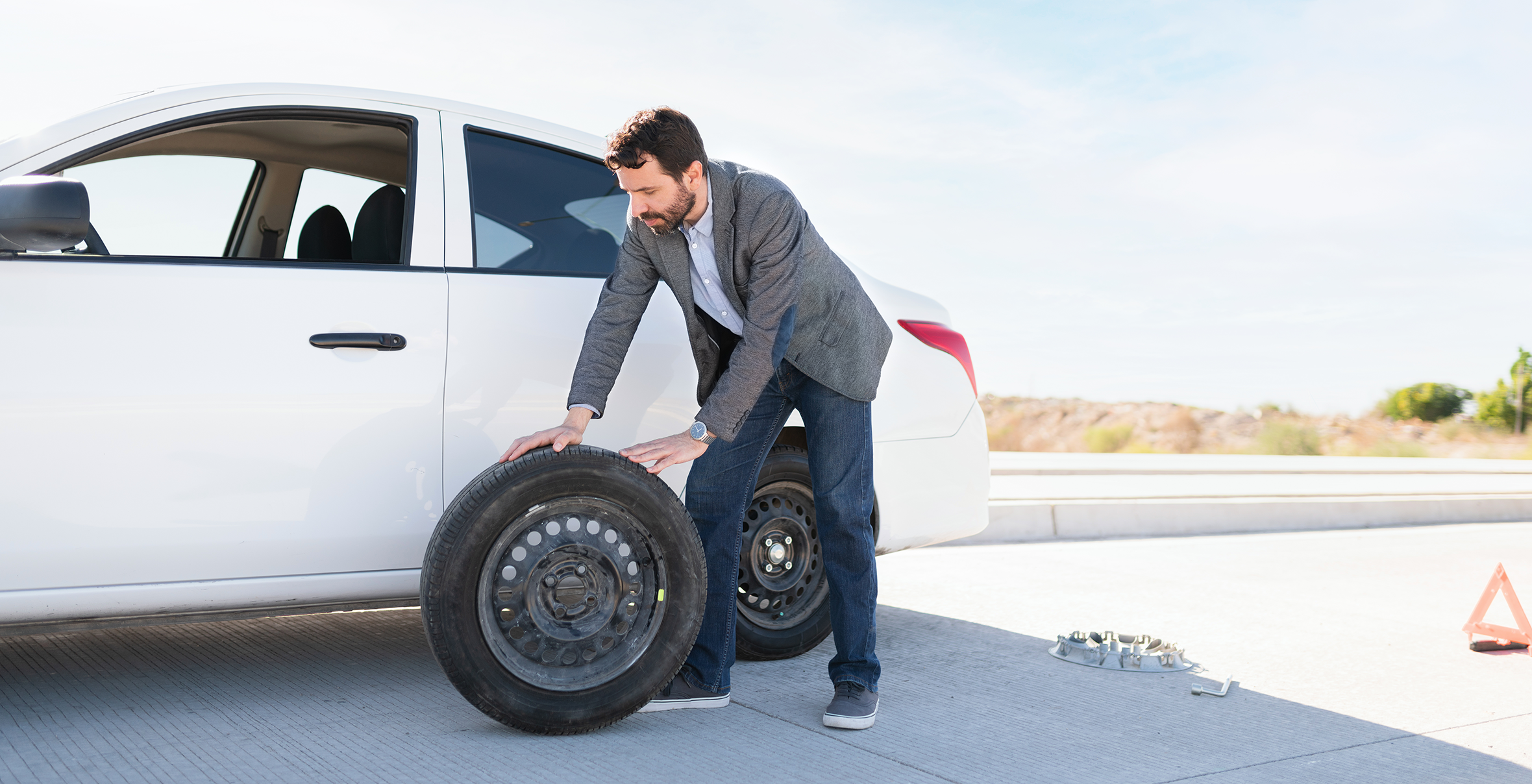
Just imagine: you’re driving down the highway and, boom, you’re there, being held hostage by that awful thump-thump-thump of a blowout. If you get a flat from some highway trash or blow out on some road trip escapade, having a spare tire you can swap in and drive safely can be all the difference between what’s a hassle and disaster.
Driving on a spare isn’t on the minds of the rest of us until we simply must. But knowing the fundamentals will serve you, your travel companions, and your car when the surprise tire problem comes along. Many drivers make critical errors when they travel on their spare, from driving too fast to go too far, simply because they don’t know the limits.
The good news? Most tire failures are avoidable through regular car maintenance and tire inspections. At HCS Auto Repair in Springdale, AR, we’ve witnessed again and again how simple tire inspections could have kept drivers from roadside hassles. Our ASE-certified mechanics understand that taking a proactive approach to tire wear through quality auto repair service keeps you safer on the road.
Whether faced with an immediate emergency tire crisis today or simply want to be ready for tomorrow, these five key facts about spare tires will allow you to travel safely until the repairs can be made.
Learning the Spare Tire Types and Their Drawbacks
Not all spare tires are equal, and being aware of what you have in your trunk can be a lifesaver when you’re stranded on the side of the road with a flat. Let’s go through what you should know about your spare wheel.
1. Temporary Spare Tires (Donuts)
These are the most popular types of spare you’ll encounter on new cars. They are smaller than your standard tire and are for emergencies only. Here’s what you should keep in mind:
Speed limit: Never drive more than 50 mph
Distance limit: Drive no more than 50-70 miles
Tire pressure: Has a higher PSI (usually 60) than standard tires
2. Full-Size Spare Tires
Others use full-size spares that are the same as your standard tires. Improved in performance and drive farther, they must still be inspected prior to driving, and are not a long-term solution.
When quality car parts are at issue, going cheap when replacing or repairing tires can put your life at risk. Here at HCS Auto Repair, we never skimp with lesser manufacturer not-so-better-than-good parts. Your full or temporary spare needs to be properly inflated and checked regularly to ensure it can roll when you absolutely need it to.
The clock begins ticking the instant you put in that temporary spurious.
Having your tires repaired too late results in excessive wear and tear on your vehicle’s differential, transmission, and suspension. They are not manufactured to support mismatched tire sizes, and the earlier you do it, the better.
Safety Precautions When Driving on a Spare Tire
A few additional minutes of some careful inspections are worth it to ensure a trip is safe before leaving on a spare tire. Begin by ensuring tire pressure—spare tires are usually at 60 PSI, more than regular tires. Check the tread as well for slits or overwear that would make your trip unsafe.
The car inspection doesn’t stop at the spare tire alone. After replacing your spare, take a quick glance around your car and ensure that everything else is fine. The rapid visual check ensures that you’re not overlooking any other possible issues that may impact your ride.
When you’re actually on the road with a spare, your driving habits need to adjust accordingly:
- Keep your speed under 50 mph to maintain control and prevent tire failure
- Avoid sudden acceleration or hard braking that could stress the smaller spare
- Take turns slowly and carefully since spares don’t provide the same traction as regular tires
- Skip highway driving when possible and stick to local roads until you can get a replacement
Having driven your spare, even just a little way, going back to the trusted car repair shops for a professional check-up is essential. The trained technicians can determine if your spare tire was compromised and if your car’s suspension and alignment weren’t damaged. Routine car check-up visits detect tire issues before you find yourself stranded, but in an emergency, professional guidance saves the day.
How Riding on a Spare Tire Affects Your Car’s Performance
Your car is so much worse to handle when you’re driving along the highway on a spare tire. The difference in tire size, tread, and makeup affects your car in a discernible way that can be specifically measured in the way your car behaves on the road. You may find you have less responsive steering and that your car tends to lean over to one side. That’s because spare tires, particularly the small “donut” variety, are a different size from your normal tires, putting your car out of balance.
Braking is a problem on a spare. The unbalanced tire changes the weight transfer between your tires in braking, and that makes space between you and the next car. That’s particularly dangerous on panic stops, where a fraction of a second is fatal.
Driving a long-distance trip on a spare tire? That’s a risk. Temporary spares aren’t designed for the continuous stresses of highway driving, and the constant stress can lead to:
Unevenly worn tires on your other tires
Suspension system strain
Higher fuel consumption with rolling resistance
Possible damage to your differential
The longer you drive on a spare, the more trouble you’re asking for. Your other auto parts must work harder to make up for the imbalance, creating a ripple effect of wear and tear. Car repair shop services are called for after you’ve been driving on a spare for a while. Our auto technicians can evaluate any degradation due to extended use of a spare tire and provide the proper auto repair services to put your vehicle back in top shape. Spare tire problems do not have to become costly repairs, address them early.
When and Where to Have Your Spare Tire Replaced or Repaired
You find where to repair or replace your tire about driving fast and safely back on the road. Begin by checking online customer reviews to get to know the integrity and reputation of local automobile repair centers. Check for patterns in the comments, regular praise for quality repair, reasonable pricing, and positive communication indicates a good shop.
When you have found reputable automobile repair services, ensure you bear these in mind:
ASE-certified technicians, who reflect professional experience and training
The services they provide so that they can address most tire-related problems
Fair pricing policy with no surprise charges
Warranty on parts and labor
Timing is crucial when you book your tire repair. Don’t wait a week to have that spare replaced, call to make an appointment at your earliest convenience. Most repair shops, like us, will have you equipped with an emergency spare tire replacement immediately. The earlier you do this, the less you’ll be compromising on the safety and performance of your vehicle.
Preventive Measures to Prevent Excessive Use of Spare Tires
The worst thing you can do with a flat tire is getting one. Routine car care will see to it that your tires are well-maintained and that you are able to identify problems before they leave you stranded by the side of the road.
Schedule regular tire checks that involve checking for:
- Uneven wear patterns that signal alignment issues
- Embedded debris like nails or glass
- Sidewall cracks or bulges
- Proper inflation levels across all tires
Tire pressure must be checked at least once a month since a slight loss of pressure will result in premature wear and a high potential for blowouts. Your tires are your vehicle’s only point of contact with the road and are absolutely vital to your safety.
When the time comes to service your vehicle, paying a little extra for quality auto parts is worth it for tire life. Value tires cost less to purchase but will wear faster and are less puncture resistant.
Preventive maintenance reaches out into the sphere surrounding the tires themselves, however. Getting your wheels properly aligned, having your tires rotated every 5,000-7,000 miles, and having your suspension system well maintained all go toward extending the life of your tires. We have trained technicians who can develop a custom regimen of care that’s specifically tailored to the needs of your particular vehicle, few of those pesky flat tire surprises which leave you driving on your spare.
Choose HCS Auto Repair
Knowing these five things regarding traveling on a spare tire can make all the difference when you are faced with an unexpected flat. Your safety and your vehicle’s performance both depend on being able to make sound decisions under these conditions.
At HCS Auto Repair, our ASE-certified mechanics bring a combined experience of decades in auto repair service. We have been Springdale’s number one choice for car maintenance, tire replacement, and general vehicle care since 1988. With a requirement of a quick tire check or complete auto repair services, we treat you like family, not as the next customer.
Don’t wait until you are stranded on the side of the road. Call us today at (479) 751-8232 to make an appointment. Let our professional team assist you with your vehicle’s reliability and get you safely back on the road.