
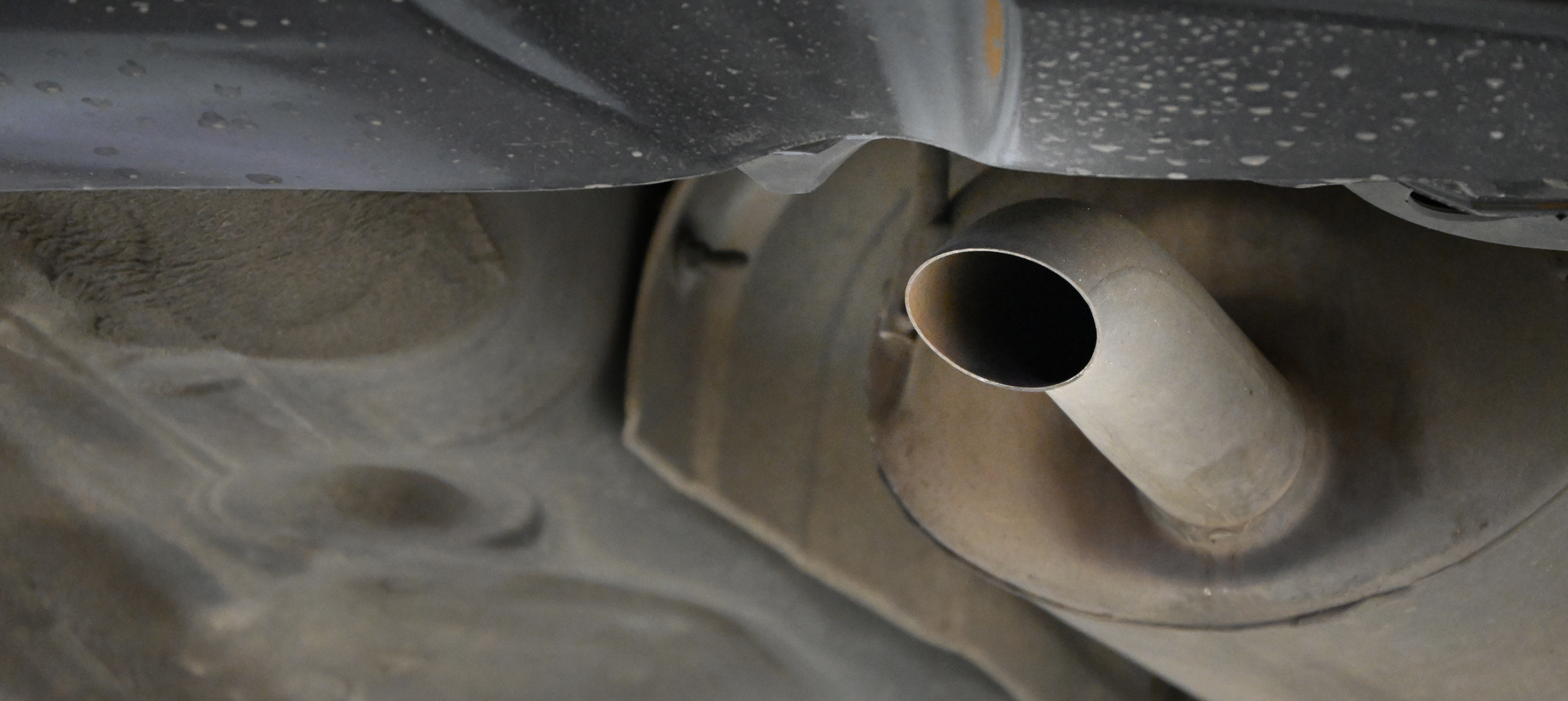
Observing black smoke billowing from your car’s exhaust may not only be ugly, it’s a sign that your engine requires inspection. The dark, sooty emission is a sure indicator that your fuel burn system and engine performance are not working properly.
As a car owner, knowing the meaning of car exhaust smoke is crucial. It’s an eyesight warning signal that proves useful in assisting you in communicating information regarding your engine status, i.e., air filter or fuel injection malfunctions. That black smoke you witness signals that unburned fuel particles are being pushed out via your exhaust system, and the implication is a disruption of the air-to-fuel ratio your engine needs.
Aside from the mechanical problem, black exhaust smoke also has very serious environmental impacts. The high-carbon particulate matter creates air pollution and indicates your car is using more fuel than it should be, emptying your purse along with the environment.
What Black Smoke from Exhaust Tells You
Your vehicle’s exhaust system has to remove engine combustion gases. During normal conditions, the gases are a product of a balanced air and fuel reaction in the combustion chamber.
The ideal air-to-fuel ratio is usually 14.7:1 or 15:1, which means you have about 15 parts of air and one part of fuel. This precise balance achieves complete burning to give you crisp or clear exhaust emissions. When it’s cold in the morning, you may have a trace, but that’s simply normal water vapor from burning.
Black smoke is a bad omen. It means your engine is consuming more fuel than it needs compared to the air that’s present for it to work with. The combustion chamber can’t completely burn this excess fuel-rich mixture and sheds carbon particles in the form of thick, dark smoke out of your tailpipe.
There are many mechanical issues that disrupt the fine air-fuel balance:
Faults in the fuel system that lead to excess gasoline being passed on
Air intake restrictions that reduce oxygen supply
Sensor malfunctions that send the wrong signals to your engine’s computer
Faults in the turbocharger that impact air supply
Having this information about black smoke emission causes will prove helpful in identifying when your car needs urgent attention to restore regular engine functioning.
Principal Causes of Black Smoke Emission
Identifying the specific factors that will create black smoke allows you to identify and solve the issue better. All of these causes will rob your engine of having a proper air-to-fuel ratio, which contributes to incomplete combustion.
1. Malfunctioning Fuel Injectors
Black exhaust smoke is one of the most prevalent causes of clogged fuel injectors. When these tiny precision units get out of order, they dump too much fuel into the combustion chamber and create an extremely rich mixture. All this additional fuel will not be consumed in the combustion cycle and is responsible for the characteristic black smoke you notice escaping from your tailpipe. Dirty or plugged injectors will remain in the open position and pour fuel into the engine continuously.
2. Dirty Air Filter
Your engine needs to have a certain amount of clean air in order to efficiently burn fuel. If your air filter is dirty, it will restrict the air into the engine, altering the air-to-fuel mixture. If your car engine is deprived of air, the mixture of air and fuel will be rich and too thick to enable complete combustion, resulting in black smoke. The problem typically occurs after a while as the filter gets clogged with dirt and debris.
3. Mass Airflow Sensor (MAF Sensor) failure
The mass airflow sensor counts the amount of air passing through your engine and forwards this data to the engine computer. If the sensor fails or provides the computer with an inaccurate reading, the system will not be able to determine the proper amount of fuel injection. A defective mass airflow sensor will generally make the system inject more fuel than necessary, thus creating the rich mixture that causes black smoke.
4. Defective Oxygen Sensor
Defective oxygen sensors track the oxygen content in your exhaust gases and assist the engine control unit to compensate for fuel delivery accordingly. The moment they are faulty, these sensors provide false readings to the computer, with the result usually leading to the over injecting of fuel and the consequent black smoke emission.
5. Turbocharger Problems
A malfunction of the turbocharger has a serious effect on your air-fuel mixture in the engine. A faulty turbocharger will fail to compress air effectively and will therefore result in low air supply against fuel injection. This disparity results in the rich combustion conditions that produce black exhaust smoke.
Diagnosing Engine Problems Connected with Black Smoke Emission
Your fuel system and its related components should be thoroughly checked to establish the precise reason behind the engine problem in producing black smoke. There should be a step-by-step approach to diagnosing the cause of the problem.
Visual Inspection Methods
Start with these basic checks:
- Examine the air filter for dirt, debris, or oil contamination
- Inspect fuel injectors for external leaks or carbon buildup
- Check vacuum hoses for cracks or disconnections
- Look for oil leaks around turbocharger components
OBD Diagnostic Tools
Modern vehicles store diagnostic trouble codes that reveal specific sensor malfunctions. Professional OBD scanners can identify:
- Oxygen sensor readings outside normal parameters
- Mass airflow sensor irregularities
- Fuel trim adjustments beyond acceptable ranges
The Engine Control Unit’s Critical Role
Your engine control unit is constantly looking for air-fuel ratios, sensor inputs, and combustion efficiency. Sensors sending false information to the ECU cause it to compensate by altering fuel delivery, mostly generating the rich mixture that creates black smoke.
Professional diagnosis avoids expensive misdiagnosis and unneeded car repair costs. Experienced technicians know systems interrelate, allowing them to diagnose the actual cause instead of just working on symptoms.
How to Repair Black Smoke from the Exhaust Pipe
Once you know the cause of your black smoke emission, applying the appropriate solution is easy. Each issue needs a certain method to achieve the normal air-fuel balance of your engine.
1. Faulty Fuel Injectors
- Clean injectors using professional-grade fuel system cleaner
- Replace severely clogged or damaged injectors completely
- Test fuel pressure to ensure proper delivery rates
- Calibrate injection timing through ECU programming
2. Clogged Air Filter
- Remove the old air filter from its housing
- Install a new, high-quality replacement filter
- Check air intake ducts for additional blockages
- Ensure proper filter sealing to prevent unfiltered air entry
3. Mass Airflow Sensor Issues
- Clean the MAF sensor with a specialized electronic cleaner
- Replace the sensor if cleaning doesn’t resolve the problem
- Verify proper electrical connections and wiring integrity
4. Faulty Oxygen Sensor
- Locate the defective O2 sensor using diagnostic codes
- Remove the old sensor with appropriate tools
- Install a new oxygen sensor with proper torque specifications
- Clear diagnostic codes and test system response
5. Turbocharger Problems
- Inspect the turbo housing for damage or excessive wear
- Replace worn seals or gaskets causing oil leaks
- Check wastegate operation and boost pressure levels
- Rebuild or replace the entire turbocharger unit if necessary
Each repair needs the proper tools and mechanical skills. Having a professional oversee correct installation avoids damaging sensitive engine parts during repair.
Preventive Maintenance to Prevent Black Smoke Problems in Cars
Preventing black smoke in exhaust begins with establishing good maintenance habits that maintain your engine’s combustion system in top working condition. The well-being of your vehicle is founded on three main maintenance factors that directly influence the quality of burning fuel.
Critical Maintenance Schedule
Regular oil changes at 3,000-5,000-mile intervals deliver the proper lubrication to the engine and prevent the buildup of carbon that affects combustion efficiency. Fresh oil maintains the engine in top operating condition and reduces the chances of internal wear on parts, causing inefficient fuel consumption.
Air filter change at 12,000-15,000 miles gives your engine enough airflow. A fresh air filter ensures the ideal air-to-fuel ratio required for ideal combustion and prevents a rich fuel mixture, which causes black exhaust emissions.
Fuel system cleaning every year eliminates carbon buildups in injectors, intake valves, and combustion chambers. This makes the spray patterns of the fuel optimum and combustion efficient.
Fuel Quality Matters
Use better fuels with detergent additives that function to clean your fuel system at normal operating conditions. These additives discourage injector clogging and keep the fuel delivery patterns at their best to guarantee clean combustion.
Load Management
Avoid overloading your vehicle beyond the manufacturer’s capacity. Overloading causes your engine to labor harder, subjecting it to stress, which may hinder the air-fuel mixture and lead to incomplete combustion, causing black smoke.
If your vehicle is emitting black smoke from the exhaust pipe, then fuel within your engine is not completely burned. This leads to huge carbon emissions and destroys the environment. Incomplete combustion allows unburned fuel particles to be let directly into the environment and contaminate it, leading to a health hazard to your community. The small particles of black smoke have the potential to irritate respiratory issues and lead to the formation of smog in the city.
The influence of black exhaust smoke on car performance and the environment is larger than what can be witnessed. When your engine is not using gas efficiently, it leads to:
Increased fuel consumption as your vehicle exerts more effort to maintain power
Reduced engine efficiency, leading to sluggish acceleration and poor responsiveness
Higher operating temperatures can gradually damage engine parts
Excessive carbon buildup in your combustion chambers and exhaust system
Black smoke indicates that your engine is burning fuel as opposed to utilizing it to provide useful power. Black smoke is an indicator that the efficiency of your engine is hampered, leading to constant gas station visits and increased running costs. Black smoke on long-term running is a sign of the reality that your engine control systems cannot pull in the proper air and fuel mixture, and your vehicle consumes about 25% more fuel than normal.
When carbon deposits build up on important parts like valves, pistons, and spark plugs, your engine will no longer run efficiently. That produces a cycle of diminishing power that harms the planet and your wallet.
Why Trust HCS Auto Repair with Black Smoke Problems?
When you first see black smoke streaming out of your exhaust, you require experienced technicians familiar with the intricacies of today’s engine systems. We at HCS Auto Repair has been in business since 1988, with a reputation for quality auto repair that Springdale, AR, residents know they can count on.
Our ASE-certified technicians pool decades of experience to address each diagnostic problem. Such certifications are the industry standard of automotive technician training, and they ensure that your vehicle is diagnosed accurately and repaired effectively. Your problem may lie with faulty fuel injectors, dirty air filters, or perhaps even with sophisticated turbocharger problems. Our technicians possess advanced knowledge to diagnose root causes in a timely fashion.
What sets us at HCS Auto Repair apart:
- Comprehensive diagnostic capabilities using advanced OBD tools and equipment
- Expertise in fuel system repairs, including injector cleaning and replacement
- Air intake system specialists for MAF sensor and air filter issues
- Turbocharger repair and maintenance services
We treat each customer like family and returning customers with superior quality service beyond expectations. Our experienced personnel understand that black smoke conditions need to be diagnosed properly to prevent wasteful misrepairs and have your car running efficiently again.
Choose HCS Auto Repair
Black smoke billowing out of your exhaust pipe needn’t remain a mystery or a recurring problem. Understanding why it is happening puts you in charge of fixing it before minor problems become expensive repair jobs. Having dirty fuel injectors, plugged-up air filters, or bad sensors, catching these warning signs early on keeps your engine healthy as well as the environment.
Don’t let black smoke cloud your car’s drive. If you experience such signs or need periodic maintenance service, call us at HCS Auto Repair at (479) 751-8232 for reliable car repair Springdale AR residents trust. Our professional technicians are dedicated to keeping your car in the best shape, so you can drive away once again with confidence and certainty.