
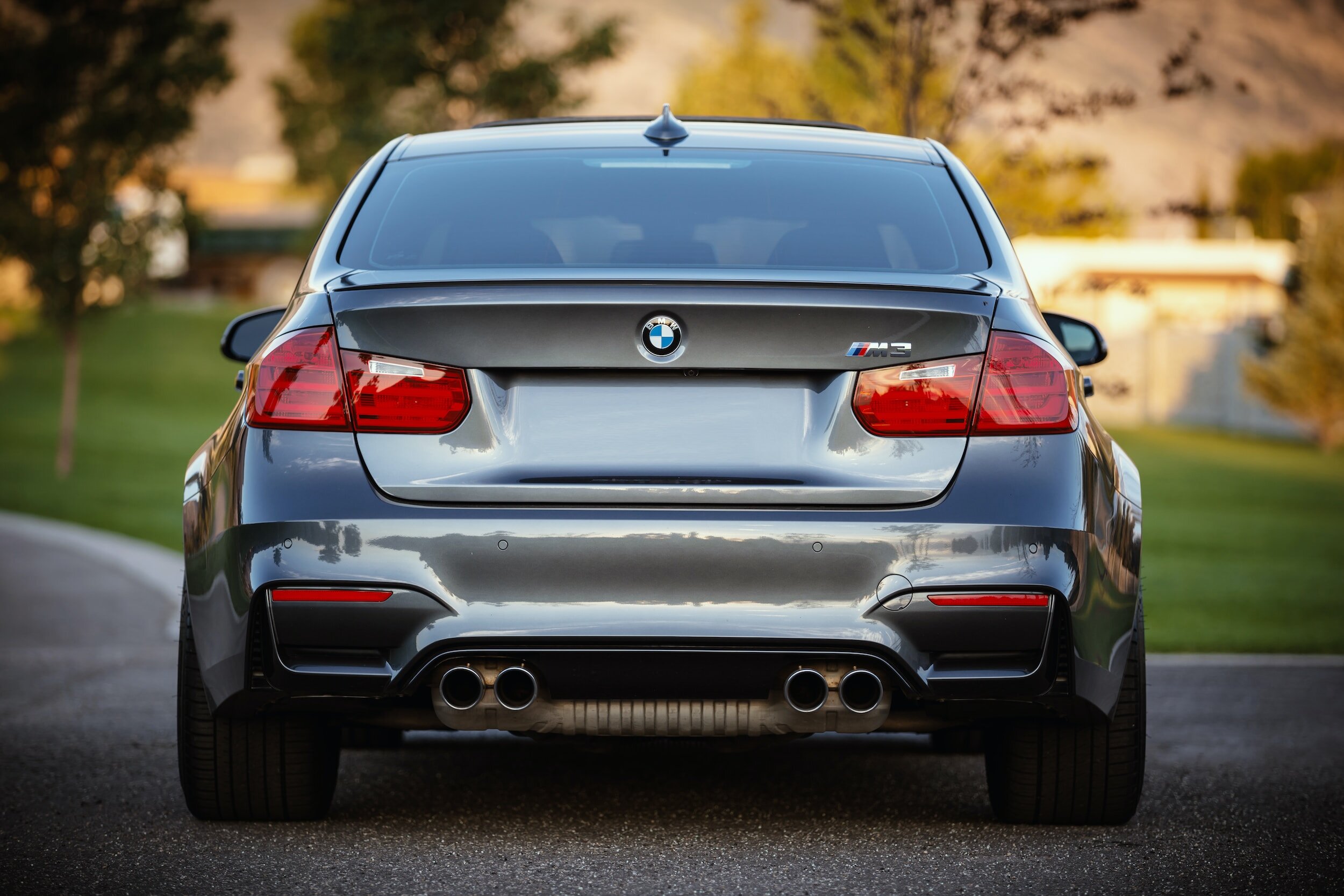
In today’s economy, car ownership has gradually been emerging as a costly necessity. Car ownership today is more expensive than it ever was, considering auto loans climbed to an outstanding $1.5 trillion in debt! This developing cost is not just at the point of purchase but all the way to loan repayments, maintenance, and repair.
Continue reading to look at what’s driving up the cost of car ownership today and what it means to your wallet. We look at issues like the state of the auto loan market, changes in vehicle pricing, and how electric vehicles affect the expenses. Our professionals here at HCS Auto Repair have expert insights on all things auto repair and a drive to keep you as informed as possible about the vehicle you own!
The Burden of Auto Loans
Much of the expenses of Car ownership in America is bound up in auto loan debt, which is currently at a staggering $1.5 trillion! This massive debt has immense implications for consumers’ financial situations, making vehicle payments routinely one of the largest monthly expenses after housing.
In terms of the monthly payments alone, the figures are overwhelming:
- New cars: The average payment hovers at about $725 per month, which is up from previous years.
- Used cars: The average monthly payment outlays about $516, also rising.
Understanding and better dealing with the costs involved takes knowing a thing or two about financing. Basically, lenders fall into one of two categories:
- Direct lenders: These include local banks, credit unions, and online lenders. They may have very competitive interest rates and terms, depending on your creditworthiness.
- Indirect lenders: These will often be dealerships that offer financing. Convenient, yes, but sometimes they come with higher interest rates because of dealer markups.
Interest rates can range widely based on your credit score and the type of lender you decide to go with. So weigh it carefully just to keep the burden from car ownership as low as possible.
Market Dynamics Affecting Vehicle Prices
The used car market has undergone a sea of changes since the pandemic. Due to fewer cars available, the prices of new and used vehicles shot up. This is because the shortage of supplies disrupted the supply chain necessary for the production of new cars. This limited availability pushed consumers towards the used car market, pushing the prices up.
Several factors contribute to this situation:
Supply Chain Issues
Production shutdowns and shortages of essential components like chips have resulted in a reduced supply of new vehicles. The automakers have shifted their attention to manufacturing high-priced models, leaving budget-conscious buyers with limited options.
Rental Companies’ Influence
Rental companies, during the pandemic, had sold off big chunks of their fleets for premium prices, further tightening up the used car market. When they went to restock, they looked to auctions for used cars since few new cars were available.
These are some of the economic factors that have combined to provide a competitive environment for vehicles priced higher than ever before. With these ever-changing trends, it becomes essential for the consumer to know the market condition when entering the market to buy a vehicle.
Understanding Depreciation and Value Retention
The moment one drives a new car off the dealership’s lot, the value begins to plummet almost instantly. This immediate loss in value is referred to as depreciation and represents one of the largest expenses involved with car ownership. On average, a vehicle will lose about 10% of its value the instant it is purchased.
The rate of depreciation can vary significantly based on the type of vehicle:
- Luxury Cars: These are the very cars that depreciate the fastest. As much as their initial value might be very high, luxury cars tend to lose great value over time due to the rapid evolution of technology and consumer preferences.
- Sedans: Usually depreciate faster than other categories, such as SUVs. This, again, largely has to do with market demand; as people begin to shift toward SUVs and trucks, sedans are often left behind, which affects their resale value.
- SUVs: Generally retain their value better than sedans. The increasing demand for these versatile vehicles slows down the depreciation rate, thus making them more attractive to buyers who are sensitive to resale value.
These dynamics can help you make better choices when buying a car, especially if you plan to sell or trade it in the future.
Impact of Production and Supply Chain Problems
Manufacturing of automobiles had to go through one of its worst phases due to pandemic-related shutdowns, which hammered vehicle production numbers drastically. And, of course, the number of new cars reaching the roads became scarce while the factories remained closed, creating a demand-supply imbalance in the automobile market. The outcome has been reduced choice for the buyers while increasing the prices of old and new cars alike.
Adding to the pandemonium is the chip shortage- the greasy backbone of today’s highly technological vehicles. It has prompted automakers to reconsider how they produce cars, often focusing on higher-priced models with better margins. That means luxury and high-end vehicles are more available than their lower-cost brethren, leaving fewer choices for budget-conscious buyers.
Supply chain shortages have indeed made their mark on automotive industry trends in permanent ways. Pressures remain on manufacturing and have forced innovating approaches as the industry moves to satisfy the consumer in a resource-constrained manner. The current market adapts to continuous change; understanding these dynamics becomes of the essence to those who will buy or need maintenance on a car today.
Increased Costs in Repairs and Maintenance
Car repair costs can sometimes be incomprehensible, especially due to the rise in expenses brought about by heavier vehicles and advanced technology. Modern cars are not just means of transportation but highly complicated pieces of machines full of electronic gadgets and safety features. This complexity brought about the increased cost of repairs and maintenance as skills and equipment have become more specialized.
Heavier Vehicles and Advanced Technology
Most modern vehicles are heavier, have turbocharged engines, and are equipped with all-wheel drive and a host of other safety features. All these add-ons make the vehicle perform better and safer, but they also raise the cost of repairs. With the need for advanced diagnostic tools and expertise, even simple inspections become costly.
Technician Shortages
The pandemic further exacerbated the pre-existing shortage of skilled technicians. With fewer experts available, labor rates have skyrocketed, affecting the pricing of repair services directly. This means consumers are paying more for the parts and the expert knowledge required to keep their vehicles running.
These factors all add up to the reality that it is increasingly expensive to maintain a vehicle, which suggests that any balance between quality maintenance and budgetary limitations the owners might have would be strained at best.
The Place of Electric Vehicles in the Cost Structure
Electric vehicles are changing the cost of car ownership and maintenance. In fact, repair costs are distinctly different for EVs from their ICE cousins. While the general perception of EVs, due to fewer moving parts, may suggest lower maintenance, it’s a little more complex in reality.
Comparison of Repair Costs
This indicates that EV repairs cost roughly around 2% more than their ICE counterparts. This may partly be because most of the EVs have high-end features that target buyers in the high-end segment, inflating the repair costs.
Service Networks & Parts Availability
Among the main challenges for EV manufacturers are establishing mature service networks and ensuring parts availability. Usually, startups and younger companies have immature supply chains, which increase the cost of ownership for consumers. High-voltage batteries also require special management, adding extra complexity and cost.
This evolving landscape underscores why car ownership is getting so expensive, as both ICE and EV markets grapple with unique challenges. The transformation within the automotive industry continues to impact the financial implications for vehicle owners, highlighting the importance of understanding these dynamics before making a purchase decision.
Economic Implications for Consumers
Rising interest rates have created a significant hurdle for many seeking to finance a vehicle. As the Federal Reserve increased interest rates, the cost of borrowing naturally increased for an auto loan. This may shift and make it notably harder for consumers to manage their monthly payments amid an across-the-board impact on affordability.
For low-income consumers, this is an affordability crisis. The lack of financial flexibility for these buyers often means that they face a more difficult market landscape with fewer options. High loan costs and high prices for vehicles squeeze budgets, leaving little room for maneuver.
Increased Borrowing Costs
Higher interest rates mean increased monthly payments, making vehicles less affordable.
Low-Income Consumers Have Few Options
The financial burden limits access to newer or more reliable vehicles, often pushing these buyers toward older models or high-interest “buy here, pay here” dealerships.
The current economic climate underlines the need for strategic financial planning and consideration of all available lending options.
Choose HCS Auto Repair
The world of car ownership affordability is complex to navigate. As the cost of owning a vehicle increases, keeping your car valuable is important. Professional repair services are very helpful in controlling and minimizing expenditures in the long run.
Consider contacting us here at HCS Auto Repair for the best outcomes! Based in Springdale, AR, we provide expert service to give you the premium care and reliable solution you deserve. Trust our ASE-certified technicians by giving us a call today at (479) 751-8232.