
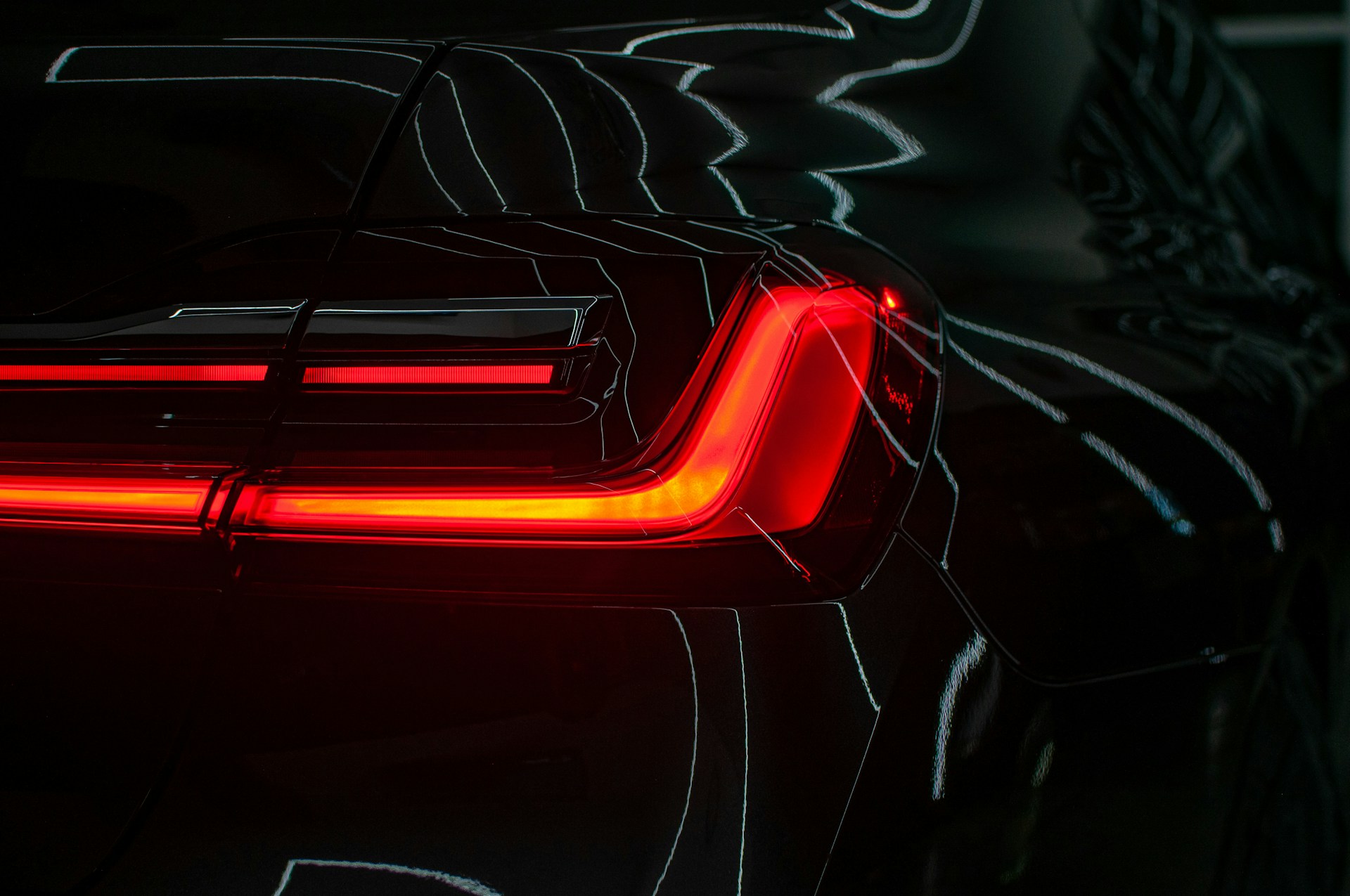
We’ve all been there—driving at night or early in the morning, only to notice that the headlights or taillights on our car start to flicker. It’s easy to ignore at first, but over time, the problem can get worse. If you’ve ever found yourself asking, “Why are my taillights and headlights flickering?” you’re not alone, and the good news is that you’re in the right place for answers.
In this article, we’ll dive into the possible causes behind flickering headlights and taillights, the risks of leaving them unchecked, and what you can do to fix the problem. Whether you’re a car enthusiast or someone who just wants to keep their vehicle safe, understanding why your lights are flickering is important for both visibility and safety. Let’s break it down in a friendly, easy-to-understand way.
Why Are Flickering Lights a Big Deal?
Before we get into the technical causes of flickering lights, let’s talk about why this is more than just a nuisance. Flickering headlights and taillights aren’t just annoying—they can also be dangerous. Here’s why:
- Reduced Visibility: Headlights are critical for nighttime driving, especially in low-light or foggy conditions. If your headlights are flickering, you’re losing valuable light that helps you see the road, obstacles, and other vehicles.
- Safety Risk for Other Drivers: Your taillights let other drivers know where you are on the road. If your taillights flicker or go out momentarily, the car behind you might not see you in time to stop or avoid a collision.
- Electrical Issues: Flickering lights often indicate underlying electrical problems in your vehicle. Left unchecked, these issues could lead to more serious failures, including battery drainage, alternator problems, or even a complete loss of power while driving.
- Legal Trouble: In some places, driving with malfunctioning headlights or taillights can result in a traffic violation. You could be fined or even have your vehicle deemed unsafe for the road.
Now that we know why flickering lights are a problem, let’s get into what might be causing them.
1. Bad or Failing Bulbs
The simplest explanation for flickering headlights or taillights is that the bulbs themselves are starting to fail. Like any other light source, car bulbs have a lifespan, and as they near the end of that lifespan, they may start to flicker before burning out completely.
Symptoms of a Bad Bulb:
- Flickering that gets worse over time.
- One headlight or taillight flickering, while the other remains steady.
- Intermittent brightness or dimming.
If the bulbs are the cause, the flickering will usually be isolated to a single light. In this case, the solution is straightforward: replace the bad bulb.
How to Fix It:
- Turn off the vehicle and disconnect the battery to avoid any electrical shocks.
- Locate the bulb that is flickering and remove it by accessing the headlight or taillight housing.
- Replace the bulb with a new one, making sure it matches the correct wattage and type for your vehicle.
2. Loose or Damaged Connections
Loose connections are another common culprit behind flickering lights. If the electrical connections between your vehicle’s battery, light bulbs, or wiring are loose or damaged, it can result in an intermittent power supply to the lights, causing them to flicker.
Symptoms of Loose Connections:
- Flickering occurs when driving over bumps or rough roads.
- Both headlights or taillights flicker at the same time.
- Lights flicker inconsistently, with no apparent pattern.
Loose connections can develop over time due to vibration from driving, moisture getting into connectors, or corrosion on electrical terminals.
How to Fix It:
- Inspect the wiring around your headlights and taillights for any visible damage or corrosion.
- Check the connectors to ensure they are snugly attached. If a connector is loose, it may need to be tightened or replaced.
- Look for frayed wires or exposed metal. If you see damaged wires, have them repaired or replaced to prevent further issues.
If you’re not comfortable working with electrical components, it’s best to have a professional mechanic inspect and repair any loose connections for you.
3. Failing Alternator
The alternator is a critical component in your vehicle’s electrical system. It’s responsible for generating electricity and charging the battery while the engine is running. If your alternator is failing, it can lead to inconsistent power delivery, which could be why your headlights and taillights are flickering.
Symptoms of a Failing Alternator:
- Lights flicker or dim when you accelerate or decelerate.
- Other electrical components, like the radio or dashboard lights, also flicker or malfunction.
- A battery warning light appears on the dashboard.
- The battery frequently dies or struggles to hold a charge.
How to Fix It:
If the alternator is the root cause of the problem, it will need to be replaced. While this can be a more expensive fix, it’s crucial to address a failing alternator quickly, as it can lead to more serious issues like a completely dead battery or electrical system failure.
- Test the alternator using a multimeter or have it checked by a mechanic.
- If the alternator is failing, replace it with a new or refurbished part.
- Test the electrical system again to ensure the issue is resolved.
4. Weak or Dying Battery
A weak or dying battery can also cause flickering headlights and taillights. Your vehicle’s battery provides the electrical power needed to start the engine and run electrical components when the engine is off. When the battery starts to lose its charge, it may not be able to provide a consistent power supply, leading to flickering lights.
Symptoms of a Weak Battery:
- Difficulty starting the car, especially in cold weather.
- Dim headlights or taillights, especially when the engine is idling.
- Electrical components like the radio or power windows may function erratically.
- The battery is more than 3-5 years old (the average lifespan of a car battery).
How to Fix It:
- Test the battery with a multimeter to check the voltage. A healthy battery should read around 12.6 volts when the engine is off.
- If the battery is weak, replace it with a new one.
- After replacing the battery, check the lights to ensure the flickering has stopped.
5. Faulty Light Switch or Dimmer
The headlight switch or dimmer switch in your vehicle allows you to turn your lights on and off or adjust their brightness. If these switches are faulty or worn out, they can cause the lights to flicker.
Symptoms of a Faulty Switch:
- The switch feels loose or unresponsive.
- Flickering happens when adjusting the dimmer or turning the lights on or off.
- Flickering stops if you wiggle or adjust the switch.
- Only the lights connected to the affected switch (either headlights or taillights) flicker.
Over time, the internal components of the switch can wear out, leading to poor electrical contact, which causes the lights to flicker.
How to Fix It:
- Inspect the headlight or dimmer switch for any visible damage, such as fraying wires or loose connections.
- If the switch feels loose or unresponsive, it may need to be replaced. Consult your vehicle’s manual to locate the switch and disconnect it properly.
- Replace the faulty switch with a new one designed for your vehicle. You can usually find these parts at an auto parts store or through your vehicle’s manufacturer.
- After replacing the switch, test the lights to ensure the flickering issue is resolved.
6. Grounding Issues
Your vehicle’s electrical system relies on a series of grounding points to complete the electrical circuit. If one of these ground points is corroded, loose, or damaged, it can interrupt the flow of electricity, leading to flickering headlights or taillights.
Symptoms of Grounding Issues:
- Flickering occurs intermittently or when driving over bumps.
- Both headlights or taillights flicker at the same time.
- Other electrical components may also experience issues, such as dim interior lights or malfunctioning dashboard indicators.
Grounding issues can develop due to corrosion from exposure to moisture, dirt, or road salt, particularly in older vehicles.
How to Fix It:
- Locate the ground points in your vehicle’s electrical system, which are typically found near the battery, lights, and engine compartment.
- Inspect the ground connections for any signs of corrosion or loose bolts. Corrosion will appear as white or greenish buildup around the connection.
- If corrosion is present, clean the ground points using a wire brush and some electrical contact cleaner to remove any buildup.
- Tighten any loose connections, and ensure that the grounding points are securely attached to the vehicle’s frame.
- After cleaning and tightening the ground connections, test the lights to see if the flickering has stopped.
7. Voltage Regulator Issues
Your vehicle’s voltage regulator controls the amount of electrical current that flows from the alternator to the battery and other electrical components. If the voltage regulator isn’t working correctly, it can cause fluctuations in the electrical current, leading to flickering lights.
Symptoms of Voltage Regulator Problems:
- Flickering headlights or taillights that worsen as you accelerate.
- Electrical components behave erratically, such as the radio or power windows.
- Overcharging or undercharging of the battery, which can cause it to swell or drain too quickly.
If the voltage regulator is malfunctioning, it may deliver too much or too little voltage to the lights, causing them to flicker.
How to Fix It:
- Test the voltage regulator with a multimeter or have it checked by a professional mechanic.
- If the voltage regulator is faulty, replace it with a new one that is compatible with your vehicle.
- Re-test the electrical system to ensure the flickering issue has been resolved.
8. Inconsistent Power Supply from the Fuse Box
The fuse box in your vehicle houses the fuses for various electrical systems, including your headlights and taillights. If one of the fuses is loose, blown, or damaged, it can cause an inconsistent power supply, leading to flickering lights.
Symptoms of Fuse Box Issues:
- Flickering occurs after electrical work has been done on the vehicle.
- One or both sets of lights flicker, while other electrical components function normally.
- The issue may arise when certain other components are being used, like the windshield wipers or air conditioning, which pull power from the same fuse.
How to Fix It:
- Locate the fuse box and inspect the fuses related to the headlights and taillights.
- Check for blown fuses, which can usually be identified by a broken filament inside the fuse or discoloration.
- Replace any blown or damaged fuses with ones of the same rating.
- If none of the fuses are blown, ensure that all the fuses are securely in place and that there are no signs of corrosion in the fuse box.
- After inspecting the fuses, test the lights to ensure the flickering has stopped.
9. Overloaded Electrical System
If you’ve recently added aftermarket accessories to your vehicle, such as upgraded headlights, a powerful sound system, or extra lighting, it’s possible that the electrical system is being overloaded. An overloaded system can cause voltage fluctuations, leading to flickering lights.
Symptoms of an Overloaded Electrical System:
- Flickering starts after new electrical accessories are installed.
- Flickering occurs when using multiple electrical components at the same time (e.g., headlights, stereo, and air conditioning).
- The battery struggles to maintain a charge, and the vehicle’s electrical components behave erratically.
How to Fix It:
- Assess the total electrical load of your vehicle, including any aftermarket accessories you’ve added. Compare this to the capacity of your vehicle’s alternator and battery.
- If the electrical system is overloaded, consider upgrading your alternator to one with a higher output to handle the increased demand.
- Alternatively, remove or reduce the load by disconnecting or replacing aftermarket components with lower-powered options.
- After reducing the electrical load, test the lights to see if the flickering issue is resolved.
10. Moisture or Water in the Light Housing
Moisture inside your headlight or taillight housing can cause flickering or dimming. Condensation can form inside the light housing due to a cracked lens, a loose seal, or poor ventilation, which may lead to electrical shorts or corrosion of the internal wiring.
Symptoms of Moisture in the Housing:
- Visible condensation inside the headlight or taillight.
- Flickering occurs after rain, car washes, or exposure to high humidity.
- One headlight or taillight flickers, while the other remains steady.
How to Fix It:
- Inspect the light housing for cracks or signs of moisture. If there is condensation, remove the bulb and allow the housing to dry completely.
- Check the seals around the light housing and replace them if they are damaged or loose.
- If there is significant damage to the housing, replace the light assembly.
- After repairing or replacing the housing, test the lights to ensure the flickering has stopped.
Final Thoughts
Flickering headlights and taillights can be caused by a variety of issues, ranging from simple fixes like a bad bulb to more complex problems like alternator failure or grounding issues. Regardless of the cause, it’s important to address flickering lights as soon as possible to ensure your safety on the road and avoid further damage to your vehicle.
By understanding the potential causes of flickering lights and taking the appropriate steps to diagnose and fix the issue, you can keep your car, truck, or SUV running smoothly and ensure that your lights stay bright and reliable. If you’re unsure about how to fix the problem or feel uncomfortable working with your vehicle’s electrical system, don’t hesitate to consult a professional mechanic.
Springdale – 479-662-1221 or Rogers – 479-329-1478