
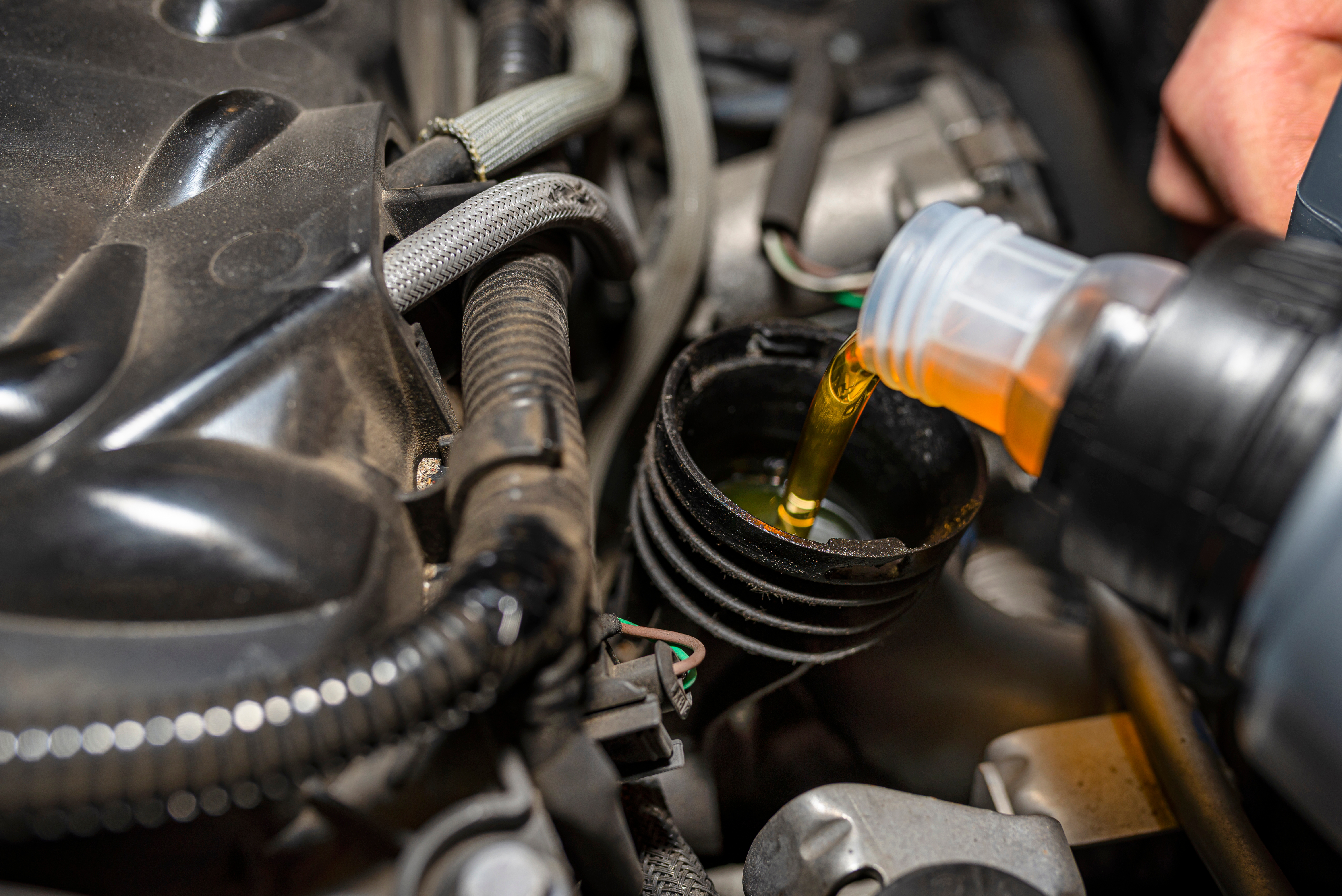
At HCS Auto Repair, we understand that maintaining your vehicle is crucial to its longevity and performance. One of the key aspects of vehicle maintenance involves understanding filters and fluids. These components play a vital role in ensuring your vehicle runs smoothly and efficiently. In this article, we’ll cover the essentials of filters and fluids, their importance, maintenance tips, and common questions that vehicle owners often have.
Understanding Filters
Filters are essential components in your vehicle that help maintain the quality of fluids and protect the engine and other vital systems. They act as barriers against contaminants and ensure that your vehicle operates at its best. Here are the main types of filters you should be aware of:
1. Oil Filters
Oil filters remove contaminants from engine oil, ensuring that the oil remains clean and effective in lubricating engine parts. Over time, engine oil can accumulate dirt, metal particles, and other debris that can cause wear and tear on engine components.
- Function: The oil filter traps these impurities, allowing clean oil to circulate through the engine, which helps reduce friction and overheating.
- Maintenance: Regular oil filter changes are crucial for engine health. It’s generally recommended to change your oil filter with every oil change, typically every 3,000 to 7,500 miles, depending on your vehicle and oil type.
2. Air Filters
Air filters clean the air entering the engine, preventing dirt and debris from causing damage. A clean air filter improves engine efficiency and fuel economy.
- Function: The air filter ensures that only clean air enters the combustion chamber, which is essential for optimal fuel combustion and engine performance.
- Maintenance: It’s advisable to check and replace your air filter every 12,000 to 15,000 miles or as needed, especially if you drive in dusty conditions.
3. Fuel Filters
Fuel filters ensure that impurities in the fuel do not reach the engine, which can lead to performance issues. Contaminated fuel can cause engine knocking, reduced power, and even engine failure.
- Function: The fuel filter traps dirt and debris from the fuel before it enters the engine, protecting the fuel injectors and combustion chamber.
- Maintenance: Replacing the fuel filter at recommended intervals can prevent costly repairs and is generally advised every 20,000 to 40,000 miles.
4. Cabin Air Filters
Cabin air filters clean the air that enters the passenger compartment, enhancing air quality and comfort for occupants. They filter out dust, pollen, and other allergens.
- Function: A clean cabin air filter improves the efficiency of the heating and air conditioning systems and ensures a pleasant driving experience.
- Maintenance: Regular replacement is important for maintaining air quality and should be done every 15,000 to 30,000 miles, depending on driving conditions.
The Importance of Fluids
Fluids are the lifeblood of your vehicle, and understanding their functions is crucial for maintenance. Each fluid plays a specific role in ensuring that your vehicle operates efficiently and safely.
1. Engine Oil
Engine oil lubricates engine components, reduces friction, and helps cool the engine.
- Function: It prevents metal-to-metal contact between engine parts, minimizing wear and tear, and also helps remove heat from the engine.
- Maintenance: Regular oil changes are essential to keep your engine running smoothly. Check your owner’s manual for the recommended oil change interval, which is typically every 3,000 to 7,500 miles.
2. Transmission Fluid
Transmission fluid is vital for the proper functioning of the transmission system, ensuring smooth gear shifts and protecting against wear.
- Function: It lubricates the moving parts of the transmission and helps in the hydraulic operation of the system.
- Maintenance: Check and change transmission fluid as per your vehicle’s service schedule, usually every 30,000 to 60,000 miles.
3. Coolant
Coolant prevents the engine from overheating and protects against corrosion.
- Function: It absorbs heat from the engine and dissipates it through the radiator, maintaining optimal engine temperature.
- Maintenance: Maintaining the correct coolant levels and quality is important for engine health. Regularly check the coolant reservoir and replace the coolant as needed, typically every 2 to 5 years.
4. Brake Fluid
Brake fluid is essential for the proper functioning of the braking system.
- Function: It transmits force from the brake pedal to the brake components, allowing for effective stopping power.
- Maintenance: Regular checks and changes are necessary to ensure safety. Brake fluid should be replaced every 2 years or as indicated by your vehicle’s service schedule.
5. Power Steering Fluid
Power steering fluid helps in the smooth operation of the steering system.
- Function: It allows for easier steering by reducing the effort needed to turn the steering wheel.
- Maintenance: Low levels
continue
of power steering fluid can lead to difficulties in steering and increased wear on the steering components. Regularly check the fluid level and top off as necessary, typically every 30,000 miles or as recommended in your owner’s manual.
Regular Maintenance is Key
To keep your vehicle in optimal condition, regular maintenance of filters and fluids is essential. Here are some tips to help you stay on top of your vehicle maintenance:
1. Follow the Manufacturer’s Schedule
- Owner’s Manual: Always refer to your vehicle’s owner manual for specific maintenance recommendations regarding filters and fluids. This guide provides the best intervals for changing fluids and filters based on your vehicle’s make and model.
2. Stay Alert for Warning Signs
- Performance Changes: Pay attention to any changes in your vehicle’s performance, such as unusual noises, decreased fuel efficiency, or warning lights on the dashboard. These could indicate issues with filters or fluids that need immediate attention.
- Fluid Leaks: Check for any fluid leaks under your vehicle. Puddles of oil, coolant, or transmission fluid can signal a problem that requires professional inspection.
3. Consult a Professional
- Mechanic Assistance: If you’re unsure about the condition of your filters or fluids, don’t hesitate to consult a professional mechanic at HCS Auto Repair. They can perform thorough inspections and recommend necessary services.
- Regular Check-Ups: Consider scheduling regular check-ups to have your filters and fluids assessed, ensuring everything is in good condition.
Understanding Filter and Fluid Maintenance
Maintaining filters and fluids is not just about changing them; it’s also about understanding their role in your vehicle’s overall performance. Here’s a deeper look into how to effectively manage your vehicle’s filters and fluids:
Oil and Oil Filter Maintenance
- Choosing the Right Oil: Use the oil type recommended in your owner’s manual. Synthetic oils may offer better protection and longer intervals between changes.
- Oil Change Process: When changing your oil, always replace the oil filter. This ensures that any contaminants captured by the filter do not get reintroduced into the new oil.
Air Filter Maintenance
- Inspection: Check your air filter regularly, especially if you drive in dusty environments. A clogged air filter can significantly reduce engine performance and fuel efficiency.
- Cleaning vs. Replacing: Some air filters can be cleaned and reused, while others should be replaced entirely. Check the manufacturer’s recommendations.
Fuel Filter Maintenance
- Fuel Quality: Use high-quality fuel to minimize the amount of contaminants that can clog your fuel filter. Avoid filling up at stations with questionable fuel quality.
- Replacement Signs: If you notice a decrease in engine performance or difficulty starting your vehicle, it may be time to replace the fuel filter.
Coolant Maintenance
- Coolant Type: Use the coolant type specified in your owner’s manual. Mixing different types of coolant can lead to chemical reactions that reduce effectiveness.
- Flushing the System: Consider having your cooling system flushed periodically to remove rust and debris that can accumulate over time.
Brake Fluid Maintenance
- Fluid Quality: Brake fluid can absorb moisture over time, which can reduce its effectiveness. Regularly check the fluid level and condition.
- Brake System Inspection: During routine maintenance, have your brake system inspected to ensure all components are functioning correctly.
Power Steering Fluid Maintenance
- Fluid Level Checks: Regularly check the power steering fluid level and top off as necessary. If you notice a drop in fluid level, it could indicate a leak.
- System Flush: Consider having the power steering system flushed and refilled every few years to maintain optimal performance.
The Environmental Impact of Filters and Fluids
Understanding the environmental impact of vehicle maintenance is becoming increasingly important. Here are some considerations:
- Used Oil Disposal: Always dispose of used oil and filters properly. Many auto repair shops, including HCS Auto Repair, offer recycling services for used oil.
- Eco-Friendly Products: Consider using eco-friendly fluids and filters that are designed to minimize environmental impact. Many manufacturers now offer biodegradable options.
- Regular Maintenance: Keeping your vehicle well-maintained not only improves performance but also reduces emissions and fuel consumption, contributing to a healthier environment.
FAQs
- How often should I change my oil filter?
- It is generally recommended to change your oil filter with every oil change, typically every 3,000 to 7,500 miles, depending on your vehicle and oil type.
- What are the signs of a dirty air filter?
- Decreased fuel efficiency, reduced engine performance, and unusual engine sounds can indicate a dirty air filter.
- How can I tell if my coolant needs to be changed?
- If the coolant is discolored, has a foul smell, or if your engine is overheating, it may be time for a coolant change.
- What happens if I don’t change my fuel filter?
- A clogged fuel filter can lead to poor engine performance, reduced fuel efficiency, and potential engine damage. It may cause the engine to stall, have difficulty starting, or experience hesitation during acceleration.
- Can I change these filters and fluids myself?
- While some vehicle owners may feel comfortable doing basic maintenance, it’s often best to consult a professional mechanic for complex tasks to ensure everything is done correctly. If you do choose to perform maintenance yourself, make sure to follow the manufacturer’s guidelines and safety precautions.
Conclusion
At HCS Auto Repair, we recognize that understanding filters and fluids is essential for every vehicle owner. By maintaining these crucial components, you can enhance your vehicle’s performance, extend its lifespan, and avoid costly repairs down the road. Regular checks and timely replacements of filters and fluids not only ensure your vehicle operates at its best but also contribute to your safety on the road.
We encourage you to stay proactive with your vehicle maintenance. If you have any questions or need assistance with filters and fluids, our team at HCS Auto Repair is always here to help. Schedule an appointment today to ensure your vehicle remains reliable and efficient for years to come!