
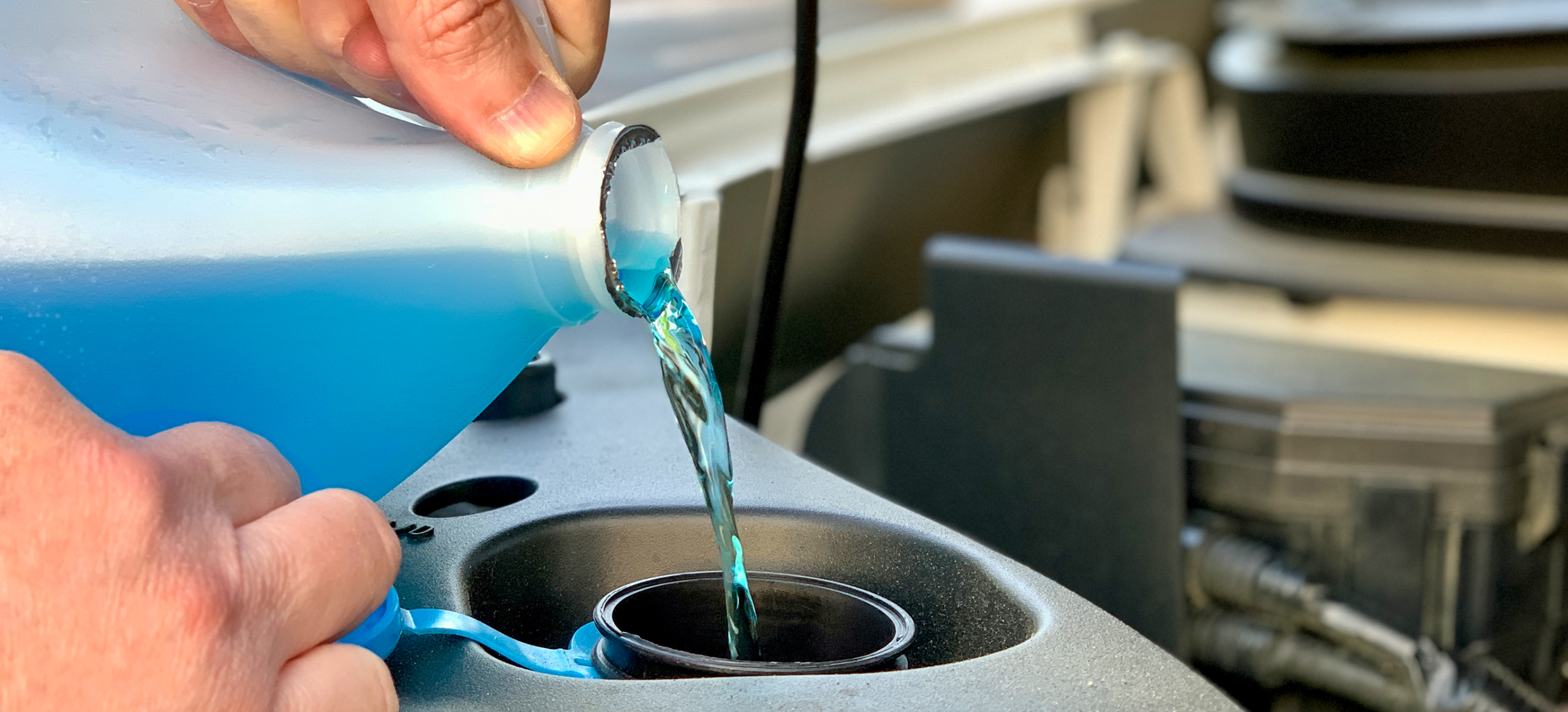
Your vehicle depends on seven critical fluids to continue running well and efficiently. Consider these fluids to be the blood of your vehicle – each fluid has a certain function that keeps your vehicle healthy and running well.
From engine oil that maintains vital components lubricated to brake fluid that makes you roadworthy, all of these fluids are working in tandem in a complex symphony. When one fluid fails or wears out, it can cause a chain reaction of problems to spread throughout your car.
This is what you need to know about the critical fluids in your car:
- They prevent component wear and tear
- They regulate engine temperature
- They enable the smooth operation of mechanical systems
- They protect against corrosion
- They help transmit power and force
Your brake fluid does one thing that nothing else in your car does- it’s the only fluid in your car that provides hydraulic pressure. When you press your brake pedal, the fluid converts your foot’s mechanical pressure into hydraulic pressure through the master cylinder, and that provides you with the braking force you require.
1. Coolant: Preventing Engine Overheating
Your engine’s cooling system relies on coolant, a highly significant fluid that keeps your engine at its best temperature. This specialized mixture typically consists of:
- 50% water and 50% antifreeze (standard ratio)
- 70% antifreeze and 30% water (for extreme climates)
This is how the cooling system works: While your engine is running, the combustion process produces a lot of heat. Coolant flows through block passages in an engine and in cylinder heads to dissipate the excess heat from these parts. The hot fluid goes to a radiator, where the radiator dissipates the heat through your car’s front. Then, the cool fluid goes back to the engine to do it all over again.
Your engine thermostat is a heat regulator. The thermostat opens up when the engine is warm, admitting more coolant flow to draw out excess heat and keep your engine at a good operating temperature. For a cold engine, the thermostat remains closed, allowing limited movement of coolant so that the engine can heat up quickly. This subtle control mechanism ensures a safe temperature range for the engine to work optimally and remain in good health.
Warning Signs of Coolant Issues:
- Engine temperature gauge reading high
- Steam from under the hood
- Sweet smell from engine bay
- Visible coolant leaks
Ignoring cooling system servicing has grave ramifications for your automobile, as well. With the passage of time and ignoring this aspect, your engine will eventually overheat and seize or undergo a warped cylinder head due to successive overheating. In exceptional scenarios, ignoring your cooling system could generate engine blazes. Normal inspections and replacements of coolant, in good time, are indispensable to avoiding all those expensive and dangerous scenarios.
Do not forget to replace your coolant according to your manufacturer’s schedule – coolant, similar to milk, does have a “shelf life.”
2. Windshield Wiper Fluid: For Keeping the Road Ahead Clearly Visible
Your windshield wiper fluid might seem boring, but it is a vital safety item that keeps your visibility while driving. This essential fluid contains three vital ingredients:
- Water – The primary cleaning component
- Surfactant (soap) – Breaks down dirt and grime
- Methanol (alcohol) – Speeds up drying time
The process is carried out through a simple, effective system. When you pull on your windshield wiper switch, an electric pump kicks in and sprays the fluid onto your windshield. The thin, evaporating, quickly consistency ensures that you won’t be driving around town with a wet, streaked windshield impeding your view.
Checking Your Wiper Fluid
To have your windshield washer fluid in reserve so that it will always be ready to clear your vision, first go and locate the windshield washer fluid reservoir in your hood—look for a cap with a windshield symbol. Remove the cap and visually inspect the level of liquid inside. If it appears low, top it off with washer fluid that’s suitable for your local climate, ensuring optimal performance in either hot or cold conditions. Once filled, replace the cap securely before closing your hood.
Pro tip: Keep your reservoir topped off in winter months when road trash and salt can seriously affect visibility
Power steering fluid is needed for power steering hydraulic systems. It makes steering wheel turning simple for you, and parking and maneuvering a snap.
How Hydraulic Power Steering Works
Although most of the newer vehicles utilize electric power-assisted steering (EPAS), if your vehicle has a hydraulic one, the system is highly mechanical. The power steering pump forces fluid under pressure, which in turn forces a piston within the steering gear. When pressure is generated, the piston makes your wheels turn in the direction you want. Throughout the process, smooth and easy motion is offered by the fluid with a highly precise control and easy turning whenever you turn.
Choosing the Right Fluid
Your vehicle may require a specific type of power steering fluid:
- Pre-2005 models often use automatic transmission fluid (ATF)
- Most post-2005 vehicles need synthetic power steering fluid
- Check your owner’s manual for the exact specification
Warning Signs to Watch For
Look out for these signs that indicate potential power steering issues:
- Moaning or whining sounds when turning
- Stiff steering wheel
- Fluid leaks under your car
To obtain the optimum from your vehicle, draining your power steering fluid every 30,000 miles is recommended. Over time, heat builds up and dilutes the fluid, leading to early wear and tear on your steering system.
4. Engine Oil: Lubricating Your Engine for Decades to Come
Your engine oil is a vital multi-use fluid that does more than just lubricate. Here’s what your engine oil does:
- Creates a protective film between moving parts to reduce friction
- Acts as a cleaning agent to prevent corrosion
- Contains dispersants to handle contaminants
- Includes antioxidants to prevent oxidation at high temperatures
- Helps cool engine components by transferring heat
The oil pumped through the oil filter removes dirt and metal particles. The clean oil is then discharged through oil galleries and passages to the components it must protect, such as the bearings, pistons, rings, and valve stems.
Understanding Viscosity Ratings
Your engine oil’s viscosity rating appears as two numbers (like 0W-30):
- First number (0W): Cold temperature performance
- Second number (30): Hot operating temperature thickness
Low viscosity = thinner oil for better cold-weather flow
High viscosity = thicker oil for better hot-weather protection
You can choose between:
Traditional oil: Affordable, more suitable for older cars
Synthetic oil: Enhanced performance, longer life, ideal for new engines
Make sure to refer to your owner’s manual to check the viscosity rating advised and the maintenance period for your car.
5. Brake Fluid: Ensuring Safe Stopping Capacity through Hydraulic Force Transmission
The brake fluid is unique in its work- it is the only fluid in your vehicle that provides hydraulic pressure. When you press the brake pedal, this fluid conveys your foot’s mechanical pressure into hydraulic pressure through the master cylinder, and this pressure is what creates the braking force you desire.
Understanding DOT Ratings:
- DOT 3: 401°F boiling point – suitable for everyday driving
- DOT 4: 446°F boiling point – ideal for towing and mountain driving
- DOT 5: 500°F boiling point – silicone-based, moisture-resistant
- DOT 5.1: 500°F boiling point – high-performance vehicles
Your glycol ether brake fluid will absorb water in time. This water absorption lowers the fluid’s boiling point, which could lead to a spongy brake pedal, system corrosion, destruction of seals, air in brake lines, and complete brake failure.
Brake fluid maintenance on a regular basis eliminates these problems. A malfunctioning brake system finds you crashing into the back of other cars – something you will not wish. The installation of the proper DOT rating for your car provides optimal braking performance and highway safety.
6. Transmission Fluid: Smoothly Shifting Your Gears
Your vehicle’s transmission fluid exists in three different forms, each for particular transmission systems:
1. Automatic Transmission Fluid (ATF)
This versatile fluid acts as a triple threat in your automatic transmission:
- Balances temperature like a coolant
- Lubricates components like power steering fluid
- Creates hydraulic pressure similar to brake fluid
2. Manual Transmission Fluid
Also known as gear oil, this fluid features:
- Higher viscosity for intense heat management
- Enhanced lubrication properties
- Protects clutch disc, flywheel, and pressure plate
- Fun fact: The same fluid also cools and lubricates your differential
3. CVT Fluid
Designed for continuously variable transmissions, this specialized fluid has:
- Low viscosity for smooth operation
- Optimized for belt and pulley systems
- Enhances fuel efficiency
Satisfactory transmission fluid maintenance avoids expensive repairs. Healthy fluid is part of your transmission’s lifespan, and each one has its own odor – even if it smells bad, healthy fluid is required. Good fluid keeps your gears shifting smoothly and safeguards your transmission’s sensitive components from wear and tear.
7. Fuel: Keeping Your Engine Revved Up with the Right Octane Level
Your vehicle’s performance begins with the optimum fuel selection. Fuel is a blend of petroleum hydrocarbons extracted from crude oil and anti-corrosion additives and anti-deterioration additives.
How Fuel Powers Your Engine
Fuel starts life in your car by being drawn out of the fuel tank through a system of fuel pipes. It passes through a fuel filter on the way, which is meant to screen out the contaminants before they reach the injectors or the carburetor. Fuel is atomized by fuel injectors into a spray of tiny particles directly into the intake manifold or directly into the engine cylinders in other engines. Fuel atomization provides better air-fuel mixing, thus creating perfect conditions for combustion. Fuel-air mixtures in gasoline engines are caused to ignite by electricity, and diesel engines are caused to ignite by compression.
Octane rating refers to how resistant the fuel will be to igniting too early when it is being burned. The wrong octane will cause engine knocking – premature fuel burning that will destroy your cylinders.
Signs You’re Using the Wrong Fuel Grade
Running the wrong fuel grade in your car will produce a variety of symptoms. You might feel the engine pinging or knocking, which are generally the first signs that the fuel is burning too early within the cylinders. In addition to these sounds, you might be able to sense lower overall performance and lower mileage, where your car won’t accelerate as well or needs refueling more frequently. In the long term, continued use of the wrong octane level can also lead to potential engine damage, affecting the longevity and reliability of your engine’s parts.
Fuel is similar to the food for your engine – feed it the right grade and it’s operating at peak levels. Be sure to refer to your owner’s manual for the suggested octane level for your vehicle.
Regular Maintenance is the Key to a Healthy Vehicle!
Your vehicle’s fluids are the key to its smooth running, just as blood is the key to our body. Every fluid serves a purpose that is aimed at making your car perform as a whole. Just as we require frequent medical check-ups to maintain ourselves in good health, our vehicles require frequent fluid checks to maintain them in perfect health.
Here’s what you can do to keep your car healthy:
Check fluid levels monthly – A quick 10-minute inspection can prevent major issues
Watch for leaks – Dark spots under your parked car signal potential problems
Follow manufacturer schedules – Each car has specific maintenance timelines
Monitor fluid color – Changes in fluid color often indicate degradation
Keep a maintenance log – Track when you last changed each fluid
Remember: Failure to have regular fluid maintenance will mean lower engine performance, lower fuel efficiency, more wear on parts, and expensive repairs. It also raises the likelihood of probable breakdowns.
Preventive maintenance isn’t avoiding issues – it’s getting the most out of your car and maximizing its life. A well-maintained car performs better, handles better, and holds its value longer.
Call HCS Auto Repair for Professional Service!
Ready to get your car’s fluids done properly? Let our ASE-certified technicians at HCS Auto Repair assist you. We’ve been servicing Springdale since 1988, earning trust with quality work and commitment to our community.
Book your appointment today! Call (479) 751-8232 or stop by our Springdale, AR, shop. We offer fast services ranging from oil changes to transmission repair.
Your vehicle is worth the best that it can get. At our shop, you are not a number – you are family. Allow our seasoned technicians to assist in keeping your vehicle’s fluids in top shape for peak performance and longevity.
Trust your vehicle to the experts who understand every fluid, every system, and every repair.