

When buying a used car, it’s essential to make an informed decision to avoid costly surprises down the road. One crucial step in the car-buying process is the pre-purchase inspection. This thorough examination of the vehicle can reveal hidden problems, provide peace of mind, and even help you negotiate a better price. Let’s find out the importance of pre-purchase inspections and why they’re a vital part of the car-buying process.
What is a Pre-Purchase Inspection?
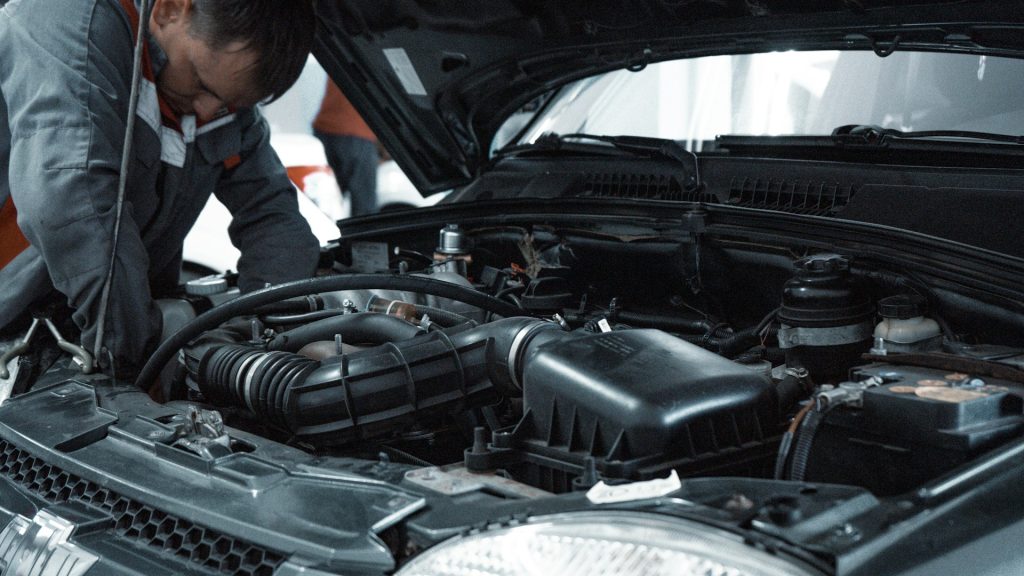
A pre-purchase inspection is a thorough examination of a used vehicle by a qualified mechanic or inspector. The inspector will check the vehicle’s condition, looking for any signs of damage, wear, or needed repairs. This includes a review of the vehicle’s history, a visual inspection of the exterior and interior, and a test drive to identify any issues with the engine, transmission, and other systems.
Why are Pre-Purchase Inspections Important?
Pre-purchase inspections are important for several reasons:
- Avoid Costly Surprises: A pre-purchase inspection can reveal hidden problems that could cost you thousands of dollars to repair. By identifying these issues upfront, you can avoid costly surprises down the road.
- Make an Informed Decision: A pre-purchase inspection provides you with a detailed report on the vehicle’s condition, allowing you to make an informed decision about whether to purchase the vehicle.
- Negotiate a Better Price: If the inspection reveals problems with the vehicle, you can use this information to negotiate a better price or request repairs from the seller.
- Ensure Safety: A pre-purchase inspection can identify safety issues with the vehicle, such as faulty brakes or worn-out tires, which can put you and your passengers at risk.
What to Expect from a Pre-Purchase Inspection
A pre-purchase inspection typically includes:
- Exterior Inspection: The inspector will check the vehicle’s body and paintwork for any signs of damage or rust.
- Interior Inspection: The inspector will check the interior for any signs of wear or damage, including the seats, carpets, and dashboard.
- Mechanical Inspection: The inspector will check the vehicle’s engine, transmission, brakes, and suspension for any signs of wear or needed repairs.
- Test Drive: The inspector will take the vehicle for a test drive to identify any issues with the engine, transmission, or other systems.
- Vehicle History Report: The inspector will review the vehicle’s history report to identify any previous accidents, flood damage, or other issues.
How to Choose a Pre-Purchase Inspector
When choosing a pre-purchase inspector, look for someone who is:
- Qualified: Look for an inspector who is certified by a reputable organization, such as the National Institute for Automotive Service Excellence (ASE).
- Experienced: Choose an inspector who has experience with the make and model of the vehicle you’re considering.
- Independent: Select an inspector who is independent of the seller or dealership to ensure an unbiased report.
If you need any help with your pre-purchased car inspection or any other service for efficient maintenance, just give us a ring at HCS Auto Repair: 479-662-1221 or 479-329-1478. We will be happy to help you stay safe on the roads!
Frequently Asked Questions
Here are some frequently asked questions about pre-purchase inspections:
Q1: How much does a pre-purchase inspection cost? A1: The cost of a pre-purchase inspection varies depending on the inspector and the type of vehicle. On average, you can expect to pay between $100 and $300.
Q2: How long does a pre-purchase inspection take? A2: A pre-purchase inspection typically takes several hours to complete, depending on the complexity of the inspection.
Q3: What if the inspection reveals problems with the vehicle? A3: If the inspection reveals problems with the vehicle, you can use this information to negotiate a better price or request repairs from the seller.
Q4: Can I perform a pre-purchase inspection myself? A4: While it’s possible to perform a pre-purchase inspection yourself, it’s recommended to hire a qualified inspector who has the necessary experience and expertise.
Q5: Is a pre-purchase inspection worth the cost? A5: Yes, a pre-purchase inspection is worth the cost. It can save you thousands of dollars in the long run by identifying hidden problems with the vehicle.
Q6: Can I use a pre-purchase inspection to negotiate a better price? A6: Yes, a pre-purchase inspection can be used to negotiate a better price. If the inspection reveals problems with the vehicle, you can use this information to negotiate a lower price.
Q7: How do I find a pre-purchase inspector? A7: You can find a pre-purchase inspector by asking for referrals from friends or family members, or by searching online for inspectors in your area.
Q8: What if the seller refuses to allow a pre-purchase inspection? If the seller refuses to allow a pre-purchase inspection, it’s a major red flag. This could indicate that the seller is hiding something, and you should reconsider purchasing the vehicle.
Q9: Can a pre-purchase inspection be used for new cars? A9: While pre-purchase inspections are typically associated with used cars, they can also be used for new cars. This can provide an added layer of protection and ensure that the vehicle is in good condition.
Q10: How long is a pre-purchase inspection report valid? A10: A pre-purchase inspection report is typically valid for a short period, such as 30 days. This allows you to use the report to negotiate a better price or request repairs from the seller.