
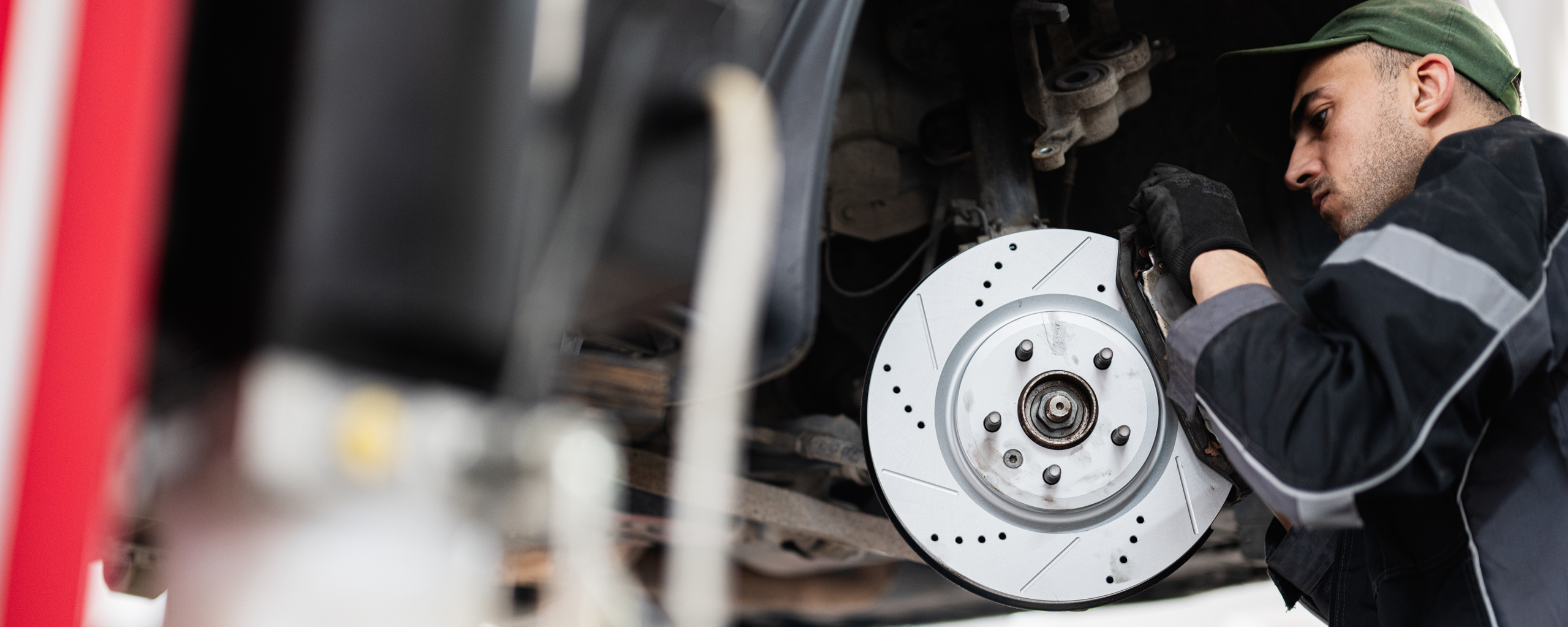
In the field of auto safety, brakes are no less important than tires. Their metal discs and friction pads that constitute them are seemingly simplistic but very meaningful in helping keep you safe on the road.
The repair auto industry for brakes has remained true to its roots while incorporating new technology. Although the basic design of disc brakes and friction pads has not changed much over the last ten years, the industry continues to evolve to meet new demands.
Greater weight is being put on the efficiency of braking as manufacturers and government bodies push for increased vehicle performance and protection. The creation of hybrid and electric cars has also significantly influenced the industry, causing manufacturers to adapt brake systems to these advanced platforms.
In addition, the emphasis on sustainability raises with consumers and business leaders seeking green alternatives throughout the manufacturing and upkeep processes. Also propelling technology is strict emissions law that is pressuring brake systems to cut particulate emissions and comply with new environmental standards.
Current braking systems now utilize sophisticated technologies such as regenerative braking for electric vehicles. It collaborates with conventional braking systems because regenerative braking cannot brake immediately when there is an emergency or when the battery is fully charged.
The stability of the brake market doesn’t mean it’s stagnant. We’re seeing gradual but significant changes in:
- Lubrication methods
- Noise reduction techniques
- Material sustainability
- Manufacturing processes
These innovations depict the company’s dedication to ensuring the highest level of safety while addressing new vehicle technologies and environmental needs.
Technological Innovations in Brake Systems
The braking business has remained steadfast in its principles as it has added new technologies to meet contemporary needs. The age-old disc-and-pad design is still at the heart of car braking, but vast strides have been made in efficiency and environmental-friendliness.
Hybrid and Electric Vehicle Integration
- Regenerative braking systems now work alongside conventional brakes
- Battery charge levels influence braking performance
- Emergency stops still rely on traditional friction braking systems
Key System Improvements
- Enhanced brake pad materials for better performance
- Advanced system efficiency in modern vehicles
- Specialized components designed for heavier EV configurations
The inclusion of regenerative braking in hybrid and electric cars is a major shift from brake technology. The system harvests energy during brake use to charge the car battery. Regenerative braking does have downsides – when the battery is fully charged, the system’s efficiency drops, and the traditional brake system has to kick in.
Safety Considerations
- Emergency stops require traditional brake systems
- Battery charge affects regenerative braking capacity
- Hybrid systems need both conventional and regenerative components
These technological advancements reflect the auto industry’s commitment to improving braking efficiency while adapting to new vehicle technologies. The combination of traditional braking methods with modern innovations ensures reliable stopping power across all driving conditions.
Customer Expectations and Challenges
Modern vehicles bring new challenges to brake performance and customer satisfaction. Today’s drivers expect their vehicles to operate silently – especially in electric vehicles where the quiet motor amplifies any unwanted sounds.
Key Factors Affecting Brake Noise:
- SUVs with extended suspension arms create additional vibration concerns
- Electric vehicles’ quieter operations make brake sounds more noticeable
- Worn suspension components can create unexpected noise
- Non-OEM parts that deviate from original specifications
According to TMD Friction’s technical expert Harm Keling, brake pad noise isn’t always the root cause of these issues. Many technicians mistakenly blame the brake pads when the actual culprit lies elsewhere in the vehicle’s components.
Common Misconceptions About Brake Noise:
- Brake pads are automatically assumed to be the source
- Worn suspension parts often create vibrations that manifest as brake noise
- Aftermarket parts that don’t match OE specifications can trigger unwanted sounds
- Expert diagnosis is essential to identify the true source of brake-related noise
The challenge for auto repair shops is to meet these heightened customer expectations while dealing with increasingly complex vehicle systems. A thorough inspection of all related components – not just the brake system – is crucial for addressing noise and vibration concerns effectively.
Lubrication Methods and Maintenance for Optimal Brake Performance
The automotive industry is shifting away from traditional copper grease in brake maintenance. While many technicians have relied on copper grease for decades, modern brake systems demand more specialized solutions for optimal performance.
New Lubrication Standards
- Copper-free, metal-free lubricants with high melting points
- Petroleum-based greases for brake pad contact points
- Silicon-based lubricants specifically for slider pins
Essential Maintenance Steps
- Clean slider pins thoroughly before application
- Apply appropriate lubricant to abutment points
- Ensure free movement of brake components
- Use dedicated products for specific brake parts
Modern brake maintenance requires a targeted approach to different components. The abutment points need petroleum-based grease to aid free movement, while slider pins perform best with silicon-based lubricants. This professional practice excludes premature wear and retains optimum braking performance.
Maintenance other than lubrication is routine. Brake parts must be regularly examined by technicians, all components thoroughly cleaned, and smooth movement ensured in all the parts. These are vital to brake performance and automotive safety.
The automotive repair sector is evolving continuously with changing technology and demands. The use of the right lubricants and adherence to correct maintenance practices supports increased brake life and optimal performance levels.
Braking Market Trends with Electric Vehicles and Euro7 Regulations
Electric vehicles (EVs) transformed from the brake technology because they are presented with special demands compared to the conventional car. EVs introduced a new characteristic that shifts the driving pattern. What it signifies is that under normal driving, friction brakes (the conventional ones we are used to) are engaged less frequently.
Key Features of EV Braking:
- EVs are heavier because of their battery systems.
- They require more force and energy to brake effectively.
- In normal driving situations, friction brakes are used less.
- Specific brake pads are needed for the best performance.
The increased mass of EV batteries means that braking systems must be more robust. Such cars require braking systems that can withstand aggressive braking and absorb the high amount of energy created by heavier cars.
Generic brake pads would never be a fit for EVs; they must have special ones specially manufactured for them. Major brands are investing in developing special products that would cater to the specific needs of electric vehicles.
Future Challenges: Euro7 Regulations
The future Euro7 regulations pose a fresh challenge to the braking sector, particularly with regard to emissions from brake products. The forthcoming regulation will make sure not to limit particulate matter emissions (PM2.5) from brake friction materials, which can pollute air as well as water bodies.
Although existing regulations mainly target car manufacturers, the aftermarket companies are also preparing for tighter regulations:
Industry Response to Euro7:
- Manufacturers are conducting tests to measure particle emissions.
- They are developing low-emission brake materials.
- There is a focus on producing high-quality parts that meet emission standards.
- Aftermarket compliance requires better guidance and support.
The move towards sustainable braking solutions is driven by both regulatory requirements and a growing awareness of environmental issues in the automotive industry. As these standards become more stringent, it will be increasingly important to use quality parts from trusted suppliers.
The Changing Role of Technicians in Brake Servicing
Modern brake servicing requires a new level of technical expertise. Take the latest Astra models – you can’t simply change the brake pads without using specific diagnostic equipment. Pushing back the piston without engaging in service mode risks damaging critical components like the ABS pump or master cylinder.
This complexity in brake systems creates unique challenges for auto repair professionals:
- Advanced Diagnostic Requirements: Traditional mechanical knowledge must now pair with digital diagnostic capabilities
- System-Specific Protocols: Each vehicle model may require different service procedures and specialized tools
- Risk Management: Improper servicing techniques can lead to expensive damage to electronic brake components
The days of simple brake pad replacements are being supplemented by advanced procedures that encompass ongoing education. The technicians must now stay current with manufacturer-specific service steps, learning new diagnostic tools and software in order to properly service modern-day braking systems.
Higher levels of comprehension regarding the intricate interaction between mechanical and electronic brake components are necessary, along with learning and being able to accept vehicle-specific maintenance procedures. This professional development allows technicians to uphold standards of performance and safety in an ever more sophisticated automotive environment.
At the heart of contemporary brake repair is technical precision. Effective brake service today is not just mechanical competence but technical competence – competence that must be updated continually by professional education and training.
Ensuring Safety Through Proper Brake Maintenance and Repair
Your car’s brakes are an important safety feature that needs continuous attention and expert maintenance. While new technologies and regulations continue to emerge, the basic requirement for proper maintenance remains unchanged.
Professional technicians play a vital role in maintaining brake safety through:
- Thorough system inspections
- Implementation of correct lubrication methods
- Use of quality parts from reputable suppliers
- Adherence to manufacturer-specific maintenance procedures
With more than 35 million passenger vehicles driving today, from antique vehicles to advanced EVs, correct maintenance procedures are crucial to your well-being and the life of the brake system on your vehicle.
Call HCS Auto Repair For All Your Auto Repair Needs!
We’ve been the go-to auto shop in Springdale since 1988 at HCS Auto Repair. Our brake repair skills are head and shoulders above the rest, providing every vehicle with the utmost care. We understand the sophistication of today’s brakes and keep up with the latest trends in brake technology.
Trust your brake maintenance and repairs to the experts who care:
- Comprehensive brake system diagnostics
- Expert service for all vehicle types
- Quality parts and proper lubrication techniques
- Thorough safety checks before vehicle delivery
Don’t wait until you hear squealing brakes or feel vibrations. Schedule your brake inspection with HCS Auto Repair today. Our team is ready to help maintain your vehicle’s braking system, ensuring your safety on the road.
Call us now at (479) 751-8232 or visit our Springdale location to experience auto repair services that restore integrity and enhance performance.