
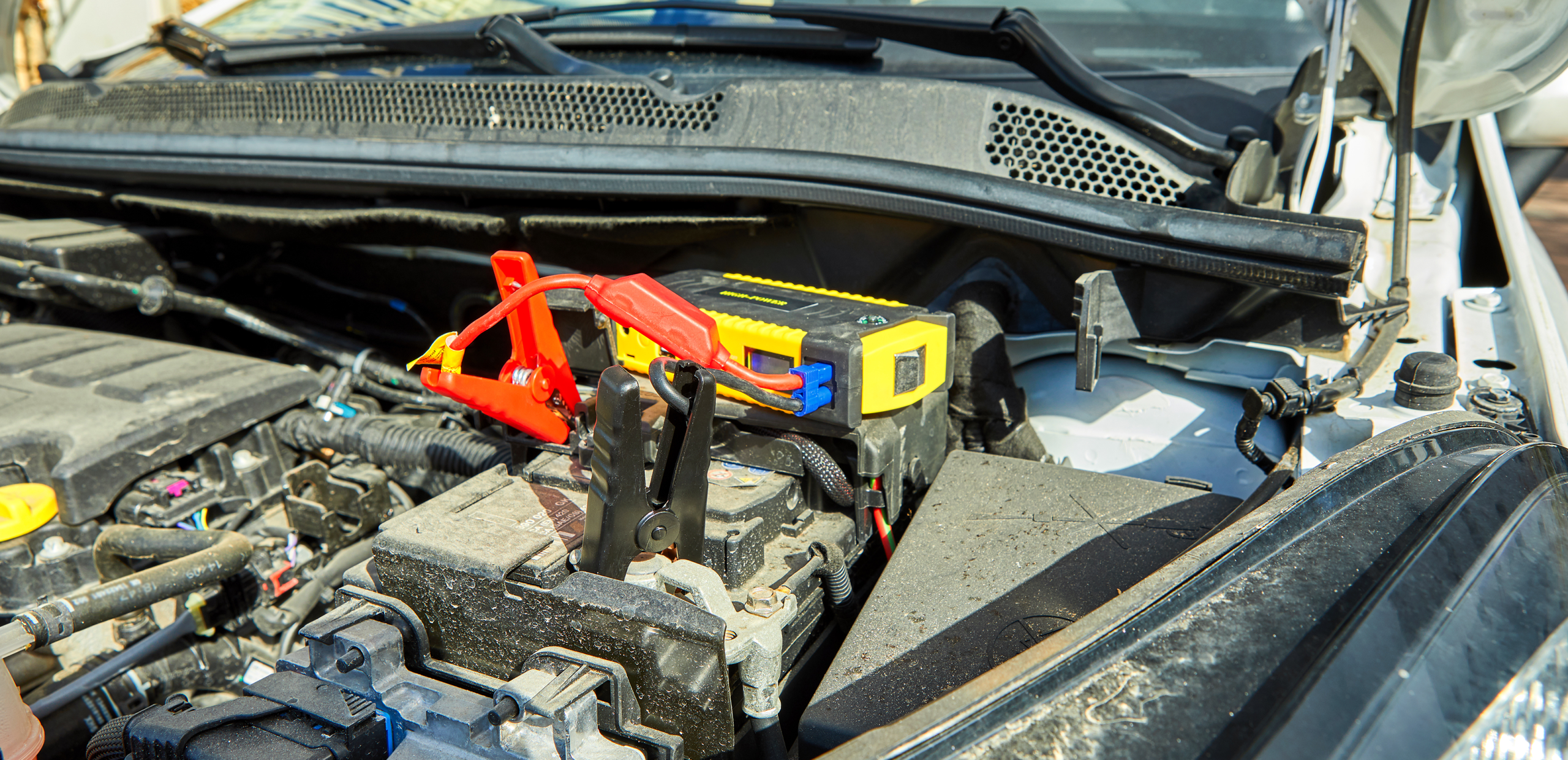
Imagine being in a rush to get to work, going out to your car, and turning the key, only to hear nothing. Inopportune times seem to be when dead car batteries strike. It would be a dreadful feeling to be stranded on the road, trying to figure out what to do in the meantime. At HCS Auto Repair, we have had quite a number of people tell their story about such situations!
Your car battery is the unsung hero of your vehicle, powering everything from your starter motor to your radio. Common reasons for dead batteries include:
- Leaving lights on overnight
- Extreme weather conditions
- Short trips that don’t allow full recharge
- Old age and natural wear
- Corroded terminals
- Parasitic electrical drains
The good news? You can prevent these battery disasters with five simple tips. We’ll show you how to keep your battery healthy, recognize early warning signs, and avoid the dreaded click of a dead battery. These practical solutions will help extend your battery’s life and keep you moving on Springdale roads.
1. Pay Attention to Your Car Battery
Your car battery is like the heart of your vehicle – it needs regular check-ups to stay healthy. A quick 5-minute inspection each month can save you from unexpected breakdowns and costly replacements.
Here’s what you need to watch for:
Battery Age: Most car batteries last 3-5 years. Mark your battery’s installation date and start planning for replacement as it approaches this age range.
Visual Signs: Look for:
- Bulging or cracked case
- Corroded terminals (white, green, or bluish material)
- Loose connections
- Low fluid levels (in batteries with removable caps)
Performance Changes: Pay attention to:
- Slower engine start
- Dimming headlights when idle
- Electrical system issues
Neglecting these warning signs can lead to:
- Sudden battery failure
- Damage to your car’s electrical system
- Higher replacement costs
- Unexpected breakdowns in inconvenient locations
From the countless cases we have attended at HCS Auto Repair, we’ve seen simple battery care almost always help prevent major issues. We regularly check batteries for these reasons, and want to help teach you how to perform basic inspections at home.
2. Simple Techniques to Extend Battery Life
A couple of minutes of battery care can save many hours of frustration in the future. Here is how to keep the battery strong:
Clean the terminals: A wire brush is the best tool to of remove corrosion from battery terminals; however, should you come upon stubborn corrosion, the mixture of baking soda and water will perform brilliantly.
Check hold-down: Ensure that your battery is firmly held down with its hold-down in the tray. A loose battery is free to shift while driving and might damage some internal components during the process.
Check cable connections: Ensure all cables are tight and properly connected. Loose connections can cause starting problems and shorten battery life.
Keep the top clean: Dirt and debris can form a path for the current to flow between the terminals, slowly discharging your battery.
Protect terminals from corrosion: A thin layer of dielectric grease or battery terminal protector will keep corrosion away and ensure good electrical contact.
At HCS Auto Repair, we recommend checking these points every 3-4 months. These simple practices take just minutes but can add years to your battery’s life.
3. Use a Trickle Charger for Optimal Charging
When an automobile sits idle, a trickle charger is a real friend to the battery. This clever device places a low amperage charge (generally anywhere from 2 to 10 amps) upon the car battery to maintain an optimum charge level and avoid the possibility of overcharging.
Think of the trickle charger as a gentle, slow power flow that keeps the battery in a state of readiness until required. It determines the level of charge left in the battery and then sets a charge rate that is preferred for that battery. It helps to keep the battery from losing power in months of non-use and leaves it fully charged without overcharging. After charging, the trickle charger turns off, so battery maintenance is easy and worry-free for owners.
Here are the major long-term benefits that a trickle charger has for your battery health:
- Extended Battery Life: Regular trickle charging can double your battery’s lifespan
- Reliable Starts: You’ll avoid those frustrating “dead battery” moments
- Cost-Effective: A small investment in a trickle charger saves money on battery replacements
- Peace of Mind: Perfect for vehicles you don’t drive daily
We at HCS Auto Repair recommended trickle chargers for vehicles that lie dormant for long periods of time, including seasonal vehicles, classic cars, along with recreational and backup vehicles.
Make sure the trickle charger is attached in a dry location with plenty of air circulation and that you follow all the instructions given by the manufacturer.
4. Avoid Short Trips Whenever Possible
Going out on those little errands to the corner store might seem well and good, but the reality for your car is they’re knocking out your battery’s life! Here’s how: your car alternator requires about 20 continuous minutes of running after each time the engine is started to fully recharge the battery.
How Short Trips Affect Your Battery
Short trips create a cycle that gradually depletes your battery:
- Starting your car uses a significant amount of battery power
- Brief drives don’t allow enough time for proper recharge
- Multiple short trips compound this effect
- Cold weather makes this issue even worse
Ways to Protect Your Battery
You can protect your battery by:
- Combining several errands into one longer trip
- Walking or biking for very short distances
- Letting your car run for a few extra minutes if you must make short trips
- Planning your route to maximize driving time when running multiple errands
If you usually make short trips, a higher cold cranking amp (CCA) capacity battery should be in your thoughts. These batteries are ideal for more frequent starts and demanding conditions.
5. Consider Other Factors That Can Drain the Battery
Your car battery faces invisible enemies that can secretly steal power from it. Let’s take on the major two: temperature extremes and parasitic drain.
How Temperature Affects Battery Life
Hot weather (above 90 degrees F) speeds up chemical reactions inside your battery, causing faster internal corrosion. Cold temperatures (below 32 degrees F) reduce your battery capacity to produce the power needed to start your car. Parking in a garage may help shield your battery from such extremes.
Parasitic Drain: Silent Killer of Batteries
This happens when the electrical system of your car draws very tiny amounts of power even after you have switched off the engine. While some drain is normal for systems like:
- Clock
- Security system
- Radio presets
Excessive drain can occur from:
- Faulty trunk or glove box lights that won’t shut off
- Aftermarket devices left plugged in
- Corroded or damaged wiring
Quick Tips to Prevent Battery Drain
Unplug phone chargers and USB devices when leaving your car. Check that all lights turn off when doors close. Install a battery disconnect switch for long-term parking. Get your electrical system checked if you notice an unusual battery drain.
At HCS Auto Repair, we can help identify hidden sources of battery drain and recommend the best solutions for your specific vehicle.
Recognizing Signs of a Dying Battery and Taking Action
Your car battery sends clear distress signals before it completely fails. Here’s what to watch for:
Key Warning Signs:
- Engine turns over slowly or makes clicking sounds
- Dim headlights, especially when idling
- Battery warning light illuminates on dashboard
- Electrical components behaving erratically
- Swollen battery case
- Sulfur-like smell near the battery
Essential Routine Checks:
Checking your battery voltage every month is one way to keep it at an optimal level of 12.6 volts. This is accompanied by inspecting battery-top levels in each cell so as to avoid premature failure of the battery. Should terminal corrosion start to build up, routine cleaning is recommended to keep power flowing freely throughout, while sightings of overheating can be addressed once detected by keeping the battery well-ventilated. Occasionally check for loose joints and damaged cables or wires since the more they stay unchecked, the more serious battery problems can develop.
From our team here at HCS Auto Repair shops, we advise having your battery health tested every 3 to 4 months. A quick voltage test can save potential issues for you from experiencing the trauma of having a dead battery stuck at some far limbo. Regular maintenance identifies problems early on and will prevent headaches later on.
Bear in mind: A battery usually gives a warning of 2 to 3 weeks before it completely goes out. Never ignore the warning signs; that is your battery asking for help.
An actively maintained battery is a prerequisite for the reliability of the vehicle and for proper vehicle performance. The ASE-certified technicians at HCS Auto Repair in Springdale, AR, will gladly assist you in applying these battery care tips so that the vehicle keeps running well.
Don’t get left stranded with battery issues. Get your battery tested today at our repair shop. Our trained technicians will do comprehensive battery testing, clean and examine terminals, and check the function of your charging system. If need be, we’ll even provide replacement recommendations so your car continues to run smoothly on the road.
Ready to protect your car battery? Stop by HCS Auto Repair in Springdale, AR, or call us at (479) 751-8232 to arrange an appointment. We’d be glad to assist you in keeping your car running like new with our professional auto repair services.
Your trusted partner in automotive care since 1988