
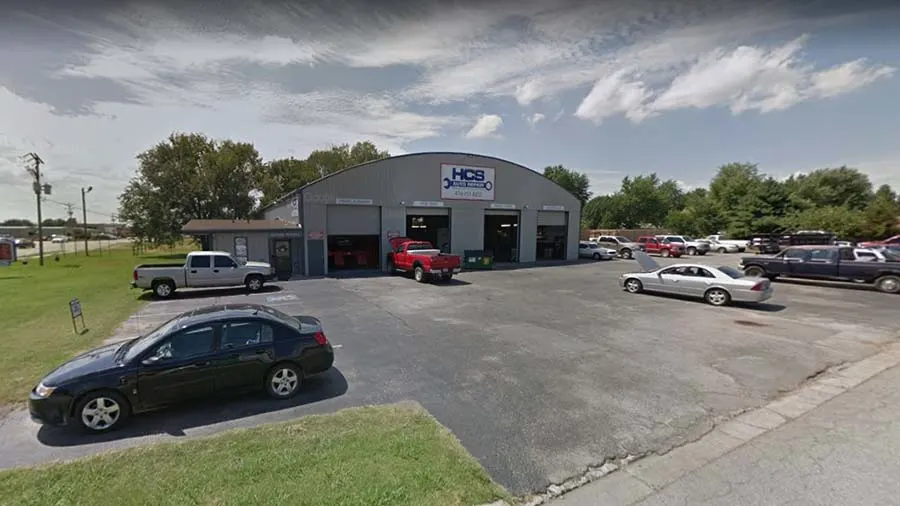
Your vehicle is more than a mode of transportation, it’s an investment in your safety, comfort, and economic well-being. At HCS Auto Repair, we know the fine line between maximizing the value of your vehicle and recognizing when change is essential.
Whether to keep or replace your vehicle is not always an easy decision. It involves weighing many considerations. Technological developments and safety standards are important considerations, as are maintenance and repair frequency and cost. Vehicle performance and reliability, as well as resale value potential, must also be considered.
Each car possesses a best lifetime depending on some considerations. Make and model details determine the inbuilt longevity of your car, while your usage pattern and circumstances also determine your car’s lifetime. A car’s maintenance record forms a definite impression about the maintenance level of the car for a period of years. Further, climatic conditions prevalent at your location also weigh heavily upon the wear and tear of your car and therefore form an integral consideration for establishing its lifetime.
Understanding these factors helps you make the most informed choices about your car’s future. Whether you’re driving a newer car or a trusty older model, understanding when to invest in repairs or when to start shopping for a replacement can save you money and keep you safe on the road.
1. Mileage and Wear
Your vehicle’s mileage tells a great deal about its past life. With the odometer continuously turning, different parts undergo normal wear and tear that may influence your vehicle’s performance and dependability.
The today’s cars can travel 150,000 to 200,000 miles provided they are well-maintained. This figure is widely used as a threshold for measuring your vehicle’s life. But such figures are relative – they differ significantly with:
- Driving conditions – Highway miles cause less strain than city driving
- Climate exposure – Extreme temperatures accelerate wear
- Vehicle make and model – Some brands are built for longer lifespans
- Maintenance history – Regular care extends vehicle life
Your Car’s Longevity and Maintenance Requirements
The life of your automobile depends greatly on upkeep. Oil changes, for instance, get your engine running smoothly and efficiently, while tire rotation and alignment keep them evenly worn and provide your vehicle with optimal handling. Diagnostic checks on the braking system are essential to your vehicle performance and safety, and fluid level checks regularly avert system collapse. Moreover, belt replacement at the right time is essential to eliminate surprise breakdowns and preserve the mechanical integrity of your vehicle.
Here at HCS Auto Repair, we’ve had properly cared-for vehicles exceed 250,000 miles with consistent performance. The secret is to fix little problems before they become big ones. Use maintenance as an investment – each dollar you put into maintenance will save you a few dollars down the road in repairs.
Various vehicles exhibit varied patterns of wear. Luxury cars can need expert servicing at more regular intervals, but most Japanese and Korean cars are well-known to live well into middle age with good care. Your driving style and the state of your roads also greatly impact how fast your car builds up wear.
2. Maintenance Costs
As your car gets older, repair bills can start to pile up. A common pattern often emerges: what begins as regular maintenance gradually turns into more frequent and expensive repairs. Here’s a practical way to keep track of your maintenance costs:
- Keep a detailed record of all repair expenses
- Calculate your average monthly maintenance cost
- Compare this amount to a potential car payment
A good rule of thumb is that when your yearly maintenance costs exceed 40% of your car’s current value, it’s time to think about replacing it. Let’s break this down with a real example:
For a car worth $8,000:
- Annual maintenance threshold: $3,200
- Monthly maintenance budget: $266
Common Age-Related Repairs:
- Transmission replacement: $2,500-$4,500
- Engine overhaul: $2,500-$4,000
- Suspension system repair: $1,000-$3,500
- Electronic system repairs: $500-$2,000
The model and make of your vehicle are significant determinants of these expenses. Some vehicles continue to be reliable years after they have been in use, while others turn into money pits. We help you here at HCS Auto Repair compare these expenses with the value and performance of your vehicle so that you can make an informed and cost-saving decision on whether to replace or repair your vehicle.
Pro tip: If you’re paying more in repair than you would in monthly payments on a newer, more reliable car, it’s probably time to begin shopping. Consider both the upfront repair expense as well as the opportunity for future repairs when making your decision.
3. Technological Advancements and Safety Considerations
Modern automotive technology has transformed the driving experience. Your older vehicle might not have important safety features that could protect you and your loved ones on the road. Let’s take a look at what you might be missing:
Advanced Safety Features in New Models:
- Automatic Emergency Braking
- Lane Departure Warning Systems
- Blind Spot Detection
- Adaptive Cruise Control
- 360-Degree Camera Systems
- Forward Collision Warning
These abilities don’t simply make life simpler – they prevent accidents and save lives. A 2020 car with safety features can respond to hazardous conditions before the human body can.
Smart Technology Integration
New vehicles come with high-end technology that enhances not only safety but also convenience. Smartphone connectivity seamlessly incorporates your phone into your vehicle’s system, and real-time directions navigate you everywhere. Voice control provides hands-free operation of most features, and sophisticated diagnostic systems monitor your vehicle’s performance around the clock. These functions coexist to give you a more integrated, more secure driving experience and allow you to keep your eyes on the road. Intuitive diagnostic systems are an early warning system, warning you of problems before they become major issues.
Inspecting Your Vehicle’s Safety Status
As vehicles age, their safety features become weaker and need to be monitored closely. Your airbag system needs to be checked periodically to guarantee proper deployment in case of an accident. Anti-lock braking capability needs to be tested periodically to maintain stopping power at its best. Your car’s stability control system needs to be checked periodically to guarantee that it acts correctly in case of an emergency. Tire pressure monitoring systems’ precision deteriorates with time and must be cross-checked with manual reading. Further, backup camera systems must be checked regularly to provide correct visibility while reversing.
Professional checks may reveal whether your vehicle’s safety gear is in optimal condition. If your car is more than five years old, HCS Auto Repair suggests having it inspected every 12 months.
Safety Standards Evolution
Each year brings stricter safety requirements and improved protection systems. A five-year-old car may be missing as much as 40% of the safety features of newer cars. Such innovations translate to improved performance on the part of new cars in crash tests and greater protection in actual situations on the road.
Think about replacing your car if it does not come equipped with some basic contemporary safety features. Protecting you and your passengers should be a consideration in your ownership choices.
4. Resale Value and Trade-In Factors
Your vehicle’s resale value is also an important factor in maximizing your return on investment. As soon as you drive a new car off the lot, it will start to depreciate – losing 20-30% of its value in the initial year alone.
Several key factors influence your car’s resale value:
- Make and Model Reputation: Certain brands hold their value better than others. Toyota, Honda, and Subaru typically maintain strong resale values due to their reliability reputation
- Vehicle Condition: Regular maintenance, documented service history, and keeping your car clean both inside and out
- Mileage: Lower mileage vehicles command higher resale prices
- Market Demand: Popular vehicle types like SUVs and trucks often retain value better than sedans
- Color and Features: Neutral colors and desirable features can positively impact resale value
The optimal time to sell or trade your car is usually years 3-5 of ownership. Your vehicle continues to hold a high percentage of its original value within these years while skipping the more precipitous depreciation curve that comes later.
Strategic Timing for Your Car Sale
A well-timed sale of your vehicle can actually save you thousands of dollars in the long term. It is worth trading in your car before it needs serious repairs so that this will have a huge effect on your price. Monitoring trends in your particular model can assist you in identifying the best time to sell, and considering a sale when your warranty is about to expire can save you money on out-of-pocket repair expenses.
Also, timing your sale prior to major milestones, like reaching 100,000 miles on the odometer, will keep a higher resale value, since many people do not want to buy cars that have passed these milestones.
Your car’s service history from reputable mechanics, such as our staff at HCS Auto Repair, can help prove its worth to potential buyers.
Making an Informed Decision on Your Car’s Lifespan
Your vehicle’s existence is dependent upon several variables – from maintenance history to technological prowess. The predicament lies in achieving the best balance among worth, reliability, and security.
We suggest a number of important strategies for ensuring your vehicle’s longevity. Periodic professional inspections are necessary to detect potential problems before they become more significant issues. Maintaining thorough maintenance records assists in monitoring your vehicle’s maintenance history and conveys proper care to prospective purchasers. To make financially good decisions, one must also constantly compare repair expenses with your car’s present value.
Also, knowing about the safety features of newer models allows you to make knowledgeable comparisons between your current vehicle and newer models and determine when it might be time to get a new one.
At HCS Auto Repair, we are committed to helping you make knowledgeable choices about your vehicle’s future. Our ASE-certified technicians can assess its condition and provide you with professional guidance on its possible longevity.
Need help evaluating your car’s lifespan? Call us at (479) 751-8232 – we’ll help you make an informed decision that prioritizes both your safety and your investment.