
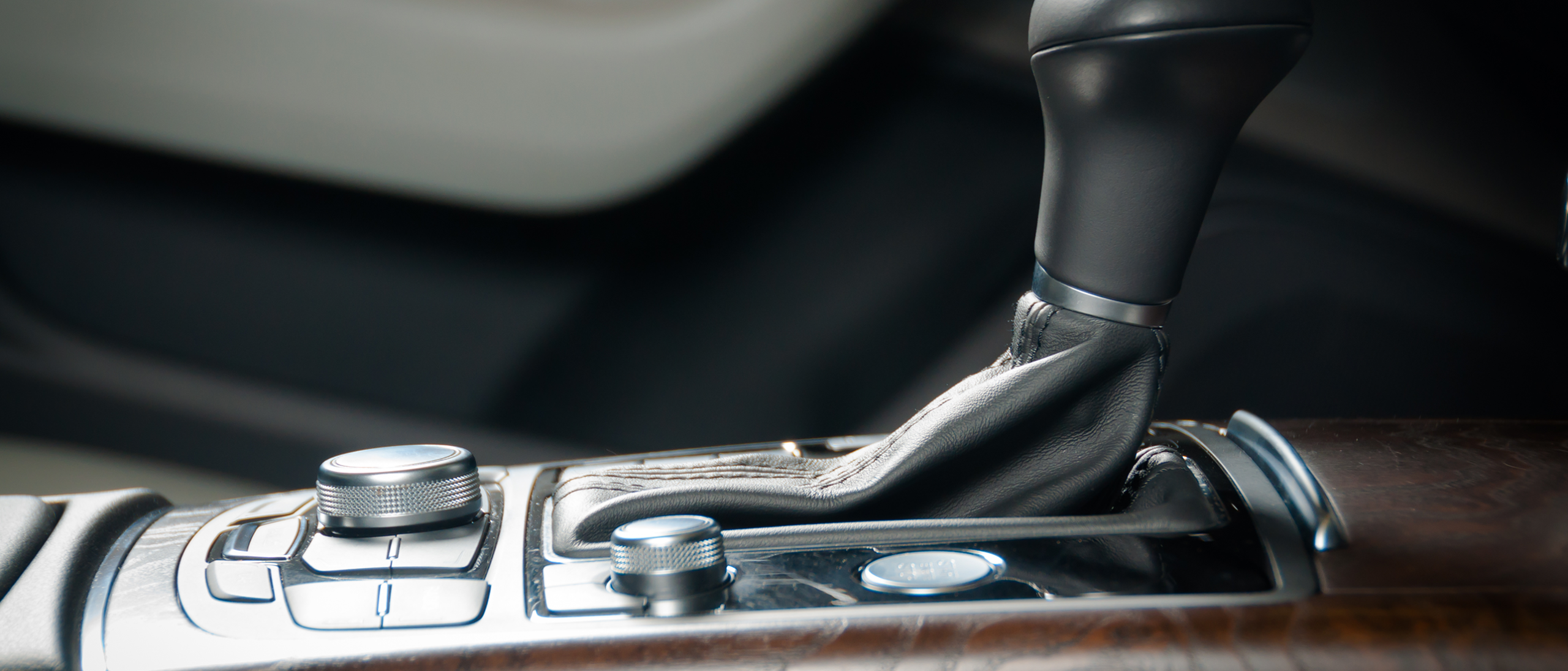
Stick shift vehicles provide you with a one-of-a-kind driving experience, improved gas mileage, added control, and that great synergy between you and the motor. But driving a stick shift is less about how you drive the car and more about how to change gears while driving. How you maintain your manual transmission has a direct effect on how long your car will last, how well it will perform, and how hard your wallet is his when scheduling repairs.
Bad driving habits can turn your favorite stick shift into a costly nightmare. Unusual clutch behavior, incorrect ways of shifting, and disregard for proper maintenance can cause a chain of issues:
- Premature clutch replacement costs thousands of dollars
- Decreased fuel efficiency is draining your budget at the pump
- Engine damage from improper RPM management
- Transmission wear is leading to expensive repairs
At HCS Auto Repair in Springdale, our ASE-certified mechanics see for themselves how easy it is for common mistakes at the wheel to ruin manual transmission systems. Since 1988, we’ve directed motorists away from costly mistakes with tried-and-true service and simple driving tips.
Mastering Manual Transmission Basics
Your clutch is a sophisticated system of synchronized components that cooperate to transfer power from your engine to your wheels. Your clutch disc is the middleman between your transmission pressure plate and your engine flywheel, the critical linkage over which you are allowed to control power transfer. When you press in your clutch pedal, you’re placing this linkage between, allowing you to shift gears smoothly without grinding or crushing internal components.
The Significance of Clutch Operation
The operation of the clutch is an art and not a matter of brute strength. Smooth engagement avoids overheating that can twist your flywheel or cause early wear on the clutch disc itself. Jerky movement on the clutch will unnecessarily put your starter motor under stress when the engine starts, resulting in costly electrical repair in the long run.
How Gear Shifting Impacts Engine Health
Smooth shifting is key to proper RPM range achievement and engine health. When you’re in the proper gear for your speed and conditions, you’re:
Preventing engine lugging at low RPMs that puts a strain on internal components.
Avoiding over-revving that destroys valves and pistons
Ensuring efficient burning of fuel for improved economy
Keeping carbon deposits out of combustion chambers
Every time you change gears, you can preserve your engine or ruin it. With these basics in your hands, you can make choices that allow your car to move for a longer time when it is in optimum performance and peak fuel efficiency.
Common Mistakes to Avoid When Driving a Manual Transmission
Manual transmission driving requires precision and practice. Even long-time drivers form bad habits that slowly demolish their car parts and create a hole in their wallet. The following are the most important errors you must correct in order to safeguard your investment and provide smooth performance.
1. Riding the Clutch
Riding the clutch is a condition where your foot is placed on the clutch pedal partially while driving, causing the clutch disc to slip over the flywheel. This harmless-sounding condition produces unwanted friction and heat that can cause much quicker wear on the clutch.
When you ride the clutch, the repeated slippage produces heat of as much as 1,000°F. This intense heat warps the clutch disc, annihilates the pressure plate, and even breaks the flywheel. The cost hurts your wallet – a new clutch alone will cost you from $1,200 to $2,500, depending on your car.
The loss is not just to the clutch itself. Riding the clutch affects engine lubrication efficiency because the engine must labor more to maintain power when the clutch is slipping. This increased load increases engine temperatures and oil breakdown rates, reducing the oil’s resistance to damaging important engine components. You’ll also experience reduced fuel economy because there’s no room for improvement if your engine is constantly fighting against a slipping clutch and using more fuel to maintain the same speed.
2. Foot on the Clutch Pedal
Drivers often unconsciously place their left foot on top of the clutch pedal when cruising. This innocent-looking habit results in part-time clutch engagement that wears out the clutch earlier and produces unusual engine noises that are harbingers of future problems.
Even light pressure on the clutch pedal keeps the clutch from engaging entirely, with the release bearing constantly rubbing against the pressure plate fingers. This constant rubbing soon wears out the release bearing and causes a grinding sound on starting up the engine that heralds that costly repairs are imminent.
The partial use also hinders your engine’s efficiency. As the power is not efficiently transmitted using a non-engaging clutch, your engine will have to labor more and burn more fuel. You might notice:
- Grinding sounds when starting the engine
- Squealing noises during acceleration
- Reduced acceleration despite pressing the gas pedal
- Higher fuel consumption for the same driving distance
3. Improper Gear Selection
Using the incorrect gear for your driving situation is putting monstrous stress on your engine and transmission. The two most common conditions cause the most harm: lugging your engine in too high a gear and over-revving in too low a gear.
Lugging is when you attempt to speed up in too high a gear for your speed. The engine cannot supply power at low RPMs, and it pings or knocks and shows abusive combustion patterns. Lugging destroys pistons, connecting rods, and cylinder walls and decreases engine life dramatically.
Over-revving occurs when you’re in a low gear for a long time, subjecting engine RPMs to over-the-optimum levels. High RPM puts additional stress on all moving components and limits fuel economy improvement potential. Your engine burns way more fuel as it creates excessive heat that affects engine oil faster.
The best strategy is to coordinate your gear shifting with engine speed and load:
Upshift when engine RPM approach 2,500-3,000 during normal driving
Downshift prior to engine lugging (typically below 1,500 RPM)
Listen to your engine – it will let you know if it’s working too hard or revving too high
Manual Transmission Vehicle Key Maintenance Tips
Maintenance is the center of making your manual transmission last. It’s just providing proper attention to the engine and cooling system components, which work together to make your vehicle move smoothly.
Regular Oil Changes and Engine Care
Your oil change interval is a concern for your manual transmission car’s well-being. High-performance motor oil gives full lubrication to your engine, reducing wear on parts and inhibiting harmful sludge buildup that clogs important passageways. Neglecting oil changes or the use of cheaper oil will establish sludge buildup throughout your entire engine, reducing transmission and engine performance.
New oil lubricates, takes heat and grime away, and gives your hydraulic components in your clutch system much-needed assistance. Grubby oil, conversely, wears down and makes your engine work more and can lead to early transmission-related wear on parts. To get optimum performance, apply manufacturer-specified oil-change intervals with top-shelf motor oil.
Cooling System Maintenance
Your cooling system is also important for safeguarding transmission-related components against heat damage. The water pump and the radiator cooperate to pump coolant into your engine, avoiding overheating that causes transmission housings to warp or destroy clutch parts.
The value of keeping your cooling system in check cannot be overstated, since overheating will cause significant problems in your drivetrain. Watch for these signs of water pump failure:
Green, orange, or red coolant leaks in puddles on the ground below your car
Grinding or whining sounds in the front of your engine
Rust or corrosion on the housing for the water pump
Overheating engine when coolant levels are in the proper range
Treating the symptoms ahead of time avoids damage to your engine and heat stress on your manual transmission. Regular coolant flushing and system inspections can identify problems before they are expensive repairs that will leave your car in the shop for weeks.
Recognizing Warning Signs of Transmission or Engine Troubles
Your manual transmission car speaks of possible issues in a range of odd-sounding and visual signals that require your immediate attention. Being able to recognize these odd engine noise meanings and dangers can save you in terms of cost and roadside failure.
Strange Noises Under Hood
Various odd noises present different mechanical problems that can impact your manual transmission operation:
Squealing belts – A squeal above an average level usually means that your serpentine belt is worn out or out of adjustment. It drives important accessories like your alternator, water pump, and power steering pump. Once it’s damaged, it puts a ripple effect on your electrical system and cooling capacity.
Hissing noises – These are usually indicative of vacuum leaks in your engine’s intake system. Vacuum leaks interfere with the air-fuel mixture, resulting in rough idling and slow acceleration, which makes it more difficult to get smooth gear shifts.
Grinding or whining – These starting noises may indicate starter motor or flywheel issues, directly hindering your ability to utilize the clutch.
Ticking or clicking – The presence of high-rate clicking sounds could suggest low oil pressure or worn-out engine components that must be checked immediately.
Dashboard Warning Lights & Electrical Signs
The dashboard warning light for alternator failure serves as your first line of defense against electrical system breakdown. When your alternator begins failing, you’ll notice:
- Dimming or flickering headlights and dashboard lights
- Battery warning light illumination
- Electrical accessories are operating intermittently
- Strange under-hood noises from the alternator area
Electrical issues create a cascade of problems for manual transmission drivers. A failing alternator reduces battery charging capacity, leading to weak spark plugs, poor fuel injection timing, and erratic engine behavior. These conditions make precise clutch engagement and smooth shifting nearly impossible.
When any warning lights appear on your dashboard, schedule diagnostics with us at HCS Auto Repair immediately! Our ASE-certified technicians use advanced diagnostic equipment to identify electrical problems before they compromise your manual transmission’s reliability and your driving confidence.
Driving Tips Specific to Manual Transmission Owners in Desert Climates like Springdale, AR
Desert climates also call for special caution in the prevention of overheating when driving cars with manual transmissions. Desert climates’ extreme heat presents challenges that can destroy your car’s performance and lifespan.
Handling Oil Degradation
Desert heat hastens oil breakdown at a breakneck speed. Your engine oil breaks down quicker in hotter temperatures, losing its protective features and lessening its ability to lubricate vital components. It impacts your manual transmission directly from the engine and transmission collaborate to transmit power to your wheels.
Steps to Combat Oil Degradation
In these conditions, heat-resistant oil formulations become essential. You’ll need to:
- Switch to high-quality synthetic oils designed for extreme temperatures
- Increase oil change frequency beyond manufacturer recommendations
- Monitor oil consistency and color more frequently between changes
Prioritizing Coolant System Maintenance
Coolant system maintenance takes on critical importance in desert climates. Your cooling system works overtime to prevent engine overheating, which can lead to catastrophic damage, including cracked engine blocks. The constant strain on cooling components means:
- Coolant levels require daily monitoring during the summer months
- Radiator and hoses need regular inspection for wear and leaks
- Water pump performance becomes crucial for preventing overheating episodes
Mastering Clutch Technique
Drivers using manual transmissions have it even worse because the operation of the clutch produces more heat. Good clutch technique is even more essential when it’s extremely hot outside because accumulated heat can lead to premature clutch failure and the loss of shifting smoothness.
When to Have HCS Auto Repair Experts On Board
Your manual transmission vehicle communicates through clear signs of trouble that are impossible to overlook. Slipping transmission when changing gears means internal wear that needs to be investigated right away by experts. Pay attention if the engine revs but fails to enjoy any resultant acceleration, or if the gears fail to shift smoothly; both are warning signs of serious problems with the transmission that can rapidly degenerate further without expert help:
Atypical noises during shifting require professional inspection. Grinding, whining, or clicking noises usually signal worn-out synchronizers, broken gear teeth, or clutch issues calling for technical analysis. These noises normally grow worse over time and may result in full transmission failure if ignored.
Routine electrical problems that undermine your driving confidence call for the expertise of professional car repair. Erratic dashboard lights, starting problems, or unpredictable car performance may be caused by alternator malfunction, faulty electrical wiring, or sensor malfunction that invade your manual transmission capacity and overall automobile reliability.
Our ASE-certified technicians have years of experience with car repair services that Springdale, AR, families rely on. Our thorough examinations identify issues before they turn into expensive repairs, and our advanced knowledge of manual transmissions correctly diagnoses and successfully repairs them.
When you experience any combination of these, professional diagnosis safeguards your investment and avoids minor issues from evolving into expensive transmission rebuilds or replacement.
Choose HCS Auto Repair
Your manual transmission car is worthy of expert attention to provide the performance and dependability you desire.
We recognize the distinct issues manual transmission drivers encounter. Our ASE-certified mechanics have been serving Springdale since 1988, using expert expertise to keep your car performing at an optimal level. Clutch problems, unusual shifting sounds, or regular maintenance – we’re here to cover every detail of manual transmission maintenance.
Don’t let minor issues become major expenses. Trust your vehicle to professionals like us who understand the intricacies of manual transmissions and the specific demands of Arkansas driving conditions.
Ready to give your manual transmission the expert attention it deserves? Call us at (479) 751-8232 today and experience the difference that comes from working with a team dedicated to keeping Springdale drivers confidently on the road. Your transmission, and your wallet, will thank you.