
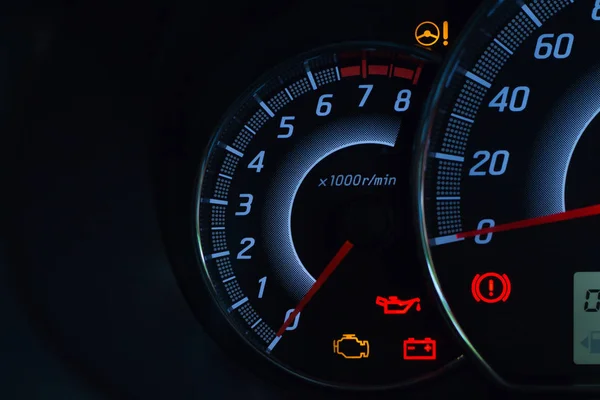
Is your car’s speedometer acting strangely? A wobbling speedometer is more than a pesky dashboard readout, it’s a red flag from a problem that needs to be fixed immediately.
What usually happens: You’re cruising along, and guess what? Your speedometer begins to jerk from 0 to random RPMs. That is the precise experience of one car owner in our shop who believed he needed to have the entire transmission rebuilt because of odd shifting and sticky gear engagement.
These symptoms can indicate:
- Dangerous transmission behavior
- Unreliable speed readings
- Potential safety risks while driving
- Costly repair bills if left unchecked
A faulty speedometer affects not just your capacity to track your speed – it might be affecting your transmission’s performance and creating hazardous driving situations. Your vehicle’s computer needs good speed information in order to regulate transmission shifting, so accurate operation of your speedometer is vital to the well-being of your car.
Continue reading to learn more about what, in some cases, seems like a major transmission failure turned out to be something much simpler – and less expensive to fix.
Understanding the Issue
When your speedometer becomes erratic, metal shavings could be the sneaky perpetrator. These small magnetic particles tend to find their way onto speed sensors, interfering with their capacity to provide an accurate reading of vehicle speed and impacting transmission performance.
How Metal Shavings Affect Your Vehicle:
- Create interference with magnetic field readings
- Disrupt speed sensor functionality
- Lead to inaccurate speedometer readings
- Cause harsh, unpredictable gear shifts
The speed sensor uses a magnetic field to calculate vehicle speed by monitoring a tone ring’s rotation. Metal shavings clinging to the sensor’s magnetic surface distort these readings, sending incorrect signals to your vehicle’s computer.
Signs of Speed Sensor Issues:
- Jumping speedometer readings
- Sudden harsh shifts
- Delayed gear engagement
- Inconsistent transmission behavior
A proper diagnosis starts with checking transmission trouble codes through a scan tool. In some cases, these codes might not appear immediately, making visual inspection of the speed sensor crucial. The sensor’s location varies by vehicle model – it might be found in the transmission, transfer case, or wheel hub.
Expert Tip: Regular transmission maintenance helps prevent metal shaving buildup and protects your speed sensors from damage.
The presence of metal shavings often indicates wear within the transmission or transfer case components. Early detection and removal of these particles can prevent more serious transmission problems and costly repairs.
The Diagnostic Process
The technician’s systematic approach began with a thorough scan tool analysis. During the initial diagnostic phase, the scan tool revealed several codes:
- Mass airflow sensor codes
- O2 sensor heater circuit code (Bank 1)
- ABS module code C0265 (electronic brake control module relay circuit)
A critical discovery emerged during the vehicle inspection – the check engine light failed to illuminate during the self-test procedure. This indicated three possible scenarios:
- Removed the bulb from the instrument cluster
- Damaged ECM circuit
- Blown light bulb
The diagnostic process shifted to a test drive, revealing:
- Erratic speedometer readings
- Harsh transmission shifts
- Inconsistent gear engagement
Following the road test, the technician performed a detailed under-vehicle inspection. The investigation focused on the transfer case speed sensor – a magnetic pickup device working with a tone ring on the output shaft.
The visual inspection uncovered significant metal shavings attached to the sensor’s magnetic component. These metal particles disrupted the sensor’s ability to:
- Read the tone ring rotation accurately
- Calculate the proper wheel speed
- Send correct speed signals to the ECM
The diagnostic findings pointed to a clear path forward – the speed sensor needed replacement, and the transfer case required fresh fluid to ensure optimal performance.
Identifying Solutions and Implementing Fixes
Once our experts discovered metal shavings on the magnetic speed sensor, they employed a focused repair process. The metal shavings cut the sensor from measuring the magnetic field of the tone ring precisely, resulting in unpredictable transmission and speedometer output patterns.
Key Repair Steps:
- Removed the output shaft speed sensor from the transfer case
- Cleaned the mounting area to ensure proper sensor contact
- Installed a new sensor with clean magnetic surfaces
- Performed a complete fluid exchange in the transfer case
Metal shards in your transmission system act like interference in a radio signal. When these particles collect on magnetic sensors, they disrupt the vital speed readings your transmission needs for proper shifting. This disruption creates a domino effect:
- Inaccurate vehicle speed readings
- Harsh, unpredictable gear changes
- Potential long-term transmission damage
The combination of a new sensor and fresh fluid creates optimal conditions for accurate speed readings and smooth shifting. This repair approach often saves vehicle owners thousands of dollars by avoiding unnecessary transmission replacement.
Warning Signs to Watch For:
- Jumping speedometer readings
- Harsh or delayed gear shifts
- Inconsistent transmission behavior
These symptoms might indicate similar sensor issues in your vehicle, requiring immediate attention to prevent more severe transmission problems.
Testing Results After Repairs
The test drive after the repair revealed huge improvements in the performance of the car. The speedometer was giving accurate readings, unlike previously, when it was unpredictable. All shifting between gears occurred smoothly, which indicated that the transmission was reacting appropriately to the speed of the vehicle.
Key Tests Conducted
One important test we did was to accelerate fully while driving over a bridge. This was done to check if the shifting patterns were consistent. During this test, we observed the following:
- Clean and precise gear changes
- Smooth delivery of power
- No harsh engagement
- Stable readings on the speedometer
Diagnostic Results
The diagnostic tests also showed that the transmission itself was in good shape. This indicated that we did not have to spend money on rebuilding or replacing it. The problems that we were experiencing vanished once the speed sensor could transfer data pertaining to the speed of the car to the transmission control module.
Key Insight Derived
This experience taught us something valuable: if we do nothing about a bad speed sensor, it will ruin the transmission due to the aggressive shift patterns it puts the transmission through. Through our successful fix, we prevented our customer from having to unnecessarily replace their transmission and got their car running fully functional again.
Choose HCS Auto Repair
If your car’s speedometer is not functioning properly, it is best that it be diagnosed by a reputable auto repair shop. We at HCS Auto Repair have been catering to car owners with their car issues since 1988. Our experienced auto technicians in Springdale, AR, are well-versed and equipped with the newest diagnostic tools to identify and repair any defect.
We think it’s important to treat you like family, and that means being upfront with you about what’s going wrong with your vehicle and getting the job done right. Whether you’ve got a simple maintenance requirement or a tough transmission repair, we’ll get you driving safely once again.
In need of having your speedometer repaired? Have us call you at (479) 751-8232 or visit our Springdale store. Let us repair your car and give you the great service that we’ve been known for the last 30 years.