
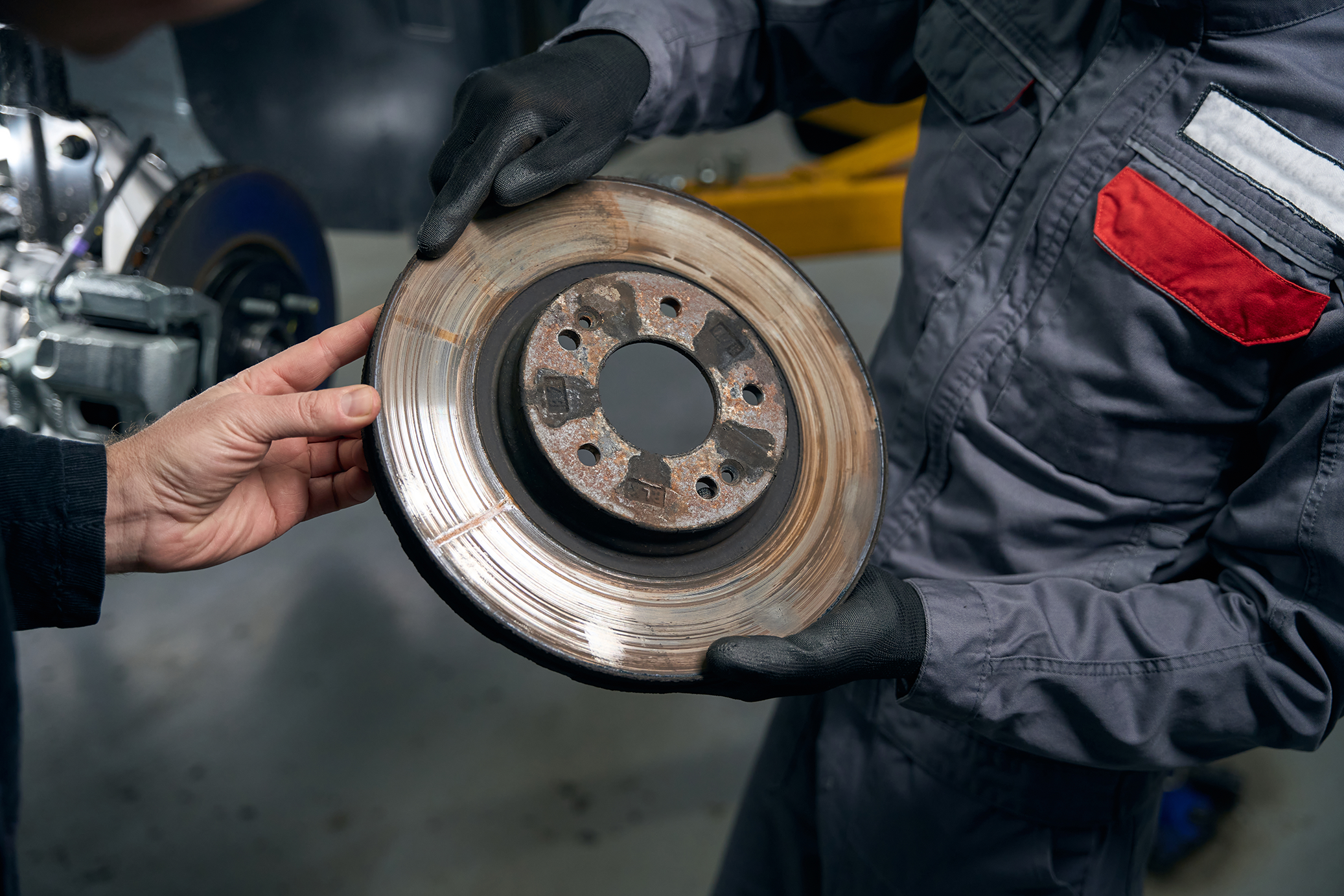
When it comes to vehicle safety, few components are as critical as the braking system. Your brakes are your primary means of controlling your vehicle’s speed and stopping it, making them an essential part of your driving experience. We believe that understanding how your brakes work is crucial for every driver. Check out the mechanics of braking systems, the importance of regular maintenance, and the potential consequences of ignoring brake issues.
Understanding the Basics of Braking Systems
Types of Braking Systems
Braking systems can generally be categorized into two main types: disc brakes and drum brakes. Each has its own mechanism for slowing down or stopping a vehicle.
- Disc Brakes: Most modern vehicles are equipped with disc brakes on the front wheels, and many also have them on the rear. In a disc brake system, a brake disc (or rotor) is attached to the wheel. When you press the brake pedal, hydraulic fluid forces a caliper to squeeze brake pads against the disc, creating friction that slows the wheel down.
- Drum Brakes: While less common in newer vehicles, drum brakes are still found on some cars, particularly in the rear. In this system, brake shoes press against the inner surface of a drum to create friction. Drum brakes can be less efficient than disc brakes but are often used for their cost-effectiveness.
The Components of a Braking System
Regardless of the type, a braking system consists of several key components:
- Brake Pedal: The driver activates the braking system by pressing the brake pedal, which is connected to the master cylinder.
- Master Cylinder: This component converts the mechanical force from the brake pedal into hydraulic pressure, sending brake fluid through the system.
- Brake Lines: These carry the hydraulic fluid from the master cylinder to the brake calipers or wheel cylinders.
- Brake Calipers: In disc brake systems, calipers hold the brake pads and apply pressure to the rotor when the brakes are engaged.
- Brake Pads/Shoes: These components create friction against the rotors or drums, slowing the vehicle down.
- Rotors/Drums: These are the surfaces against which the pads or shoes press to create stopping power.
How Brakes Work
When you press the brake pedal, the following sequence occurs:
- Pedal Activation: The driver presses the brake pedal, which activates the master cylinder.
- Hydraulic Pressure: The master cylinder generates hydraulic pressure that travels through the brake lines.
- Brake Engagement: The hydraulic pressure forces the brake calipers (in disc brakes) or wheel cylinders (in drum brakes) to engage the brake pads or shoes against the rotors or drums.
- Friction Creation: The contact between the pads/shoes and the rotors/drums creates friction, which slows down the vehicle.
- Vehicle Stopping: The vehicle decelerates and comes to a stop as long as the brake pedal is pressed.
Anti-lock Braking System (ABS)
Many modern vehicles are equipped with an Anti-lock Braking System (ABS) designed to prevent the wheels from locking up during hard braking. ABS uses sensors to monitor wheel speed and modulates brake pressure to maintain traction. This system allows for better control during emergency stops and can significantly reduce stopping distances on slippery surfaces.
The Importance of Brake Maintenance
Regular Inspections
Regular brake inspections are crucial for ensuring your vehicle’s safety. At HCS Auto Repair, we recommend having your brakes checked at least once a year or more frequently if you notice any signs of trouble. During an inspection, our technicians will assess the condition of the brake pads, rotors, and fluid, looking for signs of wear or damage.
Signs of Brake Problems
Ignoring brake issues can lead to severe consequences, including brake failure. Here are some common signs that you may need to have your brakes inspected:
- Squeaking or Squealing Sounds: This noise often indicates that your brake pads are worn and need replacement.
- Grinding Noises: If you hear grinding when applying the brakes, it could mean that the pads have worn down completely, and metal is grinding against metal.
- Vibrations: If you feel vibrations in the brake pedal, it could indicate warped rotors or issues with the brake calipers.
- Pulling to One Side: If your vehicle pulls to one side when braking, it may indicate a problem with the brake system on one side.
- Warning Lights: Many modern vehicles have a brake warning light on the dashboard. If this light illuminates, it’s essential to have your brakes checked immediately.
Brake Fluid Maintenance
Brake fluid is vital for your braking system’s performance. It is hygroscopic, meaning it absorbs moisture over time, which can reduce its effectiveness and lead to brake failure. Regularly checking and replacing brake fluid is essential for maintaining optimal braking performance. Here’s why:
- Moisture Absorption: As brake fluid absorbs moisture, its boiling point decreases, which can lead to brake fade during heavy braking situations. This can compromise your ability to stop effectively.
- Contaminants: Over time, brake fluid can become contaminated with debris and particles, which can affect the performance of the braking system. Regular fluid changes help prevent this.
- Corrosion: Old or contaminated brake fluid can cause corrosion within the braking system, leading to costly repairs. Keeping the fluid fresh helps protect the components.
The Consequences of Ignoring Brake Issues
Ignoring brake problems can have dire consequences, not only for your vehicle but also for your safety and that of others on the road. Here are some potential outcomes of neglecting brake maintenance:
- Increased Stopping Distance: Worn brake pads or low brake fluid can significantly increase the distance required to stop your vehicle, putting you at risk in emergency situations.
- Brake Failure: Complete brake failure can occur if issues are not addressed promptly. This can lead to catastrophic accidents, injuries, or even fatalities.
- Costly Repairs: What may start as a simple brake pad replacement can escalate into more extensive repairs if left unchecked. For example, worn pads can damage rotors, leading to expensive replacements.
- Decreased Vehicle Value: A vehicle with neglected brakes may have a lower resale value. Potential buyers are likely to be wary of vehicles with known brake issues.
- Legal Consequences: If you are involved in an accident due to brake failure, you could face legal repercussions, including liability for damages and injuries.
Best Practices for Brake Maintenance
To ensure your brakes remain in optimal condition, consider the following best practices:
- Regular Inspections: Schedule routine brake inspections with a trusted mechanic, such as HCS Auto Repair, to catch potential issues early.
- Listen and Feel: Pay attention to any unusual sounds or sensations when braking. Squeaking, grinding, or vibrations should prompt an immediate inspection.
- Check Brake Fluid: Regularly check the brake fluid level and condition. If it appears dark or contaminated, it’s time for a change.
- Replace Worn Parts: Don’t wait until your brake pads are completely worn down. Replace them as soon as you notice signs of wear to avoid damaging other components.
- Drive Responsibly: Avoid aggressive driving habits that can put excessive strain on your brakes, such as hard braking and rapid acceleration.
Understanding how your brakes work and the importance of regular maintenance is essential for every driver. At HCS Auto Repair, we emphasize that your brakes are not just a component of your vehicle; they are a critical safety feature that requires attention and care. By staying informed and proactive about brake maintenance, you can ensure your vehicle remains safe and reliable on the road.
FAQs
ABS is a safety feature that prevents the wheels from locking up during hard braking, allowing the driver to maintain steering control.
How often should I have my brakes inspected?
It is recommended to have your brakes inspected at least once a year or more frequently if you notice any issues.
What are the signs that my brake pads need to be replaced?
Common signs include squeaking or grinding noises, vibrations in the brake pedal, and a warning light on your dashboard.
What is the difference between disc brakes and drum brakes?
Disc brakes use a rotor and caliper to create friction, while drum brakes use brake shoes that press against the inner surface of a drum.
How do I know if my brake fluid needs to be changed?
If your brake fluid appears dark or contaminated, or if your vehicle’s stopping power feels diminished, it’s time for a change.
Can I drive with a brake warning light on?
No, you should not drive with a brake warning light illuminated. This indicates a potential issue that needs immediate attention.
What causes brake fade?
Brake fade can occur when the brake fluid absorbs moisture, reducing its boiling point, or when the brake components overheat due to excessive use.
How long do brake pads typically last?
Brake pads can last anywhere from 30,000 to 70,000 miles, depending on driving habits and the type of pads used.
Is it safe to replace brake pads myself?
If you have experience and the right tools, you can replace brake pads yourself. However, if you are unsure, it’s best to seek professional help.
What is an anti-lock braking system (ABS)?
ABS is a safety feature that prevents the wheels from locking up during hard braking, allowing the driver to maintain steering control.
What should I do if my brakes feel spongy?
A spongy brake pedal can indicate air in the brake lines, low brake fluid, or a problem with the brake master cylinder. If you experience a spongy feel when pressing the brake pedal, it’s essential to have your braking system inspected immediately. Continuing to drive with this condition can lead to brake failure, compromising your safety on the road. A qualified technician at HCS Auto Repair can diagnose the issue and recommend the necessary repairs.
By understanding the intricacies of your vehicle’s braking system and maintaining it properly, you can ensure a safer driving experience for yourself and others on the road. If you have any questions or concerns about your brakes, don’t hesitate to reach out to HCS Auto Repair for expert advice and service. Your safety is our priority!
This article was originally published in 7/1/2023 and updated to contain more information.