
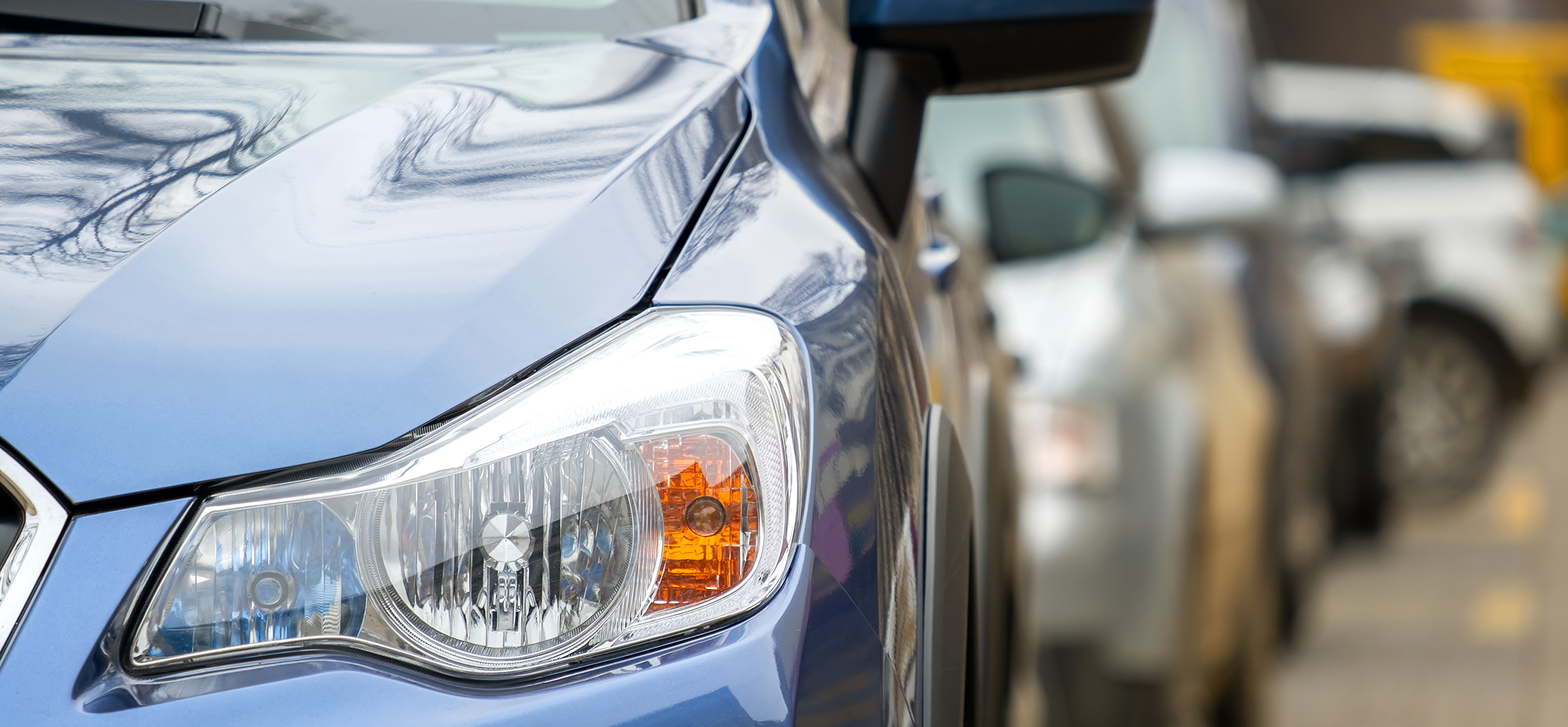
Your car’s headlights are crucial for safe nighttime driving, yet many drivers aren’t aware of the significant differences between the available halogen, HID, and LED headlight options. At HCS Auto Repair, we’re here to shed light on these three main headlight technologies.
Each headlight type offers unique characteristics:
Halogen – The traditional choice found in many vehicles
HID (High-Intensity Discharge) – Known for its bright, intense light
LED (Light-Emitting Diode) – The newest technology with distinct lighting patterns
Knowing these differences can help guide your car’s lighting system decisions. Through extensive testing, we’ve quantified light output, distance illumination, and level of brightness for all of them. Continue reading to examine the performance of these headlights in normal driving and how that influences your driving experience.
Ready to dive in? Let’s take a closer look at each of the types of headlamps and see which may be best for your car’s requirements.
Halogen Headlights
Halogen headlights are the conventional lighting technology in most cars. They include a tungsten-halogen filament, which lights up when an electric current is passed through it, generating an incandescent, yellowish light output.
Our testing of halogen headlights revealed interesting performance metrics:
High Output Distance: 77 feet 10 inches before significant light drop-off
Wall Test Reading: 5,386 Lux
Low Beam Brightness: 11 Lux when measured from another vehicle
High Beam Brightness: 79 Lux when measured from another vehicle
The test results show a significant difference between low and high beam performance, with high beams producing about 7 times more light intensity than low beams. This dramatic increase helps explain why you need to switch to low beams when approaching other vehicles.
For consistent testing results, we kept the engine running to maintain steady voltage to the bulbs. This practice ensures accurate readings as halogen bulbs are sensitive to voltage fluctuations.
Halogen headlights are simple to install and replace. Their straightforward design makes them simple to replace by yourself, although we would suggest professional fitting for proper alignment and optimum performance.
HID Headlights
HID (High-Intensity Discharge) headlights add some extra functionality to your nighttime driving. They take a bit of time to warm up – when you first turn them on, they come on dim and brighten their light output as time goes by.
Light Output Measurements:
- Wall test brightness: 10,300 Lux
- Low beam brightness: 17 Lux
- High beam brightness: 76 Lux
Distance Coverage:
The HIDs showed an unexpected performance pattern. Despite their intense brightness readings, they had the shortest effective range at 56 feet 4 inches – less than both halogen and LED options.
The high beam performance showed a significant jump in brightness, increasing from 17 Lux to 76 Lux when activated. This substantial difference makes HIDs particularly effective for situations requiring maximum visibility.
Installation Note:
HIDs proved the most challenging to install among the three options. The installation process should be handled cautiously when using the rubber protector at the rear of the headlamps and the alignment pieces. Professional aid is advisable when you’re thinking of adding HID, to get it right and in line.
The unique features of HID headlights – from their warm-up time to their high luminance output – make them a distinct lighting system with unique benefits and considerations for various driving conditions.
LED Headlights
LED headlights have a unique feature that makes them ideal for nighttime driving – they provide a wide spread of light. Unlike halogen and HID headlights that have focused beams, LED headlights distribute light over a larger area without a specific hotspot.
Impressive Results from Testing
We conducted tests on the Honda Element and found some remarkable outcomes:
Distance Coverage: LED headlights reached an impressive distance of 88 feet 10 inches, which is 10 feet further than halogen lights.
Light Output: When measured against the wall, LED headlights produced a brightness level of 21,105 Lux.
Installation: LED headlights are ranked as one of the easiest types to install.
Insights from Real-World Performance
The performance of LED headlights in real-world situations revealed some interesting patterns:
Low Beam: From the perspective of another vehicle, the low beam setting measured 52 Lux.
High Beam: The high beam setting only showed a slight increase with a measurement of 64 Lux compared to the low beam.
Light Distribution: LED headlights create an even spread of light across the road.
These values prove that LED headlights are best at delivering wide and steady illumination. The little variation between high and low beam modes would indicate that LED technology is more concerned with delivering stable light output than with making significantly different beam patterns.
Benefits of Uniform Light Distribution
The broad beam of light emanated from LEDs has its own advantages. It makes the areas that typically are left in the dark highly visible, the roadside being one. This aspect is very helpful in seeing danger or being able to read street signs while driving at night.
To put it all in perspective, LED headlights vary from standard focused-beam designs through improved visibility through their broad light spread pattern.
Comparative Results: Which Headlight Type is the Best?
The testing results revealed surprising differences between the three headlight technologies:
1. Distance Coverage
- Halogen: 77 feet 10 inches
- LED: 88 feet 10 inches
- HID: 56 feet 4 inches
2. Wall Test Brightness (Lux)
- Halogen: 5,386
- LED: 21,105
- HID: 10,300
3. Low Beam Interior Light Reading (Lux)
- Halogen: 11
- LED: 52
- HID: 17
4. High Beam Interior Light Reading (Lux)
- Halogen: 79
- LED: 64
- HID: 76
LED headlights demonstrated superior performance in most categories, reaching nearly 11 feet further than halogen lights and producing the highest wall test brightness at 21,105 Lux. They also maintained consistent brightness levels between low and high beams.
HIDs showed mixed results – while they produced twice the wall brightness of halogens, they had the shortest distance coverage. This technology excelled in high beam performance, nearly matching halogen’s intensity.
Halogen headlights delivered reliable middle-ground performance across most tests. Its most unique feature was the high range of low and high beam brightness, rising from 11 to 79 Lux – the highest increase from any of the three models.
Choosing The Right Headlights For Your Vehicle
The right headlights certainly determine your night driving safety. Be aware, the choice also depends upon local regulations and laws about what is permissible to upgrade in your vehicle.
HCS Auto Repair recognizes the complexity of automotive lighting systems. Our ASE-certified technicians can:
- Assess your current headlight system
- Recommend suitable upgrades within legal limits
- Ensure proper mounting and alignment
- Maintain your headlights in peak performance
- Your safety comes first. We’ll guide you through headlight technology to fit your vehicle and driving conditions perfectly.
Ready to see better at night? Our trained professionals at HCS Auto Repair in Springdale, AR, are here to assist you. Call (479) 751-8232 or stop by our shop to receive professional headlight guidance. Let’s improve your night-driving comfort and safety together.